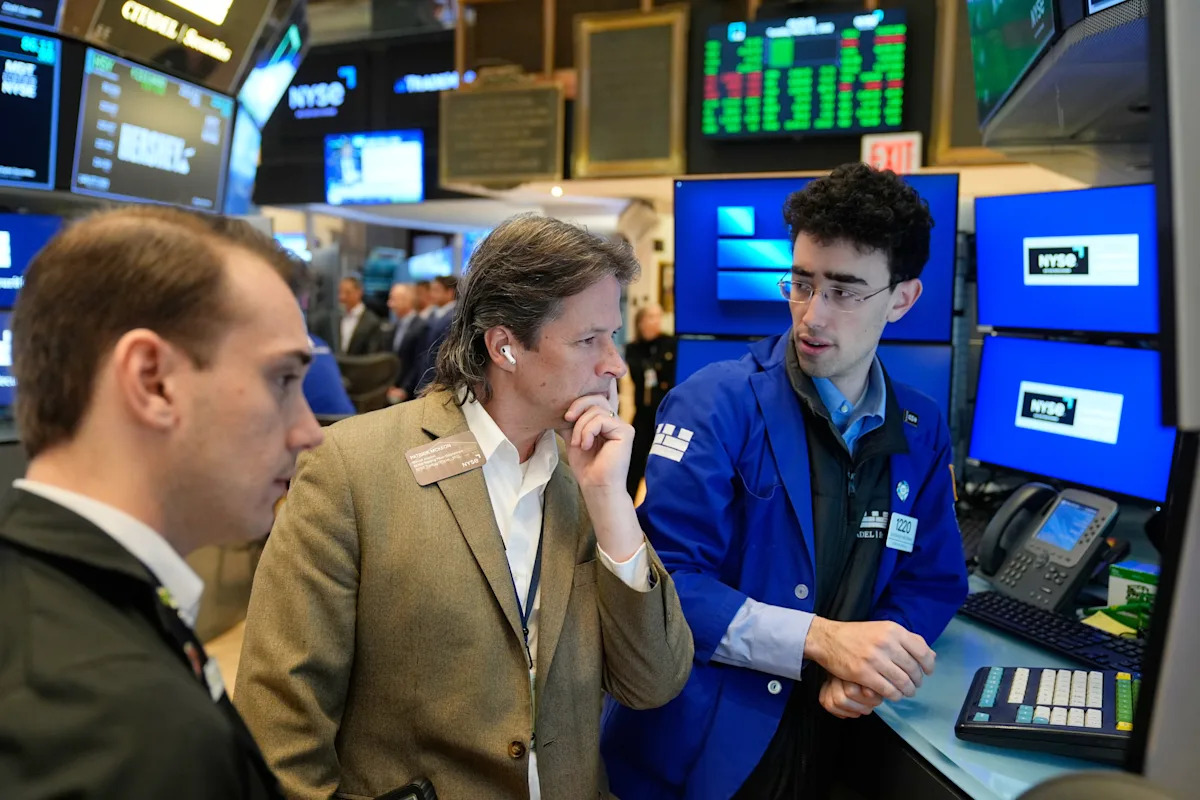
Nike Chief Innovation Officer Departs After Less Than a Year
Written by Emily J. Thompson, Senior Investment Analyst
Updated: 1 hour ago
0mins
Should l Buy NKE?
Source: seekingalpha
- Executive Departure: Nike's Chief Innovation Officer Tom Bignall is leaving after less than a year, reportedly to pursue other creative and philanthropic interests, highlighting increasing executive turnover within the company.
- Successor Announcement: Andy Caine, Nike's Vice President and Creative Director for Sportswear, will succeed Bignall effective Sunday, a change that may impact the company's innovation strategy moving forward.
- Leadership Instability: Caine will be the fourth individual to lead innovation at Nike in the past three years, and this frequent turnover could lead to strategic instability in the company's innovation efforts.
- Stock Price Reaction: Nike's shares fell 3.3% in Friday afternoon trading and are down over 33% year-to-date, reflecting market concerns regarding the company's future growth prospects.
Trade with 70% Backtested Accuracy
Stop guessing "Should I Buy NKE?" and start using high-conviction signals backed by rigorous historical data.
Sign up today to access powerful investing tools and make smarter, data-driven decisions.
Analyst Views on NKE
Wall Street analysts forecast NKE stock price to rise
21 Analyst Rating
14 Buy
7 Hold
0 Sell
Moderate Buy
Current: 44.000

Low
62.00
Averages
76.11
High
110.00
Current: 44.000
Low
62.00
Averages
76.11
High
110.00
About NKE
NIKE, Inc. is engaged in the designing, marketing and distributing of athletic footwear, apparel, equipment and accessories and services for sports and fitness activities. The Company's operating segments include North America; Europe, Middle East & Africa (EMEA); Greater China; and Asia Pacific & Latin America (APLA). It sells a line of equipment and accessories under the NIKE Brand name, including bags, socks, sport balls, eyewear, timepieces, digital devices, bats, gloves, protective equipment and other equipment designed for sports activities. It also designs products specifically for the Jordan Brand and Converse. The Jordan Brand designs, distributes and licenses athletic and casual footwear, apparel and accessories predominantly focused on basketball performance and culture using the Jumpman trademark. The Company also designs, distributes and licenses casual sneakers, apparel and accessories under the Chuck Taylor, All Star, One Star, Star Chevron and Jack Purcell trademarks.
About the author

Emily J. Thompson
Emily J. Thompson, a Chartered Financial Analyst (CFA) with 12 years in investment research, graduated with honors from the Wharton School. Specializing in industrial and technology stocks, she provides in-depth analysis for Intellectia’s earnings and market brief reports.
Nike Faces Sales Decline Challenges Amid Market Headwinds
- Sales Decline Expected: Nike anticipates a further decline in sales on a constant currency basis this year, primarily due to a cooling Chinese market and high new tariffs in North America, indicating increased competitive pressure in the global market.
- Slow Transition: Although management is attempting to pivot back to wholesale partners to regain lost shelf space, the sluggish progress of this transition may impact the company's market share and brand influence.
- Poor Stock Performance: Despite Nike's stock trading lower over the past few years, market analysts suggest that now is not the time to bet on a turnaround, which could weaken investor confidence in the company's future growth prospects.
- Challenging Market Environment: Amid increasing global economic uncertainty, Nike faces challenges not only from declining sales but also from effectively managing the cost pressures brought on by new tariff policies, which could affect its overall profitability.
See More
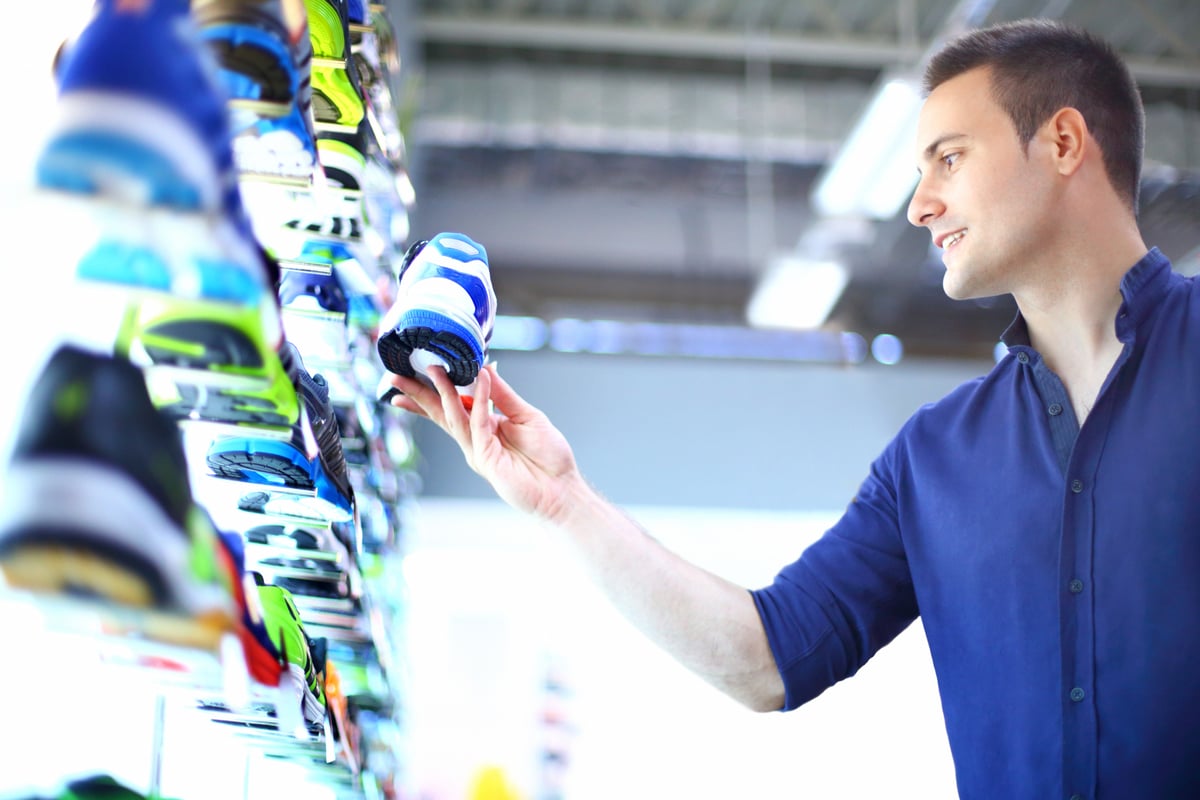
Sneaker Industry Faces Severe Challenges

- Significant Value Decline: Nike has lost nearly 70% of its market value over the past five years, reflecting a harsh reality of slowing growth and shrinking margins, which has weakened investor confidence in the industry.
- Inventory Pressure Intensifies: Following a surge in sales during the pandemic, companies like Nike and Allbirds are now facing excess inventory, forcing them to resort to markdowns that compress margins and dilute their premium appeal.
- Increased Competition: In the Chinese market, Nike and Allbirds are facing fierce competition from local brands like Anta and Li-Ning, while global inflation and rising interest rates are also throttling consumer spending on high-end footwear.
- Strategic Missteps: Nike has alienated wholesale retail partners by overly relying on its own channels, while Allbirds has lost its product identity by launching too many styles, leading to a rapid decline in brand relevance.
See More
Nike Faces Challenges in China Market
- Significant Stock Decline: Nike's stock has plummeted over 75% since its peak on November 5, 2021, including a nearly 33% drop this year, indicating market concerns about its future growth, particularly in the Chinese market.
- Sales Decline in China: In the most recent quarter, Nike's revenue in China fell by 11%, with expectations of a further decline of around 20% in the current quarter, marking a significant challenge for a market that had provided consistent growth over the past decade.
- Lack of Innovation: Nike's diminishing innovation has allowed smaller brands like On, Salomon, and Lululemon to capture market share, reflecting a decline in Nike's competitive edge in product lines, which could impact its long-term growth potential.
- Reliance on Mature Markets: While Nike's revenue grew by 5% in North America and 4% in EMEA, these mature markets typically see single-digit growth, indicating that future growth drivers will face greater pressure.
See More

Nike Faces 20% Sales Decline in China
- China Market Challenge: Nike expects a 20% decline in sales in China for the current quarter, indicating significant challenges in a market that has been its fastest-growing over the past decade, potentially impacting overall performance.
- Innovation Issues: Nike's lack of innovation has led to competitive pressures in niche markets, particularly as brands like On, Salomon, and Lululemon gain popularity, highlighting Nike's struggle to maintain its leading product line.
- Divergent Financial Performance: In the most recent quarter, Nike's North America revenue grew by 5% and EMEA by 4%, while China saw an 11% decline, reflecting uneven performance across regions and future growth relying on mature markets with single-digit growth.
- Dividend Appeal: Despite the challenges in the Chinese market, Nike's dividend yield of approximately 3.8% may attract investors, especially in the absence of a compelling growth narrative.
See More
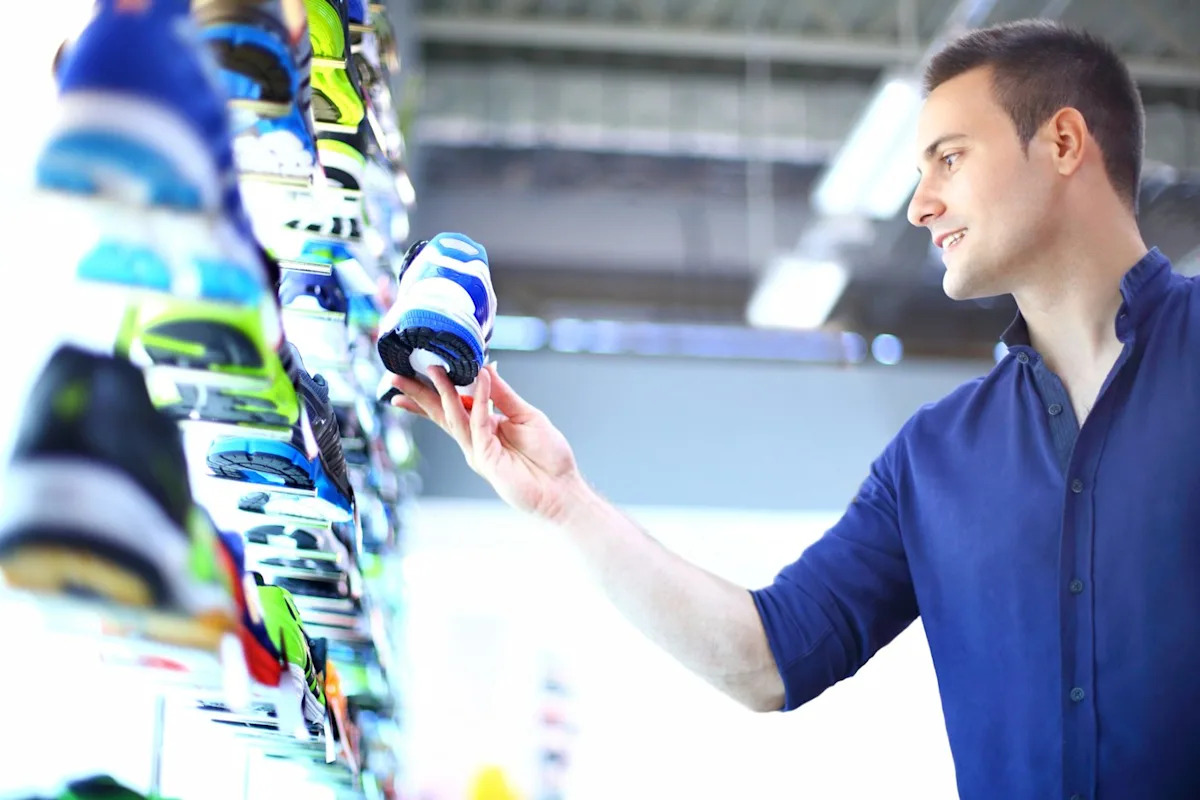
Sneaker Industry Faces Major Challenges

- Market Contraction: Nike (NKE) has seen its market value plummet nearly 70% over the past five years, highlighting severe growth slowdowns and margin compressions that raise investor concerns about its future prospects.
- Inventory Pressure: Following a surge in sales during the pandemic, sneaker manufacturers like Nike and Allbirds are now burdened with excess inventory, forcing them to resort to markdowns that further compress margins and dilute their premium brand appeal.
- Intensified Competition: In the Chinese market, Nike and Allbirds face fierce competition from local brands like Anta and Li-Ning, compounded by macroeconomic pressures such as inflation and rising interest rates, which have weakened consumer demand for high-end footwear.
- Strategic Missteps: Nike has alienated wholesale retail partners by overly shifting products to its own channels, while Allbirds has lost its product identity by launching too many styles, leading to a rapid decline in market appeal, underscoring the importance of brand positioning and channel management in a competitive landscape.
See More
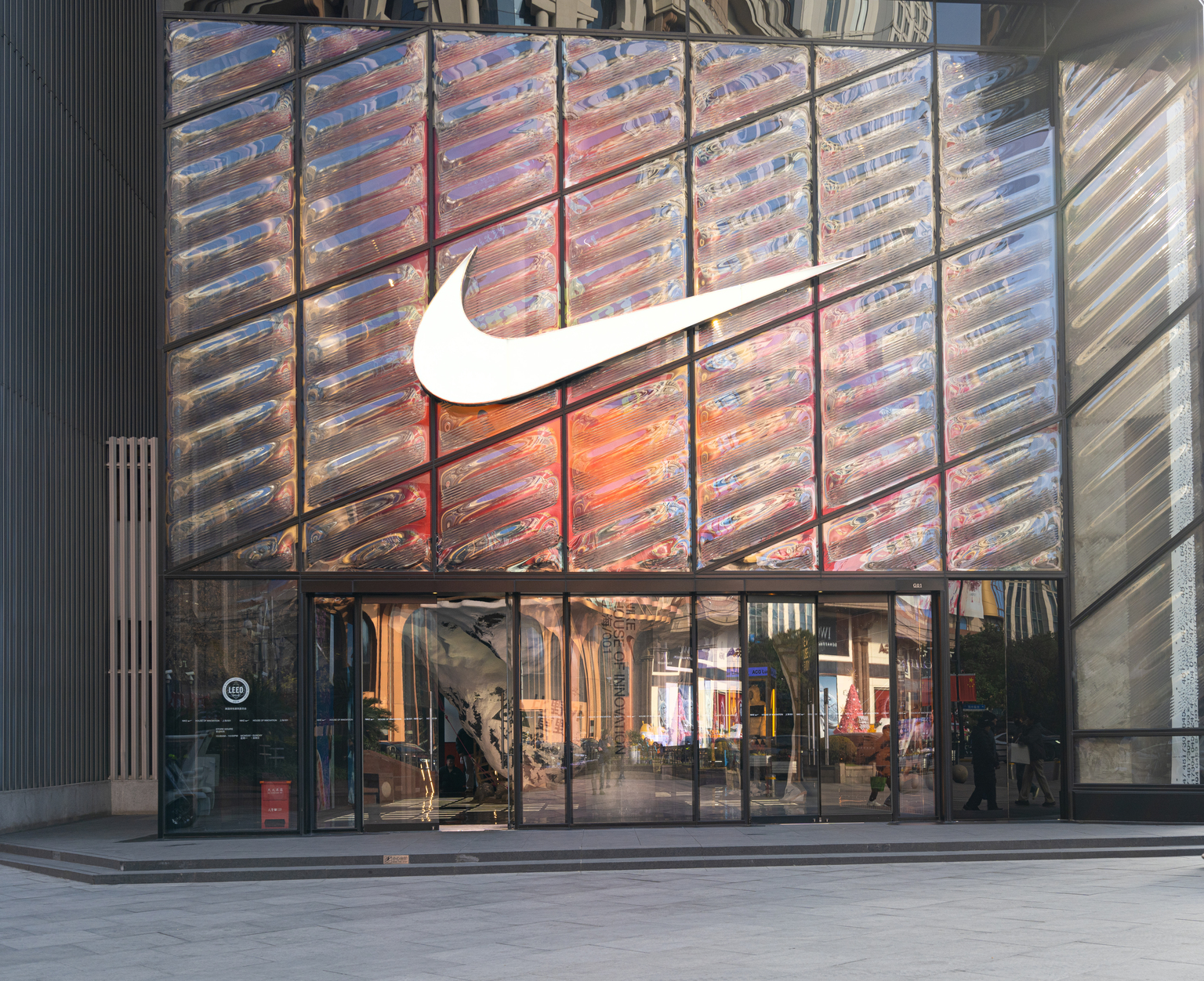
Nike Chief Innovation Officer Departs After Less Than a Year
- Executive Departure: Nike's Chief Innovation Officer Tom Bignall is leaving after less than a year, reportedly to pursue other creative and philanthropic interests, highlighting increasing executive turnover within the company.
- Successor Announcement: Andy Caine, Nike's Vice President and Creative Director for Sportswear, will succeed Bignall effective Sunday, a change that may impact the company's innovation strategy moving forward.
- Leadership Instability: Caine will be the fourth individual to lead innovation at Nike in the past three years, and this frequent turnover could lead to strategic instability in the company's innovation efforts.
- Stock Price Reaction: Nike's shares fell 3.3% in Friday afternoon trading and are down over 33% year-to-date, reflecting market concerns regarding the company's future growth prospects.
See More
Nike Faces Sales Decline Challenges Amid Market Headwinds
- Sales Decline Expected: Nike anticipates a further decline in sales on a constant currency basis this year, primarily due to a cooling Chinese market and high new tariffs in North America, indicating increased competitive pressure in the global market.
- Slow Transition: Although management is attempting to pivot back to wholesale partners to regain lost shelf space, the sluggish progress of this transition may impact the company's market share and brand influence.
- Poor Stock Performance: Despite Nike's stock trading lower over the past few years, market analysts suggest that now is not the time to bet on a turnaround, which could weaken investor confidence in the company's future growth prospects.
- Challenging Market Environment: Amid increasing global economic uncertainty, Nike faces challenges not only from declining sales but also from effectively managing the cost pressures brought on by new tariff policies, which could affect its overall profitability.
See More
Sneaker Industry Faces Severe Challenges
- Significant Value Decline: Nike has lost nearly 70% of its market value over the past five years, reflecting a harsh reality of slowing growth and shrinking margins, which has weakened investor confidence in the industry.
- Inventory Pressure Intensifies: Following a surge in sales during the pandemic, companies like Nike and Allbirds are now facing excess inventory, forcing them to resort to markdowns that compress margins and dilute their premium appeal.
- Increased Competition: In the Chinese market, Nike and Allbirds are facing fierce competition from local brands like Anta and Li-Ning, while global inflation and rising interest rates are also throttling consumer spending on high-end footwear.
- Strategic Missteps: Nike has alienated wholesale retail partners by overly relying on its own channels, while Allbirds has lost its product identity by launching too many styles, leading to a rapid decline in brand relevance.
See More
Nike Faces Challenges in China Market
- Significant Stock Decline: Nike's stock has plummeted over 75% since its peak on November 5, 2021, including a nearly 33% drop this year, indicating market concerns about its future growth, particularly in the Chinese market.
- Sales Decline in China: In the most recent quarter, Nike's revenue in China fell by 11%, with expectations of a further decline of around 20% in the current quarter, marking a significant challenge for a market that had provided consistent growth over the past decade.
- Lack of Innovation: Nike's diminishing innovation has allowed smaller brands like On, Salomon, and Lululemon to capture market share, reflecting a decline in Nike's competitive edge in product lines, which could impact its long-term growth potential.
- Reliance on Mature Markets: While Nike's revenue grew by 5% in North America and 4% in EMEA, these mature markets typically see single-digit growth, indicating that future growth drivers will face greater pressure.
See More
Nike Faces 20% Sales Decline in China
- China Market Challenge: Nike expects a 20% decline in sales in China for the current quarter, indicating significant challenges in a market that has been its fastest-growing over the past decade, potentially impacting overall performance.
- Innovation Issues: Nike's lack of innovation has led to competitive pressures in niche markets, particularly as brands like On, Salomon, and Lululemon gain popularity, highlighting Nike's struggle to maintain its leading product line.
- Divergent Financial Performance: In the most recent quarter, Nike's North America revenue grew by 5% and EMEA by 4%, while China saw an 11% decline, reflecting uneven performance across regions and future growth relying on mature markets with single-digit growth.
- Dividend Appeal: Despite the challenges in the Chinese market, Nike's dividend yield of approximately 3.8% may attract investors, especially in the absence of a compelling growth narrative.
See More
Sneaker Industry Faces Major Challenges
- Market Contraction: Nike (NKE) has seen its market value plummet nearly 70% over the past five years, highlighting severe growth slowdowns and margin compressions that raise investor concerns about its future prospects.
- Inventory Pressure: Following a surge in sales during the pandemic, sneaker manufacturers like Nike and Allbirds are now burdened with excess inventory, forcing them to resort to markdowns that further compress margins and dilute their premium brand appeal.
- Intensified Competition: In the Chinese market, Nike and Allbirds face fierce competition from local brands like Anta and Li-Ning, compounded by macroeconomic pressures such as inflation and rising interest rates, which have weakened consumer demand for high-end footwear.
- Strategic Missteps: Nike has alienated wholesale retail partners by overly shifting products to its own channels, while Allbirds has lost its product identity by launching too many styles, leading to a rapid decline in market appeal, underscoring the importance of brand positioning and channel management in a competitive landscape.
See More
Nike Chief Innovation Officer Departs After Less Than a Year
- Executive Departure: Nike's Chief Innovation Officer Tom Bignall is leaving after less than a year, reportedly to pursue other creative and philanthropic interests, highlighting increasing executive turnover within the company.
- Successor Announcement: Andy Caine, Nike's Vice President and Creative Director for Sportswear, will succeed Bignall effective Sunday, a change that may impact the company's innovation strategy moving forward.
- Leadership Instability: Caine will be the fourth individual to lead innovation at Nike in the past three years, and this frequent turnover could lead to strategic instability in the company's innovation efforts.
- Stock Price Reaction: Nike's shares fell 3.3% in Friday afternoon trading and are down over 33% year-to-date, reflecting market concerns regarding the company's future growth prospects.
See More