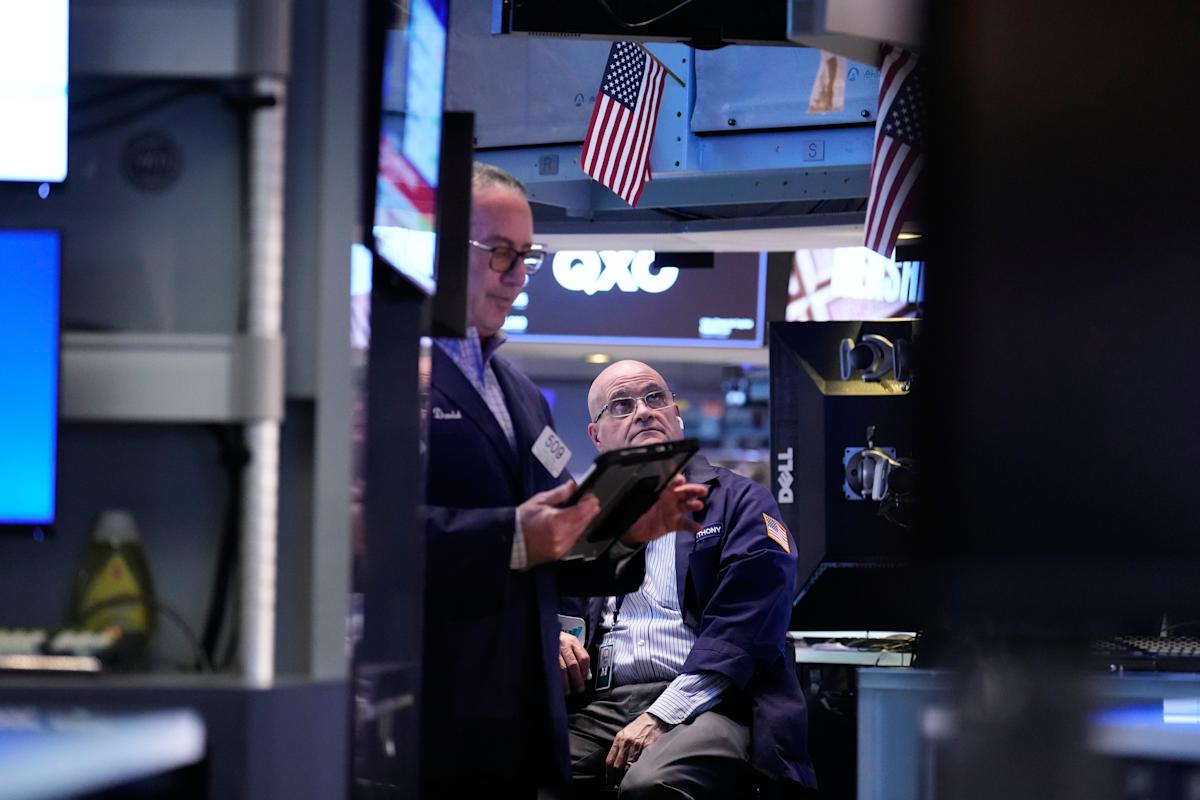
Nasdaq Reports Surge in March Options Volume
Written by Emily J. Thompson, Senior Investment Analyst
Updated: 1 hour ago
0mins
Should l Buy NDAQ?
Source: Yahoo Finance
- Options Volume Surge: Nasdaq reported that its US equity options volume reached 393 million contracts in March, indicating a significant increase in market activity and reflecting heightened investor interest in options trading.
- Increased Market Participation: This rise in trading volume may be linked to investors' expectations of market volatility, suggesting a shift towards a higher risk appetite that could influence future investment strategies.
- Enhanced Exchange Competitiveness: The increase in options trading volume strengthens Nasdaq's competitive position in the financial markets, potentially attracting more traders and investors to choose its platform for transactions.
- Optimistic Future Outlook: This growth trend may signal further expansion in the options market over the coming months, prompting investors and analysts to closely monitor this dynamic to assess the overall health of the market.
Trade with 70% Backtested Accuracy
Stop guessing "Should I Buy NDAQ?" and start using high-conviction signals backed by rigorous historical data.
Sign up today to access powerful investing tools and make smarter, data-driven decisions.
Analyst Views on NDAQ
Wall Street analysts forecast NDAQ stock price to rise
10 Analyst Rating
9 Buy
1 Hold
0 Sell
Strong Buy
Current: 86.400

Low
101.00
Averages
111.50
High
123.00
Current: 86.400
Low
101.00
Averages
111.50
High
123.00
About NDAQ
Nasdaq, Inc. is a global technology company serving corporate clients, investment managers, banks, brokers, and exchange operators as they navigate and interact with the global capital markets and the broader financial system. The Company manages, operates and provides its products and services in three business segments: Capital Access Platforms, Financial Technology and Market Services. Its Capital Access Platforms segment comprises Data & Listing Services, Index and Workflow & Insights. The Financial Technology segment comprises Financial Crime Management Technology, Regulatory Technology and Capital Markets Technology businesses. Its Market Services segment includes its equity derivative trading and clearing, cash equity trading, fixed income, currency and commodities trading. It operates over 19 exchanges across several asset classes, including derivatives, commodities, cash equity, debt, structured products and exchange-traded products (ETPs).
About the author

Emily J. Thompson
Emily J. Thompson, a Chartered Financial Analyst (CFA) with 12 years in investment research, graduated with honors from the Wharton School. Specializing in industrial and technology stocks, she provides in-depth analysis for Intellectia’s earnings and market brief reports.

Nasdaq Reports Surge in March Options Volume

- Options Volume Surge: Nasdaq reported that its US equity options volume reached 393 million contracts in March, indicating a significant increase in market activity and reflecting heightened investor interest in options trading.
- Increased Market Participation: This rise in trading volume may be linked to investors' expectations of market volatility, suggesting a shift towards a higher risk appetite that could influence future investment strategies.
- Enhanced Exchange Competitiveness: The increase in options trading volume strengthens Nasdaq's competitive position in the financial markets, potentially attracting more traders and investors to choose its platform for transactions.
- Optimistic Future Outlook: This growth trend may signal further expansion in the options market over the coming months, prompting investors and analysts to closely monitor this dynamic to assess the overall health of the market.
See More
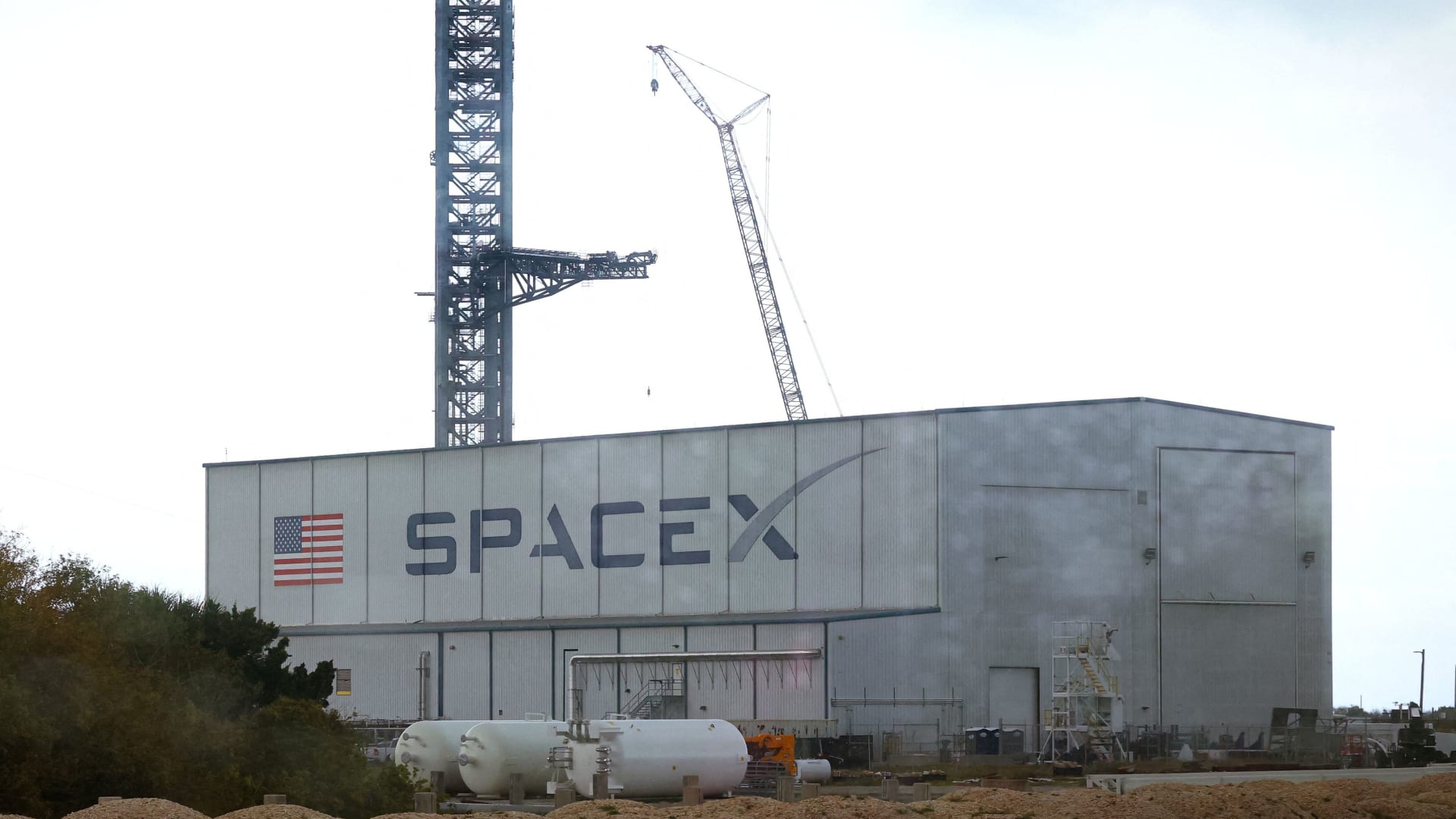
SpaceX IPO May Impact Tech Stocks Less Than Expected


- Market Impact Analysis: SpaceX's IPO is expected to debut in June with a staggering $2 trillion valuation; however, despite the buzz, its impact on tech stocks may be muted, particularly in the Nasdaq-100, where it could reduce the weightings of giants like Apple and Nvidia.
- Nasdaq New Rules: Nasdaq's new rules, effective May 1, stipulate that only companies with a free float above 33.33% will have full market cap representation in the Nasdaq-100, which could mitigate the potential disruption from the SpaceX IPO on other tech firms.
- Fast Entry Mechanism: The new regulations shorten the timeline for new companies to enter the Nasdaq-100 from months to just 15 trading days; if SpaceX ranks within the top 40 post-IPO, it can quickly join the index, although it still needs to meet the float requirement.
- Investor Reactions: While SpaceX's listing may prompt a reallocation of funds, its potentially small float might not exert significant pressure on large-cap tech stocks, leading investors to seek capital from other tech names to facilitate trading of the new stock.
See More

Burry Calls Tesla the 'Lord of the Tragic Tier'

- Compensation Costs Exceed Income: Burry highlighted that Tesla's stock-based compensation costs surpass its cumulative net income, leading to its designation as the 'Lord of the Tragic Tier', indicating that the company's spending on employee incentives severely distorts the earnings data of the Nasdaq-100 Index.
- Earnings Distortion: By removing Tesla from the dataset, the GAAP earnings overstatement of the Nasdaq-100 is reduced from 19.78% to 12.52%, demonstrating the significant impact of Tesla's incentive plans on the earnings reports across the tech sector, which affects investor decision-making.
- Potential Value of Incentive Framework: Burry noted that Tesla's new incentive structure could ultimately reach $1 trillion, with over 75% approval from shareholders, and if long-term targets are met, Musk's ownership stake could exceed 25%, significantly enhancing his personal wealth.
- Shift in Market Sentiment: Despite Tesla's stock rising 49% over the past year, retail sentiment remains in the 'bearish' and 'extremely bearish' zones due to missed first-quarter delivery estimates, indicating market concerns about its future performance.
See More

House Democrats Pressure CFTC to Strengthen Prediction Market Oversight


- Regulatory Pressure: House Democrats sent a letter to CFTC Chair Michael Selig questioning the agency's lack of action against offshore prediction markets related to war and government actions, highlighting growing concerns over insider trading.
- Insider Trading Concerns: Recent allegations of insider trading linked to U.S. government actions, particularly regarding Venezuela and Iran, have prompted lawmakers to demand stricter measures from the CFTC to ensure market fairness and transparency.
- Frequent Legislative Actions: Democrats have introduced several bills aimed at restricting trading on certain event contracts, especially those involving sports, government actions, and war, reflecting heightened vigilance regarding the potential risks of prediction markets.
- Policy Ban Implementation: Rep. Seth Moulton announced a ban on his office staff using prediction markets, further underscoring lawmakers' regulatory needs and emphasizing a zero-tolerance stance on insider trading.
See More
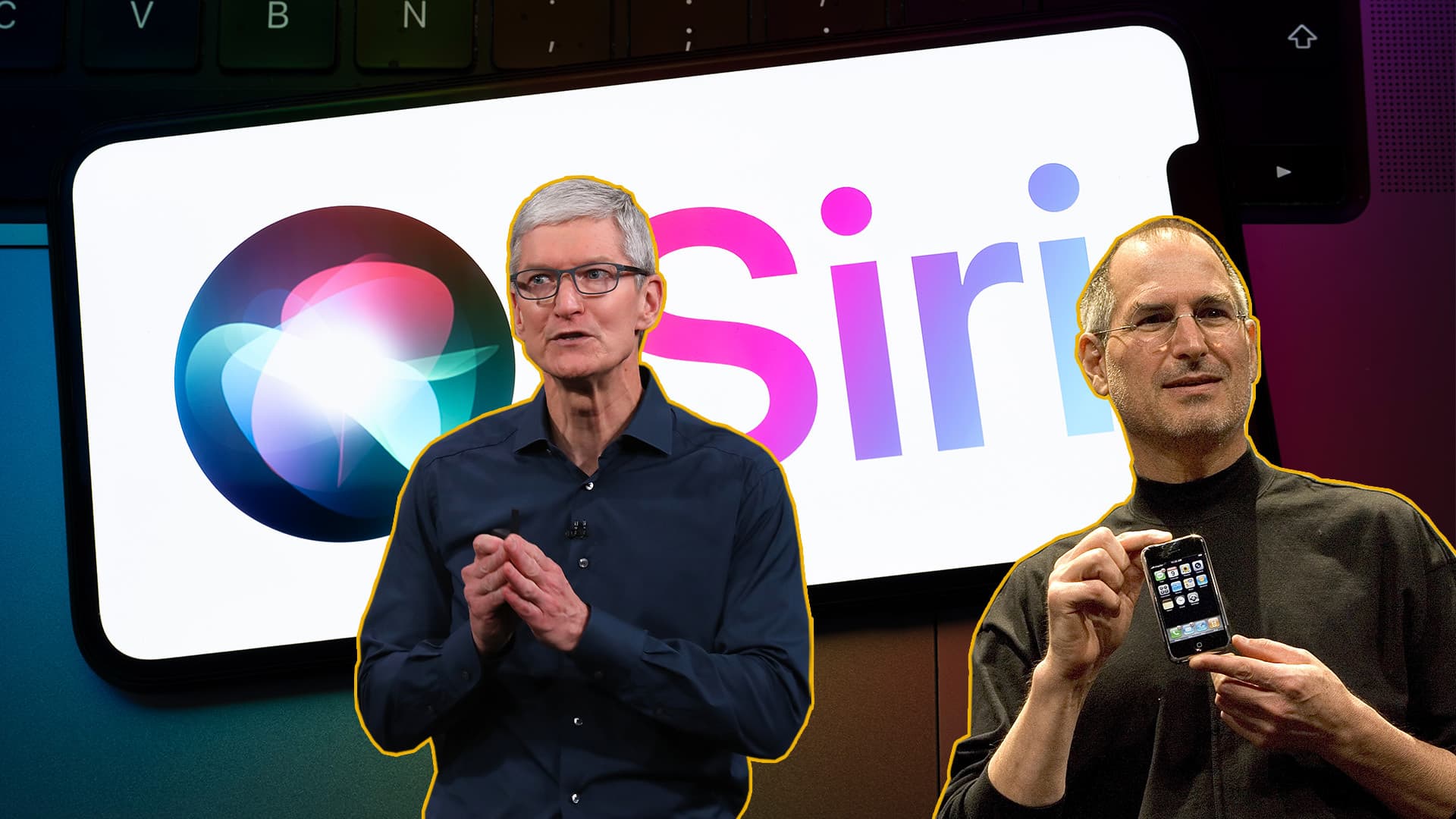
Apple Faces Challenges and Opportunities in the AI Era


- AI Strategy Shift: Apple has struck a multi-year deal with Google to utilize Gemini AI for a revamped Siri, which could impact user data privacy as Apple pays around $20 billion annually to maintain Google's default search engine status, necessitating careful management to avoid negative implications for its core business.
- Mixed Market Response: Apple's slow progress in AI updates has raised consumer skepticism, despite plans to launch Apple Intelligence in 2024 with features like image generation and text rewriting, potentially affecting its competitive edge in the market.
- Capital Expenditure Control: Unlike rivals such as Amazon and Microsoft, which are committing hundreds of billions annually to AI infrastructure, Apple has kept its capital expenditures in check, a strategy that reduces short-term risks but places it at a disadvantage in generative AI.
- Privacy and Technology Balance: CEO Tim Cook has emphasized that privacy is a
See More

Analysis of Upcoming Dividend Increases


- Nasdaq Dividend Growth: Nasdaq (NDAQ) is projected to increase its dividend by 12.5% in 2025, with a current yield of 1.3%, reflecting strong profitability and a consistent dividend growth potential despite its long-term performance mirroring tech-heavy indices.
- Synchrony Financial Outlook: Synchrony Financial (SYF) plans a 20% dividend increase in 2025, with a current yield of 1.8%, and its payout represents only 13% of estimated 2026 earnings, indicating room for further dividend expansion despite earnings variability.
- Victory Capital's Investment Strategy: Victory Capital (VCTR) is expected to raise its dividend by 4.2% in 2025, currently yielding 3.0%, and despite a recent failed acquisition attempt, the company maintains a strong history of dividend growth, with an announcement anticipated in early May.
- Paychex Market Performance: Paychex (PAYX) is projected to increase its dividend by 10.2% in 2025, with a yield of 4.7%, and despite facing economic headwinds, the company is expected to announce a dividend increase in early May, reflecting management's confidence in the current employment landscape.
See More
Nasdaq Reports Surge in March Options Volume
- Options Volume Surge: Nasdaq reported that its US equity options volume reached 393 million contracts in March, indicating a significant increase in market activity and reflecting heightened investor interest in options trading.
- Increased Market Participation: This rise in trading volume may be linked to investors' expectations of market volatility, suggesting a shift towards a higher risk appetite that could influence future investment strategies.
- Enhanced Exchange Competitiveness: The increase in options trading volume strengthens Nasdaq's competitive position in the financial markets, potentially attracting more traders and investors to choose its platform for transactions.
- Optimistic Future Outlook: This growth trend may signal further expansion in the options market over the coming months, prompting investors and analysts to closely monitor this dynamic to assess the overall health of the market.
See More
SpaceX IPO May Impact Tech Stocks Less Than Expected
- Market Impact Analysis: SpaceX's IPO is expected to debut in June with a staggering $2 trillion valuation; however, despite the buzz, its impact on tech stocks may be muted, particularly in the Nasdaq-100, where it could reduce the weightings of giants like Apple and Nvidia.
- Nasdaq New Rules: Nasdaq's new rules, effective May 1, stipulate that only companies with a free float above 33.33% will have full market cap representation in the Nasdaq-100, which could mitigate the potential disruption from the SpaceX IPO on other tech firms.
- Fast Entry Mechanism: The new regulations shorten the timeline for new companies to enter the Nasdaq-100 from months to just 15 trading days; if SpaceX ranks within the top 40 post-IPO, it can quickly join the index, although it still needs to meet the float requirement.
- Investor Reactions: While SpaceX's listing may prompt a reallocation of funds, its potentially small float might not exert significant pressure on large-cap tech stocks, leading investors to seek capital from other tech names to facilitate trading of the new stock.
See More
Burry Calls Tesla the 'Lord of the Tragic Tier'
- Compensation Costs Exceed Income: Burry highlighted that Tesla's stock-based compensation costs surpass its cumulative net income, leading to its designation as the 'Lord of the Tragic Tier', indicating that the company's spending on employee incentives severely distorts the earnings data of the Nasdaq-100 Index.
- Earnings Distortion: By removing Tesla from the dataset, the GAAP earnings overstatement of the Nasdaq-100 is reduced from 19.78% to 12.52%, demonstrating the significant impact of Tesla's incentive plans on the earnings reports across the tech sector, which affects investor decision-making.
- Potential Value of Incentive Framework: Burry noted that Tesla's new incentive structure could ultimately reach $1 trillion, with over 75% approval from shareholders, and if long-term targets are met, Musk's ownership stake could exceed 25%, significantly enhancing his personal wealth.
- Shift in Market Sentiment: Despite Tesla's stock rising 49% over the past year, retail sentiment remains in the 'bearish' and 'extremely bearish' zones due to missed first-quarter delivery estimates, indicating market concerns about its future performance.
See More
House Democrats Pressure CFTC to Strengthen Prediction Market Oversight
- Regulatory Pressure: House Democrats sent a letter to CFTC Chair Michael Selig questioning the agency's lack of action against offshore prediction markets related to war and government actions, highlighting growing concerns over insider trading.
- Insider Trading Concerns: Recent allegations of insider trading linked to U.S. government actions, particularly regarding Venezuela and Iran, have prompted lawmakers to demand stricter measures from the CFTC to ensure market fairness and transparency.
- Frequent Legislative Actions: Democrats have introduced several bills aimed at restricting trading on certain event contracts, especially those involving sports, government actions, and war, reflecting heightened vigilance regarding the potential risks of prediction markets.
- Policy Ban Implementation: Rep. Seth Moulton announced a ban on his office staff using prediction markets, further underscoring lawmakers' regulatory needs and emphasizing a zero-tolerance stance on insider trading.
See More
Apple Faces Challenges and Opportunities in the AI Era
- AI Strategy Shift: Apple has struck a multi-year deal with Google to utilize Gemini AI for a revamped Siri, which could impact user data privacy as Apple pays around $20 billion annually to maintain Google's default search engine status, necessitating careful management to avoid negative implications for its core business.
- Mixed Market Response: Apple's slow progress in AI updates has raised consumer skepticism, despite plans to launch Apple Intelligence in 2024 with features like image generation and text rewriting, potentially affecting its competitive edge in the market.
- Capital Expenditure Control: Unlike rivals such as Amazon and Microsoft, which are committing hundreds of billions annually to AI infrastructure, Apple has kept its capital expenditures in check, a strategy that reduces short-term risks but places it at a disadvantage in generative AI.
- Privacy and Technology Balance: CEO Tim Cook has emphasized that privacy is a
See More
Analysis of Upcoming Dividend Increases
- Nasdaq Dividend Growth: Nasdaq (NDAQ) is projected to increase its dividend by 12.5% in 2025, with a current yield of 1.3%, reflecting strong profitability and a consistent dividend growth potential despite its long-term performance mirroring tech-heavy indices.
- Synchrony Financial Outlook: Synchrony Financial (SYF) plans a 20% dividend increase in 2025, with a current yield of 1.8%, and its payout represents only 13% of estimated 2026 earnings, indicating room for further dividend expansion despite earnings variability.
- Victory Capital's Investment Strategy: Victory Capital (VCTR) is expected to raise its dividend by 4.2% in 2025, currently yielding 3.0%, and despite a recent failed acquisition attempt, the company maintains a strong history of dividend growth, with an announcement anticipated in early May.
- Paychex Market Performance: Paychex (PAYX) is projected to increase its dividend by 10.2% in 2025, with a yield of 4.7%, and despite facing economic headwinds, the company is expected to announce a dividend increase in early May, reflecting management's confidence in the current employment landscape.
See More