Middle East Tensions Enhance Westlake's Pricing Power
Written by Emily J. Thompson, Senior Investment Analyst
Updated: Mar 05 2026
0mins

Source: CNBC
- Rating Upgrade: BMO Capital Markets upgraded Westlake from hold to outperform, with analyst Bhavesh Lodaya raising the price target from $108 to $127, indicating nearly a 20% upside, reflecting increased confidence in the company's future performance.
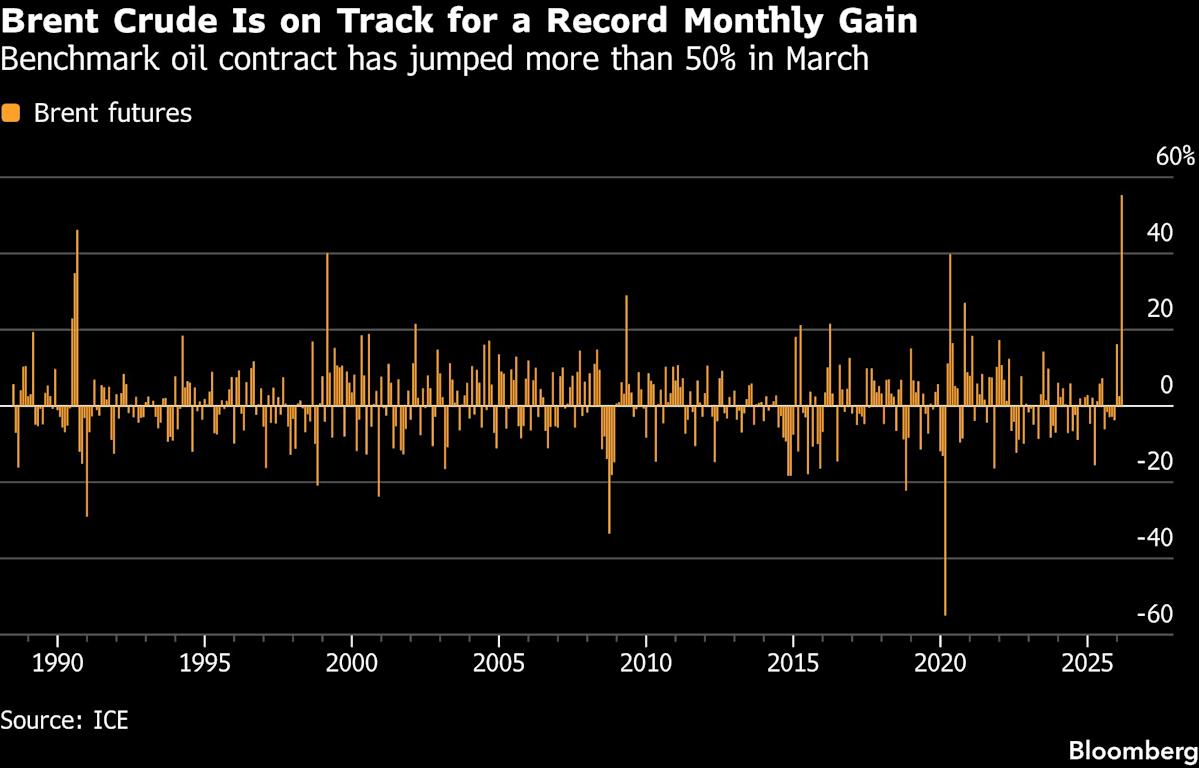
- Supply-Demand Dynamics Shift: The closure of the Strait of Hormuz due to Middle East conflict has impacted 15% of global polyethylene capacity, with global supply tightening from an extremely loose 80% utilization rate to low 90s%, significantly enhancing pricing power.
- Earnings Recovery Outlook: Lodaya anticipates strong earnings recovery in Westlake's PEM platform driven by an expanding ethane advantage and ongoing cost actions, alongside a potential recovery in the U.S. housing market, projecting robust earnings growth for 2026/27.
- Financial Stability: With most assets produced in the U.S., Westlake holds a competitive edge in the ethane advantage, and analysts expect free cash flow to reach approximately $280 million in 2026, providing financial stability and strategic options that its highly-leveraged peers lack.
Trade with 70% Backtested Accuracy
Stop guessing "Should I Buy EPD?" and start using high-conviction signals backed by rigorous historical data.
Sign up today to access powerful investing tools and make smarter, data-driven decisions.
Analyst Views on EPD
Wall Street analysts forecast EPD stock price to fall
12 Analyst Rating
6 Buy
5 Hold
1 Sell
Moderate Buy
Current: 39.280

Low
33.00
Averages
35.17
High
38.00
Current: 39.280
Low
33.00
Averages
35.17
High
38.00
About EPD
Enterprise Products Partners L.P. is a provider of midstream energy services to producers and consumers of natural gas, natural gas liquids (NGLs), crude oil, refined products and petrochemicals. Its NGL Pipelines & Services segment includes natural gas processing and related NGL marketing activities, NGL pipelines, NGL fractionation facilities, NGL and related product storage facilities and NGL marine terminals. Its Crude Oil Pipelines & Services segment includes crude oil pipelines, crude oil storage and marine terminals and related crude oil marketing activities. Its Natural Gas Pipelines & Services segment includes natural gas pipeline systems that provide for the gathering, treating and transportation of natural gas. Its Petrochemical & Refined Products Services segment includes propylene production facilities; butane isomerization complex and related deisobutanizer (DIB) operations; octane enhancement, iBDH and HPIB production facilities; refined products pipelines, and others.
About the author

Emily J. Thompson
Emily J. Thompson, a Chartered Financial Analyst (CFA) with 12 years in investment research, graduated with honors from the Wharton School. Specializing in industrial and technology stocks, she provides in-depth analysis for Intellectia’s earnings and market brief reports.

Enterprise Products Partners Maintains Stable Cash Flows Amid Market Disruption

- Cash Flow Stability: Enterprise Products Partners (EPD) ensures stable cash flows through long-term fixed contracts and government-regulated rate structures, with cash flows covering distributions by 1.7 times last year, demonstrating strong financial health.
- Investment in Growth Projects: The partnership completed $6 billion in organic growth capital projects in the second half of last year, expected to boost cash flows this year, while another $4.8 billion in major growth projects are under construction, set to enhance cash flows further over the next two years.
- High Yield Distribution: EPD currently offers a cash distribution yield of 5.6% and has raised its distribution for 27 consecutive years, showcasing resilience and the ability to provide consistent returns amid energy market volatility.
- Market Uncertainty Response: Despite supply disruptions in the energy market due to the war with Iran, Enterprise Products Partners maintains competitiveness with its stable cash flows and strong financial profile, ensuring continued distribution growth in the face of price fluctuations.
See More

Analysis of High-Yield Pipeline Stocks for Investors

- Pipeline Business Model: Midstream companies operate a straightforward toll road model by controlling the infrastructure for natural gas and crude oil, which insulates them from volatile commodity prices and generates substantial cash flow, enabling higher yields than most conventional energy firms.
- Enterprise Products Performance: Enterprise Products Partners (EPD) achieved a distributable cash flow of $7.9 billion in 2025, easily covering its $4.8 billion in distributions, and has increased its payouts for 28 consecutive years, indicating strong financial health and long-term growth potential.
- Energy Transfer Expansion: Energy Transfer (ET) has aggressively acquired smaller midstream players, now operating over 140,000 miles of pipeline, with an adjusted distributable cash flow of $8.2 billion in 2025 covering $4.6 billion in distributions, suggesting its capability to continue raising distributions in the future.
- Enbridge Stability: Enbridge (ENB), as a non-MLP company, operates over 70,000 miles of pipeline, transporting 30% of North America's crude oil and 20% of U.S. natural gas, with a forward dividend yield of 5.2% and a 31-year history of payout increases, showcasing its competitiveness and stability in the market.
See More

Analysis of High-Yield Pipeline Stocks for Investors
- Tax Efficiency Advantage: Enterprise Products and Energy Transfer, as master limited partnerships (MLPs), combine capital return with their income to provide tax-efficient distributions, reducing tax burdens for investors and making them suitable for long-term investment.
- Robust Cash Flow: In 2025, Enterprise Products generated $7.9 billion in operational distributable cash flow (DCF), covering $4.8 billion in distributions, while Energy Transfer delivered an adjusted DCF of $8.2 billion to cover $4.6 billion in distributions, indicating both companies' ability to sustain and increase distributions.
- Market Expansion Potential: Both companies are expanding operations in the Permian Basin and other resource-rich areas, with increased overseas exports of natural gas products expected to enhance market share and profitability, and their current price-to-earnings ratios are relatively low at 14 times and 13 times, respectively.
- Stable Dividend Record: Enbridge offers a forward dividend yield of 5.2% and has raised its payout for 31 consecutive years; although its earnings and dividends may face short-term pressure from a stronger dollar, it still appears reasonably valued with growth potential in the long term.
See More

Analysis of High-Yield Stock Investment Opportunities


- Enterprise Products Partners Advantage: Enterprise Products Partners (EPD) ranks among the top midstream energy companies in North America, having increased its distribution for 27 consecutive years, with a current forward distribution yield of approximately 5.6%, demonstrating its resilience in inflationary environments and stable cash flow.
- Evergy's Growth Potential: Evergy serves 1.7 million customers and expects its adjusted earnings per share to grow by over 8% annually by 2028, primarily driven by AI-related demand, while offering a strong dividend yield of 3.4%, indicating robust shareholder returns.
- UPS's Profitability Transformation: As a global logistics leader, UPS delivers an average of 20.8 million packages daily, and despite facing challenges, it anticipates 2026 to be an
See More

Three Monster Dividend Stocks to Hold for the Next Decade
- Enterprise Products Partners: Enterprise Products Partners (EPD) ranks as one of North America's strongest midstream energy companies, having increased its distribution for 27 consecutive years, with a current yield of approximately 5.6%, providing stable cash flow and growth potential, particularly amid rising U.S. LNG exports and domestic natural gas demand.
- Evergy's Stability: Evergy serves 1.7 million customers with no competition, sourcing about 50% of its power from clean energy, and expects adjusted earnings per share to grow over 8% annually starting in 2028, driven by AI-related demand, while maintaining an attractive 3.4% dividend yield.
- UPS's Transformation Potential: United Parcel Service (UPS), a global logistics leader delivering an average of 20.8 million packages daily, faces recent stock price pressures due to conflicts but anticipates 2026 as a pivotal year for restructuring to enhance profitability through higher-margin shipments, promising substantial returns for investors over the next decade.
- Economic Uncertainty Impact: As inflation and economic uncertainty rise, investors are rotating out of expensive growth stocks into companies with durable moats, which is likely to favor stocks with stable cash flows and strong dividend records, reflecting a significant shift in investment strategy.
See More

Investment Potential of Three High-Yield Stocks

- Brookfield Infrastructure: The company currently offers a dividend yield of 4.8%, with 85% of its earnings derived from long-term fixed contracts or government-regulated revenue frameworks, ensuring stable cash flows that support future dividend growth, expected to exceed 10% annually.
- Enterprise Products Partners: As a quality income holding, Enterprise Products Partners boasts a dividend yield of 5.6% and has increased its distribution for 27 consecutive years; its strong financial profile enables significant cash flow boosts by 2026, likely maintaining high-yield distributions.
- Realty Income: With a current dividend yield of 5.3%, Realty Income has raised its dividend 134 times since its 1994 listing, demonstrating stable cash flows and strong financial flexibility, with plans to invest $8 billion in expanding its real estate portfolio this year.
- Core Income Holdings: Brookfield Infrastructure, Enterprise Products Partners, and Realty Income all exhibit high yields and stable growth characteristics, indicating that increasing investments in these stocks is a prudent choice in the current market environment.
See More
Enterprise Products Partners Maintains Stable Cash Flows Amid Market Disruption
- Cash Flow Stability: Enterprise Products Partners (EPD) ensures stable cash flows through long-term fixed contracts and government-regulated rate structures, with cash flows covering distributions by 1.7 times last year, demonstrating strong financial health.
- Investment in Growth Projects: The partnership completed $6 billion in organic growth capital projects in the second half of last year, expected to boost cash flows this year, while another $4.8 billion in major growth projects are under construction, set to enhance cash flows further over the next two years.
- High Yield Distribution: EPD currently offers a cash distribution yield of 5.6% and has raised its distribution for 27 consecutive years, showcasing resilience and the ability to provide consistent returns amid energy market volatility.
- Market Uncertainty Response: Despite supply disruptions in the energy market due to the war with Iran, Enterprise Products Partners maintains competitiveness with its stable cash flows and strong financial profile, ensuring continued distribution growth in the face of price fluctuations.
See More
Analysis of High-Yield Pipeline Stocks for Investors
- Pipeline Business Model: Midstream companies operate a straightforward toll road model by controlling the infrastructure for natural gas and crude oil, which insulates them from volatile commodity prices and generates substantial cash flow, enabling higher yields than most conventional energy firms.
- Enterprise Products Performance: Enterprise Products Partners (EPD) achieved a distributable cash flow of $7.9 billion in 2025, easily covering its $4.8 billion in distributions, and has increased its payouts for 28 consecutive years, indicating strong financial health and long-term growth potential.
- Energy Transfer Expansion: Energy Transfer (ET) has aggressively acquired smaller midstream players, now operating over 140,000 miles of pipeline, with an adjusted distributable cash flow of $8.2 billion in 2025 covering $4.6 billion in distributions, suggesting its capability to continue raising distributions in the future.
- Enbridge Stability: Enbridge (ENB), as a non-MLP company, operates over 70,000 miles of pipeline, transporting 30% of North America's crude oil and 20% of U.S. natural gas, with a forward dividend yield of 5.2% and a 31-year history of payout increases, showcasing its competitiveness and stability in the market.
See More
Analysis of High-Yield Pipeline Stocks for Investors
- Tax Efficiency Advantage: Enterprise Products and Energy Transfer, as master limited partnerships (MLPs), combine capital return with their income to provide tax-efficient distributions, reducing tax burdens for investors and making them suitable for long-term investment.
- Robust Cash Flow: In 2025, Enterprise Products generated $7.9 billion in operational distributable cash flow (DCF), covering $4.8 billion in distributions, while Energy Transfer delivered an adjusted DCF of $8.2 billion to cover $4.6 billion in distributions, indicating both companies' ability to sustain and increase distributions.
- Market Expansion Potential: Both companies are expanding operations in the Permian Basin and other resource-rich areas, with increased overseas exports of natural gas products expected to enhance market share and profitability, and their current price-to-earnings ratios are relatively low at 14 times and 13 times, respectively.
- Stable Dividend Record: Enbridge offers a forward dividend yield of 5.2% and has raised its payout for 31 consecutive years; although its earnings and dividends may face short-term pressure from a stronger dollar, it still appears reasonably valued with growth potential in the long term.
See More
Analysis of High-Yield Stock Investment Opportunities
- Enterprise Products Partners Advantage: Enterprise Products Partners (EPD) ranks among the top midstream energy companies in North America, having increased its distribution for 27 consecutive years, with a current forward distribution yield of approximately 5.6%, demonstrating its resilience in inflationary environments and stable cash flow.
- Evergy's Growth Potential: Evergy serves 1.7 million customers and expects its adjusted earnings per share to grow by over 8% annually by 2028, primarily driven by AI-related demand, while offering a strong dividend yield of 3.4%, indicating robust shareholder returns.
- UPS's Profitability Transformation: As a global logistics leader, UPS delivers an average of 20.8 million packages daily, and despite facing challenges, it anticipates 2026 to be an
See More
Three Monster Dividend Stocks to Hold for the Next Decade
- Enterprise Products Partners: Enterprise Products Partners (EPD) ranks as one of North America's strongest midstream energy companies, having increased its distribution for 27 consecutive years, with a current yield of approximately 5.6%, providing stable cash flow and growth potential, particularly amid rising U.S. LNG exports and domestic natural gas demand.
- Evergy's Stability: Evergy serves 1.7 million customers with no competition, sourcing about 50% of its power from clean energy, and expects adjusted earnings per share to grow over 8% annually starting in 2028, driven by AI-related demand, while maintaining an attractive 3.4% dividend yield.
- UPS's Transformation Potential: United Parcel Service (UPS), a global logistics leader delivering an average of 20.8 million packages daily, faces recent stock price pressures due to conflicts but anticipates 2026 as a pivotal year for restructuring to enhance profitability through higher-margin shipments, promising substantial returns for investors over the next decade.
- Economic Uncertainty Impact: As inflation and economic uncertainty rise, investors are rotating out of expensive growth stocks into companies with durable moats, which is likely to favor stocks with stable cash flows and strong dividend records, reflecting a significant shift in investment strategy.
See More
Investment Potential of Three High-Yield Stocks
- Brookfield Infrastructure: The company currently offers a dividend yield of 4.8%, with 85% of its earnings derived from long-term fixed contracts or government-regulated revenue frameworks, ensuring stable cash flows that support future dividend growth, expected to exceed 10% annually.
- Enterprise Products Partners: As a quality income holding, Enterprise Products Partners boasts a dividend yield of 5.6% and has increased its distribution for 27 consecutive years; its strong financial profile enables significant cash flow boosts by 2026, likely maintaining high-yield distributions.
- Realty Income: With a current dividend yield of 5.3%, Realty Income has raised its dividend 134 times since its 1994 listing, demonstrating stable cash flows and strong financial flexibility, with plans to invest $8 billion in expanding its real estate portfolio this year.
- Core Income Holdings: Brookfield Infrastructure, Enterprise Products Partners, and Realty Income all exhibit high yields and stable growth characteristics, indicating that increasing investments in these stocks is a prudent choice in the current market environment.
See More