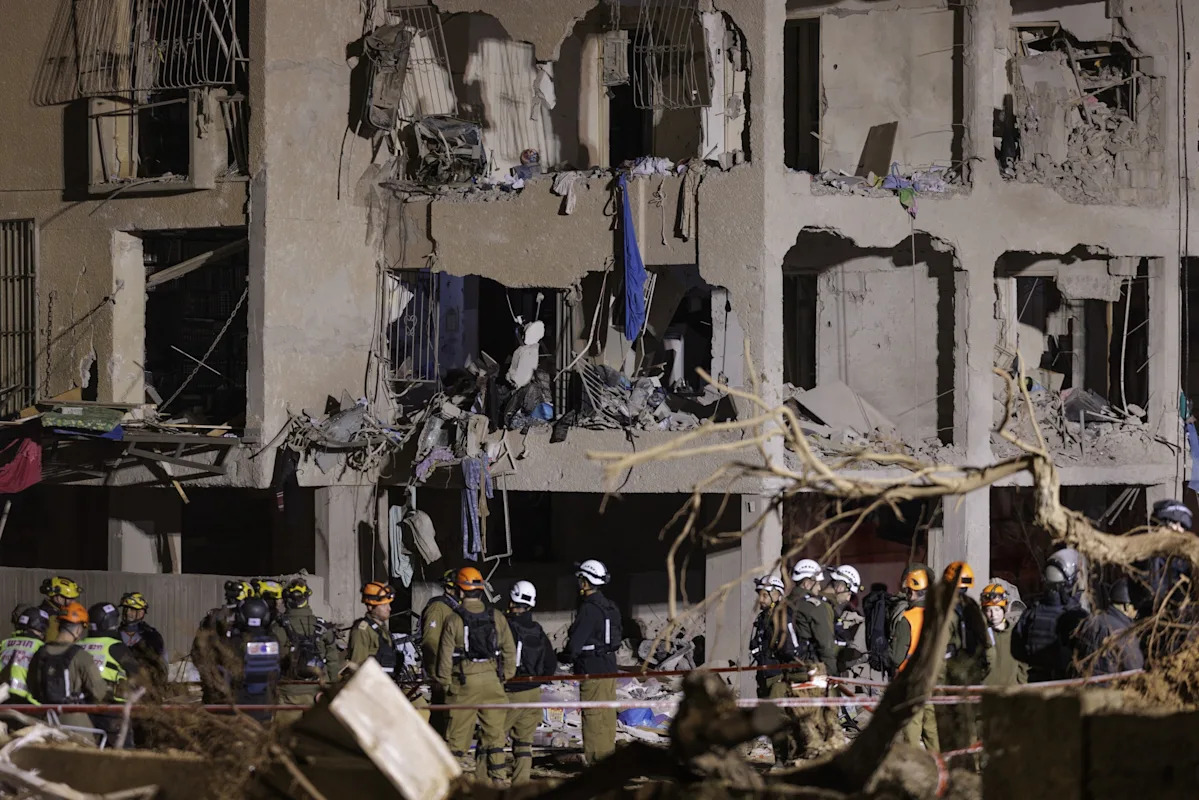
Middle East Conflict Impacts Fertilizer Markets
Written by Emily J. Thompson, Senior Investment Analyst
Updated: 1 hour ago
0mins
Source: seekingalpha
- Supply Chain Risks: Fitch's BMI Research anticipates that the geopolitical disruptions from the Middle East conflict will pose significant challenges to fertilizer, natural gas, and sulfur flows, particularly impacting China and Morocco as spring planting approaches, limiting farmers' purchasing flexibility.
- U.S. Market Protection: While the U.S. imports fertilizer, primarily potash from Canada, it remains insulated from direct Middle Eastern supply disruptions affecting nitrogen fertilizer trade, thereby reducing immediate risks to U.S. agricultural production.
- Global Supply Shortages: Sub-Saharan Africa faces heightened supply risks due to structural constraints, while Brazil's vulnerability critically hinges on the timing of supply chain normalization relative to its Q2-Q3 purchasing window, potentially leading to shortages beyond mid-year.
- Price Volatility and Investment Opportunities: The surge in fertilizer prices triggered by the Iran conflict is providing a near-term windfall for producers, with Bank of America advising selective investment, identifying CF Industries as the biggest beneficiary of rising nitrogen prices.
Trade with 70% Backtested Accuracy
Stop guessing "Should I Buy CF?" and start using high-conviction signals backed by rigorous historical data.
Sign up today to access powerful investing tools and make smarter, data-driven decisions.
Analyst Views on CF
Wall Street analysts forecast CF stock price to fall
11 Analyst Rating
2 Buy
7 Hold
2 Sell
Hold
Current: 124.900

Low
72.00
Averages
87.55
High
100.00
Current: 124.900
Low
72.00
Averages
87.55
High
100.00
About CF
CF Industries Holdings, Inc. is a global manufacturer of hydrogen and nitrogen products. The Company is focused on decarbonizing its ammonia production network to enable low-carbon hydrogen and nitrogen products for energy, fertilizer, emissions abatement and other industrial activities. The Company's segments include Ammonia, Granular Urea, UAN, AN and Other. Ammonia segment produces anhydrous ammonia (ammonia), which is the base product that it manufactures (containing 82% nitrogen and 18% hydrogen). Granular Urea segment produces granular urea, which contains 46% nitrogen. UAN segment produces urea ammonium nitrate solution (UAN). AN segment produces ammonium nitrate (AN). Other segment primarily includes products, such as diesel exhaust fluid (DEF), urea liquor and nitric acid. Its manufacturing complexes in the United States, Canada, and the United Kingdom, a storage, transportation and distribution network in North America, and logistics capabilities enable a global reach.
About the author

Emily J. Thompson
Emily J. Thompson, a Chartered Financial Analyst (CFA) with 12 years in investment research, graduated with honors from the Wharton School. Specializing in industrial and technology stocks, she provides in-depth analysis for Intellectia’s earnings and market brief reports.

Middle East Conflict Impacts Fertilizer Markets


- Supply Chain Risks: Fitch's BMI Research anticipates that the geopolitical disruptions from the Middle East conflict will pose significant challenges to fertilizer, natural gas, and sulfur flows, particularly impacting China and Morocco as spring planting approaches, limiting farmers' purchasing flexibility.
- U.S. Market Protection: While the U.S. imports fertilizer, primarily potash from Canada, it remains insulated from direct Middle Eastern supply disruptions affecting nitrogen fertilizer trade, thereby reducing immediate risks to U.S. agricultural production.
- Global Supply Shortages: Sub-Saharan Africa faces heightened supply risks due to structural constraints, while Brazil's vulnerability critically hinges on the timing of supply chain normalization relative to its Q2-Q3 purchasing window, potentially leading to shortages beyond mid-year.
- Price Volatility and Investment Opportunities: The surge in fertilizer prices triggered by the Iran conflict is providing a near-term windfall for producers, with Bank of America advising selective investment, identifying CF Industries as the biggest beneficiary of rising nitrogen prices.
See More
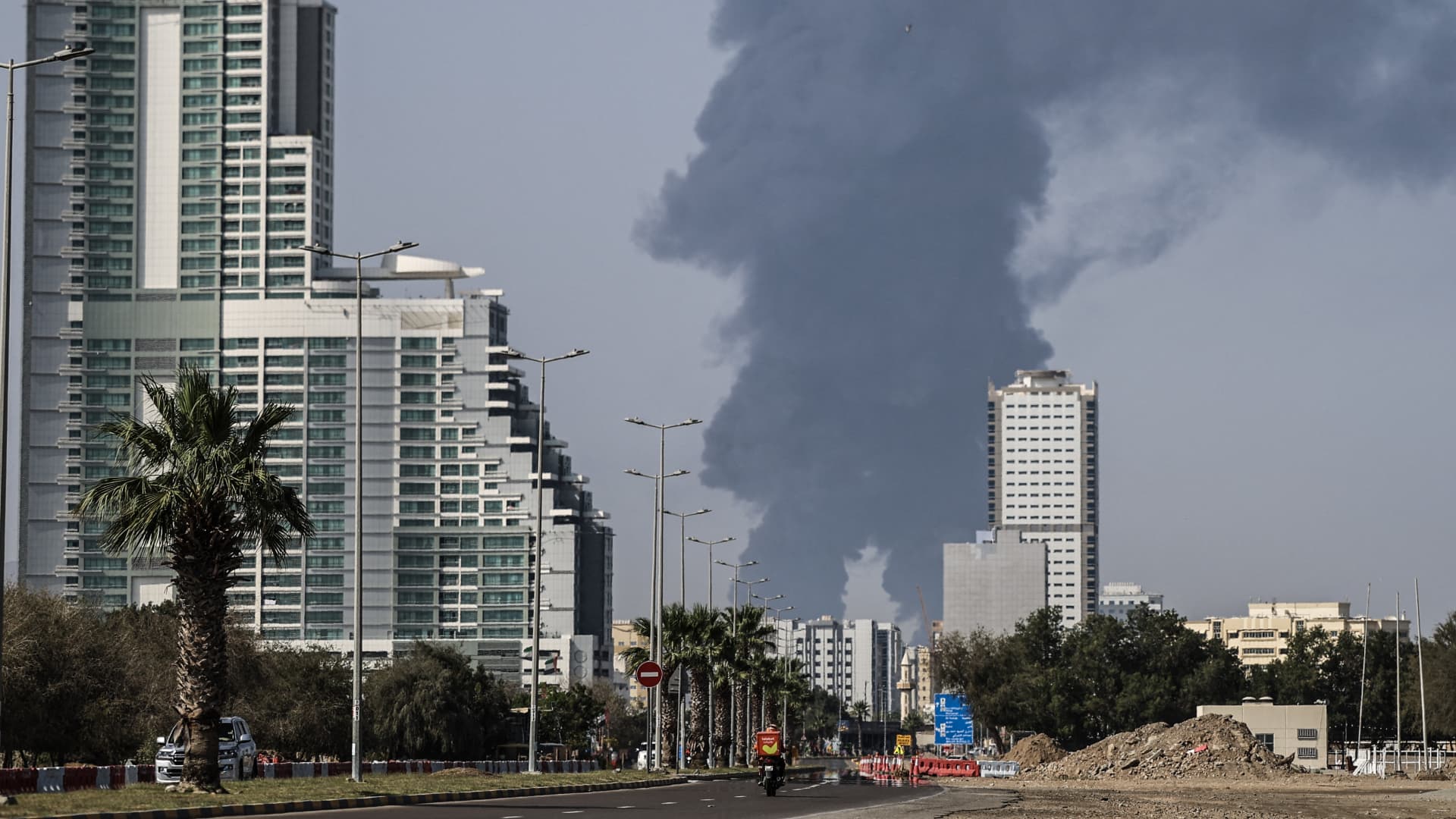
IEA Warns of Middle East Energy Crisis


- Energy Asset Damage: IEA Executive Director Fatih Birol reported that at least 40 energy assets across nine Middle Eastern countries have been 'severely or very severely' damaged since the onset of the Iran war, indicating that repairs will take considerable time and could lead to prolonged global energy supply disruptions.
- Supply Chain Disruption: The conflict has severely disrupted energy trade flows through the strategically vital Strait of Hormuz, with the IEA declaring this as the largest supply disruption in the history of the global oil market, resulting in a roughly 20% reduction in liquefied natural gas supply since February 28.
- Economic Impact Assessment: Birol noted that the fallout from the Iran war is equivalent to the combined effects of the two major oil crises of the 1970s and the 2022 gas crisis, with interruptions affecting not only oil and gas but also critical economic sectors like petrochemicals, fertilizers, and helium, which could have serious consequences for the global economy.
- Strategic Solutions: Birol emphasized that reopening the Strait of Hormuz is the 'single most important' solution to the global energy crisis, particularly as Asian countries are at the forefront of the energy shock, and the IEA is prepared to follow up its historic release of 400 million barrels of oil to stabilize the market if necessary.
See More

FMC Shares Plummet, Investors Face Challenges


- Significant Stock Decline: FMC's shares have plummeted by approximately two-thirds over the past year, currently priced at $13.11 with a market cap of $1.6 billion, reflecting severe challenges and financial distress in the agricultural chemicals sector.
- Poor Financial Performance: FMC's revenue for 2024 is reported at $4.2 billion, with an expected 8% decline to $3.9 billion in 2025, alongside a 7% drop in adjusted EBITDA and a 15% decrease in adjusted EPS, indicating a decline in profitability under pressure from weak demand and patent expirations.
- Strategic Adjustments and Dividend Cut: The management's decision to cut dividends by 86% and consider
See More

FMC Shares Plummet, Yet Potential Investment Opportunities Arise
- Significant Stock Decline: FMC's shares have plummeted by approximately two-thirds over the past year due to both industry-specific and company-specific challenges, resulting in poor financial performance and diminished investor confidence.
- Strategic Decisions and Dividend Cut: The management has opted for an 86% dividend cut and is considering 'strategic alternatives,' including a potential sale of the company, which has led to negative investor reactions and further exacerbated the stock's decline.
- Future Revenue Guidance: According to management's 2026 guidance, revenue is expected to fall by 5.2% to $3.6 billion, with adjusted EBITDA projected between $670 million and $730 million, indicating ongoing financial pressures for the company.
- Potential Catalysts: Despite facing numerous challenges, FMC has two potential catalysts that could play out over the next year, including the launch of a new wave of patented crop protection products, although the market impact of these products may take years to materialize.
See More

Iran War: A Major Threat to Global Energy Security

- Global Energy Security Threat: IEA Executive Director Faith Birol described the Iran war as the greatest global energy security threat in history, indicating that even if the conflict ends soon, restoring lost production could take months, likely disrupting global markets for an extended period.
- Asian Markets Impacted: Asian economies like Japan and South Korea, which heavily rely on oil and gas from the Persian Gulf, are significantly affected by rising prices and the blockage of the Strait of Hormuz, with the iShares MSCI South Korea ETF down 17% since the war began, indicating ongoing pressure on these markets.
- Cyclical Stocks Decline: The war has heightened inflation and recession risks, leading to significant declines in cyclical stocks, particularly in the industrial sector, which are sensitive to rising fuel prices, while discretionary stocks have also fallen nearly 10%, reflecting broader economic concerns.
- Energy Stocks Benefit: While many stocks are struggling, energy stocks are benefiting from the surge in oil and gas prices, with Cheniere Energy, a liquefied natural gas exporter, rising about 20% since the war started, highlighting the sector's resilience amid the turmoil.
See More

IEA Warns of Historic Energy Security Threat from Iran Conflict
- Surging Energy Prices: Oil and gas prices have surged due to damage to energy infrastructure, with IEA's Faith Birol warning that elevated prices may persist, impacting operational costs and profitability across various sectors.
- Increased Market Volatility: As the Iran conflict continues, cyclical stocks, particularly in industrials, have seen significant declines, while energy and commodity stocks have thrived, prompting investors to prepare for volatility and potential buying opportunities in the future.
- Production Recovery Challenges: Birol noted that even if the conflict ends quickly, restoring lost production could take months, indicating that global markets will face prolonged disruptions with numerous externalities at play.
- Cautious Investment Advice: While the short-term performance of energy and commodity stocks may entice investors, the ongoing uncertainty of the war suggests maintaining cash reserves to capitalize on potential investment opportunities during market corrections.
See More
Middle East Conflict Impacts Fertilizer Markets
- Supply Chain Risks: Fitch's BMI Research anticipates that the geopolitical disruptions from the Middle East conflict will pose significant challenges to fertilizer, natural gas, and sulfur flows, particularly impacting China and Morocco as spring planting approaches, limiting farmers' purchasing flexibility.
- U.S. Market Protection: While the U.S. imports fertilizer, primarily potash from Canada, it remains insulated from direct Middle Eastern supply disruptions affecting nitrogen fertilizer trade, thereby reducing immediate risks to U.S. agricultural production.
- Global Supply Shortages: Sub-Saharan Africa faces heightened supply risks due to structural constraints, while Brazil's vulnerability critically hinges on the timing of supply chain normalization relative to its Q2-Q3 purchasing window, potentially leading to shortages beyond mid-year.
- Price Volatility and Investment Opportunities: The surge in fertilizer prices triggered by the Iran conflict is providing a near-term windfall for producers, with Bank of America advising selective investment, identifying CF Industries as the biggest beneficiary of rising nitrogen prices.
See More
IEA Warns of Middle East Energy Crisis
- Energy Asset Damage: IEA Executive Director Fatih Birol reported that at least 40 energy assets across nine Middle Eastern countries have been 'severely or very severely' damaged since the onset of the Iran war, indicating that repairs will take considerable time and could lead to prolonged global energy supply disruptions.
- Supply Chain Disruption: The conflict has severely disrupted energy trade flows through the strategically vital Strait of Hormuz, with the IEA declaring this as the largest supply disruption in the history of the global oil market, resulting in a roughly 20% reduction in liquefied natural gas supply since February 28.
- Economic Impact Assessment: Birol noted that the fallout from the Iran war is equivalent to the combined effects of the two major oil crises of the 1970s and the 2022 gas crisis, with interruptions affecting not only oil and gas but also critical economic sectors like petrochemicals, fertilizers, and helium, which could have serious consequences for the global economy.
- Strategic Solutions: Birol emphasized that reopening the Strait of Hormuz is the 'single most important' solution to the global energy crisis, particularly as Asian countries are at the forefront of the energy shock, and the IEA is prepared to follow up its historic release of 400 million barrels of oil to stabilize the market if necessary.
See More
FMC Shares Plummet, Investors Face Challenges
- Significant Stock Decline: FMC's shares have plummeted by approximately two-thirds over the past year, currently priced at $13.11 with a market cap of $1.6 billion, reflecting severe challenges and financial distress in the agricultural chemicals sector.
- Poor Financial Performance: FMC's revenue for 2024 is reported at $4.2 billion, with an expected 8% decline to $3.9 billion in 2025, alongside a 7% drop in adjusted EBITDA and a 15% decrease in adjusted EPS, indicating a decline in profitability under pressure from weak demand and patent expirations.
- Strategic Adjustments and Dividend Cut: The management's decision to cut dividends by 86% and consider
See More
FMC Shares Plummet, Yet Potential Investment Opportunities Arise
- Significant Stock Decline: FMC's shares have plummeted by approximately two-thirds over the past year due to both industry-specific and company-specific challenges, resulting in poor financial performance and diminished investor confidence.
- Strategic Decisions and Dividend Cut: The management has opted for an 86% dividend cut and is considering 'strategic alternatives,' including a potential sale of the company, which has led to negative investor reactions and further exacerbated the stock's decline.
- Future Revenue Guidance: According to management's 2026 guidance, revenue is expected to fall by 5.2% to $3.6 billion, with adjusted EBITDA projected between $670 million and $730 million, indicating ongoing financial pressures for the company.
- Potential Catalysts: Despite facing numerous challenges, FMC has two potential catalysts that could play out over the next year, including the launch of a new wave of patented crop protection products, although the market impact of these products may take years to materialize.
See More
Iran War: A Major Threat to Global Energy Security
- Global Energy Security Threat: IEA Executive Director Faith Birol described the Iran war as the greatest global energy security threat in history, indicating that even if the conflict ends soon, restoring lost production could take months, likely disrupting global markets for an extended period.
- Asian Markets Impacted: Asian economies like Japan and South Korea, which heavily rely on oil and gas from the Persian Gulf, are significantly affected by rising prices and the blockage of the Strait of Hormuz, with the iShares MSCI South Korea ETF down 17% since the war began, indicating ongoing pressure on these markets.
- Cyclical Stocks Decline: The war has heightened inflation and recession risks, leading to significant declines in cyclical stocks, particularly in the industrial sector, which are sensitive to rising fuel prices, while discretionary stocks have also fallen nearly 10%, reflecting broader economic concerns.
- Energy Stocks Benefit: While many stocks are struggling, energy stocks are benefiting from the surge in oil and gas prices, with Cheniere Energy, a liquefied natural gas exporter, rising about 20% since the war started, highlighting the sector's resilience amid the turmoil.
See More
IEA Warns of Historic Energy Security Threat from Iran Conflict
- Surging Energy Prices: Oil and gas prices have surged due to damage to energy infrastructure, with IEA's Faith Birol warning that elevated prices may persist, impacting operational costs and profitability across various sectors.
- Increased Market Volatility: As the Iran conflict continues, cyclical stocks, particularly in industrials, have seen significant declines, while energy and commodity stocks have thrived, prompting investors to prepare for volatility and potential buying opportunities in the future.
- Production Recovery Challenges: Birol noted that even if the conflict ends quickly, restoring lost production could take months, indicating that global markets will face prolonged disruptions with numerous externalities at play.
- Cautious Investment Advice: While the short-term performance of energy and commodity stocks may entice investors, the ongoing uncertainty of the war suggests maintaining cash reserves to capitalize on potential investment opportunities during market corrections.
See More