Middle East Conflict Impacts Asian Markets
Written by Emily J. Thompson, Senior Investment Analyst
Updated: 1 hour ago
0mins

Source: CNBC
- Market Reaction: Japan's Nikkei 225 rose by 0.62% and South Korea's Kospi increased by 1.8%, indicating investor sensitivity to the Middle East situation, even as most Asian markets were closed for holidays.
- Oil Price Fluctuations: U.S. West Texas Intermediate prices increased by 2.57% to $114.11 per barrel, while the international benchmark Brent crude rose by 2.62%, reflecting market concerns about the Middle East conflict and its potential impact on global supply.
- Trump's Threats: President Trump issued threats to attack Iran's power plants and civilian infrastructure starting Tuesday if Tehran fails to fully reopen the Strait of Hormuz, a move that could escalate regional tensions.
- OPEC Production Increase: The Organization of the Petroleum Exporting Countries and allies raised their production quotas by 206,000 barrels per day for May, although this move appeared largely symbolic due to shipping constraints caused by the ongoing war.
Trade with 70% Backtested Accuracy
Stop guessing "Should I Buy MPC?" and start using high-conviction signals backed by rigorous historical data.
Sign up today to access powerful investing tools and make smarter, data-driven decisions.
Analyst Views on MPC
Wall Street analysts forecast MPC stock price to fall
14 Analyst Rating
9 Buy
5 Hold
0 Sell
Moderate Buy
Current: 238.160

Low
184.00
Averages
201.50
High
213.00
Current: 238.160
Low
184.00
Averages
201.50
High
213.00
About MPC
Marathon Petroleum Corporation is an integrated, downstream energy company. The Company’s segments include Refining & Marketing, Midstream and Renewable Diesel. The Refining & Marketing segment refines crude oil and other feedstocks at its refineries in the Gulf Coast, Mid-Continent and West Coast regions of the United States. It sells refined products to wholesale marketing customers domestically and internationally, to buyers on the spot market, and to independent entrepreneurs who operate primarily Marathon branded outlets. The Midstream segment gathers, transports, stores and distributes crude oil, refined products, including renewable diesel, and other hydrocarbon-based products, principally for the Refining & Marketing segment via refining logistics assets, pipelines, terminals, and others. The Renewable Diesel segment processes renewable feedstocks into renewable diesel, markets renewable diesel and distributes renewable products through its Midstream segment and third parties.
About the author

Emily J. Thompson
Emily J. Thompson, a Chartered Financial Analyst (CFA) with 12 years in investment research, graduated with honors from the Wharton School. Specializing in industrial and technology stocks, she provides in-depth analysis for Intellectia’s earnings and market brief reports.
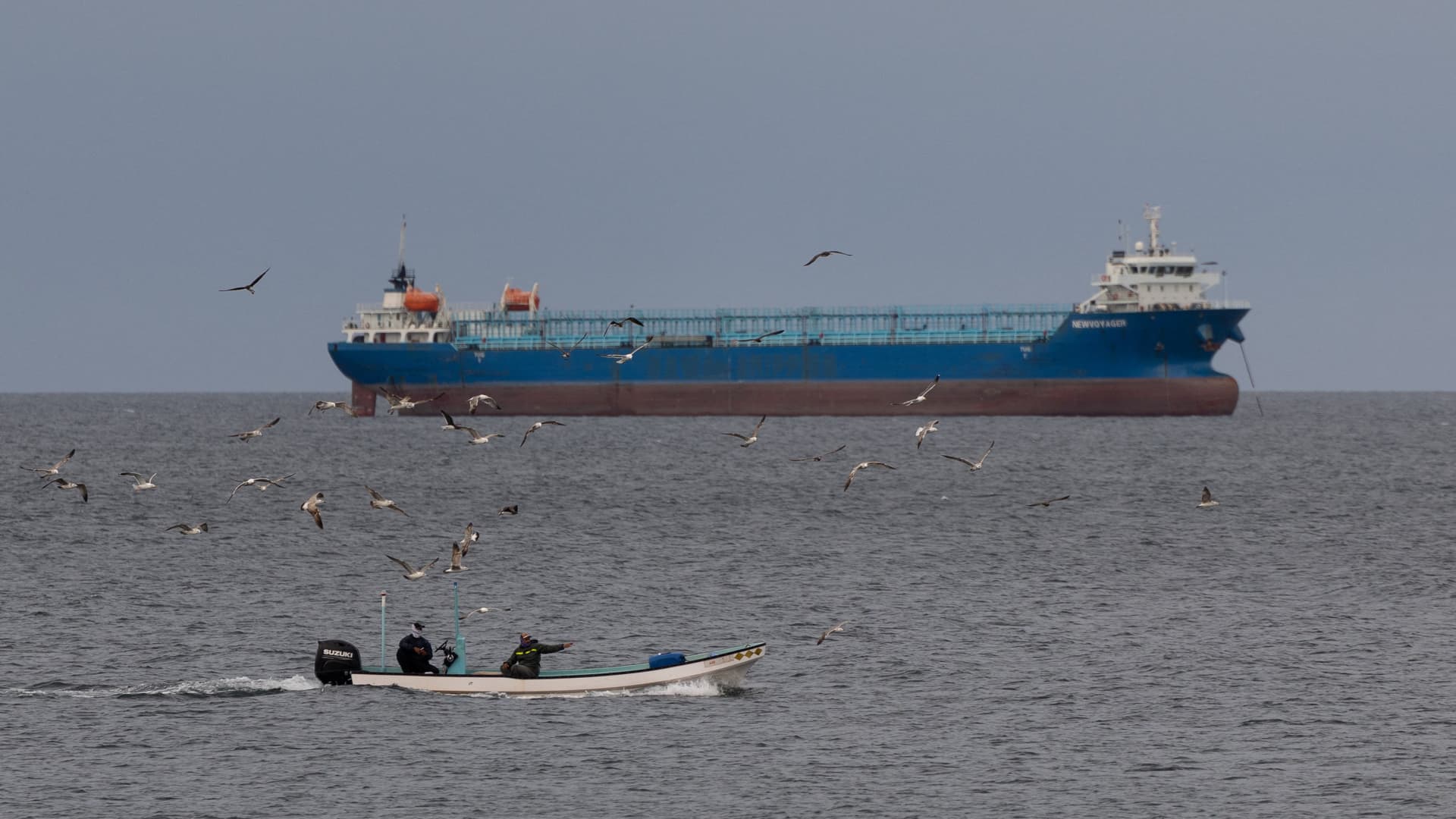
Middle East Conflict Impacts Asian Markets


- Market Reaction: Japan's Nikkei 225 rose by 0.62% and South Korea's Kospi increased by 1.8%, indicating investor sensitivity to the Middle East situation, even as most Asian markets were closed for holidays.
- Oil Price Fluctuations: U.S. West Texas Intermediate prices increased by 2.57% to $114.11 per barrel, while the international benchmark Brent crude rose by 2.62%, reflecting market concerns about the Middle East conflict and its potential impact on global supply.
- Trump's Threats: President Trump issued threats to attack Iran's power plants and civilian infrastructure starting Tuesday if Tehran fails to fully reopen the Strait of Hormuz, a move that could escalate regional tensions.
- OPEC Production Increase: The Organization of the Petroleum Exporting Countries and allies raised their production quotas by 206,000 barrels per day for May, although this move appeared largely symbolic due to shipping constraints caused by the ongoing war.
See More
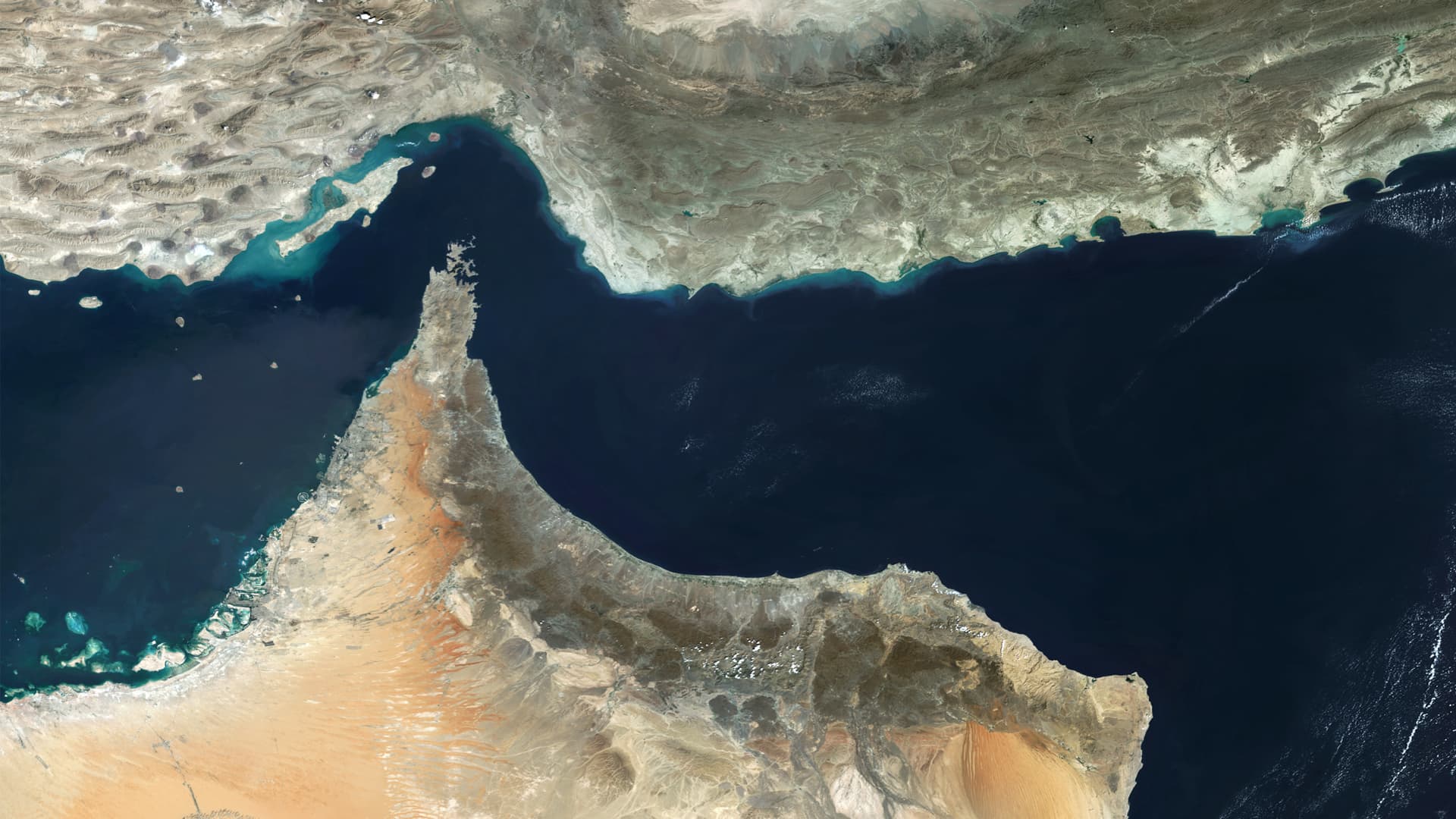
Escalating Strait of Hormuz Situation Drives Oil Prices Higher


- Oil Price Surge: U.S. crude oil prices rose 2.35% to $114.16 per barrel on Sunday, while international benchmark Brent prices increased 1.72% to $110.91 per barrel, reflecting strong market reactions to supply disruptions.
- Trump's Threat: President Trump threatened Iran via social media, demanding the opening of the Strait of Hormuz by Tuesday or face attacks on its power plants, which has heightened market uncertainty.
- Supply Disruption Impact: The closure of the Strait is expected to result in nearly 1 billion barrels of oil lost by the end of the month, including 600 million barrels of crude and 350 million barrels of refined products, marking the largest oil supply disruption in history.
- OPEC+ Production Increase: The eight members of OPEC+ agreed to increase production by 206,000 barrels per day in May, but uncertainties remain regarding how this oil will reach global markets while the Strait remains closed.
See More
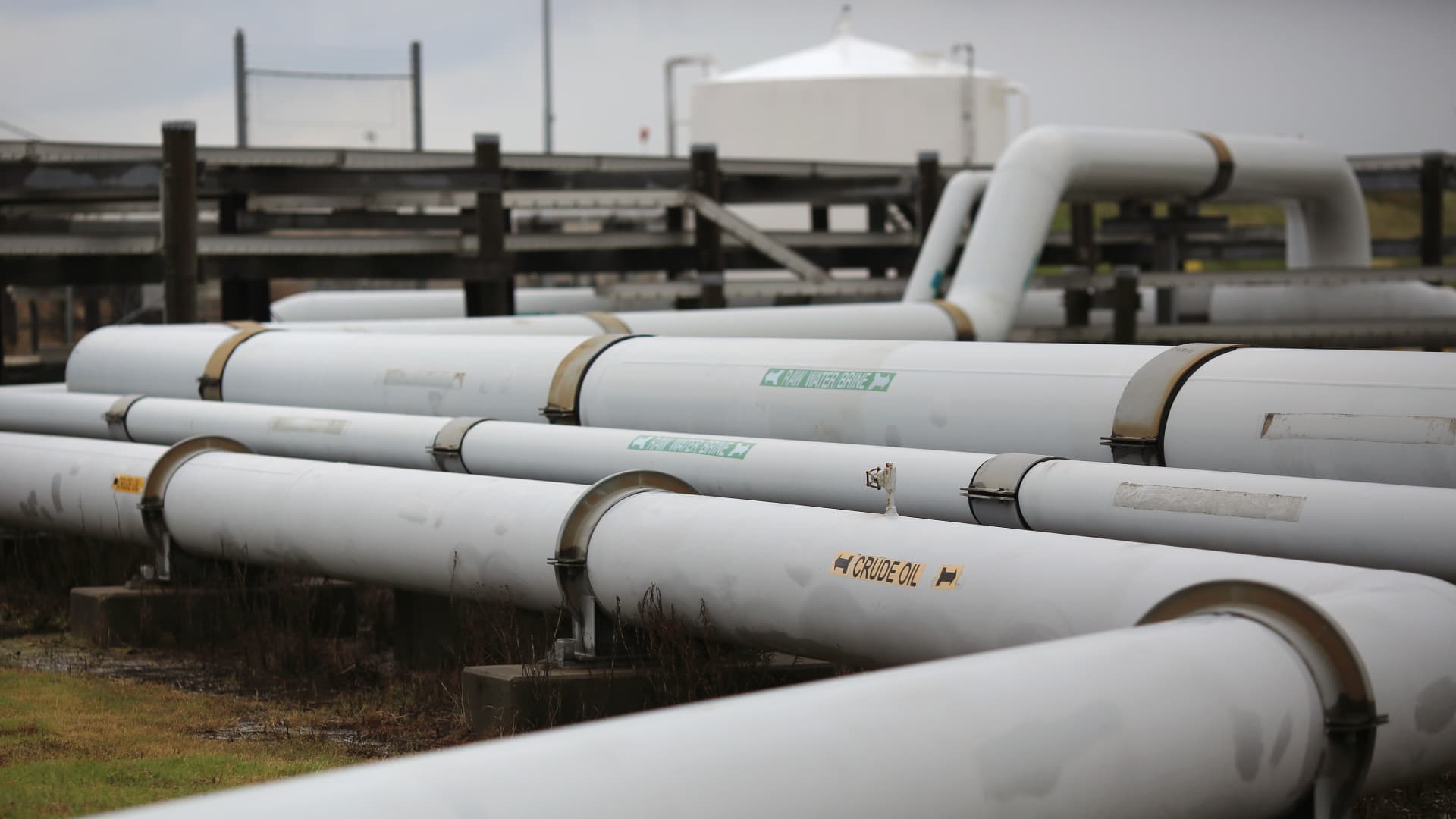
U.S. Crude Oil Contract Hits Historic Premium


- Historic Premium: The nearest U.S. crude oil delivery contract traded at a historic premium, with May West Texas Intermediate prices rising over 11% to close at $111.54 per barrel, more than $13 above the June price, indicating market expectations of tight future supply.
- Price Volatility Impact: Following President Trump's declaration of military action against Iran, oil prices experienced significant volatility, closing at $100.12 per barrel on Wednesday before rebounding sharply, reflecting investor disappointment over the lack of a quick resolution to the conflict.
- Brent Oil Surge: The spot price for Brent crude soared to $141.36 per barrel, the highest since the 2008 financial crisis, indicating strong market demand and tight physical supply due to the disruption caused by Iran's closure of the Strait of Hormuz.
- Market Sentiment Shift: The market's reaction to Trump's speech revealed a shift in investor sentiment, with many shorts covering positions after the address, leading to a rise in May contract prices and reflecting an optimistic outlook for future oil prices.
See More

Trump's Speech Triggers Surge in Oil Prices
- Prolonged Conflict Impact: Trump's speech indicated that the war with Iran will continue for weeks, with nearly 1 billion barrels of oil expected to be lost by the end of the month, including 600 million barrels of crude and 350 million barrels of refined products, exacerbating deep disruptions to global energy supplies and causing oil prices to surge over 10%.
- Market Reaction: Brent crude prices jumped more than 6% to exceed $107 following Trump's remarks, as the market rapidly priced in expectations of a prolonged conflict, with buyers in Houston willing to pay nearly $120, reflecting concerns over future supply tightness.
- Inventory Pressure: With the ongoing war, a total loss of 630 million barrels of oil and products is forecasted by the end of June, leading to inventory pressures that could see onshore stocks drop to multi-year lows as early as August, intensifying physical tightness in the global market.
- Fuel Shortage Warning: Shell's CEO warned that fuel shortages will first hit South Asia, followed by Southeast Asia and Europe, with U.S. retail gasoline prices expected to surge to $4.25 to $4.45 per gallon in the next two weeks, while diesel prices could rise to $5.80 to $6.05.
See More

Stock Markets Pressured by Soaring Oil Prices


- Oil Price Surge Pressures Markets: Stock indexes are under pressure as crude oil prices soar over 8% following President Trump's aggressive stance on Iran, leading to a 0.06% drop in the S&P 500, a 0.23% decline in the Dow, and a 0.20% fall in the Nasdaq 100, indicating heightened inflation concerns among investors.
- Unexpected Jobless Claims Drop: Despite market pressures, initial jobless claims fell by 9,000 to 202,000, indicating a stronger labor market than anticipated, which may provide some support for stocks and alleviate investor fears of an economic slowdown.
- Divergent Energy Sector Performance: Energy producers like Diamondback Energy rose over 2% due to soaring WTI prices, while airline stocks such as American Airlines and Carnival fell more than 4% as rising fuel costs cut into profits, highlighting a clear divergence across sectors.
- Tech Stocks Decline: Chipmakers and AI infrastructure stocks retreated, with ARM Holdings leading the Nasdaq 100 down over 5%, reflecting waning confidence in tech stocks and potentially impacting future investment decisions.
See More

Trump Claims Iran War Will End Soon Amid Oil Price Surge
- Oil Price Surge: Since the U.S. and Israel launched strikes on Iran on February 28, global benchmark Brent crude oil prices have surged over 60% in March, marking the largest monthly gain since the 1980s, indicating the war's profound impact on the global energy market.
- Demand Destruction Risk: High oil prices could lead to significant declines in fuel demand in the U.S. and emerging markets, with analysts warning that prolonged low Middle Eastern oil exports may push consumers towards electric or more fuel-efficient vehicles, thereby affecting overall market demand.
- Market Reaction: Following Trump's speech claiming the war would end in 2-3 weeks, oil prices spiked, with Brent crude rising over 6.5% to around $107.79 per barrel, reflecting market concerns over future supply.
- Government Interventions: Countries like Germany and Australia have implemented measures to curb rising fuel prices, with Germany limiting daily price hikes at gas stations and Australia launching a national fuel security plan, highlighting governments' focus on potential energy crises.
See More
Middle East Conflict Impacts Asian Markets
- Market Reaction: Japan's Nikkei 225 rose by 0.62% and South Korea's Kospi increased by 1.8%, indicating investor sensitivity to the Middle East situation, even as most Asian markets were closed for holidays.
- Oil Price Fluctuations: U.S. West Texas Intermediate prices increased by 2.57% to $114.11 per barrel, while the international benchmark Brent crude rose by 2.62%, reflecting market concerns about the Middle East conflict and its potential impact on global supply.
- Trump's Threats: President Trump issued threats to attack Iran's power plants and civilian infrastructure starting Tuesday if Tehran fails to fully reopen the Strait of Hormuz, a move that could escalate regional tensions.
- OPEC Production Increase: The Organization of the Petroleum Exporting Countries and allies raised their production quotas by 206,000 barrels per day for May, although this move appeared largely symbolic due to shipping constraints caused by the ongoing war.
See More
Escalating Strait of Hormuz Situation Drives Oil Prices Higher
- Oil Price Surge: U.S. crude oil prices rose 2.35% to $114.16 per barrel on Sunday, while international benchmark Brent prices increased 1.72% to $110.91 per barrel, reflecting strong market reactions to supply disruptions.
- Trump's Threat: President Trump threatened Iran via social media, demanding the opening of the Strait of Hormuz by Tuesday or face attacks on its power plants, which has heightened market uncertainty.
- Supply Disruption Impact: The closure of the Strait is expected to result in nearly 1 billion barrels of oil lost by the end of the month, including 600 million barrels of crude and 350 million barrels of refined products, marking the largest oil supply disruption in history.
- OPEC+ Production Increase: The eight members of OPEC+ agreed to increase production by 206,000 barrels per day in May, but uncertainties remain regarding how this oil will reach global markets while the Strait remains closed.
See More
U.S. Crude Oil Contract Hits Historic Premium
- Historic Premium: The nearest U.S. crude oil delivery contract traded at a historic premium, with May West Texas Intermediate prices rising over 11% to close at $111.54 per barrel, more than $13 above the June price, indicating market expectations of tight future supply.
- Price Volatility Impact: Following President Trump's declaration of military action against Iran, oil prices experienced significant volatility, closing at $100.12 per barrel on Wednesday before rebounding sharply, reflecting investor disappointment over the lack of a quick resolution to the conflict.
- Brent Oil Surge: The spot price for Brent crude soared to $141.36 per barrel, the highest since the 2008 financial crisis, indicating strong market demand and tight physical supply due to the disruption caused by Iran's closure of the Strait of Hormuz.
- Market Sentiment Shift: The market's reaction to Trump's speech revealed a shift in investor sentiment, with many shorts covering positions after the address, leading to a rise in May contract prices and reflecting an optimistic outlook for future oil prices.
See More
Trump's Speech Triggers Surge in Oil Prices
- Prolonged Conflict Impact: Trump's speech indicated that the war with Iran will continue for weeks, with nearly 1 billion barrels of oil expected to be lost by the end of the month, including 600 million barrels of crude and 350 million barrels of refined products, exacerbating deep disruptions to global energy supplies and causing oil prices to surge over 10%.
- Market Reaction: Brent crude prices jumped more than 6% to exceed $107 following Trump's remarks, as the market rapidly priced in expectations of a prolonged conflict, with buyers in Houston willing to pay nearly $120, reflecting concerns over future supply tightness.
- Inventory Pressure: With the ongoing war, a total loss of 630 million barrels of oil and products is forecasted by the end of June, leading to inventory pressures that could see onshore stocks drop to multi-year lows as early as August, intensifying physical tightness in the global market.
- Fuel Shortage Warning: Shell's CEO warned that fuel shortages will first hit South Asia, followed by Southeast Asia and Europe, with U.S. retail gasoline prices expected to surge to $4.25 to $4.45 per gallon in the next two weeks, while diesel prices could rise to $5.80 to $6.05.
See More
Stock Markets Pressured by Soaring Oil Prices
- Oil Price Surge Pressures Markets: Stock indexes are under pressure as crude oil prices soar over 8% following President Trump's aggressive stance on Iran, leading to a 0.06% drop in the S&P 500, a 0.23% decline in the Dow, and a 0.20% fall in the Nasdaq 100, indicating heightened inflation concerns among investors.
- Unexpected Jobless Claims Drop: Despite market pressures, initial jobless claims fell by 9,000 to 202,000, indicating a stronger labor market than anticipated, which may provide some support for stocks and alleviate investor fears of an economic slowdown.
- Divergent Energy Sector Performance: Energy producers like Diamondback Energy rose over 2% due to soaring WTI prices, while airline stocks such as American Airlines and Carnival fell more than 4% as rising fuel costs cut into profits, highlighting a clear divergence across sectors.
- Tech Stocks Decline: Chipmakers and AI infrastructure stocks retreated, with ARM Holdings leading the Nasdaq 100 down over 5%, reflecting waning confidence in tech stocks and potentially impacting future investment decisions.
See More
Trump Claims Iran War Will End Soon Amid Oil Price Surge
- Oil Price Surge: Since the U.S. and Israel launched strikes on Iran on February 28, global benchmark Brent crude oil prices have surged over 60% in March, marking the largest monthly gain since the 1980s, indicating the war's profound impact on the global energy market.
- Demand Destruction Risk: High oil prices could lead to significant declines in fuel demand in the U.S. and emerging markets, with analysts warning that prolonged low Middle Eastern oil exports may push consumers towards electric or more fuel-efficient vehicles, thereby affecting overall market demand.
- Market Reaction: Following Trump's speech claiming the war would end in 2-3 weeks, oil prices spiked, with Brent crude rising over 6.5% to around $107.79 per barrel, reflecting market concerns over future supply.
- Government Interventions: Countries like Germany and Australia have implemented measures to curb rising fuel prices, with Germany limiting daily price hikes at gas stations and Australia launching a national fuel security plan, highlighting governments' focus on potential energy crises.
See More