Market Volatility and the Impact of Rising Oil Prices
Written by Emily J. Thompson, Senior Investment Analyst
Updated: 1 hour ago
0mins

Should l Buy KBH?
Source: CNBC
- Market Downward Pressure: The S&P 500 has dropped 7% recently due to military actions by the U.S. and Israel against Iran, while the Dow and Nasdaq have entered correction territory, indicating the market's sensitivity to geopolitical risks.
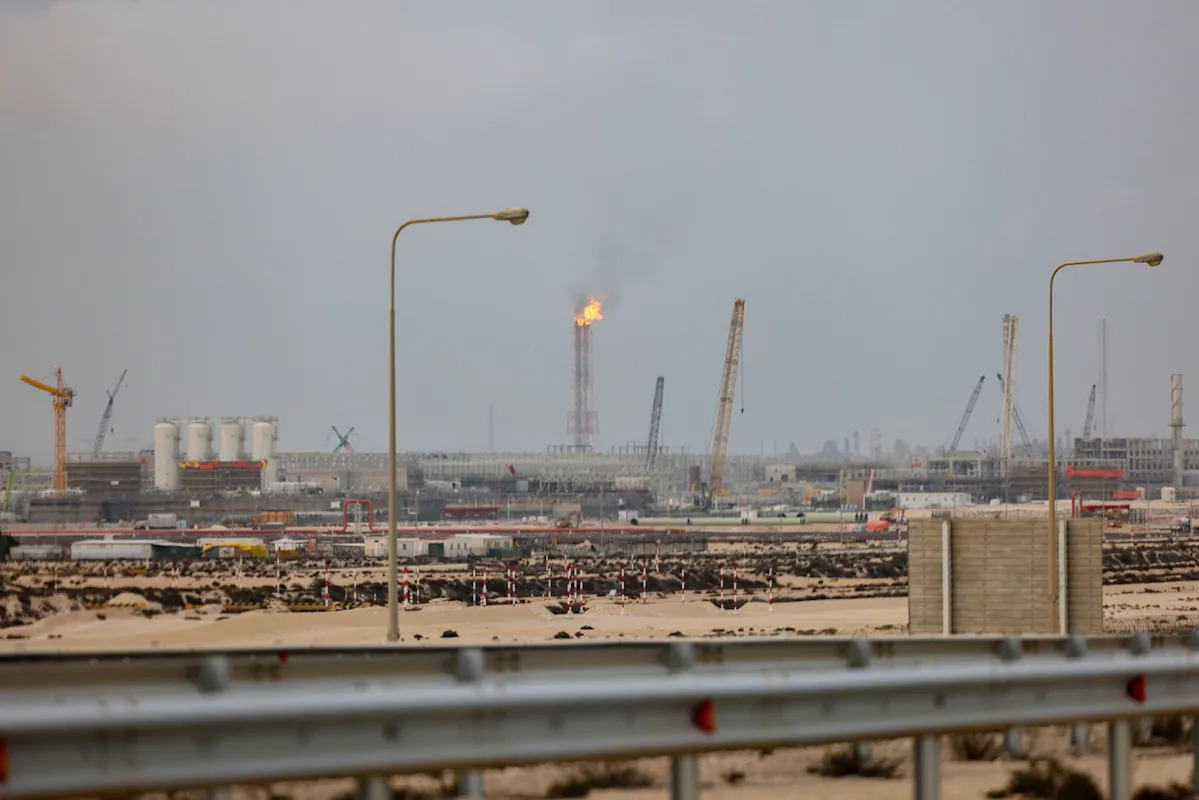
- Surging Oil Prices: Brent crude oil rose over 3% on Friday, closing at $112.19 per barrel, marking the highest level since July 2022, with an 8.8% increase for the week, adding further downward pressure on the stock market.
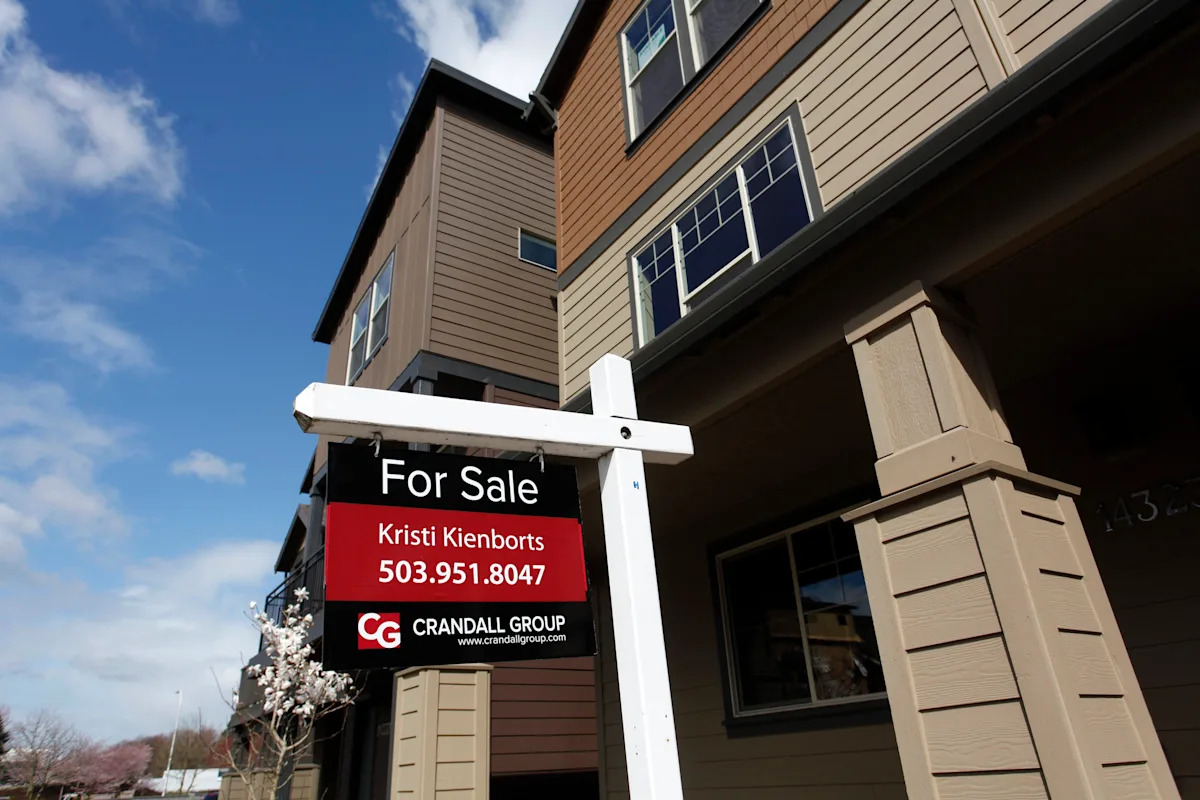
- Weak Housing Market: KB Home is set to report earnings on Tuesday, which is expected to reflect the negative impact of high mortgage rates on home sales, with Cramer suggesting this is a critical factor for economic recovery.
- Corporate Earnings Outlook: Cintas and Paychex will announce quarterly results on Wednesday, with Cramer noting that both companies have high-quality fundamentals but poor stock performance, particularly Paychex facing market pressures from artificial intelligence disruptions.
Trade with 70% Backtested Accuracy
Stop guessing "Should I Buy KBH?" and start using high-conviction signals backed by rigorous historical data.
Sign up today to access powerful investing tools and make smarter, data-driven decisions.
Analyst Views on KBH
Wall Street analysts forecast KBH stock price to rise
9 Analyst Rating
2 Buy
6 Hold
1 Sell
Hold
Current: 52.500

Low
50.00
Averages
58.38
High
71.00
Current: 52.500
Low
50.00
Averages
58.38
High
71.00
About KBH
KB Home is a homebuilding company, which builds a variety of new homes, including attached and detached single-family residential homes, townhomes and condominiums, designed primarily for first-time and first move-up, as well as second move-up and active adult homebuyers. It offers homes in development communities, in urban in-fill locations and as part of mixed-use projects. The Company's segments include homebuilding and financial services. The homebuilding segment is engaged in the acquisition and development of land primarily for residential purposes. The financial services segment offers various insurance products to its homebuyers in the markets where the Company builds homes and provides title services in certain of those markets. Its financial services also provide mortgage banking services, including residential consumer mortgage loan originations, to its homebuyers indirectly through KBHS Home Loans, LLC, an unconsolidated joint venture between the Company and a third party.
About the author

Emily J. Thompson
Emily J. Thompson, a Chartered Financial Analyst (CFA) with 12 years in investment research, graduated with honors from the Wharton School. Specializing in industrial and technology stocks, she provides in-depth analysis for Intellectia’s earnings and market brief reports.

Market Volatility and the Impact of Rising Oil Prices


- Market Downward Pressure: The S&P 500 has dropped 7% recently due to military actions by the U.S. and Israel against Iran, while the Dow and Nasdaq have entered correction territory, indicating the market's sensitivity to geopolitical risks.
- Surging Oil Prices: Brent crude oil rose over 3% on Friday, closing at $112.19 per barrel, marking the highest level since July 2022, with an 8.8% increase for the week, adding further downward pressure on the stock market.
- Weak Housing Market: KB Home is set to report earnings on Tuesday, which is expected to reflect the negative impact of high mortgage rates on home sales, with Cramer suggesting this is a critical factor for economic recovery.
- Corporate Earnings Outlook: Cintas and Paychex will announce quarterly results on Wednesday, with Cramer noting that both companies have high-quality fundamentals but poor stock performance, particularly Paychex facing market pressures from artificial intelligence disruptions.
See More

US Stocks Plunge Amid Rising Energy Costs and Geopolitical Tensions


- Market Plunge: The S&P 500 fell by 1.51%, the Dow Jones by 0.96%, and the Nasdaq 100 by 1.88%, all hitting 6.25-month lows, indicating investor concerns over rising energy costs from the Iran conflict and its potential impact on inflation and economic growth.
- Rising Bond Yields: The 10-year Treasury yield rose to 4.39%, a 7.5-month high, reflecting market fears that surging energy prices could lead to increased inflation, potentially forcing the Fed to tighten monetary policy, thereby heightening market uncertainty.
- Geopolitical Tensions: The Pentagon's preparations to deploy ground troops to Iran and the consideration of taking over Kharg Island, a key oil-export site, have escalated concerns about Middle Eastern stability, contributing to persistently high global oil prices and affecting investor confidence.
- Airline Stocks Decline: Major airlines like United Airlines, American Airlines, and Southwest Airlines saw stock declines of over 3% due to soaring fuel costs, indicating the potential erosion of corporate profits and overall profitability in the airline sector.
See More

Next Week's Market Focus: Middle East Developments and Earnings Reports


- Middle East Tensions: The U.S. is intensifying efforts to pressure Iran to reopen the Strait of Hormuz, a critical chokepoint for approximately 20% of global oil supply, which may exacerbate uncertainty in global energy markets.
- Military Escalation: American warplanes and helicopters are targeting Iranian vessels and drones, with officials indicating that full security of the waterway could take weeks, leading to sustained impacts on oil prices.
- GameStop Earnings Focus: GameStop is set to report its fourth-quarter results on Tuesday, with notable investor Michael Burry increasing his stake, raising market interest in the stock's long-term value potential.
- KB Home Earnings Outlook: KB Home will also announce results on Tuesday, with analysts projecting a sharp earnings drop of over 60% and a 20% year-over-year revenue decline, providing critical insights into the U.S. housing market.
See More

U.S. Stocks Decline Amid Rising Energy Costs and Inflation Fears

- Market Decline: The S&P 500 Index fell by 0.88% and the Nasdaq 100 Index dropped by 1.22%, both reaching 3.75-month lows, indicating market concerns over rising energy costs potentially impacting economic growth and inflation.
- Rising Bond Yields: The 10-year Treasury note yield rose to 4.38%, a 7.5-month high, reflecting market fears that surging energy prices from the Iran conflict will boost inflation and may force the Fed to tighten monetary policy.
- Escalating International Tensions: The Iran war has entered its 21st day with attacks on neighboring countries, leading Kuwait to shut down refinery units and Saudi Arabia and the UAE intercepting Iranian missiles, worsening market sentiment and increasing investor anxiety.
- Increased Market Volatility: With the quarterly triple witching event, approximately $5.7 trillion in options and derivatives are set to expire, potentially heightening market volatility and further intensifying investor unease.
See More

Spring Market Dynamics in U.S. Real Estate


- Rising Mortgage Rates: The U.S. 30-year fixed mortgage rate surged to 6.53% on the first day of spring due to rising oil prices from the Iran war, just 18 basis points lower than last year, which will impact buyer affordability and potentially dampen market activity.
- Supply-Demand Imbalance: While active inventory rose 5.6% year-over-year, new listings fell by 1.4%, indicating homes are sitting unsold as potential sellers hold back due to war concerns, creating a tense supply-demand dynamic.
- Regional Disparities: Cities like Las Vegas and Washington D.C. saw active listings increase over 20% year-over-year, while areas like San Francisco and Miami experienced declines, highlighting significant market fragmentation and imbalance.
- New Construction Challenges: Builders are grappling with a 9.7-month supply of homes due to the lowest sales levels since 2022, and although many are cutting prices in March to attract buyers, high land and construction costs remain major hurdles.
See More
New Home Sales Plummet Amid Rising Inventory


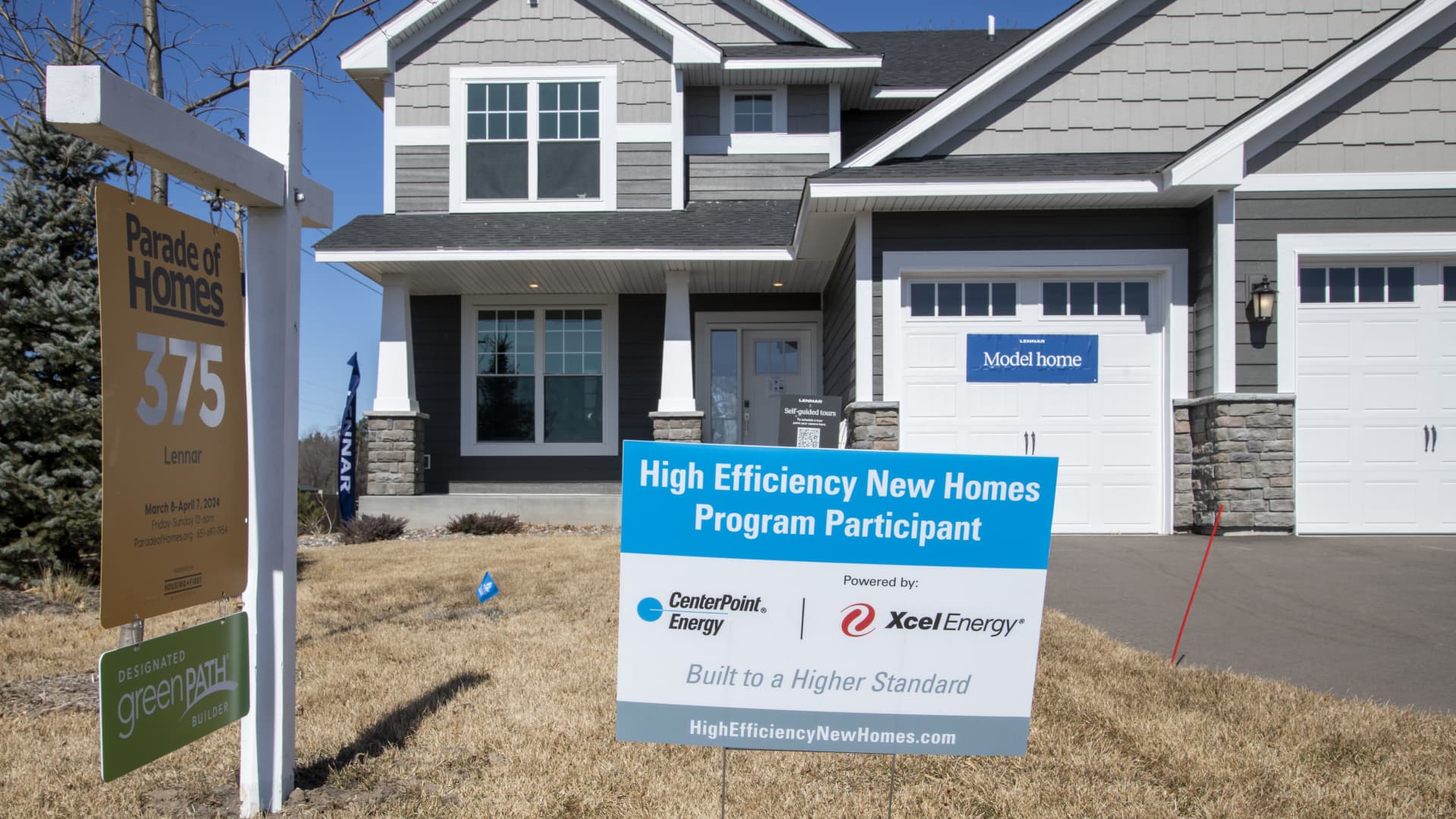
- Significant Sales Decline: According to the U.S. Census Bureau, new home sales dropped 17.6% month-over-month in January, reaching an annualized pace of 587,000 units, marking the slowest rate since 2022 and indicating a weakening market demand.
- Inventory Surge: The inventory of homes for sale rose to a 9.7-month supply, up from eight months in December, reflecting a supply-demand imbalance that could lead to further price declines in the housing market.
- Price Reduction Trend: The median price of new homes sold in January was $400,500, a 6.8% year-over-year decline, indicating that builders are forced to lower prices to attract buyers amid fierce competition, which may impact future profit margins.
- Regional Sales Disparities: Sales declined nationwide, with the Northeast and Midwest experiencing the largest drops, while the West saw nearly a 22% decrease from December, suggesting that weather factors had limited impact and highlighting deeper market issues.
See More
Market Volatility and the Impact of Rising Oil Prices
- Market Downward Pressure: The S&P 500 has dropped 7% recently due to military actions by the U.S. and Israel against Iran, while the Dow and Nasdaq have entered correction territory, indicating the market's sensitivity to geopolitical risks.
- Surging Oil Prices: Brent crude oil rose over 3% on Friday, closing at $112.19 per barrel, marking the highest level since July 2022, with an 8.8% increase for the week, adding further downward pressure on the stock market.
- Weak Housing Market: KB Home is set to report earnings on Tuesday, which is expected to reflect the negative impact of high mortgage rates on home sales, with Cramer suggesting this is a critical factor for economic recovery.
- Corporate Earnings Outlook: Cintas and Paychex will announce quarterly results on Wednesday, with Cramer noting that both companies have high-quality fundamentals but poor stock performance, particularly Paychex facing market pressures from artificial intelligence disruptions.
See More
US Stocks Plunge Amid Rising Energy Costs and Geopolitical Tensions
- Market Plunge: The S&P 500 fell by 1.51%, the Dow Jones by 0.96%, and the Nasdaq 100 by 1.88%, all hitting 6.25-month lows, indicating investor concerns over rising energy costs from the Iran conflict and its potential impact on inflation and economic growth.
- Rising Bond Yields: The 10-year Treasury yield rose to 4.39%, a 7.5-month high, reflecting market fears that surging energy prices could lead to increased inflation, potentially forcing the Fed to tighten monetary policy, thereby heightening market uncertainty.
- Geopolitical Tensions: The Pentagon's preparations to deploy ground troops to Iran and the consideration of taking over Kharg Island, a key oil-export site, have escalated concerns about Middle Eastern stability, contributing to persistently high global oil prices and affecting investor confidence.
- Airline Stocks Decline: Major airlines like United Airlines, American Airlines, and Southwest Airlines saw stock declines of over 3% due to soaring fuel costs, indicating the potential erosion of corporate profits and overall profitability in the airline sector.
See More
Next Week's Market Focus: Middle East Developments and Earnings Reports
- Middle East Tensions: The U.S. is intensifying efforts to pressure Iran to reopen the Strait of Hormuz, a critical chokepoint for approximately 20% of global oil supply, which may exacerbate uncertainty in global energy markets.
- Military Escalation: American warplanes and helicopters are targeting Iranian vessels and drones, with officials indicating that full security of the waterway could take weeks, leading to sustained impacts on oil prices.
- GameStop Earnings Focus: GameStop is set to report its fourth-quarter results on Tuesday, with notable investor Michael Burry increasing his stake, raising market interest in the stock's long-term value potential.
- KB Home Earnings Outlook: KB Home will also announce results on Tuesday, with analysts projecting a sharp earnings drop of over 60% and a 20% year-over-year revenue decline, providing critical insights into the U.S. housing market.
See More
U.S. Stocks Decline Amid Rising Energy Costs and Inflation Fears
- Market Decline: The S&P 500 Index fell by 0.88% and the Nasdaq 100 Index dropped by 1.22%, both reaching 3.75-month lows, indicating market concerns over rising energy costs potentially impacting economic growth and inflation.
- Rising Bond Yields: The 10-year Treasury note yield rose to 4.38%, a 7.5-month high, reflecting market fears that surging energy prices from the Iran conflict will boost inflation and may force the Fed to tighten monetary policy.
- Escalating International Tensions: The Iran war has entered its 21st day with attacks on neighboring countries, leading Kuwait to shut down refinery units and Saudi Arabia and the UAE intercepting Iranian missiles, worsening market sentiment and increasing investor anxiety.
- Increased Market Volatility: With the quarterly triple witching event, approximately $5.7 trillion in options and derivatives are set to expire, potentially heightening market volatility and further intensifying investor unease.
See More
Spring Market Dynamics in U.S. Real Estate
- Rising Mortgage Rates: The U.S. 30-year fixed mortgage rate surged to 6.53% on the first day of spring due to rising oil prices from the Iran war, just 18 basis points lower than last year, which will impact buyer affordability and potentially dampen market activity.
- Supply-Demand Imbalance: While active inventory rose 5.6% year-over-year, new listings fell by 1.4%, indicating homes are sitting unsold as potential sellers hold back due to war concerns, creating a tense supply-demand dynamic.
- Regional Disparities: Cities like Las Vegas and Washington D.C. saw active listings increase over 20% year-over-year, while areas like San Francisco and Miami experienced declines, highlighting significant market fragmentation and imbalance.
- New Construction Challenges: Builders are grappling with a 9.7-month supply of homes due to the lowest sales levels since 2022, and although many are cutting prices in March to attract buyers, high land and construction costs remain major hurdles.
See More
New Home Sales Plummet Amid Rising Inventory
- Significant Sales Decline: According to the U.S. Census Bureau, new home sales dropped 17.6% month-over-month in January, reaching an annualized pace of 587,000 units, marking the slowest rate since 2022 and indicating a weakening market demand.
- Inventory Surge: The inventory of homes for sale rose to a 9.7-month supply, up from eight months in December, reflecting a supply-demand imbalance that could lead to further price declines in the housing market.
- Price Reduction Trend: The median price of new homes sold in January was $400,500, a 6.8% year-over-year decline, indicating that builders are forced to lower prices to attract buyers amid fierce competition, which may impact future profit margins.
- Regional Sales Disparities: Sales declined nationwide, with the Northeast and Midwest experiencing the largest drops, while the West saw nearly a 22% decrease from December, suggesting that weather factors had limited impact and highlighting deeper market issues.
See More