Market Rebounds as ADP Employment Data Exceeds Expectations
Written by Emily J. Thompson, Senior Investment Analyst
Updated: Mar 04 2026
0mins


Should l Buy AAPL?
Source: CNBC
- Strong Employment Data: The ADP report indicates that private payrolls increased by 63,000 in February, surpassing the Dow Jones estimate of 48,000, which suggests a robust recovery in the labor market and alleviates concerns about economic slowdown.
- Services PMI Rebound: The Institute for Supply Management's Services PMI rose to 56.1 in February, the highest level since July 2022, indicating a rebound in economic activity, while the drop in prices paid by service organizations suggests potential easing of inflationary pressures.
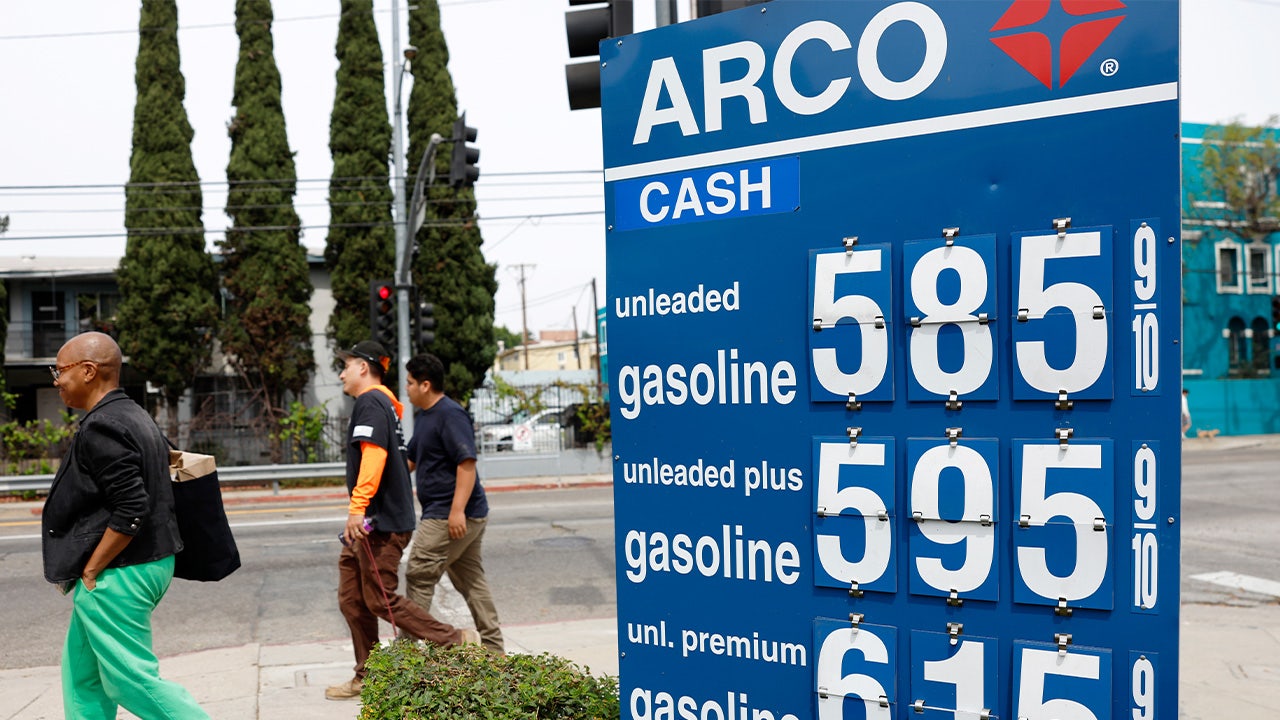
- Oil Market Volatility: Despite ongoing conflict in Iran, oil prices saw their first decline on Wednesday, reflecting market concerns over rising energy prices, and comments from the Treasury Secretary may influence the oil market and overall market sentiment.
- Apple's New Product Launch: Apple introduced the new MacBook Neo with a starting price of $599, significantly lower than other models, appealing to budget-conscious consumers and expanding its share in the lower-priced laptop market.
Trade with 70% Backtested Accuracy
Stop guessing "Should I Buy AAPL?" and start using high-conviction signals backed by rigorous historical data.
Sign up today to access powerful investing tools and make smarter, data-driven decisions.
Analyst Views on AAPL
Wall Street analysts forecast AAPL stock price to rise
27 Analyst Rating
17 Buy
9 Hold
1 Sell
Moderate Buy
Current: 246.630

Low
239.00
Averages
306.89
High
350.00
Current: 246.630
Low
239.00
Averages
306.89
High
350.00
About AAPL
Apple Inc. designs, manufactures and markets smartphones, personal computers, tablets, wearables and accessories, and sells a variety of related services. Its product categories include iPhone, Mac, iPad, and Wearables, Home and Accessories. Its software platforms include iOS, iPadOS, macOS, watchOS, visionOS, and tvOS. Its services include advertising, AppleCare, cloud services, digital content and payment services. The Company operates various platforms, including the App Store, that allow customers to discover and download applications and digital content, such as books, music, video, games and podcasts. It also offers digital content through subscription-based services, including Apple Arcade, Apple Fitness+, Apple Music, Apple News+, and Apple TV+. Its products include iPhone 16 Pro, iPhone 16, iPhone 15, iPhone 14, iPhone SE, MacBook Air, MacBook Pro, iMac, Mac mini, Mac Studio, Mac Pro, iPad Pro, iPad Air, AirPods, AirPods Pro, AirPods Max, Apple TV, Apple Vision Pro and others.
About the author

Emily J. Thompson
Emily J. Thompson, a Chartered Financial Analyst (CFA) with 12 years in investment research, graduated with honors from the Wharton School. Specializing in industrial and technology stocks, she provides in-depth analysis for Intellectia’s earnings and market brief reports.

Apple Reaches $4 Trillion Market Cap Amidst Market Volatility

- Market Milestone: Apple achieved a $4 trillion market cap by the end of 2025, joining a select group of companies, although its stock has declined by 14% from its peak, reflecting investor concerns over tech stocks.
- Sales Growth Driver: The successful launch of the iPhone 17 has propelled Apple's latest quarterly year-over-year revenue growth to nearly 16%, marking the highest growth rate in over three years, indicating that devices remain a crucial revenue source for the company.
- Service Business Outlook: With over 2.5 billion active devices and paid accounts reaching an all-time high, Apple's services segment shows significant growth potential, expected to comprise a larger share of total sales in the future, thereby enhancing profits and margins.
- Investment Value Assessment: Although Apple's price-to-earnings ratio stands at 28.8, above the industry average of 20.9, its strong brand, cash flow, and growth opportunities suggest the stock remains attractive, especially after a 14% pullback, making it a buy on the dip.
See More
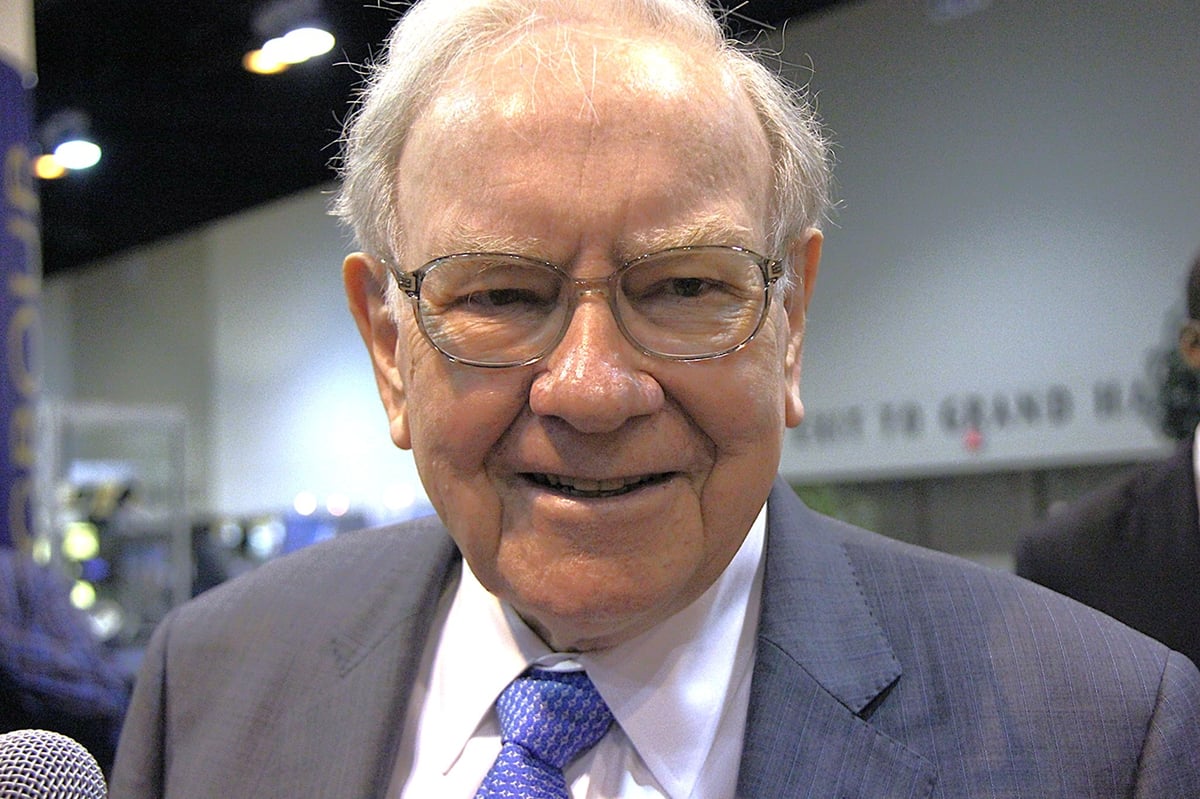
Buffett's Final Bold Investment in Chevron

- Major Investment: In his final quarter, Buffett invested over $1 billion to acquire 8 million shares of Chevron (CVX), raising Berkshire Hathaway's total stake to $19.8 billion, demonstrating his ongoing confidence in the oil and gas sector.
- Market Performance: Despite Chevron's stock lagging the S&P 500 by over 10% in 2025, Buffett's average purchase price of about $132 per share reflects his commitment to value investing principles.
- Future Potential: The capture of Venezuelan President Maduro may open new long-term opportunities for Chevron, which is the only U.S. oil major actively drilling in the country, although the situation remains unpredictable.
- Substantial Returns: With global energy prices soaring, Chevron's stock has risen 37% in 2026, resulting in a 58% return on Berkshire's latest investment, marking a final masterstroke by Buffett that is likely to yield dividends in the years to come.
See More

Buffett Boosts Berkshire's Chevron Stake to Nearly $20 Billion
- Chevron Stake Increase: In his final quarter as CEO of Berkshire Hathaway, Buffett added over 8 million shares of Chevron, raising his total investment in the company to $19.8 billion, reflecting his ongoing confidence in the oil and gas sector.
- Timely Investment: Despite Chevron's stock lagging the S&P 500 by more than 10% in 2025, Buffett purchased shares at an average price of about $132, demonstrating his keen eye for value investment opportunities.
- Market Rebound Potential: With global energy prices skyrocketing due to the closure of the Strait of Hormuz, Chevron's stock has risen 37% year-to-date in 2026, allowing Berkshire to realize a 58% return on this investment in less than six months, further solidifying Buffett's investment strategy.
- Venezuelan Opportunities: Buffett's investment may also benefit from the changing situation in Venezuela, as Chevron is the only U.S. oil major actively drilling in the country, potentially positioning the company for long-term opportunities in the region.
See More

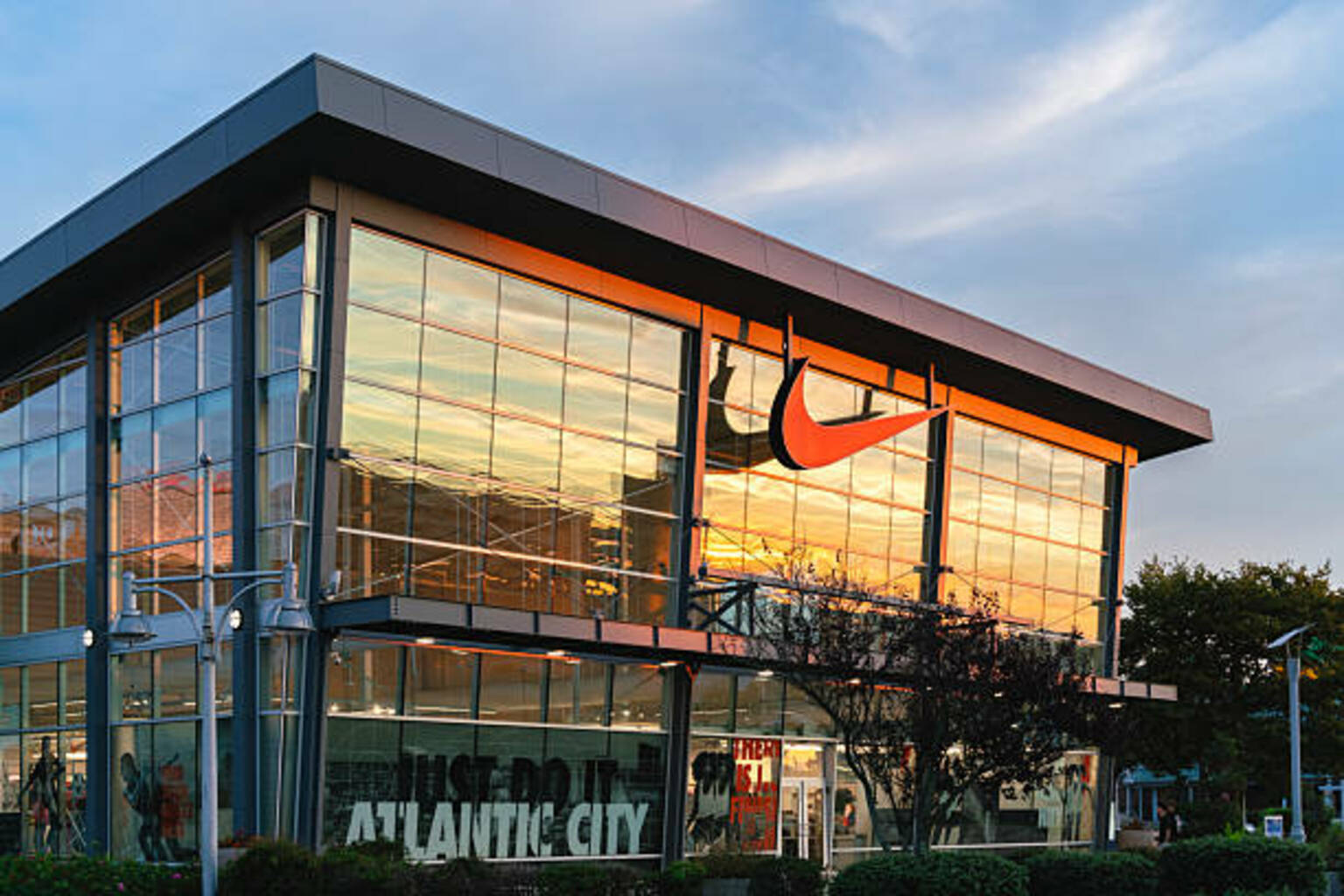
Nike Shares Plummet After Disappointing Quarterly Guidance

- Flat Revenue Performance: Nike reported total revenue of $11.28 billion for Q3 FY2026, which, while exceeding Wall Street's expectation of $11.24 billion, reflects no year-over-year growth, leading to a 9% drop in after-hours trading and highlighting the slow progress of the company's turnaround efforts.
- Declining Profitability: Earnings per share (EPS) fell to 35 cents, a 35% decrease from the previous year, although it beat the consensus estimate of 29 cents, indicating challenges in inventory clearance that impacted overall profitability and heightened market concerns about future performance.
- Chinese Market Recovery: Despite a 7% year-over-year decline in sales in China, the region's revenue of $1.62 billion surpassed analyst estimates by $100 million, suggesting a gradual recovery after a significant 17% drop in the prior quarter, yet the outlook remains bleak for future quarters.
- Bleak Future Guidance: Nike's guidance for Q4 FY2026 is disappointing again, forecasting a revenue decline of 2% to 4% and a year-over-year drop in gross margins by 25 to 75 basis points, indicating substantial challenges in the recovery process and further eroding market confidence.
See More
US Stocks Performance Review and Outlook

- Employment Data Expectations: ADP is set to release employment data at 8:15 a.m. ET, with a consensus estimate of 39,000 new jobs in the private sector, which will provide a crucial indicator of economic health and could influence investor confidence and market trends.
- Retail Sales Growth: Retail sales figures are expected to be released at 8:30 a.m., with a general forecast of a 0.5% increase, a data point that will directly impact consumer spending and the outlook for economic recovery, potentially guiding a market rebound.
- Corporate Earnings Dynamics: Cal-Maine, Conagra, and Lamb Weston are scheduled to report earnings before the bell, with Cal-Maine's stock flat over the past three months, Conagra down 9%, and Lamb Weston showing no significant change, all of which will affect investor sentiment towards the food sector.
- Market Performance Review: In the first quarter, the Russell 2000 index rose by 0.58%, making it the best performer among major indices, while the S&P 500 and Nasdaq 100 fell by 4.63% and 5.98%, respectively, reflecting market volatility and cautious investor sentiment.
See More
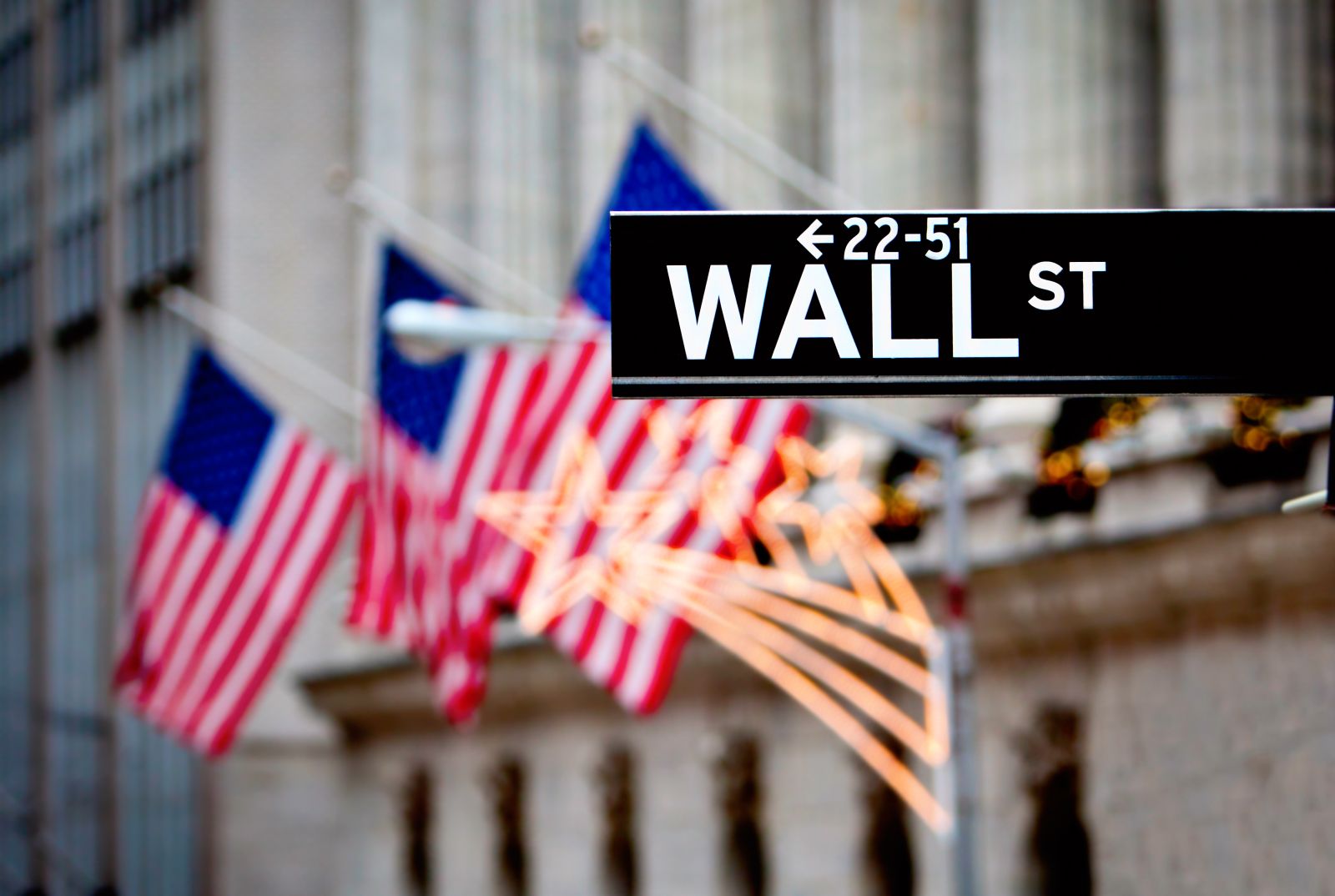
US Stocks Surge on Hopes for End to Iran War


- Market Rally: The S&P 500 index rose by 2.91%, the Dow Jones Industrial Average by 2.49%, and the Nasdaq 100 by 3.43%, reflecting market optimism regarding the potential end of the Iran war, which could lower energy prices and ease inflation concerns.
- Consumer Confidence Boost: The US March consumer confidence index unexpectedly increased by 0.8 to 91.8, surpassing the anticipated decline to 87.9, indicating a strengthening consumer outlook that may drive spending and economic growth.
- Strength in China: China's March manufacturing PMI rose to 50.4, better than the expected 50.1, signaling signs of economic recovery that could positively impact global growth prospects and further support US stock performance.
- Falling Bond Yields: The 10-year Treasury note yield dropped to 4.28%, a one-week low, reflecting reduced inflation worries, which may provide support for the stock market and enhance investor interest in equities.
See More
Apple Reaches $4 Trillion Market Cap Amidst Market Volatility
- Market Milestone: Apple achieved a $4 trillion market cap by the end of 2025, joining a select group of companies, although its stock has declined by 14% from its peak, reflecting investor concerns over tech stocks.
- Sales Growth Driver: The successful launch of the iPhone 17 has propelled Apple's latest quarterly year-over-year revenue growth to nearly 16%, marking the highest growth rate in over three years, indicating that devices remain a crucial revenue source for the company.
- Service Business Outlook: With over 2.5 billion active devices and paid accounts reaching an all-time high, Apple's services segment shows significant growth potential, expected to comprise a larger share of total sales in the future, thereby enhancing profits and margins.
- Investment Value Assessment: Although Apple's price-to-earnings ratio stands at 28.8, above the industry average of 20.9, its strong brand, cash flow, and growth opportunities suggest the stock remains attractive, especially after a 14% pullback, making it a buy on the dip.
See More
Buffett's Final Bold Investment in Chevron
- Major Investment: In his final quarter, Buffett invested over $1 billion to acquire 8 million shares of Chevron (CVX), raising Berkshire Hathaway's total stake to $19.8 billion, demonstrating his ongoing confidence in the oil and gas sector.
- Market Performance: Despite Chevron's stock lagging the S&P 500 by over 10% in 2025, Buffett's average purchase price of about $132 per share reflects his commitment to value investing principles.
- Future Potential: The capture of Venezuelan President Maduro may open new long-term opportunities for Chevron, which is the only U.S. oil major actively drilling in the country, although the situation remains unpredictable.
- Substantial Returns: With global energy prices soaring, Chevron's stock has risen 37% in 2026, resulting in a 58% return on Berkshire's latest investment, marking a final masterstroke by Buffett that is likely to yield dividends in the years to come.
See More
Buffett Boosts Berkshire's Chevron Stake to Nearly $20 Billion
- Chevron Stake Increase: In his final quarter as CEO of Berkshire Hathaway, Buffett added over 8 million shares of Chevron, raising his total investment in the company to $19.8 billion, reflecting his ongoing confidence in the oil and gas sector.
- Timely Investment: Despite Chevron's stock lagging the S&P 500 by more than 10% in 2025, Buffett purchased shares at an average price of about $132, demonstrating his keen eye for value investment opportunities.
- Market Rebound Potential: With global energy prices skyrocketing due to the closure of the Strait of Hormuz, Chevron's stock has risen 37% year-to-date in 2026, allowing Berkshire to realize a 58% return on this investment in less than six months, further solidifying Buffett's investment strategy.
- Venezuelan Opportunities: Buffett's investment may also benefit from the changing situation in Venezuela, as Chevron is the only U.S. oil major actively drilling in the country, potentially positioning the company for long-term opportunities in the region.
See More
Nike Shares Plummet After Disappointing Quarterly Guidance
- Flat Revenue Performance: Nike reported total revenue of $11.28 billion for Q3 FY2026, which, while exceeding Wall Street's expectation of $11.24 billion, reflects no year-over-year growth, leading to a 9% drop in after-hours trading and highlighting the slow progress of the company's turnaround efforts.
- Declining Profitability: Earnings per share (EPS) fell to 35 cents, a 35% decrease from the previous year, although it beat the consensus estimate of 29 cents, indicating challenges in inventory clearance that impacted overall profitability and heightened market concerns about future performance.
- Chinese Market Recovery: Despite a 7% year-over-year decline in sales in China, the region's revenue of $1.62 billion surpassed analyst estimates by $100 million, suggesting a gradual recovery after a significant 17% drop in the prior quarter, yet the outlook remains bleak for future quarters.
- Bleak Future Guidance: Nike's guidance for Q4 FY2026 is disappointing again, forecasting a revenue decline of 2% to 4% and a year-over-year drop in gross margins by 25 to 75 basis points, indicating substantial challenges in the recovery process and further eroding market confidence.
See More
US Stocks Performance Review and Outlook
- Employment Data Expectations: ADP is set to release employment data at 8:15 a.m. ET, with a consensus estimate of 39,000 new jobs in the private sector, which will provide a crucial indicator of economic health and could influence investor confidence and market trends.
- Retail Sales Growth: Retail sales figures are expected to be released at 8:30 a.m., with a general forecast of a 0.5% increase, a data point that will directly impact consumer spending and the outlook for economic recovery, potentially guiding a market rebound.
- Corporate Earnings Dynamics: Cal-Maine, Conagra, and Lamb Weston are scheduled to report earnings before the bell, with Cal-Maine's stock flat over the past three months, Conagra down 9%, and Lamb Weston showing no significant change, all of which will affect investor sentiment towards the food sector.
- Market Performance Review: In the first quarter, the Russell 2000 index rose by 0.58%, making it the best performer among major indices, while the S&P 500 and Nasdaq 100 fell by 4.63% and 5.98%, respectively, reflecting market volatility and cautious investor sentiment.
See More
US Stocks Surge on Hopes for End to Iran War
- Market Rally: The S&P 500 index rose by 2.91%, the Dow Jones Industrial Average by 2.49%, and the Nasdaq 100 by 3.43%, reflecting market optimism regarding the potential end of the Iran war, which could lower energy prices and ease inflation concerns.
- Consumer Confidence Boost: The US March consumer confidence index unexpectedly increased by 0.8 to 91.8, surpassing the anticipated decline to 87.9, indicating a strengthening consumer outlook that may drive spending and economic growth.
- Strength in China: China's March manufacturing PMI rose to 50.4, better than the expected 50.1, signaling signs of economic recovery that could positively impact global growth prospects and further support US stock performance.
- Falling Bond Yields: The 10-year Treasury note yield dropped to 4.28%, a one-week low, reflecting reduced inflation worries, which may provide support for the stock market and enhance investor interest in equities.
See More