JPMorgan Reduces Exposure to Private Credit Risks
Written by Emily J. Thompson, Senior Investment Analyst
Updated: 1 hour ago
0mins

Should l Buy JPM?
Source: CNBC
- Risk Management Measures: JPMorgan is proactively reducing its exposure to the private credit industry by marking down the value of loans collateralized by software companies, indicating a forward-looking approach to potential market turbulence.
- Market Reaction: Concerns over software firms due to model updates from OpenAI and Anthropic have led to retail investors pulling funds, creating high redemption rates in the private credit sector, prompting JPMorgan's preemptive actions to address this trend.
- Leverage Risk Control: By reducing the borrowing capacity of private credit firms, JPMorgan not only mitigates its own risk exposure but may also compel these firms to post additional collateral, thereby enhancing overall financial stability.
- Historical Lessons: JPMorgan's previous pullback on leverage during the early days of the COVID pandemic underscores its commitment to maintaining financial discipline in the face of market uncertainties to avoid potential future crises.
Trade with 70% Backtested Accuracy
Stop guessing "Should I Buy JPM?" and start using high-conviction signals backed by rigorous historical data.
Sign up today to access powerful investing tools and make smarter, data-driven decisions.
Analyst Views on JPM
Wall Street analysts forecast JPM stock price to rise
19 Analyst Rating
11 Buy
7 Hold
1 Sell
Moderate Buy
Current: 288.730

Low
260.00
Averages
341.38
High
400.00
Current: 288.730
Low
260.00
Averages
341.38
High
400.00
About JPM
JPMorgan Chase & Co. is a financial holding company. The Company is engaged in investment banking, financial services for consumers and small businesses, commercial banking, financial transaction processing and asset management. The Company operates through three segments: Consumer & Community Banking (CCB), Commercial & Investment Bank (CIB), and Asset & Wealth Management (AWM). Its CCB segment offers products and services to consumers and small businesses through bank branches, ATMs, digital and telephone banking. Its CIB segment consists of banking and payments and markets and securities services, and offers a suite of investment banking, lending, payments, market-making, financing, custody and securities products and services to a global base of corporate and institutional clients. AWM segment offers investment and wealth management solutions. It offers multi-asset investment management solutions, retirement products and services, brokerage, custody, estate planning, and others.
About the author

Emily J. Thompson
Emily J. Thompson, a Chartered Financial Analyst (CFA) with 12 years in investment research, graduated with honors from the Wharton School. Specializing in industrial and technology stocks, she provides in-depth analysis for Intellectia’s earnings and market brief reports.
Middle East Tensions Impact Market Volatility

- Market Rebound Reason: Despite a significant drop on Monday morning due to fears of escalating Middle East conflict and oil prices soaring above $110, the S&P 500 ended the session in positive territory, reflecting a rapid shift in market sentiment driven by Trump's optimistic remarks about the conflict nearing resolution.
- Oil Price Fluctuation: Following Trump's comments, Brent crude prices fell back below $90, indicating a reassessment of future oil price trends, which may alleviate inflationary pressures and improve consumer confidence in the market.
- Market Correction Expectations: JPMorgan forecasts a potential 10% correction from the peak hit on January 28, with the S&P 500 currently about 2.9% below that peak, suggesting ongoing risks of market adjustments that investors should remain cautious about.
- Geopolitical Risks: While Trump's statements provide short-term optimism, JPMorgan's analysts note that the Middle East conflict shows no signs of abating, and investors have not significantly de-risked their portfolios, indicating potential for further selling as the situation evolves.
See More

Trump Claims War Nearing End, Market Rebounds
- Market Rebound Explanation: Trump stated in an interview that the “war is pretty much complete,” which, despite scant evidence, led to a positive market reaction as the S&P 500 index reversed its early losses and ended the session in the black, indicating investor optimism about future developments.
- Oil Price Fluctuations: Following Trump's comments, oil prices fell from above $110 to below $90, reflecting the market's sensitivity to geopolitical risks, which could also impact the performance of related energy stocks.
- Correction Expectations: JPMorgan Chase anticipates a potential stock market correction of up to 10%, with the S&P 500 currently about 2.9% below its peak on January 28; however, analysts caution that the ongoing conflict in the Middle East shows no signs of abating, and investors have not significantly de-risked their portfolios.
- Cautious Investment Advice: In this uncertain market environment, analysts recommend that investors exercise caution when considering stocks like JPMorgan Chase, especially in the absence of a clear resolution to the conflict, as further selling pressure may arise.
See More
Market Update: Oil Price Surge and Corporate Earnings


- Oil Price Volatility: U.S. crude prices surged 4% due to reports of cargo ship attacks off Iran's coast, putting pressure on stocks and indicating ongoing geopolitical risks affecting market sentiment as the S&P 500 is set for a slightly lower open.
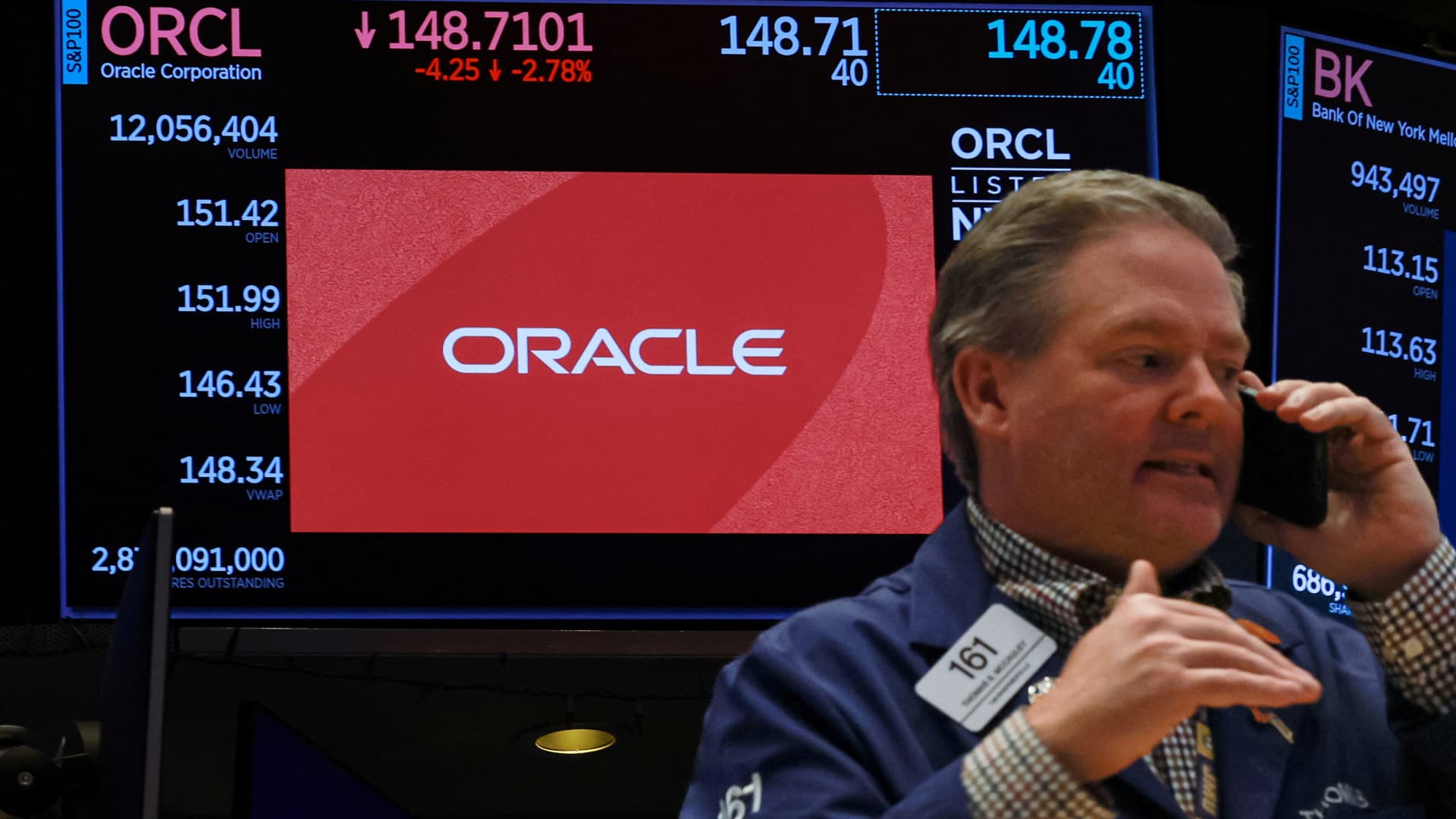
- Oracle's Strong Earnings: Oracle's quarterly results exceeded expectations, leading to a stock price increase of over 9%, with smooth AI buildout and remaining performance obligations exceeding $500 billion, highlighting the company's robust market position and growth potential.
- Kohl's Price Target Cut: Goldman Sachs lowered its price target for Kohl's from $15 to $13 while maintaining a sell rating, citing mixed quarterly results and decelerating same-store sales, reflecting challenges in the retail sector.
- Nike Upgrade: Barclays upgraded Nike from hold to buy, raising the price target from $64 to $73, arguing that tariff risks have eased, and management's progress in inventory management and margin stabilization provides a solid foundation for investment.
See More
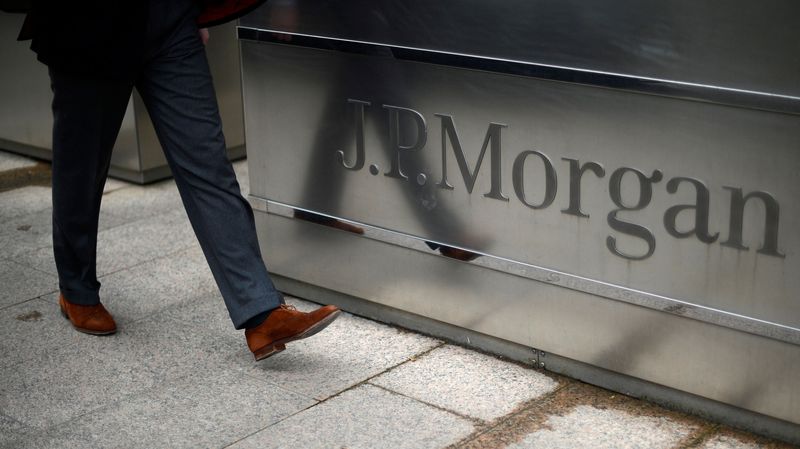
JPMorgan Marks Down Private Credit Collateral

- Collateral Value Reduction: JPMorgan has marked down the value of loans held as collateral by private credit firms, particularly targeting loans to software companies, indicating a proactive stance against potential market turbulence that could affect these firms' borrowing capacity.
- Market Reaction Intensifies: Concerns over AI advancements disrupting software companies have ignited a downcycle in private credit, leading retail investors to withdraw funds in large amounts, exacerbating liquidity pressures at firms like Blue Owl and Blackstone.
- Risk Management Strategy: This move by JPMorgan is characterized as a demonstration of financial discipline, aimed at preemptively addressing potential credit crises, with CEO Jamie Dimon emphasizing the risks associated with borrowers' repayment capabilities, reflecting the bank's cautious approach to credit management.
- Historical Precedent: The markdown of collateral mirrors actions taken by JPMorgan during the early days of the COVID pandemic, indicating the bank's preference for preventive measures in the face of market uncertainties to safeguard both its interests and those of its clients.
See More

Latest Wall Street Rating Updates


- JPMorgan Upgrades Oracle: JPMorgan upgraded Oracle from neutral to overweight, citing a 55% drop in shares since mid-September that has de-risked valuation, while shifting investor expectations to a lower bar for FY30 targets and OpenAI ramp.
- Evercore Reiterates Netflix Outperform: Evercore ISI's survey indicates strengthening customer satisfaction and pricing power for Netflix, reinforcing its status as a high-quality asset in global streaming, supported by unmatched scale and localized content production.
- Barclays Double Upgrades Arthur J. Gallagher: Barclays upgraded Arthur J. Gallagher from underweight to overweight, viewing the insurance company as a “great” defensive play in the current market environment, highlighting its resilience amid economic uncertainty.
- Barclays Reiterates Tesla Equal Weight: Barclays noted Tesla's battery energy storage system sales are capacity constrained, but expansion supports robust growth ahead, with expectations for Tesla to maintain top global market share in 2025, showcasing significant potential in the storage market.
See More
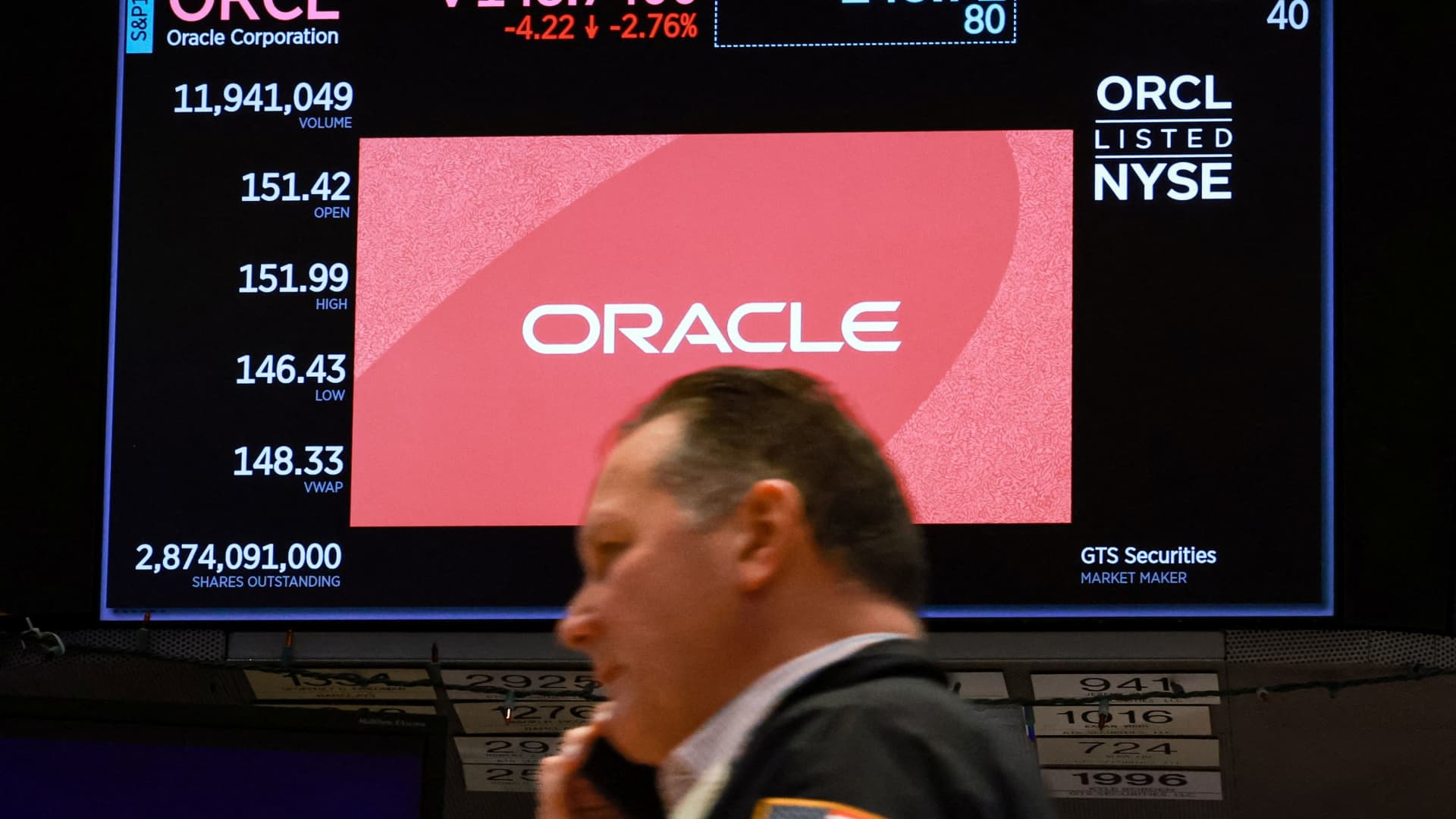
Oracle's Q3 Results Exceed Expectations, Boosting Analyst Confidence

- Strong Performance: Oracle reported adjusted earnings of $1.79 per share and revenue of $17.19 billion for Q3, both exceeding analyst expectations, demonstrating robust growth in cloud infrastructure and alleviating market concerns regarding the profitability of its AI investments.
- Cloud Revenue Surge: The company achieved $8.9 billion in cloud revenue, a 44% year-over-year increase, with cloud infrastructure revenue reaching $4.9 billion, an impressive 84% growth, indicating Oracle's strengthening competitive position in the cloud market.
- Positive Market Reaction: Following the earnings report, Oracle's stock surged over 10% in pre-market trading, a welcome rebound for shares that had fallen more than 10% year-to-date, reflecting renewed investor confidence in the company's growth potential.
- Analyst Upgrades: Several Wall Street analysts upgraded Oracle's ratings, with JPMorgan raising its rating to overweight and setting a price target of $210, indicating a positive outlook on the company's future performance, particularly regarding the profitability of its AI infrastructure.
See More
Middle East Tensions Impact Market Volatility
- Market Rebound Reason: Despite a significant drop on Monday morning due to fears of escalating Middle East conflict and oil prices soaring above $110, the S&P 500 ended the session in positive territory, reflecting a rapid shift in market sentiment driven by Trump's optimistic remarks about the conflict nearing resolution.
- Oil Price Fluctuation: Following Trump's comments, Brent crude prices fell back below $90, indicating a reassessment of future oil price trends, which may alleviate inflationary pressures and improve consumer confidence in the market.
- Market Correction Expectations: JPMorgan forecasts a potential 10% correction from the peak hit on January 28, with the S&P 500 currently about 2.9% below that peak, suggesting ongoing risks of market adjustments that investors should remain cautious about.
- Geopolitical Risks: While Trump's statements provide short-term optimism, JPMorgan's analysts note that the Middle East conflict shows no signs of abating, and investors have not significantly de-risked their portfolios, indicating potential for further selling as the situation evolves.
See More
Trump Claims War Nearing End, Market Rebounds
- Market Rebound Explanation: Trump stated in an interview that the “war is pretty much complete,” which, despite scant evidence, led to a positive market reaction as the S&P 500 index reversed its early losses and ended the session in the black, indicating investor optimism about future developments.
- Oil Price Fluctuations: Following Trump's comments, oil prices fell from above $110 to below $90, reflecting the market's sensitivity to geopolitical risks, which could also impact the performance of related energy stocks.
- Correction Expectations: JPMorgan Chase anticipates a potential stock market correction of up to 10%, with the S&P 500 currently about 2.9% below its peak on January 28; however, analysts caution that the ongoing conflict in the Middle East shows no signs of abating, and investors have not significantly de-risked their portfolios.
- Cautious Investment Advice: In this uncertain market environment, analysts recommend that investors exercise caution when considering stocks like JPMorgan Chase, especially in the absence of a clear resolution to the conflict, as further selling pressure may arise.
See More
Market Update: Oil Price Surge and Corporate Earnings
- Oil Price Volatility: U.S. crude prices surged 4% due to reports of cargo ship attacks off Iran's coast, putting pressure on stocks and indicating ongoing geopolitical risks affecting market sentiment as the S&P 500 is set for a slightly lower open.
- Oracle's Strong Earnings: Oracle's quarterly results exceeded expectations, leading to a stock price increase of over 9%, with smooth AI buildout and remaining performance obligations exceeding $500 billion, highlighting the company's robust market position and growth potential.
- Kohl's Price Target Cut: Goldman Sachs lowered its price target for Kohl's from $15 to $13 while maintaining a sell rating, citing mixed quarterly results and decelerating same-store sales, reflecting challenges in the retail sector.
- Nike Upgrade: Barclays upgraded Nike from hold to buy, raising the price target from $64 to $73, arguing that tariff risks have eased, and management's progress in inventory management and margin stabilization provides a solid foundation for investment.
See More
JPMorgan Marks Down Private Credit Collateral
- Collateral Value Reduction: JPMorgan has marked down the value of loans held as collateral by private credit firms, particularly targeting loans to software companies, indicating a proactive stance against potential market turbulence that could affect these firms' borrowing capacity.
- Market Reaction Intensifies: Concerns over AI advancements disrupting software companies have ignited a downcycle in private credit, leading retail investors to withdraw funds in large amounts, exacerbating liquidity pressures at firms like Blue Owl and Blackstone.
- Risk Management Strategy: This move by JPMorgan is characterized as a demonstration of financial discipline, aimed at preemptively addressing potential credit crises, with CEO Jamie Dimon emphasizing the risks associated with borrowers' repayment capabilities, reflecting the bank's cautious approach to credit management.
- Historical Precedent: The markdown of collateral mirrors actions taken by JPMorgan during the early days of the COVID pandemic, indicating the bank's preference for preventive measures in the face of market uncertainties to safeguard both its interests and those of its clients.
See More
Latest Wall Street Rating Updates
- JPMorgan Upgrades Oracle: JPMorgan upgraded Oracle from neutral to overweight, citing a 55% drop in shares since mid-September that has de-risked valuation, while shifting investor expectations to a lower bar for FY30 targets and OpenAI ramp.
- Evercore Reiterates Netflix Outperform: Evercore ISI's survey indicates strengthening customer satisfaction and pricing power for Netflix, reinforcing its status as a high-quality asset in global streaming, supported by unmatched scale and localized content production.
- Barclays Double Upgrades Arthur J. Gallagher: Barclays upgraded Arthur J. Gallagher from underweight to overweight, viewing the insurance company as a “great” defensive play in the current market environment, highlighting its resilience amid economic uncertainty.
- Barclays Reiterates Tesla Equal Weight: Barclays noted Tesla's battery energy storage system sales are capacity constrained, but expansion supports robust growth ahead, with expectations for Tesla to maintain top global market share in 2025, showcasing significant potential in the storage market.
See More
Oracle's Q3 Results Exceed Expectations, Boosting Analyst Confidence
- Strong Performance: Oracle reported adjusted earnings of $1.79 per share and revenue of $17.19 billion for Q3, both exceeding analyst expectations, demonstrating robust growth in cloud infrastructure and alleviating market concerns regarding the profitability of its AI investments.
- Cloud Revenue Surge: The company achieved $8.9 billion in cloud revenue, a 44% year-over-year increase, with cloud infrastructure revenue reaching $4.9 billion, an impressive 84% growth, indicating Oracle's strengthening competitive position in the cloud market.
- Positive Market Reaction: Following the earnings report, Oracle's stock surged over 10% in pre-market trading, a welcome rebound for shares that had fallen more than 10% year-to-date, reflecting renewed investor confidence in the company's growth potential.
- Analyst Upgrades: Several Wall Street analysts upgraded Oracle's ratings, with JPMorgan raising its rating to overweight and setting a price target of $210, indicating a positive outlook on the company's future performance, particularly regarding the profitability of its AI infrastructure.
See More