JPMorgan Chase Q1 Results Exceed Expectations
Written by Emily J. Thompson, Senior Investment Analyst
Updated: 2 days ago
0mins

Source: CNBC
- Strong Earnings Performance: JPMorgan Chase reported Q1 earnings of $5.94 per share, surpassing the market expectation of $5.45, with net income rising 13% to $16.49 billion, demonstrating robust profitability amid economic uncertainties.
- Significant Revenue Growth: The company's total revenue reached $50.54 billion, exceeding the expected $49.17 billion by 10%, indicating JPMorgan's superior performance in fixed income and investment banking, thereby enhancing its market position.
- Increase in Fixed Income Trading Revenue: Fixed income trading revenue rose 21% to $7.08 billion, exceeding market expectations by approximately $370 million, reflecting increased activity in commodities, credit, currencies, and emerging markets, which further solidifies the company's revenue base.
- Surge in Investment Banking Fees: Investment banking fees jumped 28% to $2.88 billion, surpassing expectations by about $260 million, primarily driven by higher mergers advisory and stock underwriting fees, showcasing the market's trust and reliance on JPMorgan Chase.
Trade with 70% Backtested Accuracy
Stop guessing "Should I Buy JPM?" and start using high-conviction signals backed by rigorous historical data.
Sign up today to access powerful investing tools and make smarter, data-driven decisions.
Analyst Views on JPM
Wall Street analysts forecast JPM stock price to rise
19 Analyst Rating
11 Buy
7 Hold
1 Sell
Moderate Buy
Current: 305.930

Low
260.00
Averages
341.38
High
400.00
Current: 305.930
Low
260.00
Averages
341.38
High
400.00
About JPM
JPMorgan Chase & Co. is a financial holding company. The Company is engaged in investment banking, financial services for consumers and small businesses, commercial banking, financial transaction processing and asset management. The Company operates through three segments: Consumer & Community Banking (CCB), Commercial & Investment Bank (CIB), and Asset & Wealth Management (AWM). Its CCB segment offers products and services to consumers and small businesses through bank branches, ATMs, digital and telephone banking. Its CIB segment consists of banking and payments and markets and securities services, and offers a suite of investment banking, lending, payments, market-making, financing, custody and securities products and services to a global base of corporate and institutional clients. AWM segment offers investment and wealth management solutions. It offers multi-asset investment management solutions, retirement products and services, brokerage, custody, estate planning, and others.
About the author

Emily J. Thompson
Emily J. Thompson, a Chartered Financial Analyst (CFA) with 12 years in investment research, graduated with honors from the Wharton School. Specializing in industrial and technology stocks, she provides in-depth analysis for Intellectia’s earnings and market brief reports.

Middle East Tensions Impact Oil Prices and Stock Market


- Oil Price Surge: Since the beginning of 2026, West Texas Intermediate crude prices have risen by 60%, leading American consumers to face higher costs at the pump and for goods transportation, potentially suppressing consumer spending and impacting overall economic growth.
- Stock Market Recovery: Following the U.S.-Iran ceasefire agreement, the S&P 500 index quickly rebounded to a record high, reflecting renewed investor confidence in the market, although elevated oil prices may still pressure corporate earnings.
- Strong Employment Data: The U.S. Bureau of Labor Statistics reported that 178,000 jobs were added in March, significantly exceeding the expected 60,000, indicating that the economy remains resilient in the face of high oil prices, which may alleviate investor concerns about an economic slowdown.
- Rising Inflation Risks: The Producer Price Index soared to an annualized rate of 4% in March, the highest in three years, and if this trend translates into the Consumer Price Index, it could prompt the Federal Reserve to consider interest rate hikes, negatively impacting consumer spending and business investment.
See More

Hamilton Lane Shares Poised for Turnaround Amid Overblown Fears

- Rating Upgrade: JPMorgan upgraded Hamilton Lane from neutral to overweight while maintaining a $166 price target, indicating nearly 58% upside potential, reflecting confidence in the company's future performance.
- Overblown Market Fears: Despite concerns over AI and private credit risks causing a 17% average drop among North American alternative asset managers, JPMorgan analysts believe this panic is exaggerated, as Hamilton Lane's nearly 22% stock decline lacks sufficient justification.
- Limited Risk Exposure: With limited exposure to the private credit market and sustained strong wealth inflows, analysts argue that investors should not shy away from Hamilton Lane due to market sentiment, but rather seize the buying opportunity.
- Stable Revenue Model: Unlike other alternative asset managers, Hamilton Lane generates most of its earnings from management fees, which are more stable, and analysts highlight that the company’s sales growth outpaces that of most peers in a highly valued asset class.
See More

Global Equities Reach Record Highs Amid Truce Talks


- Market Surge: Global equities have surged, with the S&P 500 rising 0.80% and the Nasdaq Composite gaining 1.59%, both reaching record highs amid optimism surrounding the first direct talks between Israel and Lebanon in over 30 years, indicating strong investor confidence in market prospects.
- Japan's Performance: The Nikkei 225 index hit a new high, driven by a broader rally in Asian markets, particularly in technology and consumer cyclical stocks, reflecting investor confidence in the region's economic recovery.
- China's Economic Growth: China's GDP grew by 5% in the first quarter, exceeding economists' forecast of 4.8%, as reported by the National Bureau of Statistics, showcasing the resilience of the Chinese economy despite potential global demand shocks from the Iran conflict.
- World Bank Caution: The World Bank president cautioned in an interview that economic disruptions related to conflicts could last for months, even if the current fragile ceasefire holds, posing a potential threat to global economic recovery.
See More

India's E-commerce Market Experiences Rapid Growth


- Investment Commitment: Amazon's pledge of $35 billion in India last year aims to digitize 12 million small businesses and enhance logistics infrastructure, demonstrating confidence in future market potential despite online shopping accounting for only 1.6% of GDP.
- User Growth Trend: According to Deloitte, India's e-commerce market experienced a compound annual growth of 23% from 2020 to 2025, with projections indicating it will reach $250 billion by 2030, highlighting both user growth and increased spending per shopper.
- Rise of Small City Consumers: Deloitte reports that over 60% of online shoppers come from smaller cities, marking a decisive shift in consumer dynamics and driving e-commerce order growth, indicating a rapid increase in purchasing power among these consumers.
- Quick Commerce Model: Amazon's quick commerce service, Amazon Now, sees a 25% month-over-month order growth, with Prime members tripling their shopping frequency, underscoring the significance of rapid delivery in meeting the demands of consumers in smaller cities.
See More
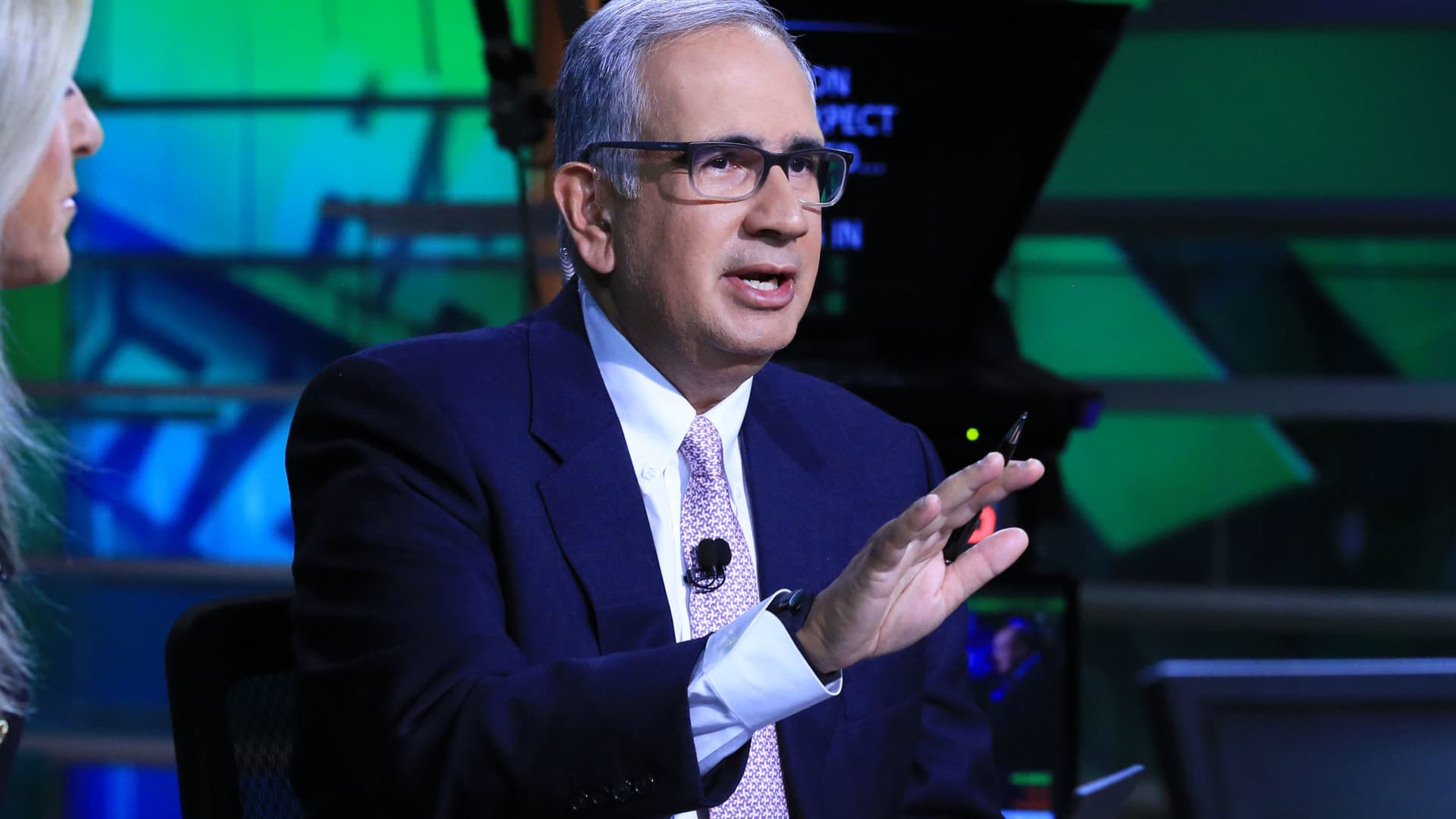
Amazon's Acquisition of Globalstar Boosts Space Ventures

- Core Business Growth: Amazon's stock has risen nearly 7.7% year-to-date, making it a standout performer among the 'Magnificent Seven,' reflecting strong growth in its e-commerce and cloud computing sectors, which solidifies its market leadership.
- Space Business Expansion: Amazon announced the completion of its acquisition of Globalstar, valuing the deal at $90 per share, which will enhance its low-Earth orbit satellite project by providing direct service for emergency communications.
- New Business Synergy: The partnership with Apple to integrate Globalstar's satellite connectivity into iPhones and Apple Watches is expected to enhance user experience and expand market share, further driving Amazon's diversification strategy.
- Traditional Banking Sector Watch: While Sethi focuses on Amazon, traditional banking stocks like JPMorgan and Blackstone are also performing well, particularly JPMorgan, which beat first-quarter earnings expectations, indicating strong activity and growth potential in the overall financial market.
See More

Goldman Sachs Fixed Income Division Disappoints Investors

- Revenue Decline: Goldman Sachs' fixed income division reported a 10% revenue drop in Q1, falling approximately $910 million short of analysts' expectations, indicating a rare stumble for this flagship business that could shake investor confidence.
- Market Environment Impact: Executives noted that the unfavorable trading environment contributed to the revenue decline, primarily due to missteps in interest rate trades, reflecting the firm's vulnerability in volatile market conditions.
- Competitors' Strong Performance: In stark contrast, rivals like JPMorgan, Morgan Stanley, and Citigroup reported significant fixed income revenue increases of 21%, 29%, and 13% respectively during the same period, further highlighting Goldman’s performance shortfall.
- Stock Price Reaction: Despite exceeding overall earnings expectations, Goldman’s stock fell by about 4% following the report, indicating market disappointment with the fixed income division's results, which may impact future investor trust.
See More
Middle East Tensions Impact Oil Prices and Stock Market
- Oil Price Surge: Since the beginning of 2026, West Texas Intermediate crude prices have risen by 60%, leading American consumers to face higher costs at the pump and for goods transportation, potentially suppressing consumer spending and impacting overall economic growth.
- Stock Market Recovery: Following the U.S.-Iran ceasefire agreement, the S&P 500 index quickly rebounded to a record high, reflecting renewed investor confidence in the market, although elevated oil prices may still pressure corporate earnings.
- Strong Employment Data: The U.S. Bureau of Labor Statistics reported that 178,000 jobs were added in March, significantly exceeding the expected 60,000, indicating that the economy remains resilient in the face of high oil prices, which may alleviate investor concerns about an economic slowdown.
- Rising Inflation Risks: The Producer Price Index soared to an annualized rate of 4% in March, the highest in three years, and if this trend translates into the Consumer Price Index, it could prompt the Federal Reserve to consider interest rate hikes, negatively impacting consumer spending and business investment.
See More
Hamilton Lane Shares Poised for Turnaround Amid Overblown Fears
- Rating Upgrade: JPMorgan upgraded Hamilton Lane from neutral to overweight while maintaining a $166 price target, indicating nearly 58% upside potential, reflecting confidence in the company's future performance.
- Overblown Market Fears: Despite concerns over AI and private credit risks causing a 17% average drop among North American alternative asset managers, JPMorgan analysts believe this panic is exaggerated, as Hamilton Lane's nearly 22% stock decline lacks sufficient justification.
- Limited Risk Exposure: With limited exposure to the private credit market and sustained strong wealth inflows, analysts argue that investors should not shy away from Hamilton Lane due to market sentiment, but rather seize the buying opportunity.
- Stable Revenue Model: Unlike other alternative asset managers, Hamilton Lane generates most of its earnings from management fees, which are more stable, and analysts highlight that the company’s sales growth outpaces that of most peers in a highly valued asset class.
See More
Global Equities Reach Record Highs Amid Truce Talks
- Market Surge: Global equities have surged, with the S&P 500 rising 0.80% and the Nasdaq Composite gaining 1.59%, both reaching record highs amid optimism surrounding the first direct talks between Israel and Lebanon in over 30 years, indicating strong investor confidence in market prospects.
- Japan's Performance: The Nikkei 225 index hit a new high, driven by a broader rally in Asian markets, particularly in technology and consumer cyclical stocks, reflecting investor confidence in the region's economic recovery.
- China's Economic Growth: China's GDP grew by 5% in the first quarter, exceeding economists' forecast of 4.8%, as reported by the National Bureau of Statistics, showcasing the resilience of the Chinese economy despite potential global demand shocks from the Iran conflict.
- World Bank Caution: The World Bank president cautioned in an interview that economic disruptions related to conflicts could last for months, even if the current fragile ceasefire holds, posing a potential threat to global economic recovery.
See More
India's E-commerce Market Experiences Rapid Growth
- Investment Commitment: Amazon's pledge of $35 billion in India last year aims to digitize 12 million small businesses and enhance logistics infrastructure, demonstrating confidence in future market potential despite online shopping accounting for only 1.6% of GDP.
- User Growth Trend: According to Deloitte, India's e-commerce market experienced a compound annual growth of 23% from 2020 to 2025, with projections indicating it will reach $250 billion by 2030, highlighting both user growth and increased spending per shopper.
- Rise of Small City Consumers: Deloitte reports that over 60% of online shoppers come from smaller cities, marking a decisive shift in consumer dynamics and driving e-commerce order growth, indicating a rapid increase in purchasing power among these consumers.
- Quick Commerce Model: Amazon's quick commerce service, Amazon Now, sees a 25% month-over-month order growth, with Prime members tripling their shopping frequency, underscoring the significance of rapid delivery in meeting the demands of consumers in smaller cities.
See More
Amazon's Acquisition of Globalstar Boosts Space Ventures
- Core Business Growth: Amazon's stock has risen nearly 7.7% year-to-date, making it a standout performer among the 'Magnificent Seven,' reflecting strong growth in its e-commerce and cloud computing sectors, which solidifies its market leadership.
- Space Business Expansion: Amazon announced the completion of its acquisition of Globalstar, valuing the deal at $90 per share, which will enhance its low-Earth orbit satellite project by providing direct service for emergency communications.
- New Business Synergy: The partnership with Apple to integrate Globalstar's satellite connectivity into iPhones and Apple Watches is expected to enhance user experience and expand market share, further driving Amazon's diversification strategy.
- Traditional Banking Sector Watch: While Sethi focuses on Amazon, traditional banking stocks like JPMorgan and Blackstone are also performing well, particularly JPMorgan, which beat first-quarter earnings expectations, indicating strong activity and growth potential in the overall financial market.
See More
Goldman Sachs Fixed Income Division Disappoints Investors
- Revenue Decline: Goldman Sachs' fixed income division reported a 10% revenue drop in Q1, falling approximately $910 million short of analysts' expectations, indicating a rare stumble for this flagship business that could shake investor confidence.
- Market Environment Impact: Executives noted that the unfavorable trading environment contributed to the revenue decline, primarily due to missteps in interest rate trades, reflecting the firm's vulnerability in volatile market conditions.
- Competitors' Strong Performance: In stark contrast, rivals like JPMorgan, Morgan Stanley, and Citigroup reported significant fixed income revenue increases of 21%, 29%, and 13% respectively during the same period, further highlighting Goldman’s performance shortfall.
- Stock Price Reaction: Despite exceeding overall earnings expectations, Goldman’s stock fell by about 4% following the report, indicating market disappointment with the fixed income division's results, which may impact future investor trust.
See More