Iran's Attack in Strait of Hormuz Drives Oil Prices Higher
Written by Emily J. Thompson, Senior Investment Analyst
Updated: 10 hours ago
0mins

Source: Fool
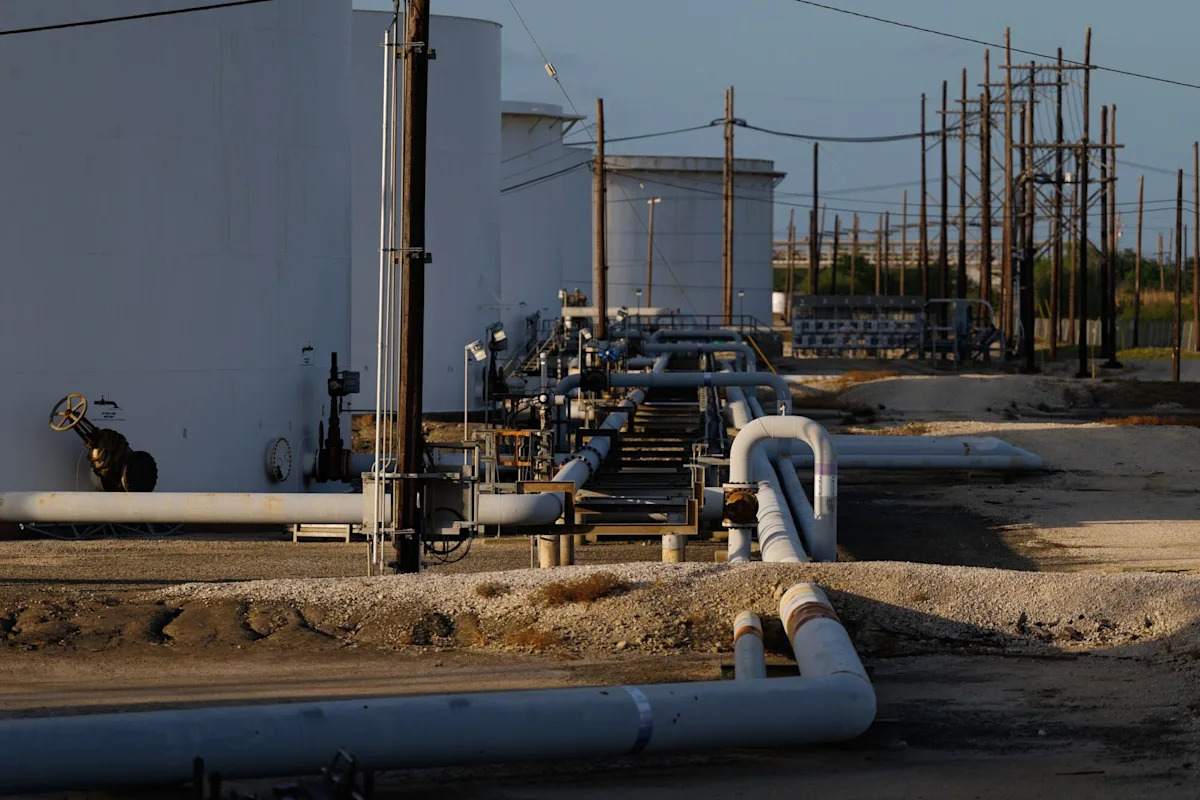
- Oil Price Surge: Brent crude prices jumped over 3% to around $102 a barrel by Wednesday afternoon, while WTI rose over 4% to more than $93 a barrel, reflecting the market's sensitivity to geopolitical tensions in the region.
- Impact of Strait Closure: The closure of the Strait of Hormuz results in a daily loss of 10 to 15 million barrels of oil globally, with 20% of liquefied natural gas supplies also choked off, indicating severe long-term damage to the oil market and the global economy.
- Optimistic Outlook for Oil Companies: Despite oil prices rising over 50%, shares of major oil companies like Chevron and ConocoPhillips have only increased by 22% and 31% respectively, suggesting that if conflict reignites, these firms could see significantly higher stock prices due to their low-cost operations.
- Future Cash Flow Expectations: Chevron anticipates generating an additional $12.5 billion in free cash flow this year at $70 oil, while ConocoPhillips' projections will also rise significantly, indicating that oil companies' financial health will improve further in a high oil price environment.
Trade with 70% Backtested Accuracy
Stop guessing "Should I Buy COP?" and start using high-conviction signals backed by rigorous historical data.
Sign up today to access powerful investing tools and make smarter, data-driven decisions.
Analyst Views on COP
Wall Street analysts forecast COP stock price to fall
19 Analyst Rating
15 Buy
3 Hold
1 Sell
Moderate Buy
Current: 120.260

Low
98.00
Averages
115.67
High
133.00
Current: 120.260
Low
98.00
Averages
115.67
High
133.00
About COP
ConocoPhillips is an exploration and production company. Its Alaska segment primarily explores for, produces, transports and markets crude oil, natural gas and NGLs. The Lower 48 segment consists of operations located in the 48 contiguous states in the United States and the Gulf of Mexico. Canadian operations consist of the Surmont oil sands development in Alberta, the liquids-rich Montney unconventional play in British Columbia and commercial operations. The Europe, Middle East and North Africa segment consists of operations principally located in the Norwegian sector of the North Sea, the Norwegian Sea, Qatar, Libya, Equatorial Guinea and commercial and terminalling operations in the United Kingdom. Asia Pacific segment has exploration and production operations in China, Malaysia, Australia and commercial operations in China, Singapore and Japan. Other International segment includes interests in Colombia as well as contingencies associated with prior operations in other countries.
About the author

Emily J. Thompson
Emily J. Thompson, a Chartered Financial Analyst (CFA) with 12 years in investment research, graduated with honors from the Wharton School. Specializing in industrial and technology stocks, she provides in-depth analysis for Intellectia’s earnings and market brief reports.
ISS Recommends ConocoPhillips Shareholders Vote for Independent Chair Proposal
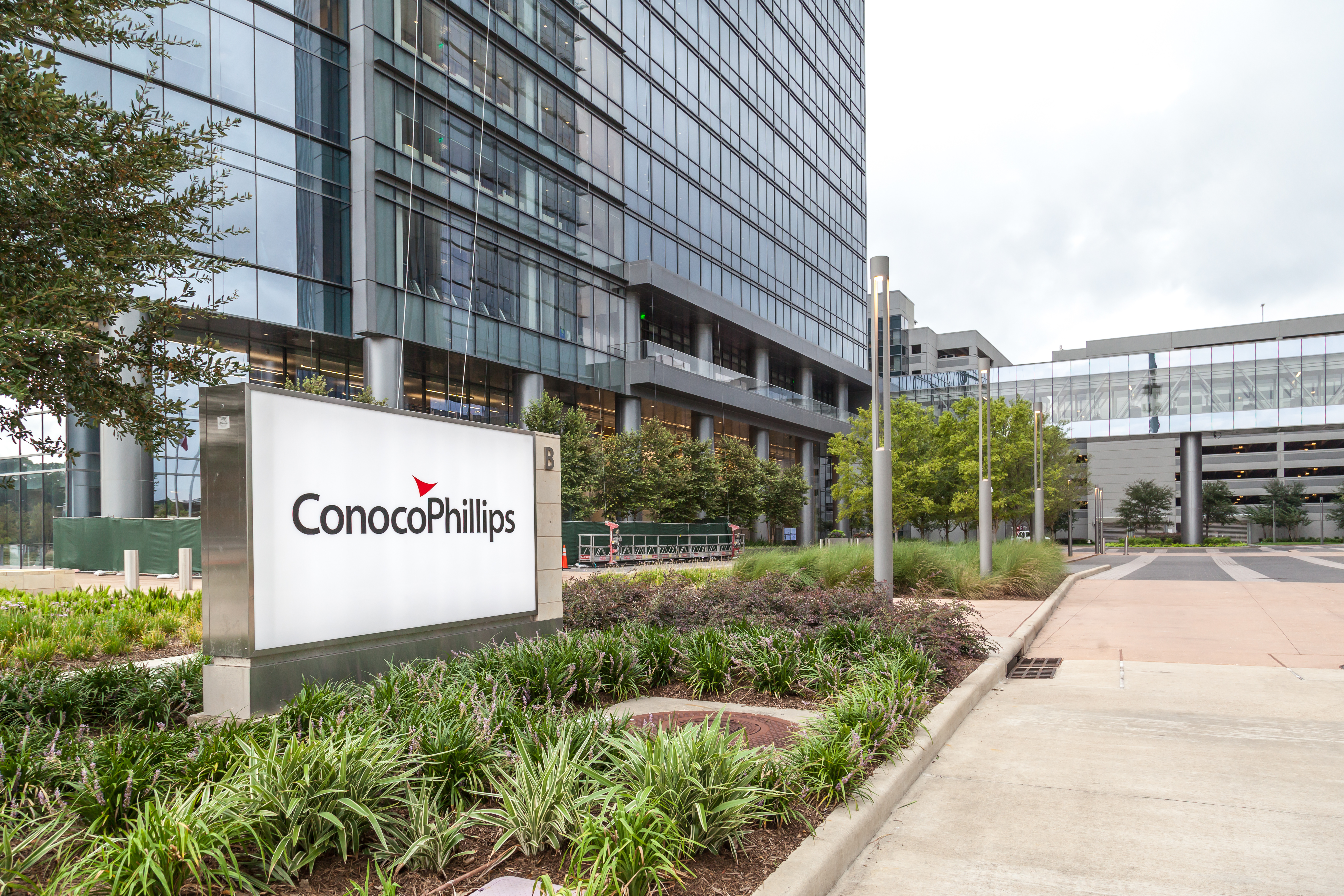
- Independent Chair Proposal: Institutional Shareholder Services (ISS) has recommended that ConocoPhillips (COP) shareholders vote in favor of a proposal for an independent board chair, emphasizing the need for improved oversight of management to enhance transparency and accountability within the company’s governance structure.
- Insufficient Management Oversight: ISS highlighted that the dual role of current Chairman and CEO Ryan Lance could lead to conflicts of interest, potentially undermining the board's ability to effectively oversee management and thereby harming shareholder interests.
- Board's Opposition to Proposal: Despite ISS's support for the non-binding proposal, ConocoPhillips' board has advised shareholders to vote against it, reflecting internal disagreements regarding governance reform that may impact shareholder confidence in the company's future direction.
- Industry Comparison Analysis: ConocoPhillips' governance structure is similar to that of Exxon Mobil and Chevron, where the CEO also serves as chairman, while BP separates these roles, indicating differing perspectives on board structure within the industry that could influence investor decisions.
See More

Iran's Attack in Strait of Hormuz Drives Oil Prices Higher

- Oil Price Surge: Brent crude prices jumped over 3% to around $102 a barrel by Wednesday afternoon, while WTI rose over 4% to more than $93 a barrel, reflecting the market's sensitivity to geopolitical tensions in the region.
- Impact of Strait Closure: The closure of the Strait of Hormuz results in a daily loss of 10 to 15 million barrels of oil globally, with 20% of liquefied natural gas supplies also choked off, indicating severe long-term damage to the oil market and the global economy.
- Optimistic Outlook for Oil Companies: Despite oil prices rising over 50%, shares of major oil companies like Chevron and ConocoPhillips have only increased by 22% and 31% respectively, suggesting that if conflict reignites, these firms could see significantly higher stock prices due to their low-cost operations.
- Future Cash Flow Expectations: Chevron anticipates generating an additional $12.5 billion in free cash flow this year at $70 oil, while ConocoPhillips' projections will also rise significantly, indicating that oil companies' financial health will improve further in a high oil price environment.
See More

Iran Attacks Ships in Strait of Hormuz, Oil Prices Surge
- Oil Price Surge: Following Iran's attacks on ships in the Strait of Hormuz, Brent crude prices jumped over 3% to around $102 per barrel, while WTI prices rose over 4% to more than $93, reflecting market concerns over supply disruptions.
- Supply Chain Risks: The closure of the Strait of Hormuz results in a daily loss of 10 to 15 million barrels of oil globally, with 20% of liquefied natural gas supplies affected, posing significant long-term risks to the global economy.
- Oil Company Outlook: Despite the surge in oil prices, major oil companies like Chevron and ConocoPhillips have seen more modest stock gains of 22% and 31%, respectively, but could benefit significantly from low-cost operations if conflicts escalate.
- Future Projections: UBS anticipates that Brent crude will remain above $90 even with a peace deal, suggesting ongoing volatility in the oil market that could fuel further gains in oil stocks, prompting investor interest in potential share buyback plans.
See More
ISS Recommends ConocoPhillips Shareholders Support Independent Chair Proposal
- Independent Chair Proposal: Proxy advisor ISS recommends that ConocoPhillips shareholders vote in favor of a proposal for an independent board chair, emphasizing the need for stronger oversight to protect shareholder interests.
- Governance Structure Concerns: ISS highlights that the current board structure may hinder investors from providing candid feedback to independent directors regarding sensitive issues such as CEO performance and succession planning, potentially affecting governance effectiveness.
- Underperformance Issues: The advisor notes that ConocoPhillips' total shareholder returns have lagged behind the S&P 500 over the past three years, underscoring the necessity for an independent chair proposal to address performance shortcomings.
- Company's Response: A ConocoPhillips spokesperson stated that the board believes maintaining the combined role of chairman and CEO along with an independent lead director is in the best interests of shareholders, indicating the company's commitment to its existing governance structure.
See More
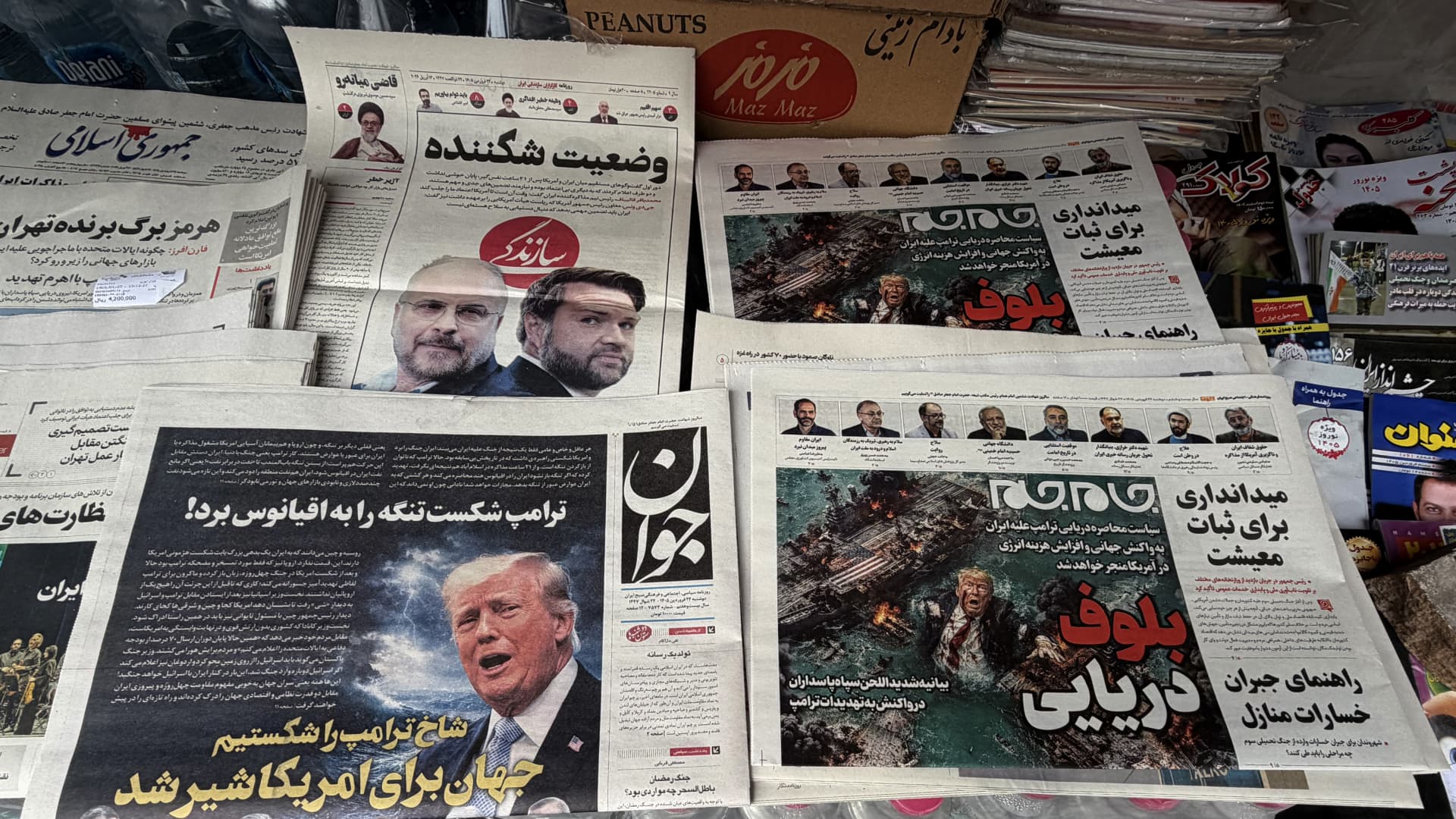
Strait of Hormuz Situation Remains Complex

- Iran's Internal Power Struggle: President Trump confirmed a serious fracture within Iran's government, leading to unclear control over the Strait of Hormuz, which could negatively impact global oil and gas supply stability and market confidence.
- Collapse of Iranian Oil Exports: JPMorgan analysts noted that Iranian oil exports have plummeted to near zero since the blockade began, resulting in a widening daily supply shortfall of 15-16 million barrels, potentially exacerbating global oil price volatility.
- Market Expectation Adjustments: Citigroup anticipates that if oil flows through the Strait of Hormuz remain problematic, total supply losses could reach 1.3 billion barrels, with Brent crude prices expected to average around $110 this quarter before falling to $80.
- Positive Outlook for EQT: Goldman Sachs raised its target price for EQT from $56 to $68, highlighting the company's standout performance among natural gas producers and projecting a total return of 21% over the next 12 months, reflecting optimism about energy demand growth.
See More
Oil Market Volatility Heightens, Investor Bets on Energy Stocks

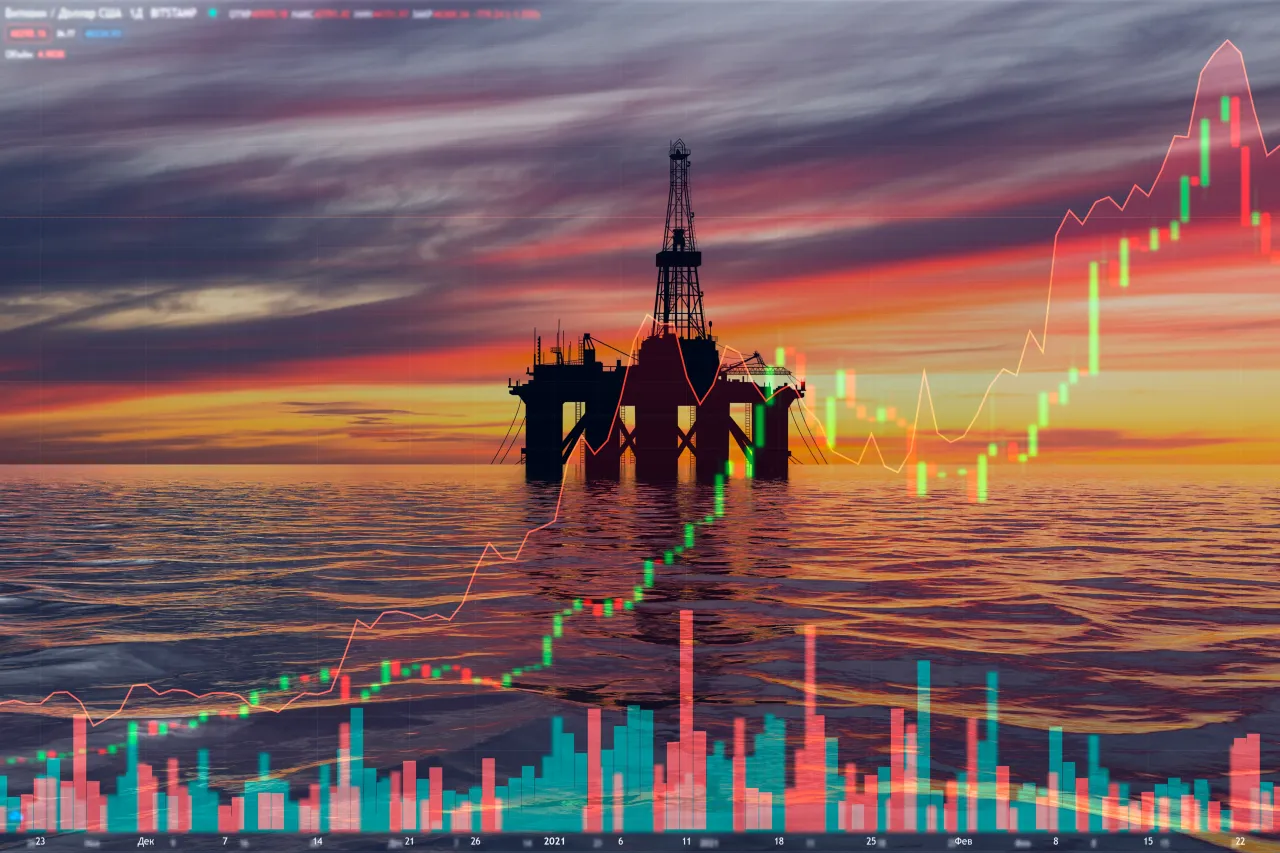
- Pricing Discrepancy: Investor George Noble highlights a significant pricing difference between paper oil markets, which reflect peace deals, and physical oil markets, which account for war risks, indicating a severe divergence in market expectations for future trends.
- Transport Bottleneck: Currently, 230 oil tankers are stuck in the Persian Gulf, with traffic through the Strait of Hormuz dropping over 90%, while Saudi Arabia's East-West pipeline can only handle 9 million barrels per day, creating a massive supply gap that cannot be bridged with existing infrastructure.
- Energy Stock Volatility: The State Street Energy Select Sector SPDR ETF (XLE) has shown significant divergence from the S&P 500 since the war began, initially outperforming the benchmark due to the Hormuz crisis but underperforming after signs of a ceasefire, reflecting the market's sensitivity to energy stocks.
- Investor Sentiment: Despite the United States Oil Fund (USO) gaining nearly 86% year-to-date, market sentiment remains bearish, reflecting investor concerns about future oil price movements, particularly after Trump announced an extension of the ceasefire with Iran, leading to a pullback in oil prices.
See More
ISS Recommends ConocoPhillips Shareholders Vote for Independent Chair Proposal
- Independent Chair Proposal: Institutional Shareholder Services (ISS) has recommended that ConocoPhillips (COP) shareholders vote in favor of a proposal for an independent board chair, emphasizing the need for improved oversight of management to enhance transparency and accountability within the company’s governance structure.
- Insufficient Management Oversight: ISS highlighted that the dual role of current Chairman and CEO Ryan Lance could lead to conflicts of interest, potentially undermining the board's ability to effectively oversee management and thereby harming shareholder interests.
- Board's Opposition to Proposal: Despite ISS's support for the non-binding proposal, ConocoPhillips' board has advised shareholders to vote against it, reflecting internal disagreements regarding governance reform that may impact shareholder confidence in the company's future direction.
- Industry Comparison Analysis: ConocoPhillips' governance structure is similar to that of Exxon Mobil and Chevron, where the CEO also serves as chairman, while BP separates these roles, indicating differing perspectives on board structure within the industry that could influence investor decisions.
See More
Iran's Attack in Strait of Hormuz Drives Oil Prices Higher
- Oil Price Surge: Brent crude prices jumped over 3% to around $102 a barrel by Wednesday afternoon, while WTI rose over 4% to more than $93 a barrel, reflecting the market's sensitivity to geopolitical tensions in the region.
- Impact of Strait Closure: The closure of the Strait of Hormuz results in a daily loss of 10 to 15 million barrels of oil globally, with 20% of liquefied natural gas supplies also choked off, indicating severe long-term damage to the oil market and the global economy.
- Optimistic Outlook for Oil Companies: Despite oil prices rising over 50%, shares of major oil companies like Chevron and ConocoPhillips have only increased by 22% and 31% respectively, suggesting that if conflict reignites, these firms could see significantly higher stock prices due to their low-cost operations.
- Future Cash Flow Expectations: Chevron anticipates generating an additional $12.5 billion in free cash flow this year at $70 oil, while ConocoPhillips' projections will also rise significantly, indicating that oil companies' financial health will improve further in a high oil price environment.
See More
Iran Attacks Ships in Strait of Hormuz, Oil Prices Surge
- Oil Price Surge: Following Iran's attacks on ships in the Strait of Hormuz, Brent crude prices jumped over 3% to around $102 per barrel, while WTI prices rose over 4% to more than $93, reflecting market concerns over supply disruptions.
- Supply Chain Risks: The closure of the Strait of Hormuz results in a daily loss of 10 to 15 million barrels of oil globally, with 20% of liquefied natural gas supplies affected, posing significant long-term risks to the global economy.
- Oil Company Outlook: Despite the surge in oil prices, major oil companies like Chevron and ConocoPhillips have seen more modest stock gains of 22% and 31%, respectively, but could benefit significantly from low-cost operations if conflicts escalate.
- Future Projections: UBS anticipates that Brent crude will remain above $90 even with a peace deal, suggesting ongoing volatility in the oil market that could fuel further gains in oil stocks, prompting investor interest in potential share buyback plans.
See More
ISS Recommends ConocoPhillips Shareholders Support Independent Chair Proposal
- Independent Chair Proposal: Proxy advisor ISS recommends that ConocoPhillips shareholders vote in favor of a proposal for an independent board chair, emphasizing the need for stronger oversight to protect shareholder interests.
- Governance Structure Concerns: ISS highlights that the current board structure may hinder investors from providing candid feedback to independent directors regarding sensitive issues such as CEO performance and succession planning, potentially affecting governance effectiveness.
- Underperformance Issues: The advisor notes that ConocoPhillips' total shareholder returns have lagged behind the S&P 500 over the past three years, underscoring the necessity for an independent chair proposal to address performance shortcomings.
- Company's Response: A ConocoPhillips spokesperson stated that the board believes maintaining the combined role of chairman and CEO along with an independent lead director is in the best interests of shareholders, indicating the company's commitment to its existing governance structure.
See More
Strait of Hormuz Situation Remains Complex
- Iran's Internal Power Struggle: President Trump confirmed a serious fracture within Iran's government, leading to unclear control over the Strait of Hormuz, which could negatively impact global oil and gas supply stability and market confidence.
- Collapse of Iranian Oil Exports: JPMorgan analysts noted that Iranian oil exports have plummeted to near zero since the blockade began, resulting in a widening daily supply shortfall of 15-16 million barrels, potentially exacerbating global oil price volatility.
- Market Expectation Adjustments: Citigroup anticipates that if oil flows through the Strait of Hormuz remain problematic, total supply losses could reach 1.3 billion barrels, with Brent crude prices expected to average around $110 this quarter before falling to $80.
- Positive Outlook for EQT: Goldman Sachs raised its target price for EQT from $56 to $68, highlighting the company's standout performance among natural gas producers and projecting a total return of 21% over the next 12 months, reflecting optimism about energy demand growth.
See More
Oil Market Volatility Heightens, Investor Bets on Energy Stocks
- Pricing Discrepancy: Investor George Noble highlights a significant pricing difference between paper oil markets, which reflect peace deals, and physical oil markets, which account for war risks, indicating a severe divergence in market expectations for future trends.
- Transport Bottleneck: Currently, 230 oil tankers are stuck in the Persian Gulf, with traffic through the Strait of Hormuz dropping over 90%, while Saudi Arabia's East-West pipeline can only handle 9 million barrels per day, creating a massive supply gap that cannot be bridged with existing infrastructure.
- Energy Stock Volatility: The State Street Energy Select Sector SPDR ETF (XLE) has shown significant divergence from the S&P 500 since the war began, initially outperforming the benchmark due to the Hormuz crisis but underperforming after signs of a ceasefire, reflecting the market's sensitivity to energy stocks.
- Investor Sentiment: Despite the United States Oil Fund (USO) gaining nearly 86% year-to-date, market sentiment remains bearish, reflecting investor concerns about future oil price movements, particularly after Trump announced an extension of the ceasefire with Iran, leading to a pullback in oil prices.
See More