Iran Conflict Triggers Surge in Oil Prices
Written by Emily J. Thompson, Senior Investment Analyst
Updated: 5 hours ago
0mins

Source: CNBC
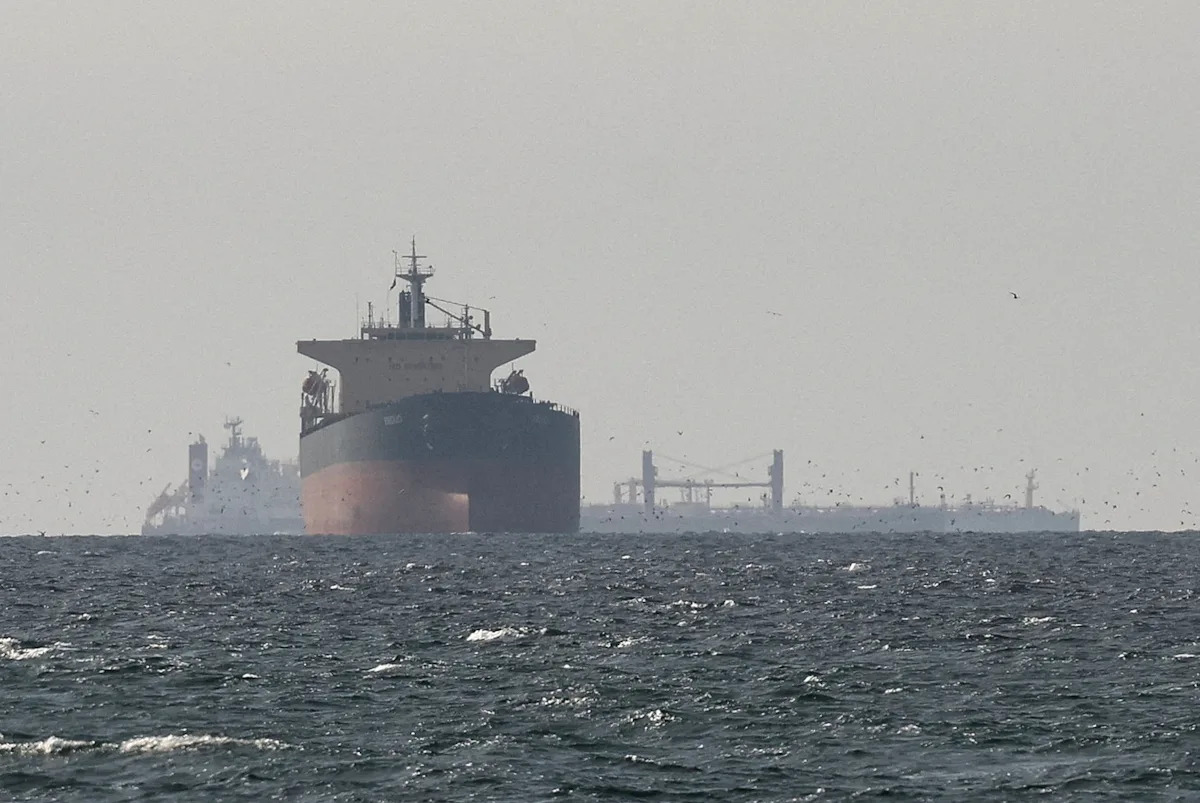
- Global Supply Reduction: The International Energy Agency estimates that the war will cut global oil supply by about 8 million barrels per day, primarily due to the near closure of the Strait of Hormuz, which normally facilitates the transport of 20 million barrels daily, leading to tight market conditions and persistently high oil prices.
- Strategic Reserve Release: The Trump administration plans to release approximately 400 million barrels from strategic reserves, with an expected daily release of 1.4 million barrels over four months; however, even a total global release of 3 million barrels per day may not compensate for the supply shortfall caused by the war, resulting in a weak market response.
- Rising Oil Prices: According to AAA, the price of regular gasoline has increased by $0.69 over the past month, marking a 23% rise, while oil prices in the U.S. market surged from $63 in mid-February to $97 on Friday, reflecting market anxiety over future supply.
- Military Intervention Risks: Despite predictions from Trump and Defense Secretary that the war would be short-lived, escalating tensions increase the likelihood of military intervention, leaving the market uncertain about future oil price trends and posing challenges to economic recovery.
Trade with 70% Backtested Accuracy
Stop guessing "Should I Buy GS?" and start using high-conviction signals backed by rigorous historical data.
Sign up today to access powerful investing tools and make smarter, data-driven decisions.
Analyst Views on GS
Wall Street analysts forecast GS stock price to rise
12 Analyst Rating
5 Buy
7 Hold
0 Sell
Moderate Buy
Current: 787.520

Low
604.00
Averages
951.45
High
1100
Current: 787.520
Low
604.00
Averages
951.45
High
1100
About GS
The Goldman Sachs Group, Inc. is a global financial institution that delivers a range of financial services to a large and diversified client base that includes corporations, financial institutions, governments and individuals. Its segments include Global Banking & Markets, Asset & Wealth Management and Platform Solutions. The Global Banking & Markets segment offers a range of services, including financing, advisory services, risk distribution, and hedging for its institutional and corporate clients. It facilitates client transactions and makes markets in fixed income, equity, currency and commodity products. The Asset & Wealth Management segment manages assets and offers investment products across all asset classes to a diverse set of clients. It also provides investing and wealth advisory solutions. The Platform Solutions segment includes consumer platforms, such as partnerships offering credit cards and point-of-sale financing, and transaction banking and other platform businesses.
About the author

Emily J. Thompson
Emily J. Thompson, a Chartered Financial Analyst (CFA) with 12 years in investment research, graduated with honors from the Wharton School. Specializing in industrial and technology stocks, she provides in-depth analysis for Intellectia’s earnings and market brief reports.
XRP and Solana ETF Holders Show Strong Resilience

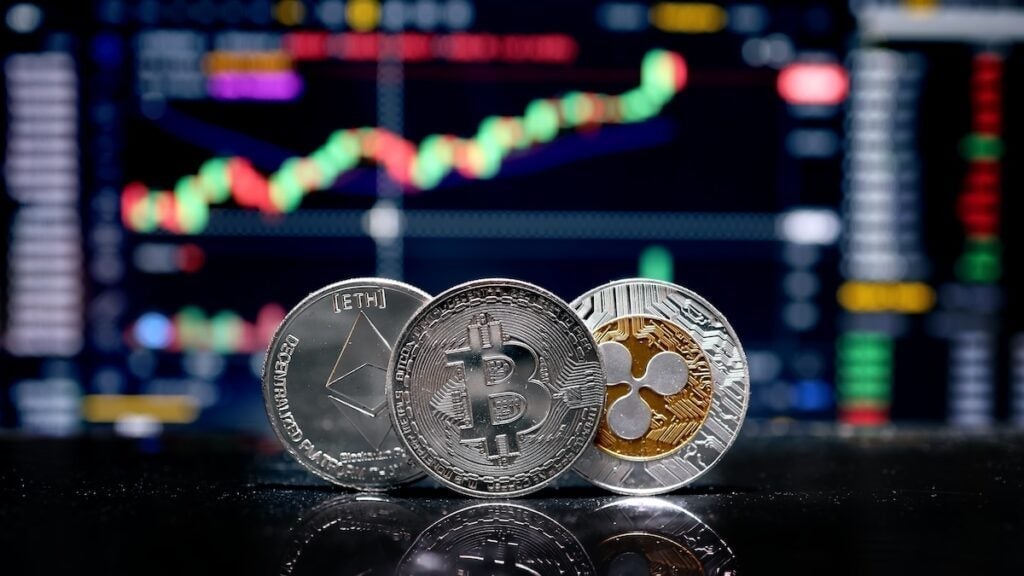
- Holder Resilience: Despite XRP and Solana ETFs experiencing over a 60% asset decline, these products still attracted $1.4 billion in inflows, demonstrating the steadfast confidence of their holders, which significantly outperforms Bitcoin and Ethereum ETF holders.
- Flow Movement Discrepancy: Bitcoin ETFs saw approximately $9 billion in outflows from October 2025 to February 2026, representing about 12-15% of flows, while Ethereum ETFs faced a higher outflow rate of 25%, indicating a more sensitive market reaction to short-term volatility for these assets.
- Investor Base Analysis: Seyffart noted that the investor bases for XRP and Solana ETFs differ from those of Bitcoin and Ethereum, with the former attracting more long-term investors, while the latter experienced short-term capital exits due to collapsing basis trade liquidity, reflecting distinct market participation strategies.
- Institutional Participation: As of December 2025, 50% of Solana ETF holders are 13F filers, indicating strong institutional backing, whereas less than 15% of XRP ETF holders are known institutions, suggesting a retail investor dominance, with potential future institutional participation likely to drive market demand.
See More
Judge Blocks Subpoenas Against Fed Chair Powell Amid Controversy


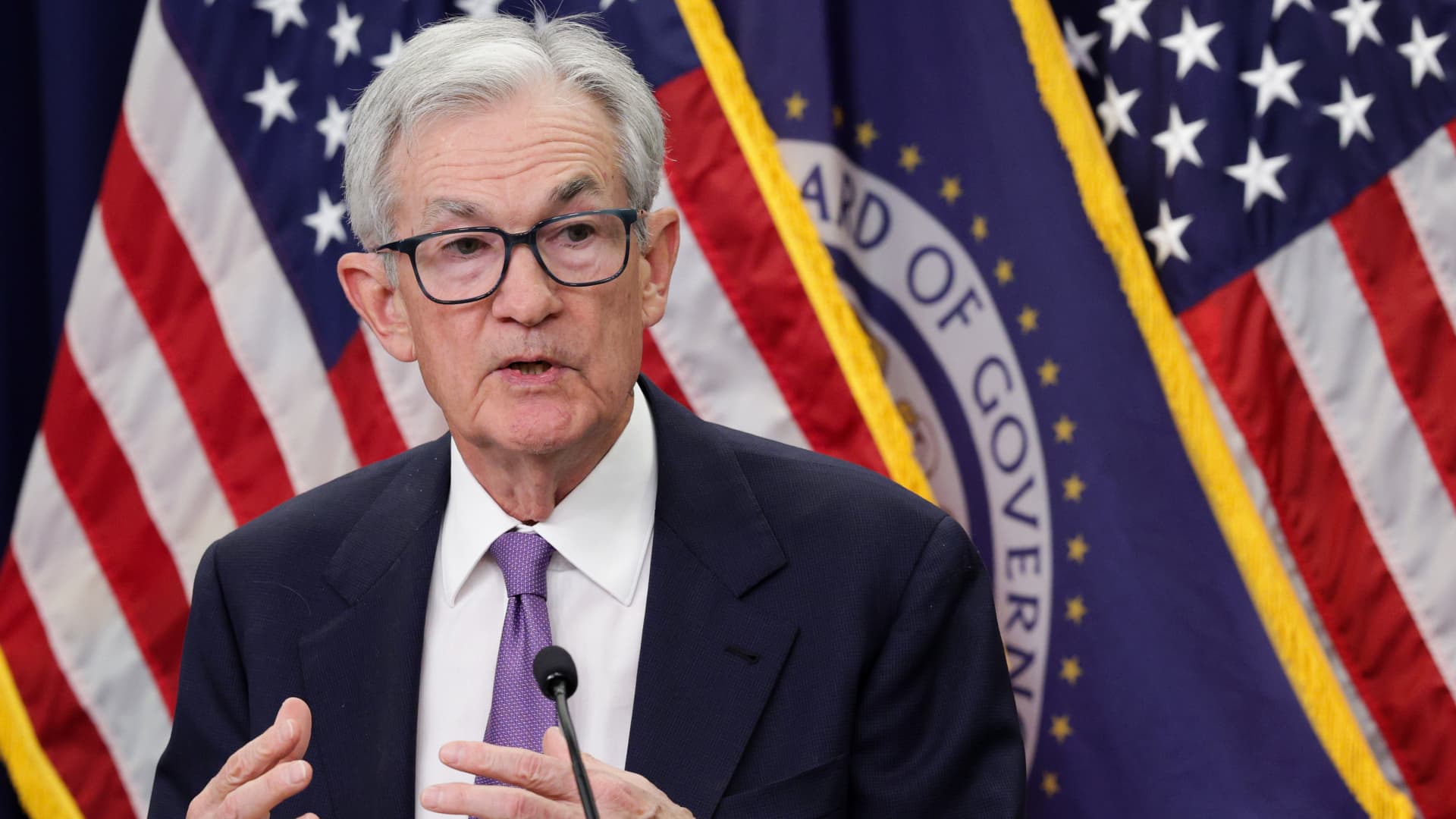
- Judge Rules Subpoenas Invalid: U.S. District Judge James Boasberg ruled that subpoenas issued against Federal Reserve Chair Jerome Powell were improperly motivated by pressure from President Trump, indicating a lack of legitimate purpose that could affect Powell's stability in office.
- No Evidence of Wrongdoing: Boasberg highlighted that the prosecution failed to provide any evidence of criminal activity by Powell, other than displeasing the President, which may weaken attacks on the Fed's independence and further solidify Powell's position.
- DOJ Plans to Appeal: Prosecutor Jeanine Pirro announced plans to appeal the “outrageous” ruling, asserting it lacks legal authority, which could impact the Fed's policy direction amid increasing economic uncertainty.
- Cautious Market Response: Rising energy costs due to the Iran war have delayed market expectations for further rate cuts, and Powell's continued tenure may influence future monetary policy decisions, especially as market hopes for rate reductions diminish.
See More

Iran Conflict Weighs on Market Performance

- Market Volatility Intensifies: The Iranian blockade of oil shipments through the Strait of Hormuz has led to skyrocketing oil prices, causing a widespread market downturn by the end of the week, particularly impacting tech stocks and consumer goods giants, which highlights the fragility of the global economy.
- Limited Energy Stock Performance: Although energy stocks rose due to limited operations in the Persian Gulf, they only account for 3.4% of the S&P 500's market value, failing to offset the negative effects of high oil prices, indicating insufficient reliance on energy stocks in the overall market.
- “Magnificent 7” Suffer Major Losses: Amazon's market cap shrank by $120 billion this week, directly linked to its $200 billion investment in AI data centers amidst rising power costs, reflecting declining investor confidence in tech stocks.
- Uncertain Market Outlook: Despite current market declines being less than 2%, the ongoing Iranian conflict will likely continue to influence market sentiment, prompting investors to prepare for potential future volatility, which underscores the uncertainty in the market.
See More

Iranian Blockade of Strait of Hormuz Drives Oil Prices Up
- Oil Price Surge: The Iranian blockade of the Strait of Hormuz has led to a significant spike in oil prices this week, causing energy stocks to rise, yet their less than 4% share in the S&P 500 limits their overall market impact.
- Market Volatility: The Dow Jones suffered heavily from 6% drops in both Goldman Sachs and Home Depot, as the initial optimism from early week gains faded with escalating conflict, shifting market sentiment to a bearish outlook.
- Tech Stock Pressure: The combination of soaring energy demand and constrained supply has put pressure on tech stocks, banks, and consumer goods giants, with Amazon losing $120 billion in market cap this week, directly impacting its $200 billion investment in AI data centers.
- Uncertain Market Outlook: Although the overall market drop was under 2%, the Iranian crisis is likely to continue shaping market sentiment, prompting investors to prepare for potential volatility ahead.
See More
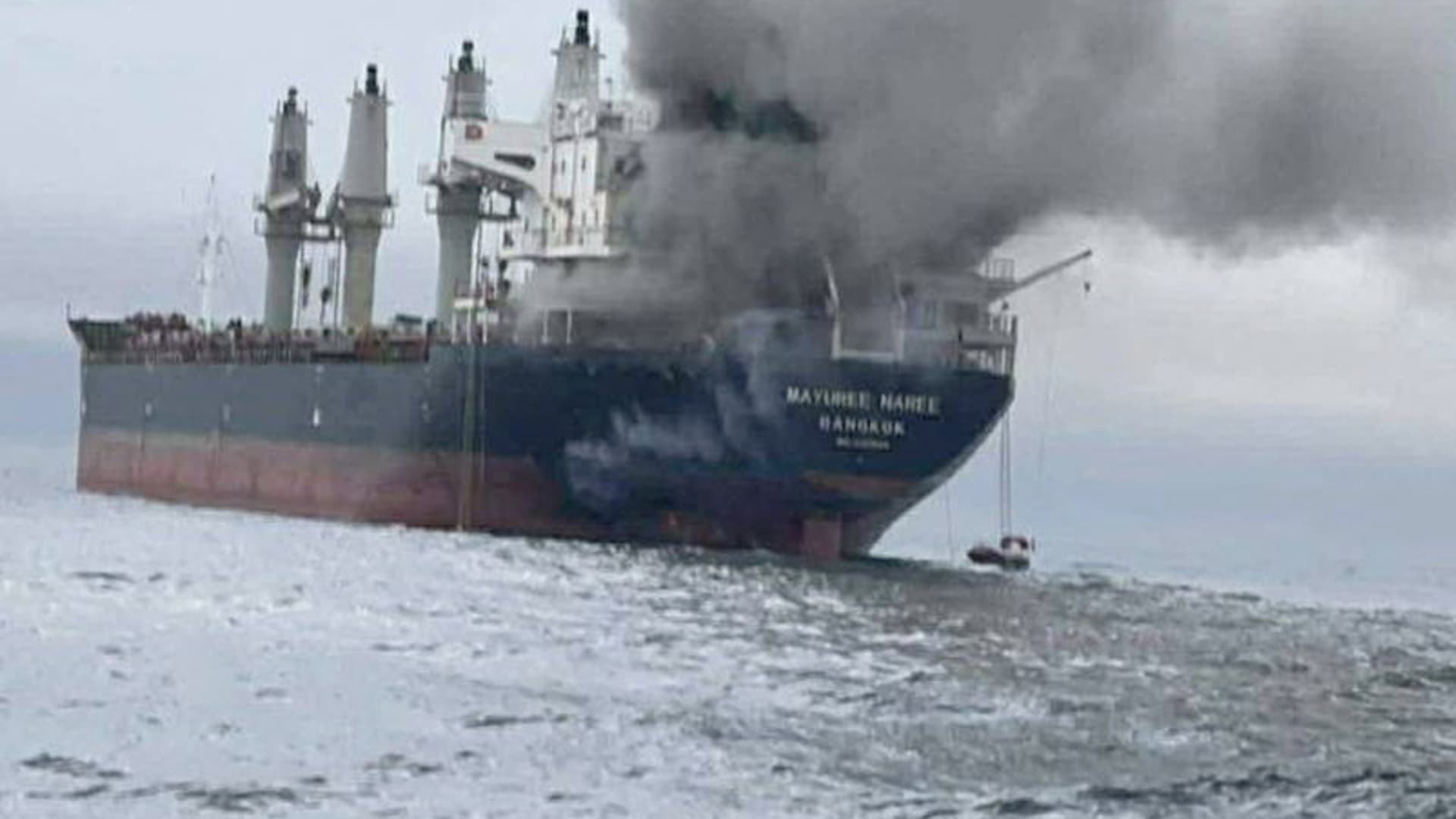
Iran Conflict Triggers Surge in Oil Prices

- Global Supply Reduction: The International Energy Agency estimates that the war will cut global oil supply by about 8 million barrels per day, primarily due to the near closure of the Strait of Hormuz, which normally facilitates the transport of 20 million barrels daily, leading to tight market conditions and persistently high oil prices.
- Strategic Reserve Release: The Trump administration plans to release approximately 400 million barrels from strategic reserves, with an expected daily release of 1.4 million barrels over four months; however, even a total global release of 3 million barrels per day may not compensate for the supply shortfall caused by the war, resulting in a weak market response.
- Rising Oil Prices: According to AAA, the price of regular gasoline has increased by $0.69 over the past month, marking a 23% rise, while oil prices in the U.S. market surged from $63 in mid-February to $97 on Friday, reflecting market anxiety over future supply.
- Military Intervention Risks: Despite predictions from Trump and Defense Secretary that the war would be short-lived, escalating tensions increase the likelihood of military intervention, leaving the market uncertain about future oil price trends and posing challenges to economic recovery.
See More
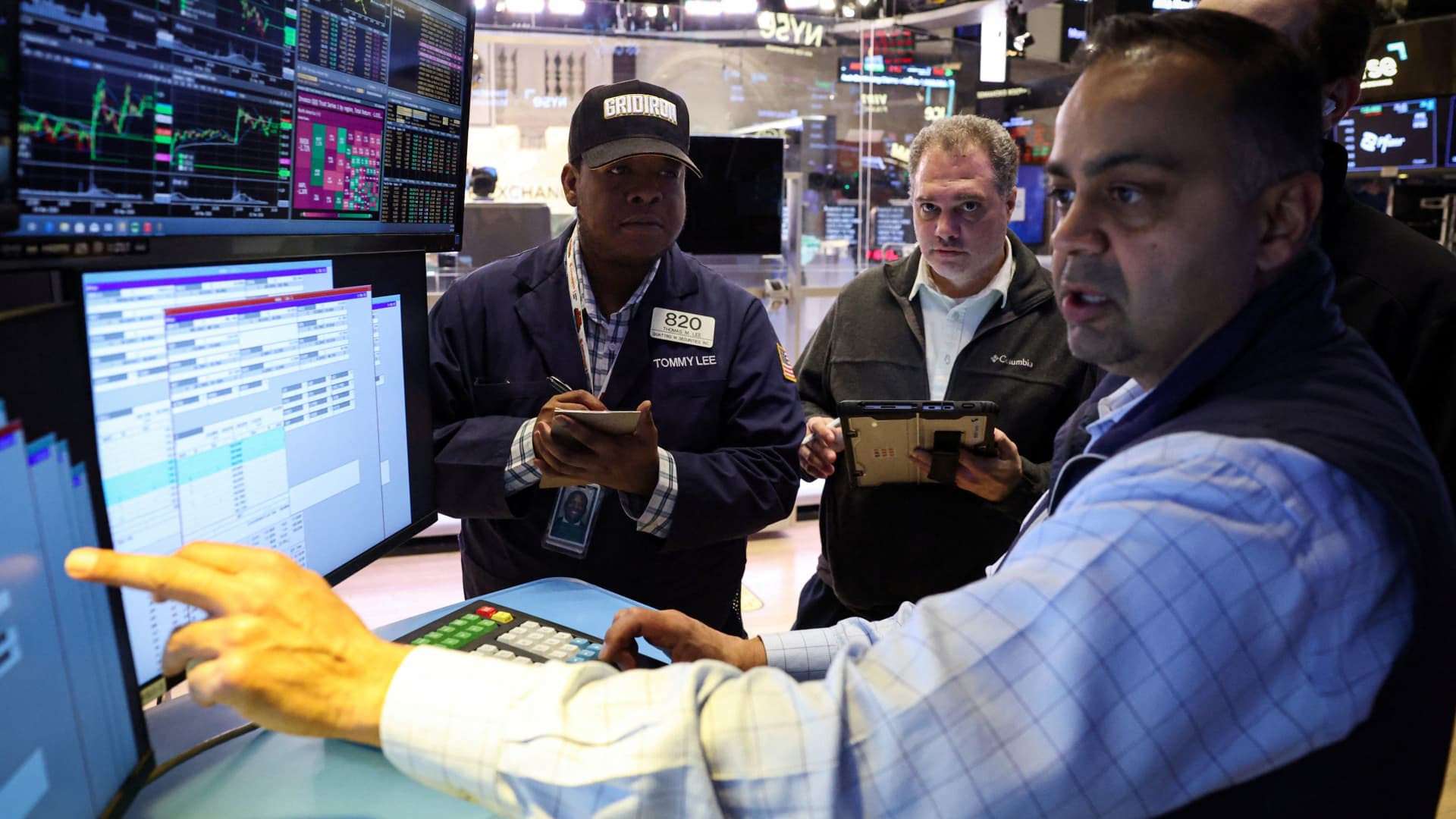
Retail Traders Continue to Buy Stocks Amid Market Volatility
- Retail Buying Trend: Despite the S&P 500's 1.5% drop in the previous session, Citadel Securities noted that retail investors remained net buyers on Thursday, indicating strong confidence that may provide support during future market volatility.
- Market Risk Sentiment: Amid ongoing U.S.-Iran conflict and crude prices hovering around $100 per barrel, the buying behavior of retail investors reflects resilience towards the market, although the overall sentiment leans towards risk aversion, which may influence future investment decisions.
- Market Range Limitation: Goldman Sachs analyst Tony Pasquariello highlighted that the S&P 500 has been confined to a 6.7% range over the past five months, with a closing low of 6,538.76 and a high of 6,978.60, indicating a lack of momentum for a breakout, while retail buying strength has notably diminished.
- Geopolitical Impact: Should the closure of the Strait of Hormuz persist and oil prices sustainably breach $100, market confidence in the 'Trump put' may come under pressure, potentially weakening retail investors' willingness to buy dips and affecting overall market performance.
See More
XRP and Solana ETF Holders Show Strong Resilience
- Holder Resilience: Despite XRP and Solana ETFs experiencing over a 60% asset decline, these products still attracted $1.4 billion in inflows, demonstrating the steadfast confidence of their holders, which significantly outperforms Bitcoin and Ethereum ETF holders.
- Flow Movement Discrepancy: Bitcoin ETFs saw approximately $9 billion in outflows from October 2025 to February 2026, representing about 12-15% of flows, while Ethereum ETFs faced a higher outflow rate of 25%, indicating a more sensitive market reaction to short-term volatility for these assets.
- Investor Base Analysis: Seyffart noted that the investor bases for XRP and Solana ETFs differ from those of Bitcoin and Ethereum, with the former attracting more long-term investors, while the latter experienced short-term capital exits due to collapsing basis trade liquidity, reflecting distinct market participation strategies.
- Institutional Participation: As of December 2025, 50% of Solana ETF holders are 13F filers, indicating strong institutional backing, whereas less than 15% of XRP ETF holders are known institutions, suggesting a retail investor dominance, with potential future institutional participation likely to drive market demand.
See More
Judge Blocks Subpoenas Against Fed Chair Powell Amid Controversy
- Judge Rules Subpoenas Invalid: U.S. District Judge James Boasberg ruled that subpoenas issued against Federal Reserve Chair Jerome Powell were improperly motivated by pressure from President Trump, indicating a lack of legitimate purpose that could affect Powell's stability in office.
- No Evidence of Wrongdoing: Boasberg highlighted that the prosecution failed to provide any evidence of criminal activity by Powell, other than displeasing the President, which may weaken attacks on the Fed's independence and further solidify Powell's position.
- DOJ Plans to Appeal: Prosecutor Jeanine Pirro announced plans to appeal the “outrageous” ruling, asserting it lacks legal authority, which could impact the Fed's policy direction amid increasing economic uncertainty.
- Cautious Market Response: Rising energy costs due to the Iran war have delayed market expectations for further rate cuts, and Powell's continued tenure may influence future monetary policy decisions, especially as market hopes for rate reductions diminish.
See More
Iran Conflict Weighs on Market Performance
- Market Volatility Intensifies: The Iranian blockade of oil shipments through the Strait of Hormuz has led to skyrocketing oil prices, causing a widespread market downturn by the end of the week, particularly impacting tech stocks and consumer goods giants, which highlights the fragility of the global economy.
- Limited Energy Stock Performance: Although energy stocks rose due to limited operations in the Persian Gulf, they only account for 3.4% of the S&P 500's market value, failing to offset the negative effects of high oil prices, indicating insufficient reliance on energy stocks in the overall market.
- “Magnificent 7” Suffer Major Losses: Amazon's market cap shrank by $120 billion this week, directly linked to its $200 billion investment in AI data centers amidst rising power costs, reflecting declining investor confidence in tech stocks.
- Uncertain Market Outlook: Despite current market declines being less than 2%, the ongoing Iranian conflict will likely continue to influence market sentiment, prompting investors to prepare for potential future volatility, which underscores the uncertainty in the market.
See More
Iranian Blockade of Strait of Hormuz Drives Oil Prices Up
- Oil Price Surge: The Iranian blockade of the Strait of Hormuz has led to a significant spike in oil prices this week, causing energy stocks to rise, yet their less than 4% share in the S&P 500 limits their overall market impact.
- Market Volatility: The Dow Jones suffered heavily from 6% drops in both Goldman Sachs and Home Depot, as the initial optimism from early week gains faded with escalating conflict, shifting market sentiment to a bearish outlook.
- Tech Stock Pressure: The combination of soaring energy demand and constrained supply has put pressure on tech stocks, banks, and consumer goods giants, with Amazon losing $120 billion in market cap this week, directly impacting its $200 billion investment in AI data centers.
- Uncertain Market Outlook: Although the overall market drop was under 2%, the Iranian crisis is likely to continue shaping market sentiment, prompting investors to prepare for potential volatility ahead.
See More
Iran Conflict Triggers Surge in Oil Prices
- Global Supply Reduction: The International Energy Agency estimates that the war will cut global oil supply by about 8 million barrels per day, primarily due to the near closure of the Strait of Hormuz, which normally facilitates the transport of 20 million barrels daily, leading to tight market conditions and persistently high oil prices.
- Strategic Reserve Release: The Trump administration plans to release approximately 400 million barrels from strategic reserves, with an expected daily release of 1.4 million barrels over four months; however, even a total global release of 3 million barrels per day may not compensate for the supply shortfall caused by the war, resulting in a weak market response.
- Rising Oil Prices: According to AAA, the price of regular gasoline has increased by $0.69 over the past month, marking a 23% rise, while oil prices in the U.S. market surged from $63 in mid-February to $97 on Friday, reflecting market anxiety over future supply.
- Military Intervention Risks: Despite predictions from Trump and Defense Secretary that the war would be short-lived, escalating tensions increase the likelihood of military intervention, leaving the market uncertain about future oil price trends and posing challenges to economic recovery.
See More
Retail Traders Continue to Buy Stocks Amid Market Volatility
- Retail Buying Trend: Despite the S&P 500's 1.5% drop in the previous session, Citadel Securities noted that retail investors remained net buyers on Thursday, indicating strong confidence that may provide support during future market volatility.
- Market Risk Sentiment: Amid ongoing U.S.-Iran conflict and crude prices hovering around $100 per barrel, the buying behavior of retail investors reflects resilience towards the market, although the overall sentiment leans towards risk aversion, which may influence future investment decisions.
- Market Range Limitation: Goldman Sachs analyst Tony Pasquariello highlighted that the S&P 500 has been confined to a 6.7% range over the past five months, with a closing low of 6,538.76 and a high of 6,978.60, indicating a lack of momentum for a breakout, while retail buying strength has notably diminished.
- Geopolitical Impact: Should the closure of the Strait of Hormuz persist and oil prices sustainably breach $100, market confidence in the 'Trump put' may come under pressure, potentially weakening retail investors' willingness to buy dips and affecting overall market performance.
See More