Investment Opportunities in Economic Adversity
Written by Emily J. Thompson, Senior Investment Analyst
Updated: Mar 02 2026
0mins


Source: NASDAQ.COM
- Fitness Industry Potential: Planet Fitness ended 2025 with approximately 20.8 million members and achieved a 6.7% same-store sales growth across nearly 2,900 clubs, indicating that consumers are willing to maintain affordable fitness habits even in a high inflation and interest rate environment, thereby enhancing its market competitiveness.
- Retail Market Performance: Dollar General operates nearly 21,000 stores in the U.S., becoming a go-to destination for consumers seeking value during economic hardships; despite inflationary pressures, the company continues to provide essential goods, demonstrating resilience and adaptability in the retail sector.
- Pest Control Business: Rollins is expected to achieve 7%-8% organic growth in 2026, showcasing strong growth potential in a low-growth economic environment, while its low debt levels and pricing power allow it to maintain profitability during economic adversity, attracting investor interest.
- Market Adaptability: Analysts believe that companies like Planet Fitness, Dollar General, and Rollins can meet basic consumer needs by offering affordable services and products, enabling them to achieve growth in uncertain economic conditions characterized by high inflation and slowing growth.
Trade with 70% Backtested Accuracy
Stop guessing "Should I Buy DG?" and start using high-conviction signals backed by rigorous historical data.
Sign up today to access powerful investing tools and make smarter, data-driven decisions.
Analyst Views on DG
Wall Street analysts forecast DG stock price to rise
16 Analyst Rating
9 Buy
7 Hold
0 Sell
Moderate Buy
Current: 117.170

Low
125.00
Averages
147.00
High
170.00
Current: 117.170
Low
125.00
Averages
147.00
High
170.00
About DG
Dollar General Corporation is a discount retailer. The Company offers merchandise, including consumable items, seasonal items, home products and apparel. Its merchandise includes brands from manufacturers, as well as its own private brand selections with prices at discounts to brands. Its consumables category includes paper and cleaning products, packaged food, perishables, snacks, health and beauty, pet, and tobacco products. Its seasonal products include holiday items, toys, batteries, small electronics, greeting cards, stationery, prepaid phones and accessories, gardening supplies, hardware, automotive and home office supplies. Its home products include kitchen supplies, cookware, small appliances, light bulbs, storage containers, frames, candles, craft supplies and kitchen, bed and bath soft goods. The Company’s apparel products include basic items for infants, toddlers, girls, boys, women and men, as well as socks, underwear, disposable diapers, shoes and accessories.
About the author

Emily J. Thompson
Emily J. Thompson, a Chartered Financial Analyst (CFA) with 12 years in investment research, graduated with honors from the Wharton School. Specializing in industrial and technology stocks, she provides in-depth analysis for Intellectia’s earnings and market brief reports.

U.S. Consumer Spending Shows Unexpected Growth Amid Iran War


- Retail Sales Growth: U.S. retail sales rose 0.6% in February compared to the previous month, surpassing the expected 0.4% growth, indicating broad consumer spending increases in discretionary categories like department stores, restaurants, and cars, despite ongoing recession concerns.
- Impact of Energy Prices: The Iran war has led to a one-third increase in oil prices, raising fuel and shipping costs, prompting investors to seek safe investment avenues, with consumer staples stocks favored for their defensive and recession-resistant characteristics.
- Dollar General Performance: Dollar General has a strong track record during economic downturns, with management noting a shift in consumer behavior due to high energy prices and inflation, anticipating comparable sales and profit growth in 2025 as it continues to expand and renovate stores.
- Philip Morris Growth: Philip Morris International has pivoted successfully to next-gen products like Zyn and Iqos, achieving a 6.5% organic revenue growth to $40.6 billion, with a solid 3.7% dividend yield, positioning it well to weather market volatility amid the Iran conflict.
See More

Oversold Signals Emerge in Large-Cap Stocks


- Oversold Stock List: The Relative Strength Index (RSI) screening highlights Sysco Corporation (SYY) at the top with an RSI of 24, indicating significant oversold signals and a market capitalization of $34.11 billion, suggesting potential undervaluation and rebound opportunities.
- Sector Distribution: Following closely is Boston Scientific Corporation (BSX) with an RSI of 25 and a market cap of $93.26 billion, reflecting intense selling pressure across sectors such as healthcare and consumer staples, which may present value investment opportunities for investors.
- Other Notable Oversold Stocks: McCormick & Company (MKC), Cintas Corporation (CTAS), and Universal Health Services (UHS) rank in the top five with RSI values of 26 and 27, and market caps of $13.54 billion, $67.66 billion, and $10.93 billion respectively, highlighting their vulnerability in the current market environment.
- Market Pressure Analysis: All stocks in the top ten list maintain an RSI below 30, indicating high selling pressure across sectors including medical facilities, retail, and real estate, prompting investors to monitor these oversold stocks for potential rebound opportunities amidst market volatility.
See More

Nebius Signs $27 Billion AI Deal with Meta Platforms


- Major Partnership Agreement: Nebius has signed a $27 billion AI infrastructure deal with Meta Platforms, ensuring that Meta secures sufficient computing power over the next five years to support its AI model development, showcasing Nebius's strong competitive position in the AI cloud computing sector.
- Market Validation: The deal's value exceeds Nebius's previous company valuation, marking a significant recognition of its status as an emerging cloud provider and proving the viability of its business model, which attracts increased investor interest.
- Technological Investment: Nebius will provide Meta with $12 billion worth of computing capacity using Nvidia's latest Vera Rubin chips, a technological choice that will significantly enhance Meta's competitiveness in the AI space, ensuring it stays ahead in technological advancements.
- Strategic Expansion: This agreement not only deepens the collaboration between Nebius and Meta but also complements other significant investments from Nvidia and Microsoft, further solidifying Nebius's critical role in the global AI infrastructure market.
See More

Nebius Signs Major AI Deal with Meta Platforms
- AI Infrastructure Partnership: Dutch company Nebius has signed a significant AI infrastructure deal worth up to $27 billion with Meta Platforms, ensuring Meta has sufficient computing power for its AI model development over the next five years, highlighting Meta's ambitions in the AI space.
- Market Validation: The contract's value exceeds Nebius's valuation from the previous day, solidifying its position as an emerging cloud service provider and demonstrating the viability of its business model, attracting more investor interest.
- Technological Investment: Meta will utilize Nvidia's latest Vera Rubin chips, expected to provide $12 billion worth of computing capacity starting in 2027, which not only enhances Meta's technological capabilities but also presents significant revenue growth potential for Nebius.
- Retail Performance Highlights: Dollar Tree reported $5.5 billion in revenue for Q4 2025, a 9% year-over-year increase, successfully attracting more consumers by introducing higher-priced items (such as $3, $5, and $7), demonstrating its resilience during economic uncertainty.
See More
Dollar General Reduces Product Assortment to Enhance Efficiency
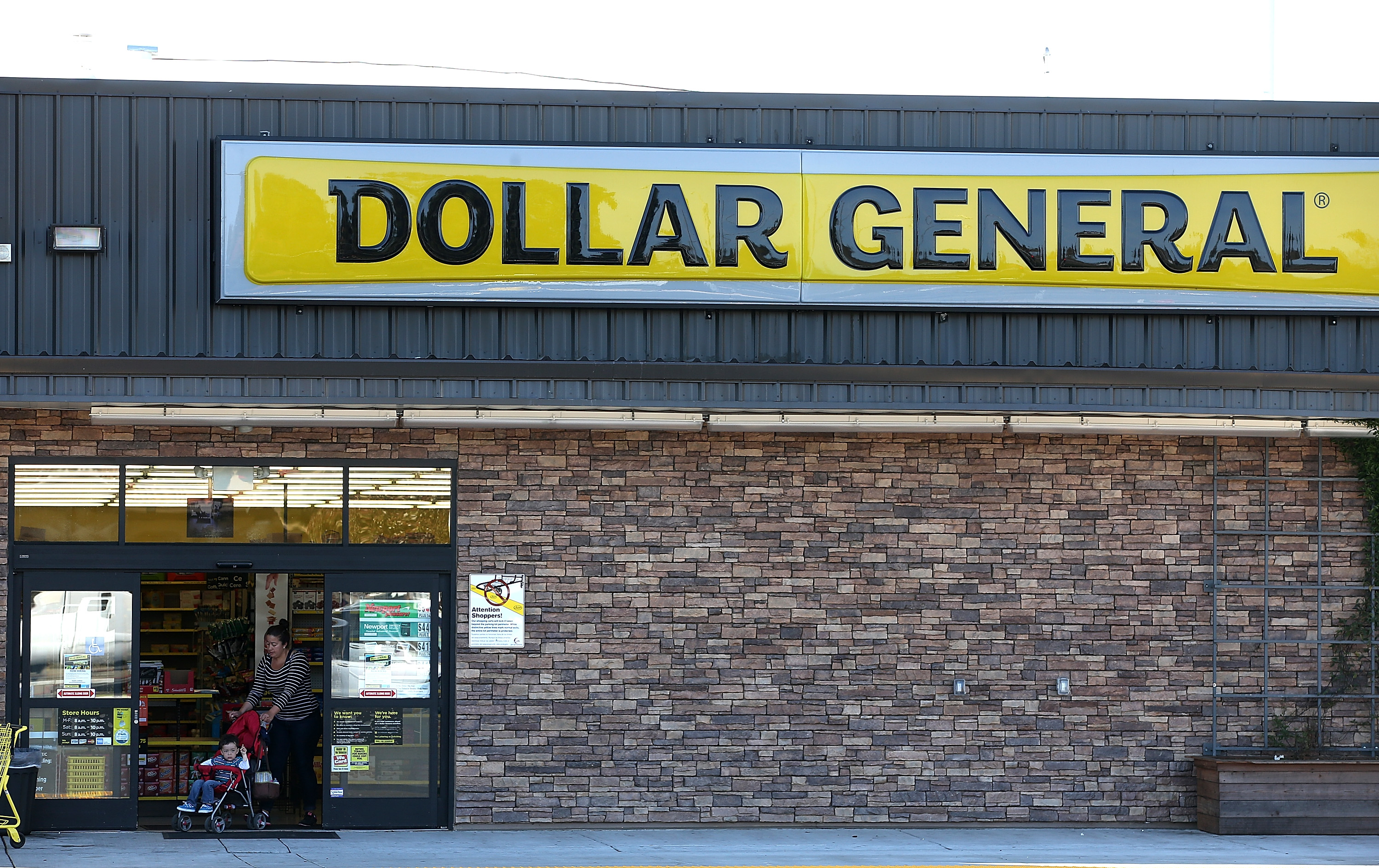
- SKU Reduction Strategy: Dollar General has eliminated over 1,500 SKUs in recent years, aiming to enhance in-stock levels by focusing on faster-selling items, thereby improving supply chain efficiency and in-store conditions.
- Future Plans: COO Emily Taylor indicated that the SKU reduction initiative will extend into 2026, suggesting a commitment to further streamline operations and improve margins, reflecting the company's strategic focus on optimizing its product mix.
- Market Reaction: Despite the SKU reduction strategy, Dollar General's shares fell 0.8% in late morning trading to $118.32, indicating market caution regarding the long-term effectiveness of its strategic initiatives.
- Business Impact: By reducing SKUs, Dollar General not only enhances inventory management but may also strengthen its market position in a competitive retail landscape, particularly amid weak consumer spending trends.
See More

Teachers' Union Calls for Target Boycott

- Boycott Initiated: The American Federation of Teachers (AFT) passed a resolution urging its 1.8 million members to boycott Target for back-to-school shopping due to the company's inadequate response to federal immigration enforcement in Minneapolis, potentially increasing pressure on Target during a critical sales season.
- Sales Decline Trend: Target has experienced declining annual sales for three consecutive years; despite new CEO Michael Fiddelkelaid outlining an ambitious plan with an expected 2% net sales growth this fiscal year, the boycott could hinder efforts to regain customer trust.
- Community Response: While Target is working to rebuild relationships with the Black community and has ended the “Target Fast” boycott, the AFT's call for a boycott may still negatively impact its brand image, particularly among educators.
- Strategic Adjustments: Fiddelke emphasized that Target is implementing price cuts and plans to open its 2,000th store, and despite facing boycott challenges and sales pressures, the company remains committed to enhancing connections and trust with its customers.
See More
U.S. Consumer Spending Shows Unexpected Growth Amid Iran War
- Retail Sales Growth: U.S. retail sales rose 0.6% in February compared to the previous month, surpassing the expected 0.4% growth, indicating broad consumer spending increases in discretionary categories like department stores, restaurants, and cars, despite ongoing recession concerns.
- Impact of Energy Prices: The Iran war has led to a one-third increase in oil prices, raising fuel and shipping costs, prompting investors to seek safe investment avenues, with consumer staples stocks favored for their defensive and recession-resistant characteristics.
- Dollar General Performance: Dollar General has a strong track record during economic downturns, with management noting a shift in consumer behavior due to high energy prices and inflation, anticipating comparable sales and profit growth in 2025 as it continues to expand and renovate stores.
- Philip Morris Growth: Philip Morris International has pivoted successfully to next-gen products like Zyn and Iqos, achieving a 6.5% organic revenue growth to $40.6 billion, with a solid 3.7% dividend yield, positioning it well to weather market volatility amid the Iran conflict.
See More
Oversold Signals Emerge in Large-Cap Stocks
- Oversold Stock List: The Relative Strength Index (RSI) screening highlights Sysco Corporation (SYY) at the top with an RSI of 24, indicating significant oversold signals and a market capitalization of $34.11 billion, suggesting potential undervaluation and rebound opportunities.
- Sector Distribution: Following closely is Boston Scientific Corporation (BSX) with an RSI of 25 and a market cap of $93.26 billion, reflecting intense selling pressure across sectors such as healthcare and consumer staples, which may present value investment opportunities for investors.
- Other Notable Oversold Stocks: McCormick & Company (MKC), Cintas Corporation (CTAS), and Universal Health Services (UHS) rank in the top five with RSI values of 26 and 27, and market caps of $13.54 billion, $67.66 billion, and $10.93 billion respectively, highlighting their vulnerability in the current market environment.
- Market Pressure Analysis: All stocks in the top ten list maintain an RSI below 30, indicating high selling pressure across sectors including medical facilities, retail, and real estate, prompting investors to monitor these oversold stocks for potential rebound opportunities amidst market volatility.
See More
Nebius Signs $27 Billion AI Deal with Meta Platforms
- Major Partnership Agreement: Nebius has signed a $27 billion AI infrastructure deal with Meta Platforms, ensuring that Meta secures sufficient computing power over the next five years to support its AI model development, showcasing Nebius's strong competitive position in the AI cloud computing sector.
- Market Validation: The deal's value exceeds Nebius's previous company valuation, marking a significant recognition of its status as an emerging cloud provider and proving the viability of its business model, which attracts increased investor interest.
- Technological Investment: Nebius will provide Meta with $12 billion worth of computing capacity using Nvidia's latest Vera Rubin chips, a technological choice that will significantly enhance Meta's competitiveness in the AI space, ensuring it stays ahead in technological advancements.
- Strategic Expansion: This agreement not only deepens the collaboration between Nebius and Meta but also complements other significant investments from Nvidia and Microsoft, further solidifying Nebius's critical role in the global AI infrastructure market.
See More
Nebius Signs Major AI Deal with Meta Platforms
- AI Infrastructure Partnership: Dutch company Nebius has signed a significant AI infrastructure deal worth up to $27 billion with Meta Platforms, ensuring Meta has sufficient computing power for its AI model development over the next five years, highlighting Meta's ambitions in the AI space.
- Market Validation: The contract's value exceeds Nebius's valuation from the previous day, solidifying its position as an emerging cloud service provider and demonstrating the viability of its business model, attracting more investor interest.
- Technological Investment: Meta will utilize Nvidia's latest Vera Rubin chips, expected to provide $12 billion worth of computing capacity starting in 2027, which not only enhances Meta's technological capabilities but also presents significant revenue growth potential for Nebius.
- Retail Performance Highlights: Dollar Tree reported $5.5 billion in revenue for Q4 2025, a 9% year-over-year increase, successfully attracting more consumers by introducing higher-priced items (such as $3, $5, and $7), demonstrating its resilience during economic uncertainty.
See More
Dollar General Reduces Product Assortment to Enhance Efficiency
- SKU Reduction Strategy: Dollar General has eliminated over 1,500 SKUs in recent years, aiming to enhance in-stock levels by focusing on faster-selling items, thereby improving supply chain efficiency and in-store conditions.
- Future Plans: COO Emily Taylor indicated that the SKU reduction initiative will extend into 2026, suggesting a commitment to further streamline operations and improve margins, reflecting the company's strategic focus on optimizing its product mix.
- Market Reaction: Despite the SKU reduction strategy, Dollar General's shares fell 0.8% in late morning trading to $118.32, indicating market caution regarding the long-term effectiveness of its strategic initiatives.
- Business Impact: By reducing SKUs, Dollar General not only enhances inventory management but may also strengthen its market position in a competitive retail landscape, particularly amid weak consumer spending trends.
See More
Teachers' Union Calls for Target Boycott
- Boycott Initiated: The American Federation of Teachers (AFT) passed a resolution urging its 1.8 million members to boycott Target for back-to-school shopping due to the company's inadequate response to federal immigration enforcement in Minneapolis, potentially increasing pressure on Target during a critical sales season.
- Sales Decline Trend: Target has experienced declining annual sales for three consecutive years; despite new CEO Michael Fiddelkelaid outlining an ambitious plan with an expected 2% net sales growth this fiscal year, the boycott could hinder efforts to regain customer trust.
- Community Response: While Target is working to rebuild relationships with the Black community and has ended the “Target Fast” boycott, the AFT's call for a boycott may still negatively impact its brand image, particularly among educators.
- Strategic Adjustments: Fiddelke emphasized that Target is implementing price cuts and plans to open its 2,000th store, and despite facing boycott challenges and sales pressures, the company remains committed to enhancing connections and trust with its customers.
See More