Investigation into Archer-Daniels-Midland Company Shareholder Rights
- Shareholder Rights Investigation: Halper Sadeh LLC is investigating whether certain officers of Archer-Daniels-Midland Company breached their fiduciary duties, potentially impacting corporate governance and shareholder rights.
- Legal Relief Options: Long-term shareholders may seek corporate governance reforms, fund recovery, and court-approved financial incentives, aimed at enhancing company transparency and accountability.
- Importance of Participation: Shareholder involvement can improve company policies and oversight mechanisms, thereby enhancing management efficiency and shareholder value, promoting long-term corporate growth.
- Global Investor Representation: Halper Sadeh LLC represents investors worldwide, focusing on combating securities fraud and corporate misconduct, having successfully implemented corporate reforms and recovered millions for defrauded investors.
Trade with 70% Backtested Accuracy
Analyst Views on ADM

About ADM
About the author


Investigation into Archer-Daniels-Midland Company Shareholder Rights

- Shareholder Rights Investigation: Halper Sadeh LLC is investigating whether certain officers of Archer-Daniels-Midland Company breached their fiduciary duties, potentially impacting corporate governance and shareholder rights.
- Contingent Fee Arrangement: The firm offers representation without upfront costs, meaning shareholders are not responsible for legal fees, which reduces the financial burden of participating in the rights enforcement.
- Importance of Shareholder Participation: Involvement from shareholders can drive improvements in company policies and oversight mechanisms, enhancing transparency and accountability, ultimately increasing shareholder value.
- Global Investor Representation: Halper Sadeh LLC represents investors worldwide, focusing on combating securities fraud and corporate misconduct, having successfully implemented corporate reforms and recovered millions for defrauded investors.

El Niño Phenomenon Intensifies Food Security Crisis

- Climate Risk Escalation: Climate scientists warn that a strong El Niño could develop in 2026, potentially exacerbating pressures on global food production, particularly in major agricultural regions, leading to further increases in food prices and impacting farmer revenues.
- Supply Chain Disruption: The Iran war has disrupted supplies through the Strait of Hormuz, affecting about one-third of the world's seaborne fertilizer trade, causing spikes in fertilizer and energy prices, which heightens planting costs and food security concerns among U.S. farmers.
- Surge in Hunger Numbers: The United Nations World Food Programme estimates that if the Iran war continues, the number of people facing acute hunger could rise by 45 million, reaching 318 million globally, highlighting the severity of the food security crisis.
- Need for International Cooperation: As geopolitical tensions rise, international collaboration becomes increasingly vital, with experts emphasizing that reducing food price volatility requires a collective effort to achieve net-zero emissions, aiding farmers in adapting to climate impacts.

US Agriculture-Related Stocks Decline as Iran Ceasefire Reduces Concerns Over Freight and Fertilizer Supply

US Agriculture Linked Shares Slide: Shares related to US agriculture have experienced a decline, reflecting concerns in the sector.
Ease of Fire Concerns: There are growing fears regarding the ease of fire incidents, which may impact agricultural operations.
Freight and Fertilizer Supply Issues: The supply chain for freight and fertilizers is facing challenges, raising alarms among farmers and suppliers.
Market Reactions: The overall market is reacting to these agricultural concerns, indicating potential long-term implications for the industry.
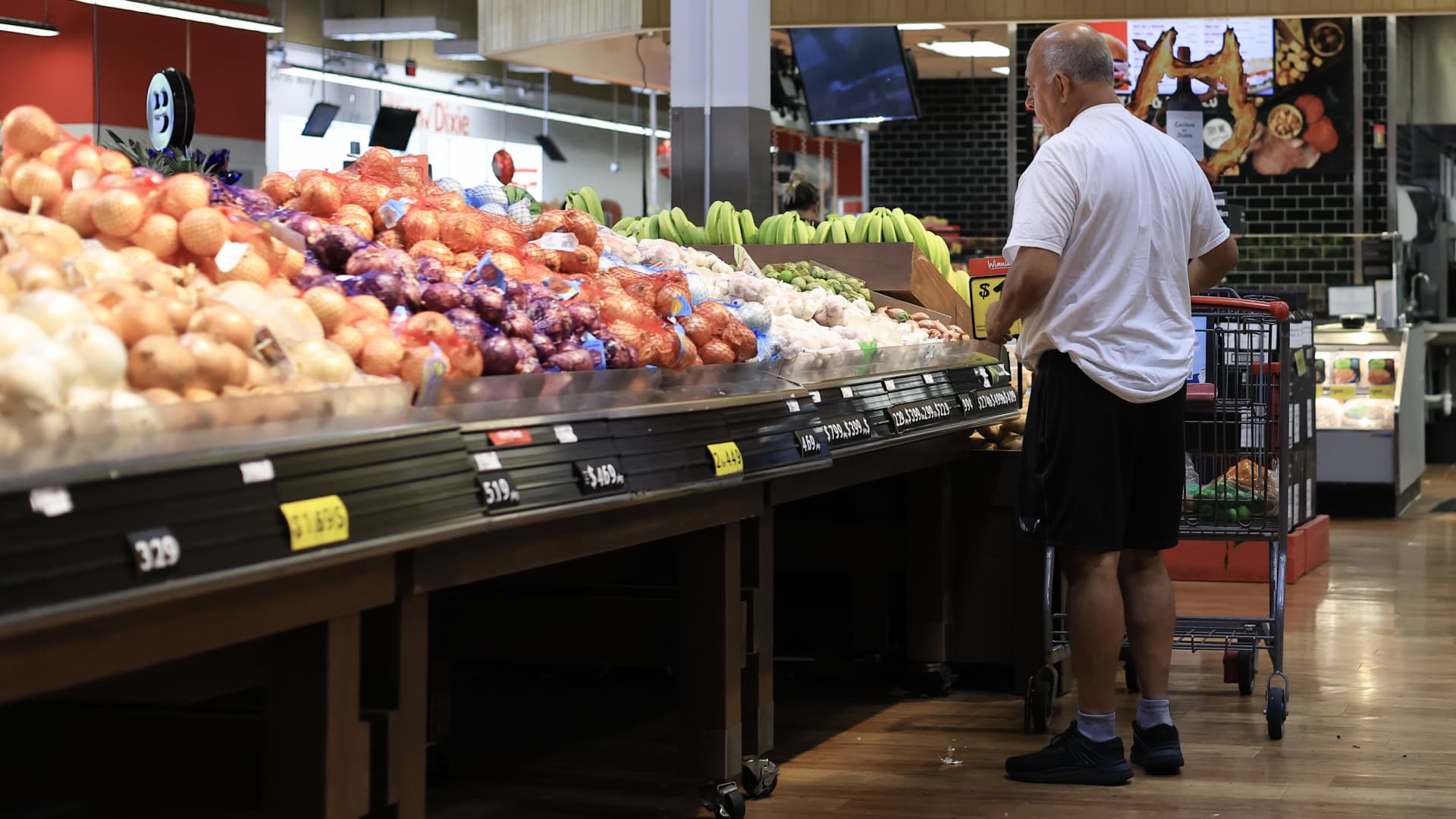
Iran War Triggers Surge in U.S. Food Prices Ahead of Elections


- Food Price Surge: The Iran war has led to soaring oil prices, which are expected to significantly increase food prices in the U.S., impacting voter perceptions ahead of the midterm elections, particularly as the Trump administration faces economic pressures.
- Voter Reaction: Democrats are capitalizing on rising food prices by blaming Trump's war decisions, believing this will affect voter support for Republicans, especially as economic burdens increase.
- Supply Chain Challenges: The costs of food production and transportation are rising due to increased oil and fertilizer prices, with new crops planted this season likely to see higher market prices at harvest time in the fall, exacerbating consumer economic pressures.
- Rising Plastic Costs: The price of plastics needed for food packaging is increasing due to tight natural gas supplies, leading to higher transportation and storage costs for fresh produce, which may drive consumer prices up further in the coming months.
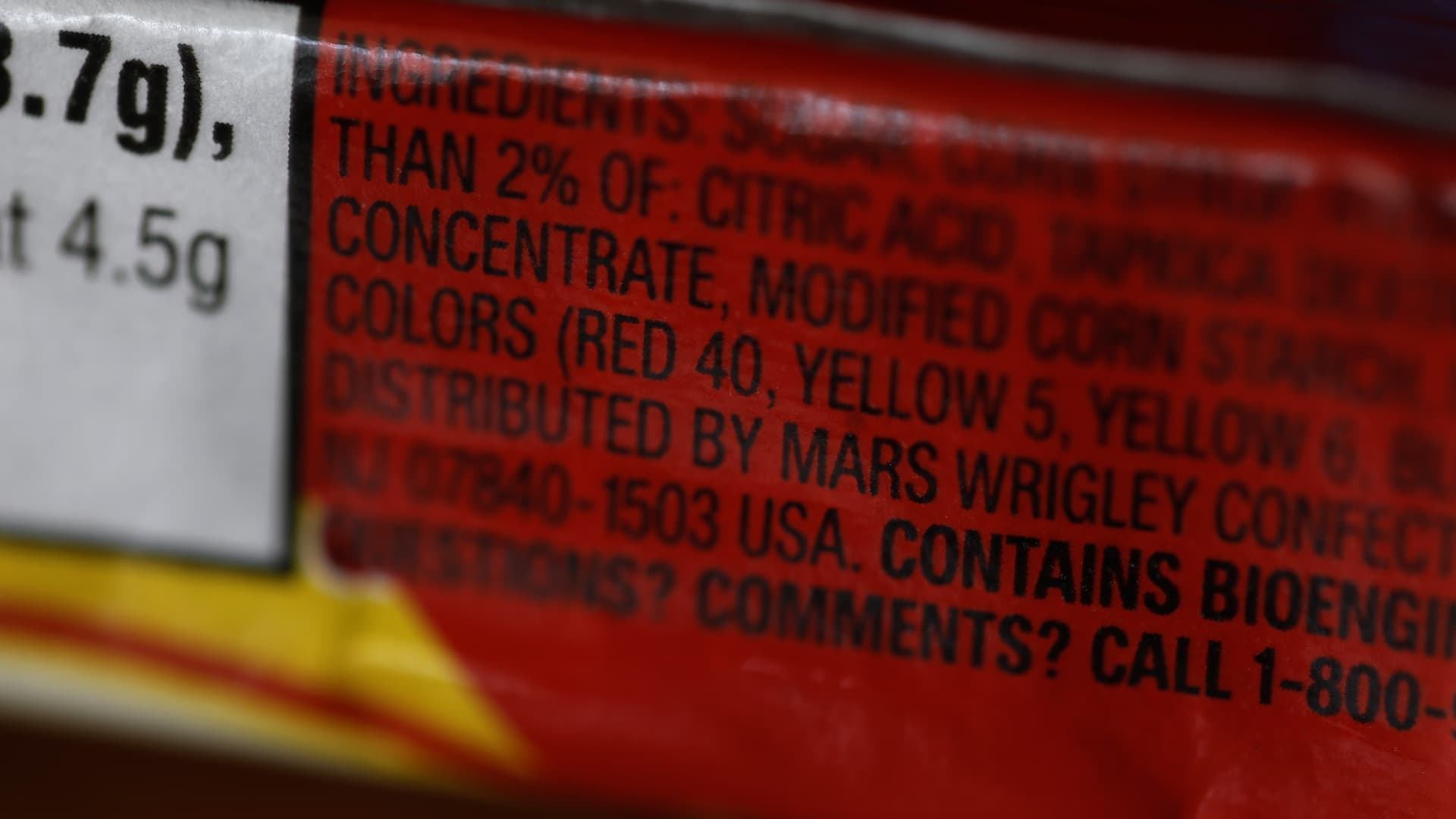
Sensient Technologies Set for Growth as Shift to Natural Dyes Accelerates

- Market Transformation Opportunity: According to UBS, U.S. food producers and grocers are transitioning from synthetic dyes to natural colorants, which is expected to create significant growth opportunities for Sensient Technologies, with analyst Joshua Spector noting this shift will act as a positive catalyst for the company's stock.
- Price Target Increase: UBS initiated coverage with a buy rating on Sensient, setting a price target of $115, implying a 33% upside from Tuesday's close, reflecting confidence in the company's future growth potential.
- Sales Growth Expectations: By 2030, Sensient's color group sales are projected to increase by over 200% due to the growing adoption of natural food colorings, significantly enhancing the company's market share and profitability, particularly in North America.
- Analyst Consensus: Among the three analysts covering Sensient, two have assigned strong buy or buy ratings, indicating a general optimism about the company's future performance, despite its shares having fallen nearly 3% year-to-date.
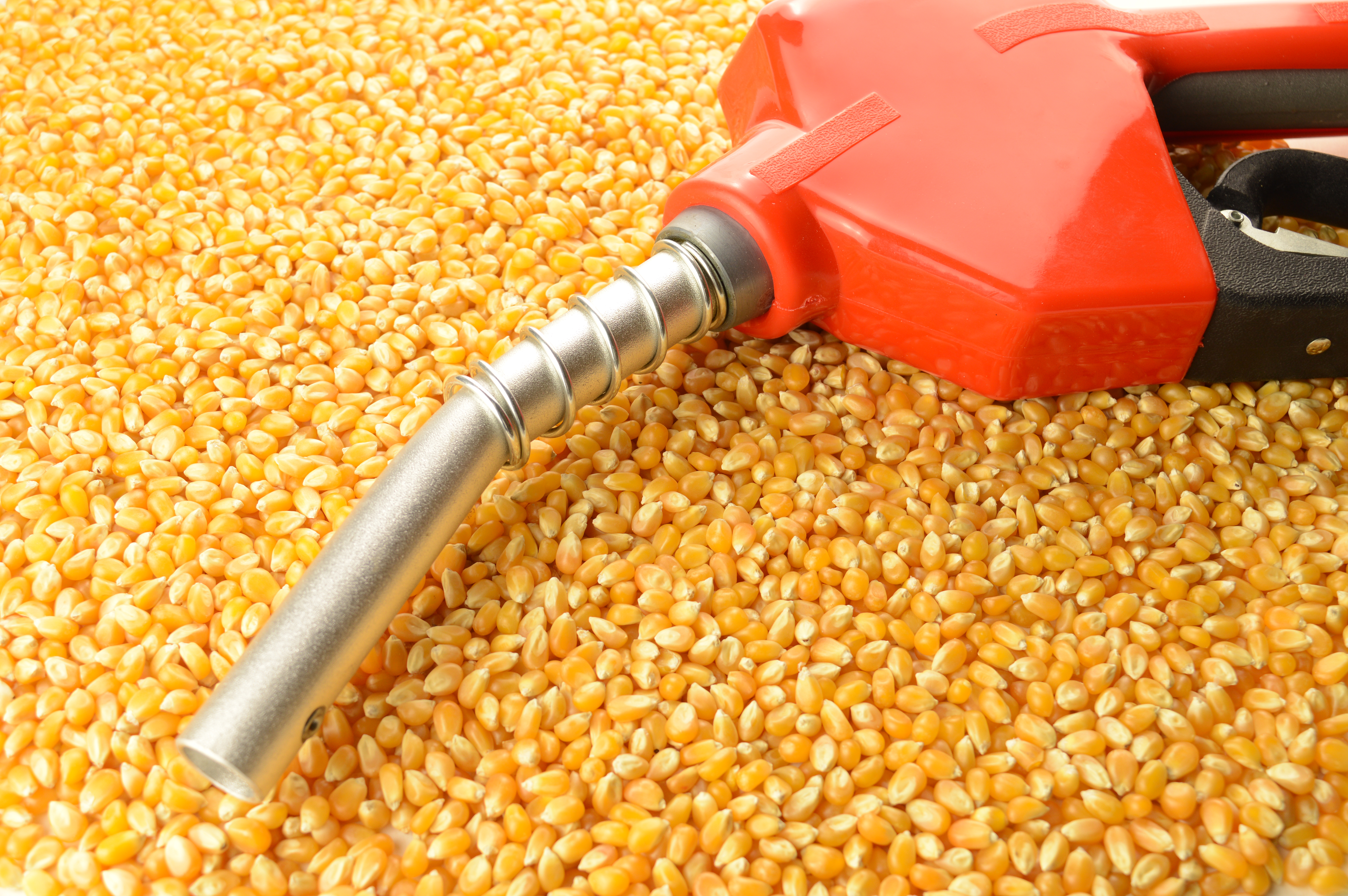
U.S. Biofuel Blending Standards Increased Amid Economic Challenges
- Increased Biofuel Blending: The EPA's new rule mandates refiners to blend a record 25.82 billion gallons of biofuels into gasoline and diesel for 2023 and 2024, representing nearly an 8% increase from last year's projections, aimed at supporting farmers facing low crop prices and high input costs.
- Impact on Diesel and Gasoline Demand: The new regulations raise biomass-based diesel blending by over 60%, which will directly affect refiners' production costs and could lead to higher fuel prices for consumers, particularly amid escalating tensions in Iran.
- Industry Pushback: The American Fuel and Petrochemical Manufacturers criticized the new regulations, arguing that they exacerbate consumer burdens at a time when fuel prices are already rising, highlighting a disconnect between policy intentions and market realities.
- Future Policy Implications: The EPA also announced that starting in 2028, foreign fuels and feedstocks will receive only half of the Renewable Identification Numbers (RINs) compared to U.S.-made products, a measure intended to bolster the domestic biofuel industry, potentially reshaping future market dynamics.
Investigation into Archer-Daniels-Midland Company Shareholder Rights
- Shareholder Rights Investigation: Halper Sadeh LLC is investigating whether certain officers of Archer-Daniels-Midland Company breached their fiduciary duties, potentially impacting corporate governance and shareholder rights.
- Contingent Fee Arrangement: The firm offers representation without upfront costs, meaning shareholders are not responsible for legal fees, which reduces the financial burden of participating in the rights enforcement.
- Importance of Shareholder Participation: Involvement from shareholders can drive improvements in company policies and oversight mechanisms, enhancing transparency and accountability, ultimately increasing shareholder value.
- Global Investor Representation: Halper Sadeh LLC represents investors worldwide, focusing on combating securities fraud and corporate misconduct, having successfully implemented corporate reforms and recovered millions for defrauded investors.
El Niño Phenomenon Intensifies Food Security Crisis
- Climate Risk Escalation: Climate scientists warn that a strong El Niño could develop in 2026, potentially exacerbating pressures on global food production, particularly in major agricultural regions, leading to further increases in food prices and impacting farmer revenues.
- Supply Chain Disruption: The Iran war has disrupted supplies through the Strait of Hormuz, affecting about one-third of the world's seaborne fertilizer trade, causing spikes in fertilizer and energy prices, which heightens planting costs and food security concerns among U.S. farmers.
- Surge in Hunger Numbers: The United Nations World Food Programme estimates that if the Iran war continues, the number of people facing acute hunger could rise by 45 million, reaching 318 million globally, highlighting the severity of the food security crisis.
- Need for International Cooperation: As geopolitical tensions rise, international collaboration becomes increasingly vital, with experts emphasizing that reducing food price volatility requires a collective effort to achieve net-zero emissions, aiding farmers in adapting to climate impacts.
US Agriculture-Related Stocks Decline as Iran Ceasefire Reduces Concerns Over Freight and Fertilizer Supply
US Agriculture Linked Shares Slide: Shares related to US agriculture have experienced a decline, reflecting concerns in the sector.
Ease of Fire Concerns: There are growing fears regarding the ease of fire incidents, which may impact agricultural operations.
Freight and Fertilizer Supply Issues: The supply chain for freight and fertilizers is facing challenges, raising alarms among farmers and suppliers.
Market Reactions: The overall market is reacting to these agricultural concerns, indicating potential long-term implications for the industry.
Iran War Triggers Surge in U.S. Food Prices Ahead of Elections
- Food Price Surge: The Iran war has led to soaring oil prices, which are expected to significantly increase food prices in the U.S., impacting voter perceptions ahead of the midterm elections, particularly as the Trump administration faces economic pressures.
- Voter Reaction: Democrats are capitalizing on rising food prices by blaming Trump's war decisions, believing this will affect voter support for Republicans, especially as economic burdens increase.
- Supply Chain Challenges: The costs of food production and transportation are rising due to increased oil and fertilizer prices, with new crops planted this season likely to see higher market prices at harvest time in the fall, exacerbating consumer economic pressures.
- Rising Plastic Costs: The price of plastics needed for food packaging is increasing due to tight natural gas supplies, leading to higher transportation and storage costs for fresh produce, which may drive consumer prices up further in the coming months.
Sensient Technologies Set for Growth as Shift to Natural Dyes Accelerates
- Market Transformation Opportunity: According to UBS, U.S. food producers and grocers are transitioning from synthetic dyes to natural colorants, which is expected to create significant growth opportunities for Sensient Technologies, with analyst Joshua Spector noting this shift will act as a positive catalyst for the company's stock.
- Price Target Increase: UBS initiated coverage with a buy rating on Sensient, setting a price target of $115, implying a 33% upside from Tuesday's close, reflecting confidence in the company's future growth potential.
- Sales Growth Expectations: By 2030, Sensient's color group sales are projected to increase by over 200% due to the growing adoption of natural food colorings, significantly enhancing the company's market share and profitability, particularly in North America.
- Analyst Consensus: Among the three analysts covering Sensient, two have assigned strong buy or buy ratings, indicating a general optimism about the company's future performance, despite its shares having fallen nearly 3% year-to-date.
U.S. Biofuel Blending Standards Increased Amid Economic Challenges
- Increased Biofuel Blending: The EPA's new rule mandates refiners to blend a record 25.82 billion gallons of biofuels into gasoline and diesel for 2023 and 2024, representing nearly an 8% increase from last year's projections, aimed at supporting farmers facing low crop prices and high input costs.
- Impact on Diesel and Gasoline Demand: The new regulations raise biomass-based diesel blending by over 60%, which will directly affect refiners' production costs and could lead to higher fuel prices for consumers, particularly amid escalating tensions in Iran.
- Industry Pushback: The American Fuel and Petrochemical Manufacturers criticized the new regulations, arguing that they exacerbate consumer burdens at a time when fuel prices are already rising, highlighting a disconnect between policy intentions and market realities.
- Future Policy Implications: The EPA also announced that starting in 2028, foreign fuels and feedstocks will receive only half of the Renewable Identification Numbers (RINs) compared to U.S.-made products, a measure intended to bolster the domestic biofuel industry, potentially reshaping future market dynamics.