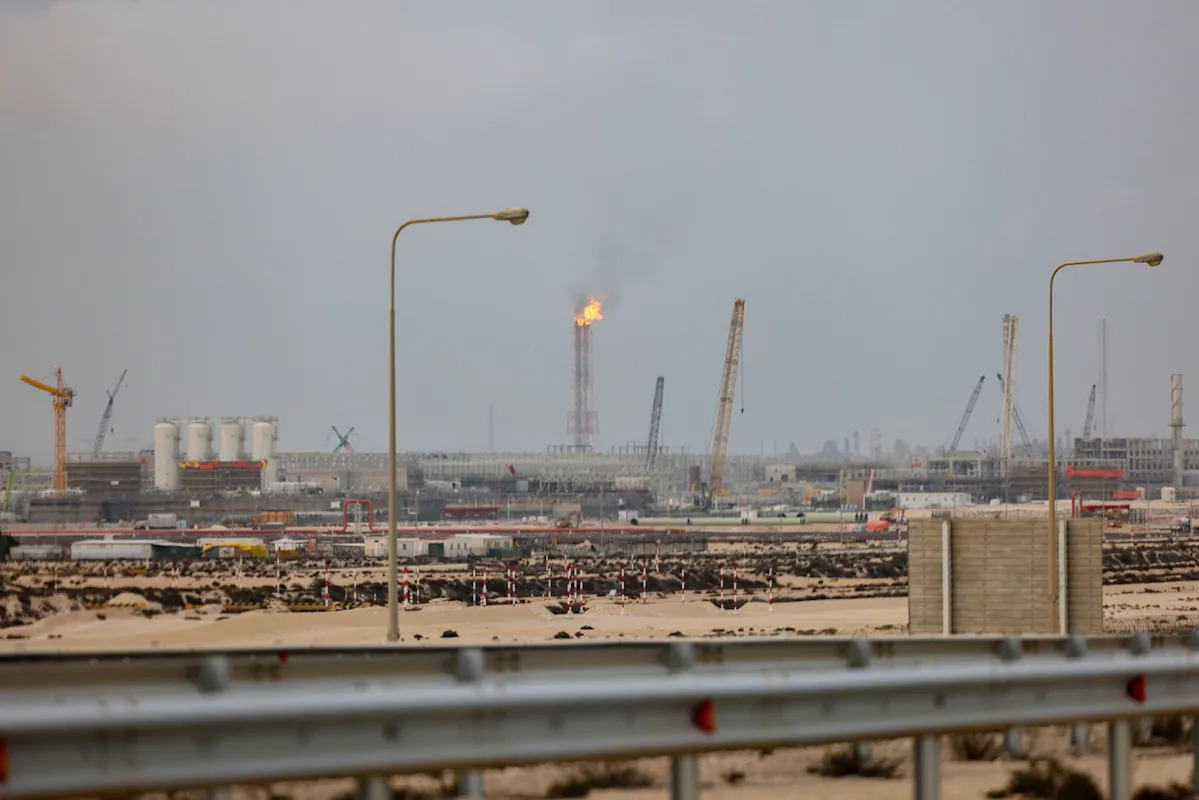
Increased Venezuelan Oil Supply Could Impact Chevron and Refiners in the U.S.


Venezuelan Oil Plan: President Donald Trump announced a plan for Venezuela to potentially supply 30-50 million barrels of oil to the U.S. market.
Impact on U.S. Oil Companies: The plan is expected to have a negligible effect on U.S. oil companies and overall oil supplies.
Market Distortions: This move may indicate the beginning of market distortions in the oil sector.
Geopolitical Implications: The announcement reflects ongoing geopolitical dynamics and the U.S.'s interest in Venezuelan oil resources.
Trade with 70% Backtested Accuracy
Analyst Views on PBF

About PBF
About the author


Middle East War Triggers Oil Market Shock

- Price Surge: Since the initial attacks, crude oil prices have surged over 40%, with Brent crude surpassing $100 per barrel; however, refined products like diesel and jet fuel have seen even greater price increases, indicating strong demand and supply constraints in the market.
- Supply Disruption Risks: Analysts highlight that severe disruptions in medium-heavy crude supplies from the Middle East pose risks of reduced production for diesel, jet fuel, and fuel oil, exacerbating instability in the global energy market and impacting national energy security.
- Asian Market Response: In parts of Asia, fuel costs have doubled recently, prompting countries like South Korea to impose export caps to protect local markets, reflecting the fragility of global energy supply chains and the increasing emphasis on energy independence.
- Refiner Performance: Among U.S. listed refiners, PBF Energy and Par Pacific Holdings stand out with strong buy ratings, indicating market confidence, while CVR Energy's sell rating suggests relative weakness in the current market environment.
PBF Energy to Participate in Energy Conference
- Management Participation: PBF Energy's management team will participate in the Piper Sandler Energy Conference on March 16-17, 2026, showcasing the company's strategic direction in the energy sector to enhance investor confidence and market visibility.
- Investor Relations Materials: The company will make presentation materials available on its website's Investor Relations section, ensuring timely access to the latest information for investors, thereby increasing transparency and fostering engagement.
- Company Overview: PBF Energy is one of the largest independent refiners in North America, operating multiple refineries with a commitment to safe, reliable, and environmentally responsible operations, aiming to deliver superior returns to investors and strengthen market competitiveness.
- Sustainable Fuel Partnership: PBF Energy is also a 50% partner in the St. Bernard Renewables joint venture focused on producing next-generation sustainable fuels, reflecting the company's proactive positioning in energy transition and alignment with global sustainability trends.
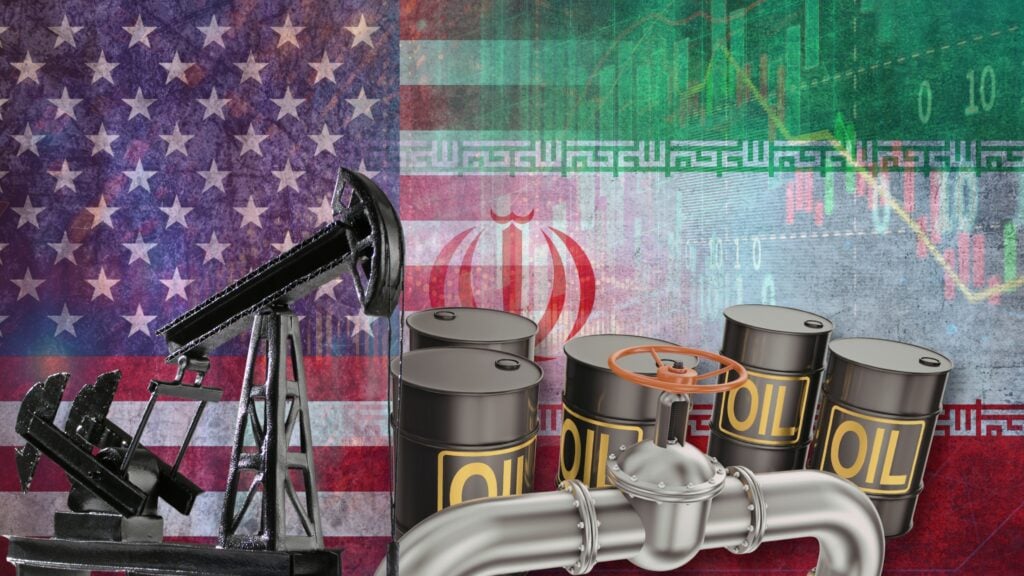
Iran War Reshapes U.S. Refining Landscape


- Surge in Refining Profits: With WTI crude at $96 per barrel and diesel and gasoline futures at $3.92 and $2.90 per gallon respectively, the refining margin (3-2-1 crack spread) is nearing $40 per barrel, nearly double pre-conflict levels, indicating robust profitability for the refining sector in the current market.
- Tightening Refining Capacity: A three-year decline in global refining capacity due to European facility closures and stalled new projects has made the U.S. refining system more resilient to supply shocks, which is expected to drive long-term earnings growth, especially amid Middle Eastern instability.
- Potential Earnings for U.S. Refiners: The U.S. operates 131 active refineries with a combined capacity of approximately 18.4 million barrels per day, processing nearly 5.98 billion barrels annually, which at current crack spreads translates to a theoretical gross revenue of nearly $240 billion per year, significantly exceeding pre-conflict figures of $18-20 per barrel.
- Key Refiners Benefiting: Companies like Valero, PBF, and Phillips 66 are poised to thrive in the current high crack spread environment, with Valero's annual gross refining margin projected to exceed $45 billion, while PBF and Phillips 66 also anticipate substantial profit increases, highlighting the strong recovery potential in the refining industry.

Refining Sector Enters Earnings Supercycle
- Surging Refining Margins: The ongoing Iran-U.S. conflict has led to a significant increase in refining margins, with gasoline crack spreads currently around $28 per barrel and diesel crack spreads reaching $67 per barrel, indicating substantial profit potential for refiners amid high demand and supply constraints.
- Historic Strategic Reserve Release: The International Energy Agency announced the release of 400 million barrels from strategic reserves by its 32 member nations, marking the largest coordinated release in its 51-year history, which propelled Brent crude prices above $93 and WTI up 6.1% to $88.56.
- Potential Earnings Windfall: U.S. refining capacity is projected to reach 18.4 million barrels per day by 2025, and with the current blended crack spread of $40 per barrel, this implies an annualized gross refining margin potential of $268 billion, or approximately $168 billion in a conservative scenario, highlighting the industry's immense profit opportunities.
- Strong Market Response: Historically, refining stocks have performed exceptionally well during supply tightness, as seen in 2004-2005 and 2022, where Valero Energy and HF Sinclair saw stock price increases of 239% and 265% respectively, suggesting that current market conditions could lead to similarly strong returns for refining equities.

Sprott Silver ETF Underperforms with 5% Drop

- ETF Performance: The Sprott Silver Miners & Physical Silver ETF is down approximately 5% in Wednesday afternoon trading, indicating a weak performance that may undermine investor confidence.
- Weak Individual Stocks: Among the ETF's components, Avino Silver & Gold Mines saw a decline of about 8.3%, while Hycroft Mining Holding dropped around 7%, reflecting broader pressures within the silver mining sector.
- Market Reaction: The significant drop in the silver ETF may prompt investors to reassess their allocations in precious metals, potentially leading to increased capital outflows and heightened market volatility.
- Industry Outlook Concerns: The current weakness in silver mining stocks could signal broader challenges facing the industry, necessitating investor vigilance regarding future market dynamics and related policy changes.

Oil Prices Could Remain High: 4 Key Insights from the Middle East Energy Crisis
Oil Price Volatility: Oil prices have surged past $100 due to ongoing conflict in the Middle East, with analysts predicting potential further increases if production continues to be curtailed. However, prolonged conflict could harm global economic demand, leading to a possible oversupply situation.
U.S. Shale Producers: U.S. oil producers are positioned favorably as prices remain high, particularly small- and mid-cap companies that are seeing attractive free cash flow. The market has not fully priced in the potential for sustained higher oil prices, creating investment opportunities.
Refining Sector Dynamics: U.S. refiners are benefiting from high international gas prices and reduced competition, leading to significant stock price increases. However, refining margins may decline once supply chains stabilize, suggesting a potential sell-off in refiner stocks.
LNG and Petrochemical Gains: American LNG producers are experiencing a surge in demand due to global supply constraints, while U.S. petrochemical companies are benefiting from rising costs of competing producers. This situation is expected to provide a margin boost for U.S. firms in the long term.
Middle East War Triggers Oil Market Shock
- Price Surge: Since the initial attacks, crude oil prices have surged over 40%, with Brent crude surpassing $100 per barrel; however, refined products like diesel and jet fuel have seen even greater price increases, indicating strong demand and supply constraints in the market.
- Supply Disruption Risks: Analysts highlight that severe disruptions in medium-heavy crude supplies from the Middle East pose risks of reduced production for diesel, jet fuel, and fuel oil, exacerbating instability in the global energy market and impacting national energy security.
- Asian Market Response: In parts of Asia, fuel costs have doubled recently, prompting countries like South Korea to impose export caps to protect local markets, reflecting the fragility of global energy supply chains and the increasing emphasis on energy independence.
- Refiner Performance: Among U.S. listed refiners, PBF Energy and Par Pacific Holdings stand out with strong buy ratings, indicating market confidence, while CVR Energy's sell rating suggests relative weakness in the current market environment.
PBF Energy to Participate in Energy Conference
- Management Participation: PBF Energy's management team will participate in the Piper Sandler Energy Conference on March 16-17, 2026, showcasing the company's strategic direction in the energy sector to enhance investor confidence and market visibility.
- Investor Relations Materials: The company will make presentation materials available on its website's Investor Relations section, ensuring timely access to the latest information for investors, thereby increasing transparency and fostering engagement.
- Company Overview: PBF Energy is one of the largest independent refiners in North America, operating multiple refineries with a commitment to safe, reliable, and environmentally responsible operations, aiming to deliver superior returns to investors and strengthen market competitiveness.
- Sustainable Fuel Partnership: PBF Energy is also a 50% partner in the St. Bernard Renewables joint venture focused on producing next-generation sustainable fuels, reflecting the company's proactive positioning in energy transition and alignment with global sustainability trends.
Iran War Reshapes U.S. Refining Landscape
- Surge in Refining Profits: With WTI crude at $96 per barrel and diesel and gasoline futures at $3.92 and $2.90 per gallon respectively, the refining margin (3-2-1 crack spread) is nearing $40 per barrel, nearly double pre-conflict levels, indicating robust profitability for the refining sector in the current market.
- Tightening Refining Capacity: A three-year decline in global refining capacity due to European facility closures and stalled new projects has made the U.S. refining system more resilient to supply shocks, which is expected to drive long-term earnings growth, especially amid Middle Eastern instability.
- Potential Earnings for U.S. Refiners: The U.S. operates 131 active refineries with a combined capacity of approximately 18.4 million barrels per day, processing nearly 5.98 billion barrels annually, which at current crack spreads translates to a theoretical gross revenue of nearly $240 billion per year, significantly exceeding pre-conflict figures of $18-20 per barrel.
- Key Refiners Benefiting: Companies like Valero, PBF, and Phillips 66 are poised to thrive in the current high crack spread environment, with Valero's annual gross refining margin projected to exceed $45 billion, while PBF and Phillips 66 also anticipate substantial profit increases, highlighting the strong recovery potential in the refining industry.
Refining Sector Enters Earnings Supercycle
- Surging Refining Margins: The ongoing Iran-U.S. conflict has led to a significant increase in refining margins, with gasoline crack spreads currently around $28 per barrel and diesel crack spreads reaching $67 per barrel, indicating substantial profit potential for refiners amid high demand and supply constraints.
- Historic Strategic Reserve Release: The International Energy Agency announced the release of 400 million barrels from strategic reserves by its 32 member nations, marking the largest coordinated release in its 51-year history, which propelled Brent crude prices above $93 and WTI up 6.1% to $88.56.
- Potential Earnings Windfall: U.S. refining capacity is projected to reach 18.4 million barrels per day by 2025, and with the current blended crack spread of $40 per barrel, this implies an annualized gross refining margin potential of $268 billion, or approximately $168 billion in a conservative scenario, highlighting the industry's immense profit opportunities.
- Strong Market Response: Historically, refining stocks have performed exceptionally well during supply tightness, as seen in 2004-2005 and 2022, where Valero Energy and HF Sinclair saw stock price increases of 239% and 265% respectively, suggesting that current market conditions could lead to similarly strong returns for refining equities.
Sprott Silver ETF Underperforms with 5% Drop
- ETF Performance: The Sprott Silver Miners & Physical Silver ETF is down approximately 5% in Wednesday afternoon trading, indicating a weak performance that may undermine investor confidence.
- Weak Individual Stocks: Among the ETF's components, Avino Silver & Gold Mines saw a decline of about 8.3%, while Hycroft Mining Holding dropped around 7%, reflecting broader pressures within the silver mining sector.
- Market Reaction: The significant drop in the silver ETF may prompt investors to reassess their allocations in precious metals, potentially leading to increased capital outflows and heightened market volatility.
- Industry Outlook Concerns: The current weakness in silver mining stocks could signal broader challenges facing the industry, necessitating investor vigilance regarding future market dynamics and related policy changes.
Oil Prices Could Remain High: 4 Key Insights from the Middle East Energy Crisis
Oil Price Volatility: Oil prices have surged past $100 due to ongoing conflict in the Middle East, with analysts predicting potential further increases if production continues to be curtailed. However, prolonged conflict could harm global economic demand, leading to a possible oversupply situation.
U.S. Shale Producers: U.S. oil producers are positioned favorably as prices remain high, particularly small- and mid-cap companies that are seeing attractive free cash flow. The market has not fully priced in the potential for sustained higher oil prices, creating investment opportunities.
Refining Sector Dynamics: U.S. refiners are benefiting from high international gas prices and reduced competition, leading to significant stock price increases. However, refining margins may decline once supply chains stabilize, suggesting a potential sell-off in refiner stocks.
LNG and Petrochemical Gains: American LNG producers are experiencing a surge in demand due to global supply constraints, while U.S. petrochemical companies are benefiting from rising costs of competing producers. This situation is expected to provide a margin boost for U.S. firms in the long term.