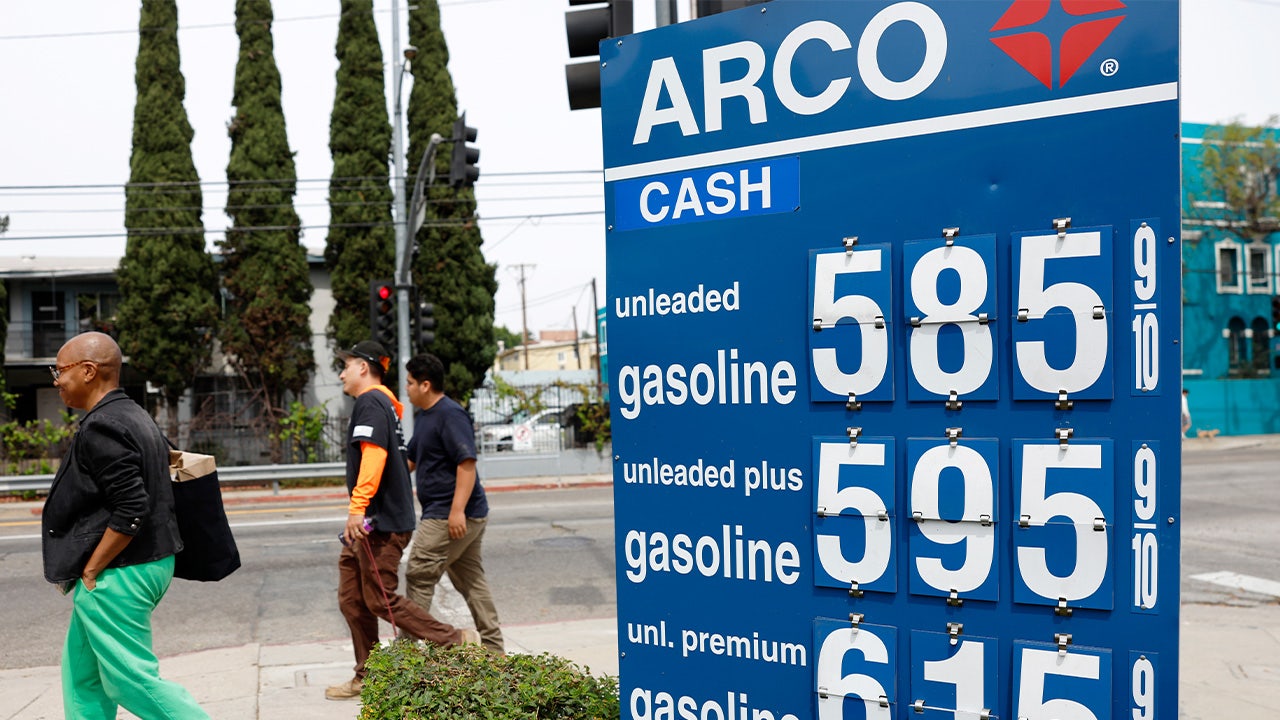
Impact of U.S.-Iran War on Middle East Security
Written by Emily J. Thompson, Senior Investment Analyst
Updated: Mar 16 2026
0mins


Should l Buy CF?
Source: CNBC
- Geoeconomic Escalation: Iran has pivoted to geographic and economic horizontal escalation in response to military pressure from the U.S. and Israel, despite being outmatched in direct military engagement, which could lead to long-term instability in the Middle East and impact investors' risk assessments.
- Closure of Strait of Hormuz: Iran has effectively closed the Strait of Hormuz, making it untraversable despite the U.S. Navy sinking part of the Iranian fleet, leading to a lack of commercial insurance and potentially profound implications for global oil prices and supply chains.
- Expansion of Proxy Wars: Israel's territorial threats in southern Lebanon allow Iran to engage in proxy wars across two theaters, draining Western resources without needing to win conventional battles, thereby exacerbating regional tensions and affecting global markets.
- Nuclear Investment Outlook: The ongoing conflict may accelerate nations' demand for nuclear energy, prompting investors to focus on uranium mining companies like Cameco (CCJ) to capitalize on potential future supply shortages and price increases.
Trade with 70% Backtested Accuracy
Stop guessing "Should I Buy CF?" and start using high-conviction signals backed by rigorous historical data.
Sign up today to access powerful investing tools and make smarter, data-driven decisions.
Analyst Views on CF
Wall Street analysts forecast CF stock price to fall
11 Analyst Rating
2 Buy
7 Hold
2 Sell
Hold
Current: 137.600

Low
72.00
Averages
87.55
High
100.00
Current: 137.600
Low
72.00
Averages
87.55
High
100.00
About CF
CF Industries Holdings, Inc. is a global manufacturer of hydrogen and nitrogen products. The Company is focused on decarbonizing its ammonia production network to enable low-carbon hydrogen and nitrogen products for energy, fertilizer, emissions abatement and other industrial activities. The Company's segments include Ammonia, Granular Urea, UAN, AN and Other. Ammonia segment produces anhydrous ammonia (ammonia), which is the base product that it manufactures (containing 82% nitrogen and 18% hydrogen). Granular Urea segment produces granular urea, which contains 46% nitrogen. UAN segment produces urea ammonium nitrate solution (UAN). AN segment produces ammonium nitrate (AN). Other segment primarily includes products, such as diesel exhaust fluid (DEF), urea liquor and nitric acid. Its manufacturing complexes in the United States, Canada, and the United Kingdom, a storage, transportation and distribution network in North America, and logistics capabilities enable a global reach.
About the author

Emily J. Thompson
Emily J. Thompson, a Chartered Financial Analyst (CFA) with 12 years in investment research, graduated with honors from the Wharton School. Specializing in industrial and technology stocks, she provides in-depth analysis for Intellectia’s earnings and market brief reports.
Investment Protection Strategies Amid Persian Gulf Conflict


- Oil and Gas Stock Opportunities: Amid the ongoing conflict in the Persian Gulf, companies like Devon Energy and Diamondback Energy, focused on U.S. oil production, present attractive investment options due to rising oil prices, especially considering pre-conflict price levels, making them ideal for risk management.
- Refining Sector Benefits: With the 3-2-1 crack spread soaring from $20 at the start of the year to $54, refining companies like Valero Energy and PBF Energy are set to benefit from this trend, provided that demand for transportation products does not suffer due to high prices.
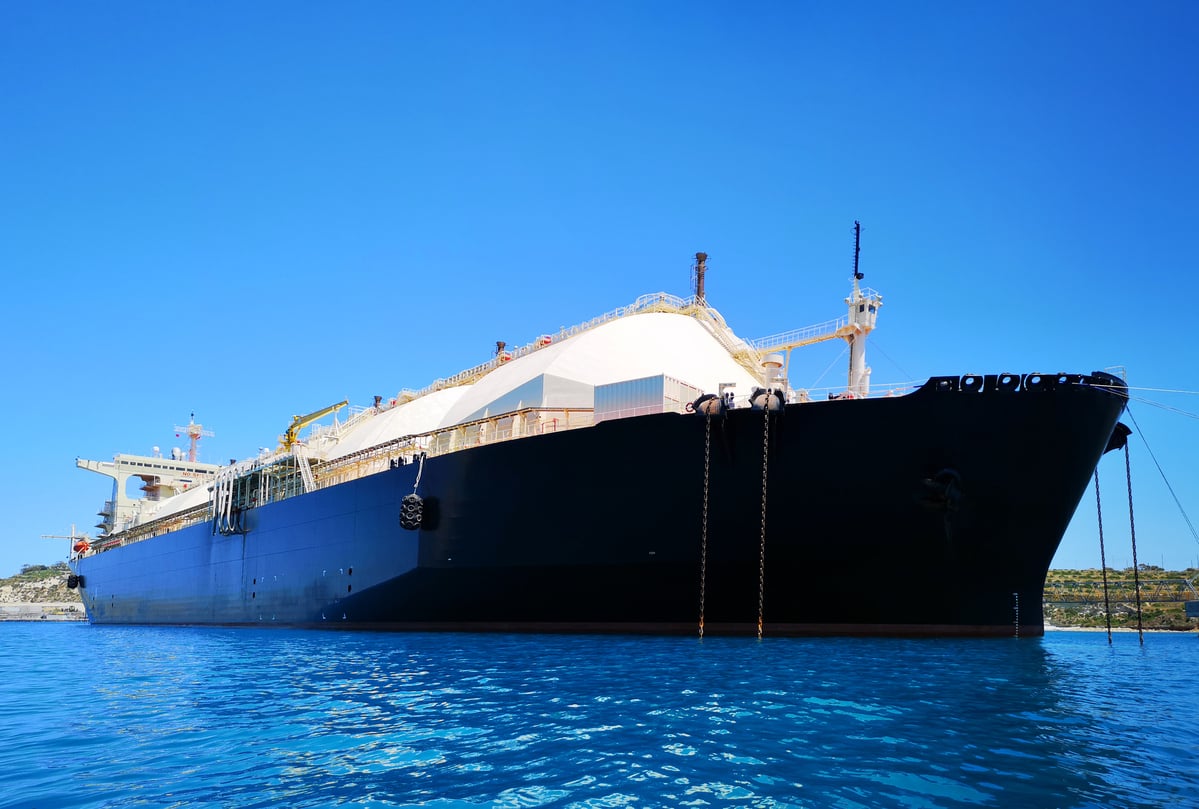
- LNG Supply Gap: The International Energy Agency notes that 34% of global crude oil trade and 20% of LNG trade pass through the Strait of Hormuz, with companies like Woodside Energy and Cheniere Energy positioned to fill the supply gap created by the blockade, particularly for Asian markets.
- Shipping and Fertilizer Sector Outlook: Flex LNG is poised to benefit from increased LNG shipping demand, while CF Industries, as a U.S.-focused fertilizer producer, will leverage its manufacturing facilities in the West and U.S. gas supply to fill the global fertilizer flow gap.
See More

Oil and Gas Sector Benefits from Supply Chain Disruptions
- Supply Chain Impact: Ongoing conflicts in the Persian Gulf are likely to benefit oil, LNG, refining, shipping, and fertilizer companies, particularly U.S. producers and exporters, who are expected to outperform due to supply chain shifts.
- Widening Crack Spread: The 3-2-1 crack spread has surged from under $20 at the start of the year to over $54, which is advantageous for refiners like Valero Energy and PBF Energy, who are likely to continue outperforming the market in a high-price environment.
- LNG Supply Gap Filling: Companies like Woodside Energy, Cheniere Energy, and Equinor are positioned to fill the LNG supply gap created by the Strait blockade, with Cheniere expanding its export capacity expected to ramp up production imminently.
- Fertilizer Producers Benefit: Approximately one-third of global seaborne fertilizer flows through the Strait of Hormuz, and U.S.-focused CF Industries will benefit from its manufacturing facilities in the West and access to domestic gas supplies, enhancing its market competitiveness.
See More
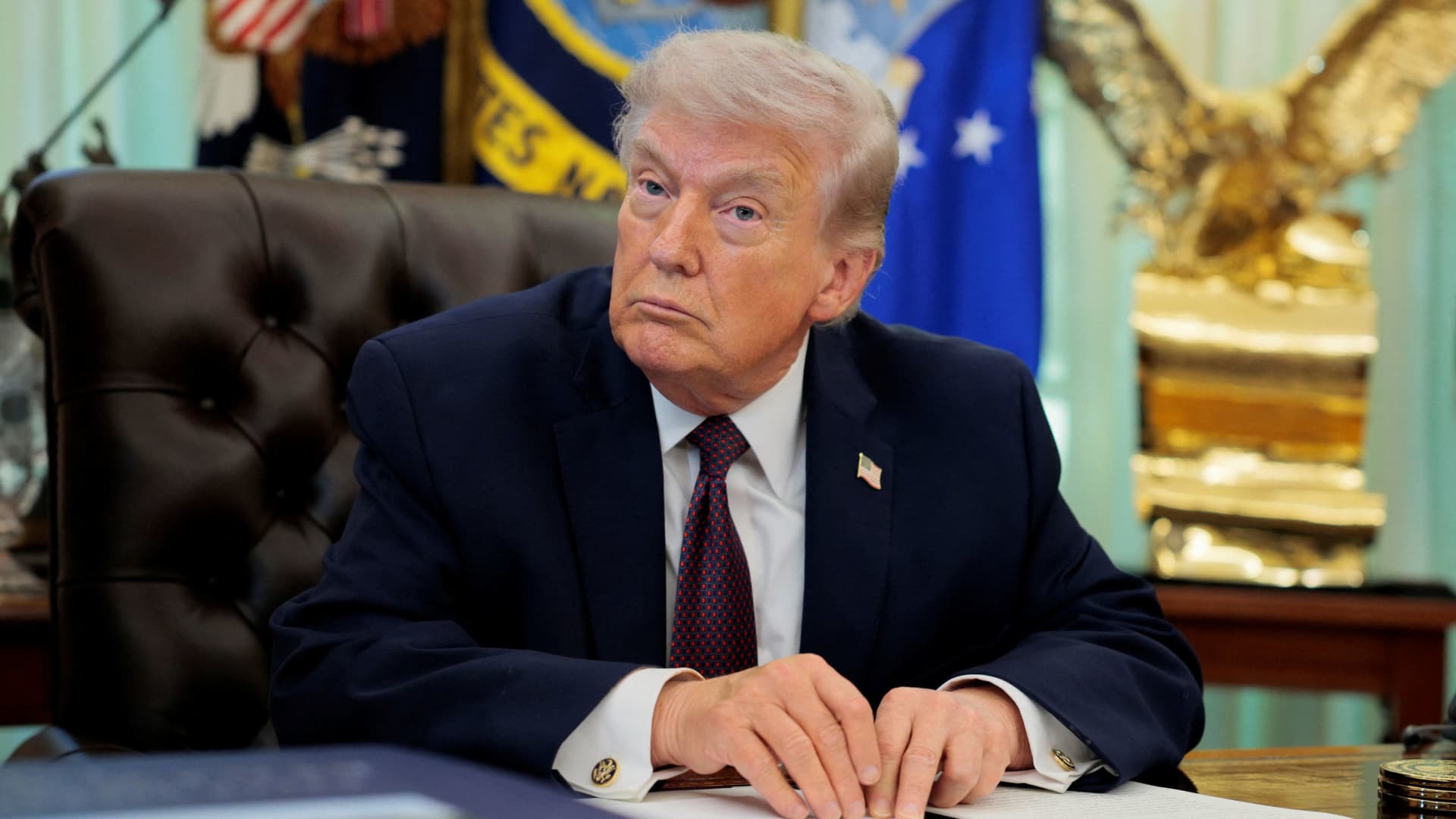
Trump Signs Executive Order Amid Iran Conflict Hopes


- Market Rally: Wall Street experienced a significant rally on Tuesday due to renewed optimism regarding a potential resolution to the U.S.-Iran conflict, with all three major indexes posting their best day since May; the Dow surged over 1,100 points, the S&P 500 rose 2.91% to 6,528.52, and the Nasdaq Composite climbed 3.83% to 21,590.63, indicating strong investor sentiment.
- Trump's Upcoming Address: The White House announced that President Trump will deliver an important address regarding Iran on Wednesday at 9 p.m. ET, which is expected to further influence market sentiment, especially as he indicated that U.S. military forces might leave Iran in “two to three weeks,” potentially sustaining the current optimism.
- Oil Price Fluctuations: Brent crude prices remained elevated following Iran's attack on a Kuwaiti oil tanker near Dubai, with partial closures of the Strait of Hormuz impacting global supply chains, particularly in the oil sector, highlighting the ongoing geopolitical risks affecting energy markets.
- Tech Stock Movements: OpenAI announced it closed a record-breaking funding round, valuing the company at $852 billion with $122 billion in committed capital, reflecting strong investor interest in the AI sector, while Oracle began layoffs in response to plummeting stock prices, illustrating the uncertainty within the tech industry amid current market conditions.
See More

Market Reaction: Anticipation of U.S.-Iran War Ending


- Market Rally: The S&P 500 and Nasdaq Composite surged by 2.91% and 3.83%, respectively, amid hopes for an end to the U.S.-Iran conflict, indicating potential for future economic recovery as investors anticipate peace.
- Interest Rate Decline: With the war's conclusion, the yield on the 10-year Treasury is expected to drop significantly, which will lower borrowing costs and alleviate inflationary pressures stemming from rising fertilizer and energy prices due to the conflict.
- Growth Stock Resurgence: High-growth stocks like Nvidia and Marvell saw gains of 5.5% and nearly 13%, respectively, suggesting that investors will refocus on these companies' fundamentals without the distraction of geopolitical tensions.
- Big Bank Stocks Rally: The end of the war is likely to revive trading activity on Wall Street, with major financial stocks like Goldman Sachs and Morgan Stanley rising nearly 5% and 4%, respectively, reflecting optimism about future merger and acquisition activities.
See More
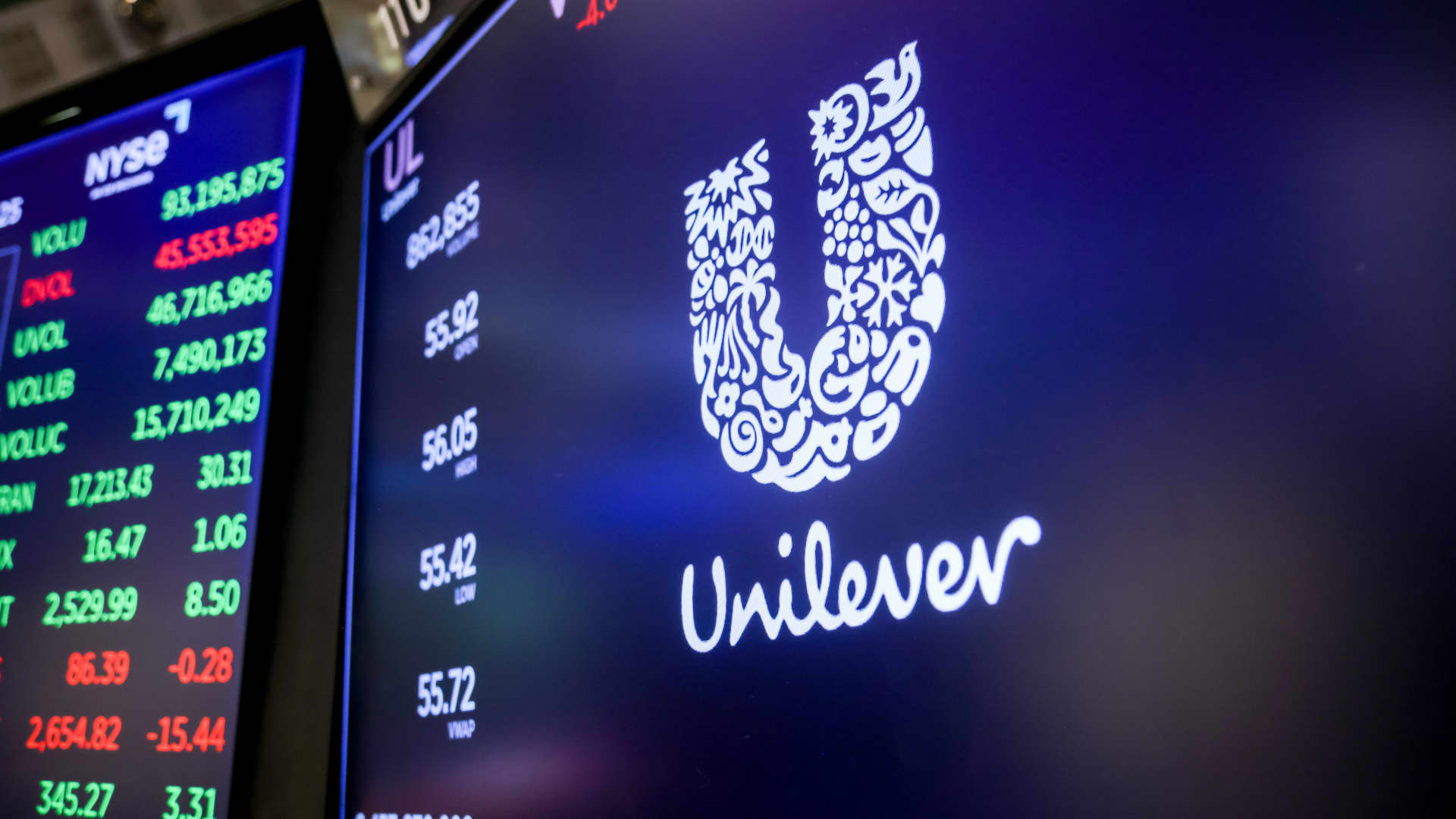
Unilever Enforces Hiring Freeze Amid Middle East Conflict


- Hiring Freeze: Unilever has announced an immediate hiring freeze across all levels globally due to 'significant challenges' posed by the Middle East conflict, expected to last at least three months, reflecting the company's response to an uncertain external environment.
- Employee Base: With 96,000 employees operating in 190 countries, covering core business groups such as beauty & wellbeing, personal care, home care, and food, the hiring pause may hinder the company's ability to expand its workforce and adapt to market demands.
- Cost-Saving Initiatives: Unilever committed to €800 million (approximately $918 million) in cost savings in 2024, planning to cut 7,500 office-based roles; by the end of 2025, it had achieved €670 million in savings and expects an additional €130 million in 2026, with the hiring freeze potentially impacting these plans.
- Market Impact: The Middle East conflict has driven oil prices above $100 per barrel, leading to widespread inflationary pressures; rising retail and food prices may result from this situation, and the hiring freeze could be a strategic move to navigate the uncertainties and rising costs in the market.
See More
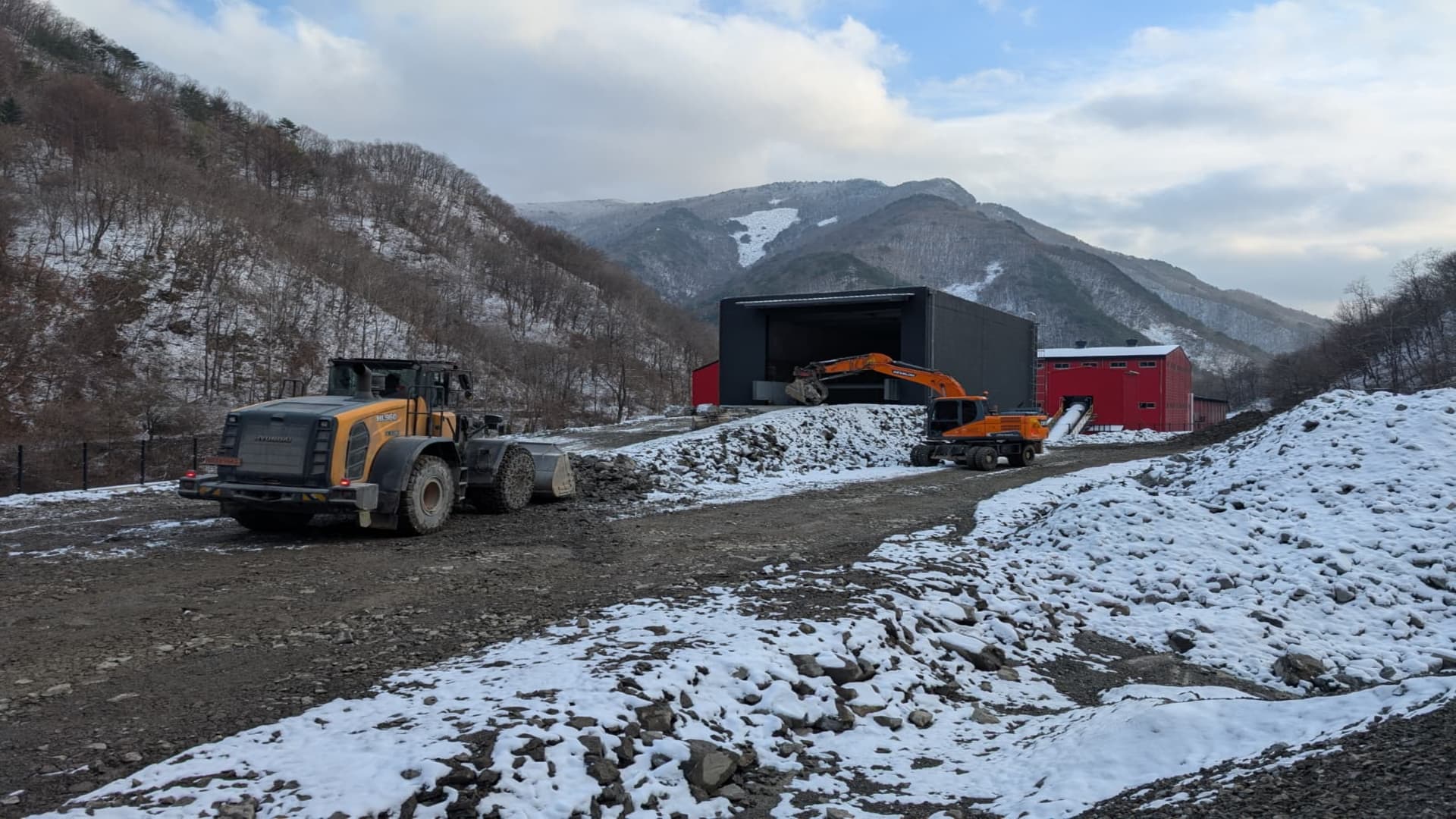
Iran War Intensifies Global Shortages of Tungsten and Other Commodities

- Tungsten Price Surge: Tungsten prices exceeded $3,000 last week, marking over a 50% increase for the month, indicating strong demand in the defense sector despite significant inventory shortages due to the Iran war.
- Rising Sulfuric Acid Prices: Sulfuric acid prices in Africa have risen at least 30% since the onset of the war, while China's sulfur prices increased by approximately 13% from early March, reflecting ongoing demand pressures that could lead to severe supply shocks.
- Helium Supply Tightness: Helium prices have roughly doubled since the Iran war began, particularly after missile attacks on a key industrial center in Qatar, complicating the restoration of global helium supplies and exacerbating market tightness.
- Global Commodity Market Turmoil: The supply chain disruptions caused by the Iran war present new challenges for global markets, prompting companies to diversify their supply sources while China ramps up stockpiling plans, highlighting concerns over future supply uncertainties.
See More
Investment Protection Strategies Amid Persian Gulf Conflict
- Oil and Gas Stock Opportunities: Amid the ongoing conflict in the Persian Gulf, companies like Devon Energy and Diamondback Energy, focused on U.S. oil production, present attractive investment options due to rising oil prices, especially considering pre-conflict price levels, making them ideal for risk management.
- Refining Sector Benefits: With the 3-2-1 crack spread soaring from $20 at the start of the year to $54, refining companies like Valero Energy and PBF Energy are set to benefit from this trend, provided that demand for transportation products does not suffer due to high prices.
- LNG Supply Gap: The International Energy Agency notes that 34% of global crude oil trade and 20% of LNG trade pass through the Strait of Hormuz, with companies like Woodside Energy and Cheniere Energy positioned to fill the supply gap created by the blockade, particularly for Asian markets.
- Shipping and Fertilizer Sector Outlook: Flex LNG is poised to benefit from increased LNG shipping demand, while CF Industries, as a U.S.-focused fertilizer producer, will leverage its manufacturing facilities in the West and U.S. gas supply to fill the global fertilizer flow gap.
See More
Oil and Gas Sector Benefits from Supply Chain Disruptions
- Supply Chain Impact: Ongoing conflicts in the Persian Gulf are likely to benefit oil, LNG, refining, shipping, and fertilizer companies, particularly U.S. producers and exporters, who are expected to outperform due to supply chain shifts.
- Widening Crack Spread: The 3-2-1 crack spread has surged from under $20 at the start of the year to over $54, which is advantageous for refiners like Valero Energy and PBF Energy, who are likely to continue outperforming the market in a high-price environment.
- LNG Supply Gap Filling: Companies like Woodside Energy, Cheniere Energy, and Equinor are positioned to fill the LNG supply gap created by the Strait blockade, with Cheniere expanding its export capacity expected to ramp up production imminently.
- Fertilizer Producers Benefit: Approximately one-third of global seaborne fertilizer flows through the Strait of Hormuz, and U.S.-focused CF Industries will benefit from its manufacturing facilities in the West and access to domestic gas supplies, enhancing its market competitiveness.
See More
Trump Signs Executive Order Amid Iran Conflict Hopes
- Market Rally: Wall Street experienced a significant rally on Tuesday due to renewed optimism regarding a potential resolution to the U.S.-Iran conflict, with all three major indexes posting their best day since May; the Dow surged over 1,100 points, the S&P 500 rose 2.91% to 6,528.52, and the Nasdaq Composite climbed 3.83% to 21,590.63, indicating strong investor sentiment.
- Trump's Upcoming Address: The White House announced that President Trump will deliver an important address regarding Iran on Wednesday at 9 p.m. ET, which is expected to further influence market sentiment, especially as he indicated that U.S. military forces might leave Iran in “two to three weeks,” potentially sustaining the current optimism.
- Oil Price Fluctuations: Brent crude prices remained elevated following Iran's attack on a Kuwaiti oil tanker near Dubai, with partial closures of the Strait of Hormuz impacting global supply chains, particularly in the oil sector, highlighting the ongoing geopolitical risks affecting energy markets.
- Tech Stock Movements: OpenAI announced it closed a record-breaking funding round, valuing the company at $852 billion with $122 billion in committed capital, reflecting strong investor interest in the AI sector, while Oracle began layoffs in response to plummeting stock prices, illustrating the uncertainty within the tech industry amid current market conditions.
See More
Market Reaction: Anticipation of U.S.-Iran War Ending
- Market Rally: The S&P 500 and Nasdaq Composite surged by 2.91% and 3.83%, respectively, amid hopes for an end to the U.S.-Iran conflict, indicating potential for future economic recovery as investors anticipate peace.
- Interest Rate Decline: With the war's conclusion, the yield on the 10-year Treasury is expected to drop significantly, which will lower borrowing costs and alleviate inflationary pressures stemming from rising fertilizer and energy prices due to the conflict.
- Growth Stock Resurgence: High-growth stocks like Nvidia and Marvell saw gains of 5.5% and nearly 13%, respectively, suggesting that investors will refocus on these companies' fundamentals without the distraction of geopolitical tensions.
- Big Bank Stocks Rally: The end of the war is likely to revive trading activity on Wall Street, with major financial stocks like Goldman Sachs and Morgan Stanley rising nearly 5% and 4%, respectively, reflecting optimism about future merger and acquisition activities.
See More
Unilever Enforces Hiring Freeze Amid Middle East Conflict
- Hiring Freeze: Unilever has announced an immediate hiring freeze across all levels globally due to 'significant challenges' posed by the Middle East conflict, expected to last at least three months, reflecting the company's response to an uncertain external environment.
- Employee Base: With 96,000 employees operating in 190 countries, covering core business groups such as beauty & wellbeing, personal care, home care, and food, the hiring pause may hinder the company's ability to expand its workforce and adapt to market demands.
- Cost-Saving Initiatives: Unilever committed to €800 million (approximately $918 million) in cost savings in 2024, planning to cut 7,500 office-based roles; by the end of 2025, it had achieved €670 million in savings and expects an additional €130 million in 2026, with the hiring freeze potentially impacting these plans.
- Market Impact: The Middle East conflict has driven oil prices above $100 per barrel, leading to widespread inflationary pressures; rising retail and food prices may result from this situation, and the hiring freeze could be a strategic move to navigate the uncertainties and rising costs in the market.
See More
Iran War Intensifies Global Shortages of Tungsten and Other Commodities
- Tungsten Price Surge: Tungsten prices exceeded $3,000 last week, marking over a 50% increase for the month, indicating strong demand in the defense sector despite significant inventory shortages due to the Iran war.
- Rising Sulfuric Acid Prices: Sulfuric acid prices in Africa have risen at least 30% since the onset of the war, while China's sulfur prices increased by approximately 13% from early March, reflecting ongoing demand pressures that could lead to severe supply shocks.
- Helium Supply Tightness: Helium prices have roughly doubled since the Iran war began, particularly after missile attacks on a key industrial center in Qatar, complicating the restoration of global helium supplies and exacerbating market tightness.
- Global Commodity Market Turmoil: The supply chain disruptions caused by the Iran war present new challenges for global markets, prompting companies to diversify their supply sources while China ramps up stockpiling plans, highlighting concerns over future supply uncertainties.
See More