Impact of Strait of Hormuz Closure on Drug Supply Chains
Written by Emily J. Thompson, Senior Investment Analyst
Updated: 19 hours ago
0mins

Source: CNBC
- Supply Chain Risks: The closure of the Strait of Hormuz poses a significant risk of drug shortages in the U.S., particularly for generics, as nearly 47% of U.S. generic prescriptions come from India, which relies on the strait for 40% of its crude oil imports.
- Cost Pressure: Rising oil prices will directly impact drug production costs, especially for generics that operate on thin profit margins, potentially leading to higher prices and reduced accessibility for patients.
- Transport Delays: Air cargo rates from India have surged by 200% to 350%, which will extend drug transport times, with consumers likely facing shortages of high-demand medications within 4 to 6 weeks.
- Inventory Management Challenges: While manufacturers and distributors currently hold 30 to 60 days of buffer stock, once this inventory is depleted, common medications like antibiotics and diabetes drugs will face supply tightness, affecting patient treatment.
Trade with 70% Backtested Accuracy
Stop guessing "Should I Buy CAAS?" and start using high-conviction signals backed by rigorous historical data.
Sign up today to access powerful investing tools and make smarter, data-driven decisions.
Analyst Views on CAAS
About CAAS
China Automotive Systems Inc is a holding company principally engaged in the manufacture and sale of automotive systems and components. The Company’s main products include rack and pinion power steering, integral power steering, electronic power steering and manual steering, steering columns, steering oil pumps and steering hoses. The Company's major customers include FAW Group, Dongfeng Auto Group Co., Ltd, BYD Auto Co., Ltd, as well as Stellar Group and Ford Motor Company in North America. The Company primarily operates its businesses in the domestic and overseas markets.
About the author

Emily J. Thompson
Emily J. Thompson, a Chartered Financial Analyst (CFA) with 12 years in investment research, graduated with honors from the Wharton School. Specializing in industrial and technology stocks, she provides in-depth analysis for Intellectia’s earnings and market brief reports.
Volkswagen Begins Production of First All-Electric SUV


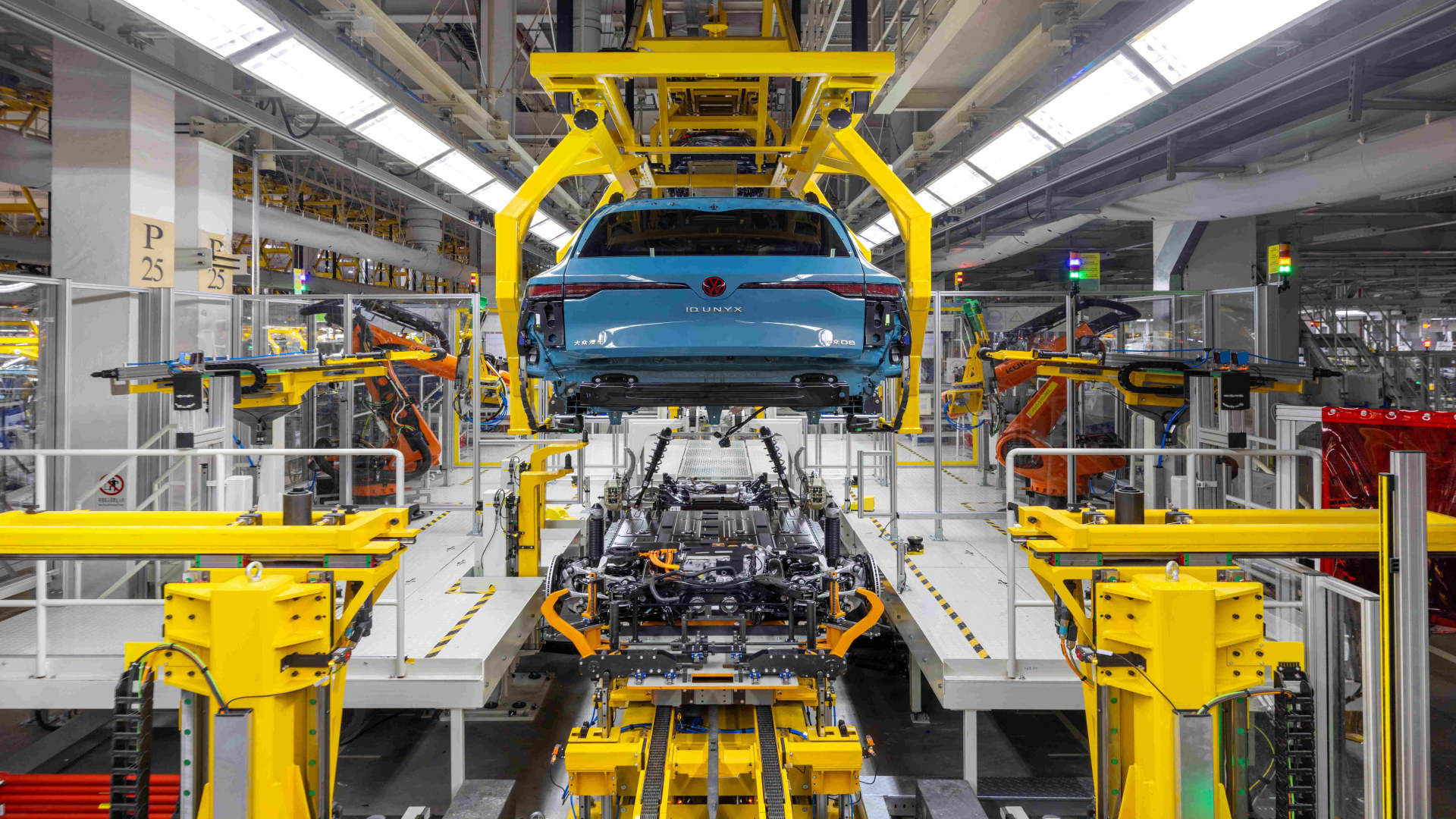
- Production Launch: Volkswagen commenced production of its first all-electric SUV, the ID. UNYX 08, on March 13, 2026, in Hefei, utilizing Xpeng's Turing chip, which signifies a crucial advancement in its electric vehicle strategy aimed at enhancing competitiveness in the Chinese market.
- Delivery Timeline: The ID. UNYX 08 is set to begin deliveries by the end of June, equipped with L2 advanced driver-assist technology that aids drivers in navigating highways and urban streets, thereby increasing consumer demand for smart electric vehicles.
- Future Technology Plans: Volkswagen anticipates that its vehicles in China will achieve L3 autonomous driving capabilities within two years, allowing drivers to take their hands off the wheel under specific conditions, which will shift liability for accidents from drivers to manufacturers, enhancing consumer trust.
- Market Strategy Adjustment: Following a business overhaul in 2023, Volkswagen plans to launch 20 new electric models in 2026 and aims for a total of 50 new models by 2030, demonstrating a strong commitment to the Chinese market and a focus on electrification transformation.
See More
Trump Delays Meeting with Xi Jinping


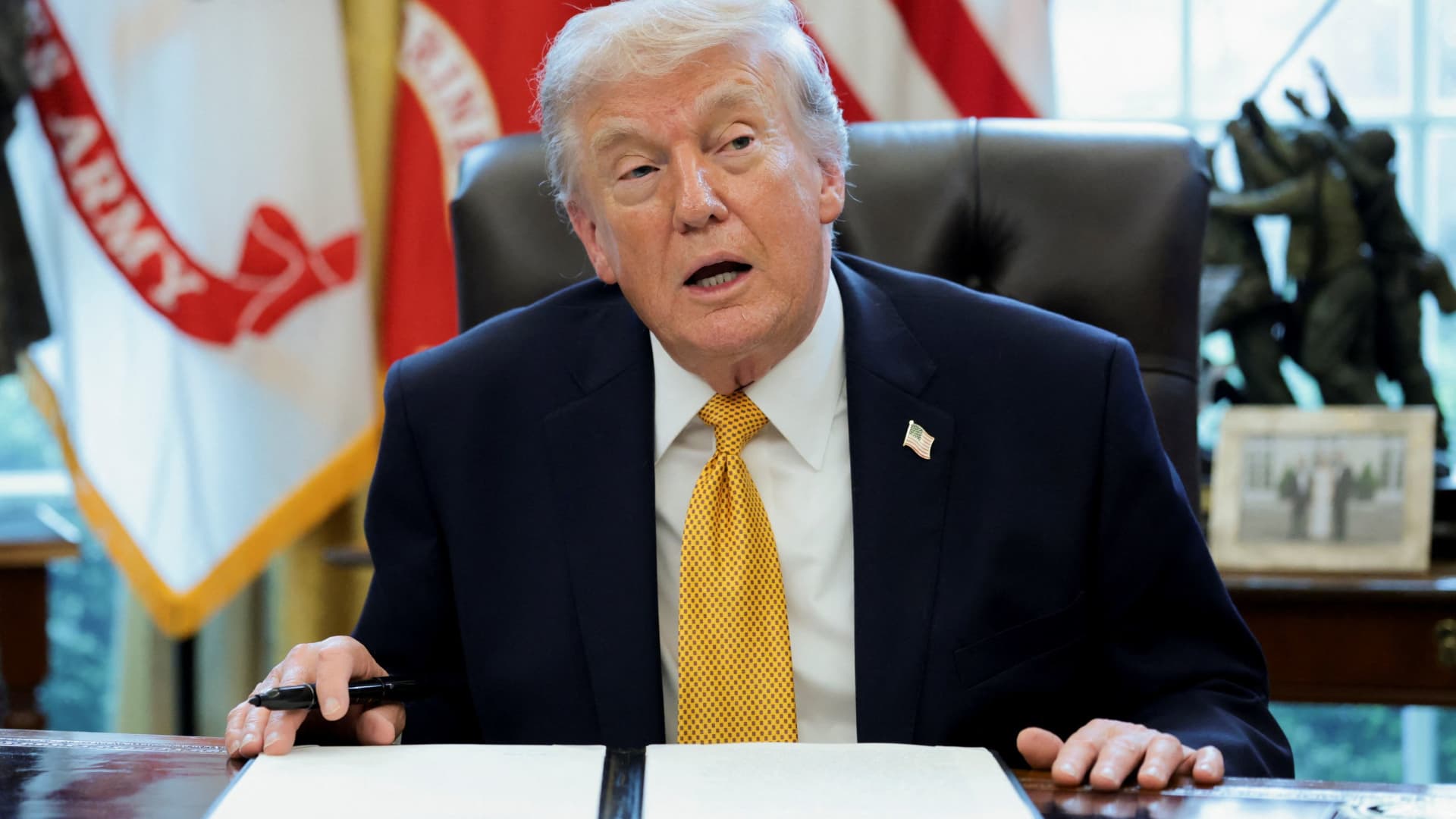
- Meeting Postponed: Trump announced that the U.S. has requested to delay his planned meeting with Chinese President Xi Jinping, originally set for late March in Beijing, by about a month due to the ongoing war with Iran, highlighting the impact of current international tensions on diplomatic engagements.
- War Impact: Trump emphasized the need to remain in the U.S. due to the war, expressing a desire to resolve tensions with Iran before meeting Xi, which indicates the prioritization of domestic issues in U.S. foreign policy considerations.
- China's Role: Trump mentioned that China, as a major buyer of Iranian oil, should assist the U.S. in breaking the de facto blockade of the Strait of Hormuz, reflecting expectations for a more proactive Chinese role in Middle Eastern affairs.
- Official Clarification: Senior officials clarified that the postponement is primarily for logistical reasons rather than a demand for China to intervene in the Strait of Hormuz, which helps mitigate misunderstandings regarding U.S. diplomatic strategies.
See More
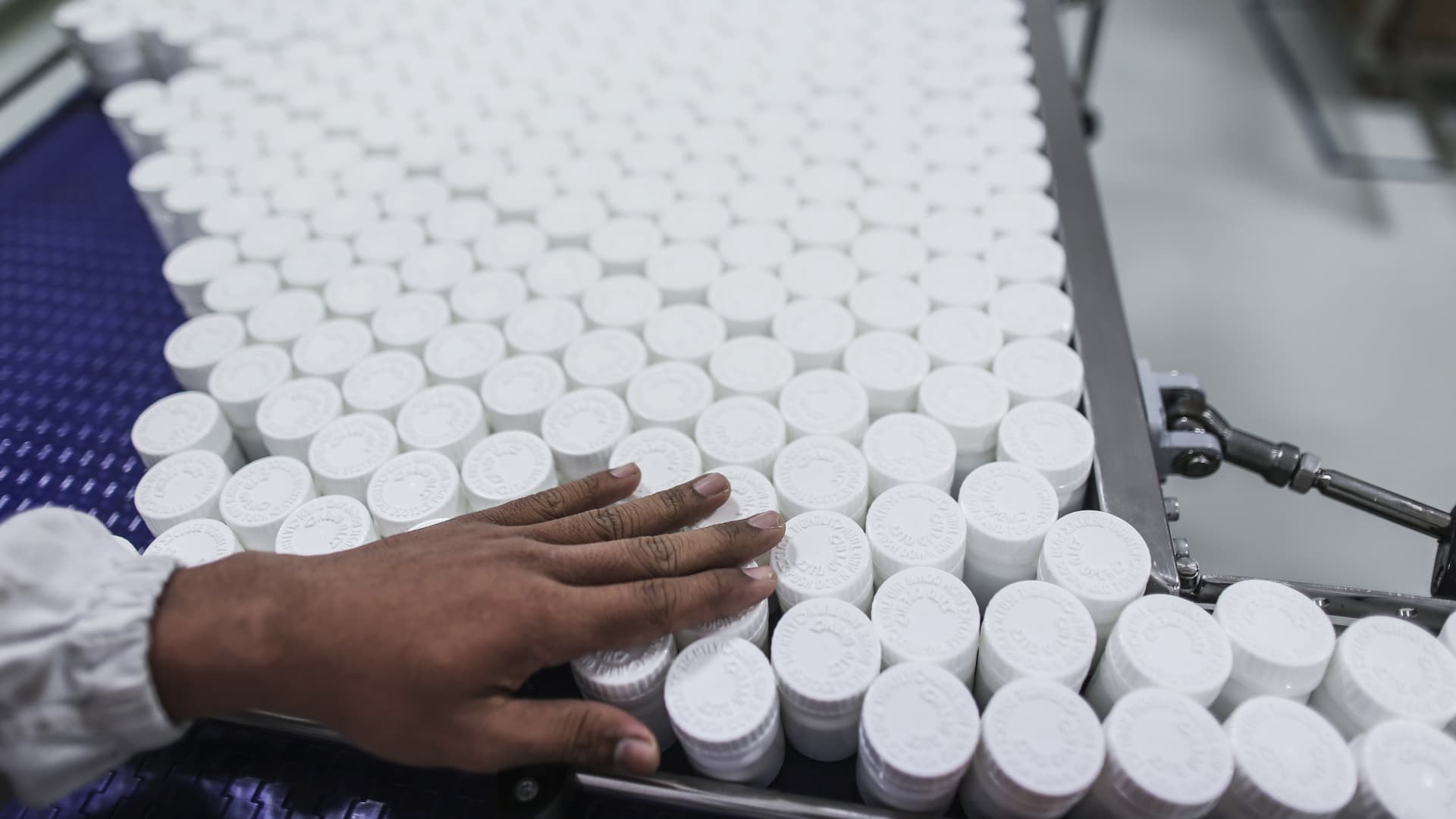
Impact of Strait of Hormuz Closure on Drug Supply Chains
- Supply Chain Risks: The closure of the Strait of Hormuz poses a significant risk of drug shortages in the U.S., particularly for generics, as nearly 47% of U.S. generic prescriptions come from India, which relies on the strait for 40% of its crude oil imports.
- Cost Pressure: Rising oil prices will directly impact drug production costs, especially for generics that operate on thin profit margins, potentially leading to higher prices and reduced accessibility for patients.
- Transport Delays: Air cargo rates from India have surged by 200% to 350%, which will extend drug transport times, with consumers likely facing shortages of high-demand medications within 4 to 6 weeks.
- Inventory Management Challenges: While manufacturers and distributors currently hold 30 to 60 days of buffer stock, once this inventory is depleted, common medications like antibiotics and diabetes drugs will face supply tightness, affecting patient treatment.
See More
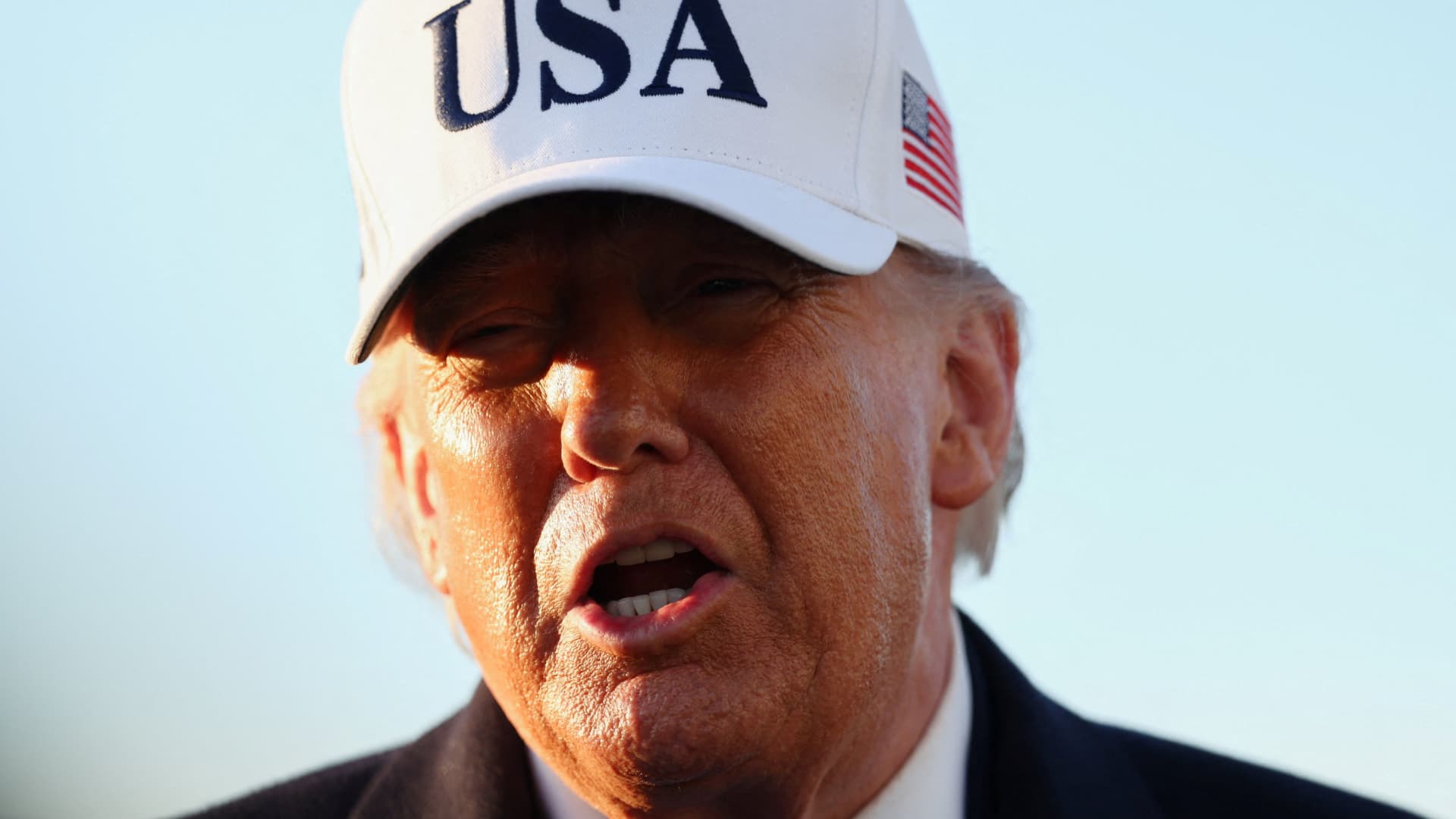
Trump Demands Other Countries Secure Strait of Hormuz


- International Responsibility Sharing: Trump stated aboard Air Force One that countries reliant on the Strait of Hormuz, such as China, should take on the responsibility of securing it, emphasizing the strait's critical importance for their energy supply, which reflects a shift in the U.S. role in international security affairs.
- Energy Dependency Discrepancy: Trump highlighted that approximately 90% of China's crude imports pass through the strait, while the U.S. only relies on 1% to 2%, indicating America's relative independence in the global energy supply chain and raising concerns about China's energy security.
- Ally Relations in Military Action: Trump's comments raised questions about the U.S. relationship with European and Asian allies, as analysts noted that the Trump administration did not consult allies before military actions against Iran, potentially eroding trust among allies.
- Standstill in Strait Traffic: Vessel traffic in the Strait of Hormuz has effectively come to a standstill, with Trump mentioning that the British Prime Minister offered to deploy aircraft carriers, yet no action was taken before the conflict, highlighting the tense and complex nature of international maritime security.
See More
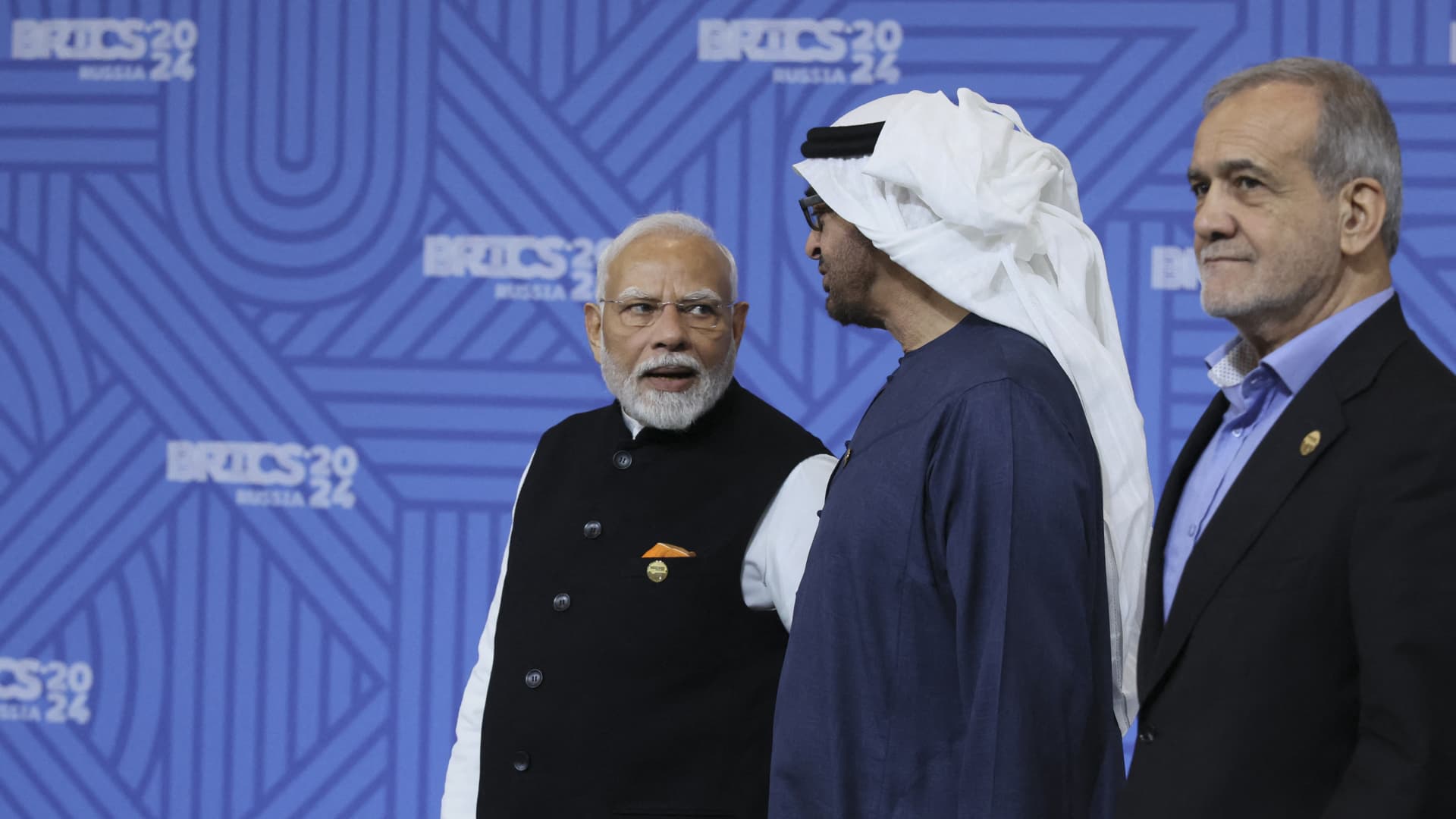
India-Iran Relations Strain Amid U.S. Alignment

- Energy Supply Crisis: As the world's third-largest oil importer, India faces rising energy costs and panic buying due to the closure of the Strait of Hormuz, which significantly threatens its energy security.
- Diplomatic Tensions: India's Foreign Minister stated that the recent transit of two Indian vessels through the Strait does not signify a blanket agreement with Iran, highlighting a lack of trust between the two nations.
- Increased International Pressure: During the BRICS summit hosted by India, Iran urged member states to condemn U.S.-Israeli attacks, placing New Delhi in a diplomatic bind and revealing its awkward position in the U.S.-Israel relationship.
- Reduced Investment: India has cut funding for the Chabahar Port project in Iran due to the U.S. not extending sanctions waivers, further undermining economic cooperation between the two countries.
See More
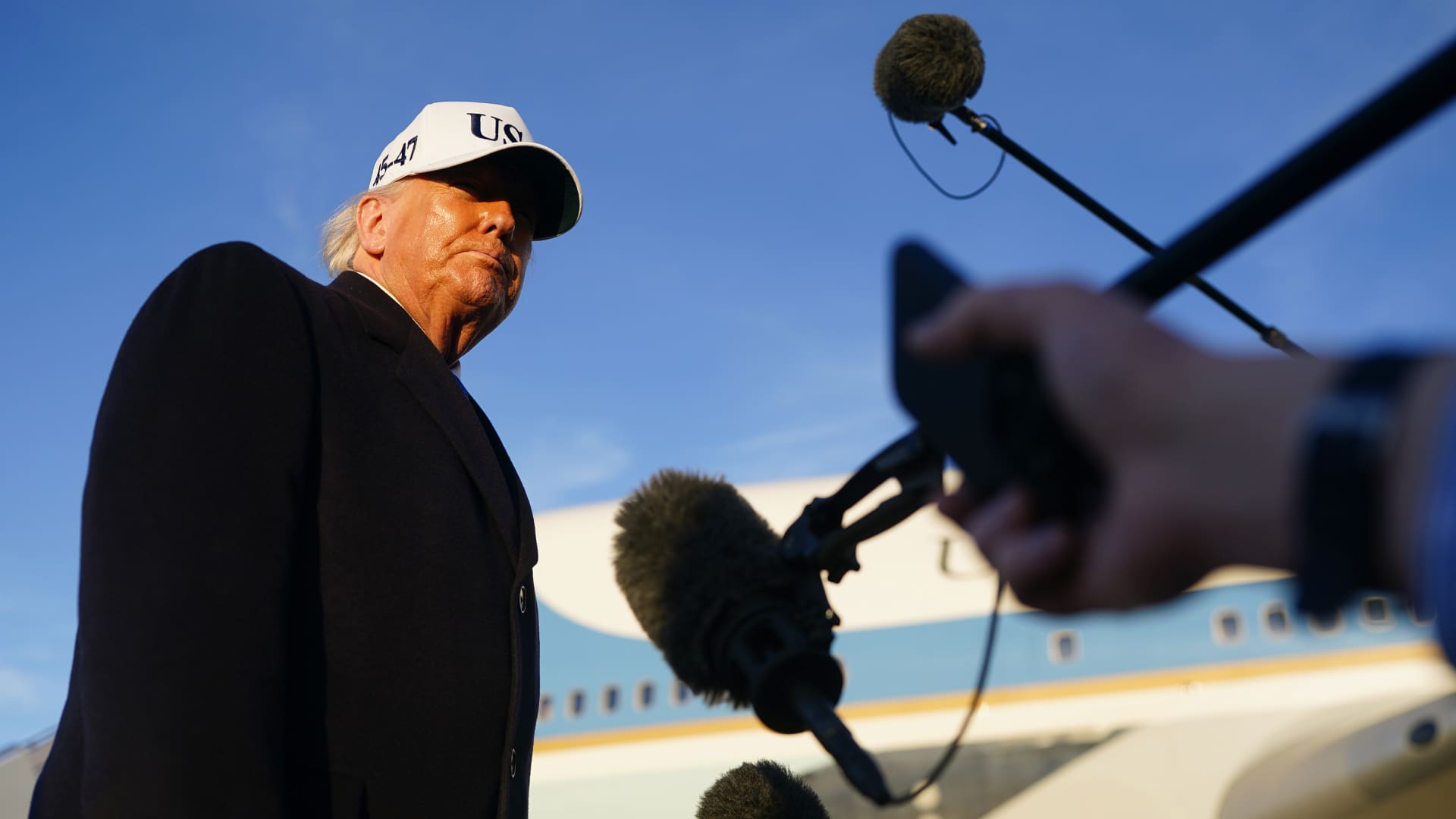
Trump Pressures Allies to Reopen Strait of Hormuz


- Increased Military Pressure: Trump stated in an interview that NATO faces a 'very bad' future if allies do not respond to his call for military assets to help reopen the Strait of Hormuz, indicating a hardline U.S. stance that could escalate regional tensions.
- Call to China: Trump threatened to delay his meeting with Chinese President Xi Jinping, urging China and other nations to participate in a joint effort to ensure safe passage for tankers, a strategy aimed at alleviating tensions in the Strait, though mixed responses could affect international relations.
- Oil Price Volatility: Trump's threats to strike Iran's Kharg Island oil infrastructure have pushed U.S. crude futures above $100 a barrel again, with such price fluctuations likely to negatively impact the global economy, particularly by increasing inflationary pressures.
- Global Economic Impact: Goldman Sachs estimates that the surge in energy prices due to the war in Iran could reduce global GDP by about 0.3% over the next year while pushing headline inflation higher by approximately 0.5% to 0.6%, which will have profound implications for economic policies and market stability worldwide.
See More
Volkswagen Begins Production of First All-Electric SUV
- Production Launch: Volkswagen commenced production of its first all-electric SUV, the ID. UNYX 08, on March 13, 2026, in Hefei, utilizing Xpeng's Turing chip, which signifies a crucial advancement in its electric vehicle strategy aimed at enhancing competitiveness in the Chinese market.
- Delivery Timeline: The ID. UNYX 08 is set to begin deliveries by the end of June, equipped with L2 advanced driver-assist technology that aids drivers in navigating highways and urban streets, thereby increasing consumer demand for smart electric vehicles.
- Future Technology Plans: Volkswagen anticipates that its vehicles in China will achieve L3 autonomous driving capabilities within two years, allowing drivers to take their hands off the wheel under specific conditions, which will shift liability for accidents from drivers to manufacturers, enhancing consumer trust.
- Market Strategy Adjustment: Following a business overhaul in 2023, Volkswagen plans to launch 20 new electric models in 2026 and aims for a total of 50 new models by 2030, demonstrating a strong commitment to the Chinese market and a focus on electrification transformation.
See More
Trump Delays Meeting with Xi Jinping
- Meeting Postponed: Trump announced that the U.S. has requested to delay his planned meeting with Chinese President Xi Jinping, originally set for late March in Beijing, by about a month due to the ongoing war with Iran, highlighting the impact of current international tensions on diplomatic engagements.
- War Impact: Trump emphasized the need to remain in the U.S. due to the war, expressing a desire to resolve tensions with Iran before meeting Xi, which indicates the prioritization of domestic issues in U.S. foreign policy considerations.
- China's Role: Trump mentioned that China, as a major buyer of Iranian oil, should assist the U.S. in breaking the de facto blockade of the Strait of Hormuz, reflecting expectations for a more proactive Chinese role in Middle Eastern affairs.
- Official Clarification: Senior officials clarified that the postponement is primarily for logistical reasons rather than a demand for China to intervene in the Strait of Hormuz, which helps mitigate misunderstandings regarding U.S. diplomatic strategies.
See More
Impact of Strait of Hormuz Closure on Drug Supply Chains
- Supply Chain Risks: The closure of the Strait of Hormuz poses a significant risk of drug shortages in the U.S., particularly for generics, as nearly 47% of U.S. generic prescriptions come from India, which relies on the strait for 40% of its crude oil imports.
- Cost Pressure: Rising oil prices will directly impact drug production costs, especially for generics that operate on thin profit margins, potentially leading to higher prices and reduced accessibility for patients.
- Transport Delays: Air cargo rates from India have surged by 200% to 350%, which will extend drug transport times, with consumers likely facing shortages of high-demand medications within 4 to 6 weeks.
- Inventory Management Challenges: While manufacturers and distributors currently hold 30 to 60 days of buffer stock, once this inventory is depleted, common medications like antibiotics and diabetes drugs will face supply tightness, affecting patient treatment.
See More
Trump Demands Other Countries Secure Strait of Hormuz
- International Responsibility Sharing: Trump stated aboard Air Force One that countries reliant on the Strait of Hormuz, such as China, should take on the responsibility of securing it, emphasizing the strait's critical importance for their energy supply, which reflects a shift in the U.S. role in international security affairs.
- Energy Dependency Discrepancy: Trump highlighted that approximately 90% of China's crude imports pass through the strait, while the U.S. only relies on 1% to 2%, indicating America's relative independence in the global energy supply chain and raising concerns about China's energy security.
- Ally Relations in Military Action: Trump's comments raised questions about the U.S. relationship with European and Asian allies, as analysts noted that the Trump administration did not consult allies before military actions against Iran, potentially eroding trust among allies.
- Standstill in Strait Traffic: Vessel traffic in the Strait of Hormuz has effectively come to a standstill, with Trump mentioning that the British Prime Minister offered to deploy aircraft carriers, yet no action was taken before the conflict, highlighting the tense and complex nature of international maritime security.
See More
India-Iran Relations Strain Amid U.S. Alignment
- Energy Supply Crisis: As the world's third-largest oil importer, India faces rising energy costs and panic buying due to the closure of the Strait of Hormuz, which significantly threatens its energy security.
- Diplomatic Tensions: India's Foreign Minister stated that the recent transit of two Indian vessels through the Strait does not signify a blanket agreement with Iran, highlighting a lack of trust between the two nations.
- Increased International Pressure: During the BRICS summit hosted by India, Iran urged member states to condemn U.S.-Israeli attacks, placing New Delhi in a diplomatic bind and revealing its awkward position in the U.S.-Israel relationship.
- Reduced Investment: India has cut funding for the Chabahar Port project in Iran due to the U.S. not extending sanctions waivers, further undermining economic cooperation between the two countries.
See More
Trump Pressures Allies to Reopen Strait of Hormuz
- Increased Military Pressure: Trump stated in an interview that NATO faces a 'very bad' future if allies do not respond to his call for military assets to help reopen the Strait of Hormuz, indicating a hardline U.S. stance that could escalate regional tensions.
- Call to China: Trump threatened to delay his meeting with Chinese President Xi Jinping, urging China and other nations to participate in a joint effort to ensure safe passage for tankers, a strategy aimed at alleviating tensions in the Strait, though mixed responses could affect international relations.
- Oil Price Volatility: Trump's threats to strike Iran's Kharg Island oil infrastructure have pushed U.S. crude futures above $100 a barrel again, with such price fluctuations likely to negatively impact the global economy, particularly by increasing inflationary pressures.
- Global Economic Impact: Goldman Sachs estimates that the surge in energy prices due to the war in Iran could reduce global GDP by about 0.3% over the next year while pushing headline inflation higher by approximately 0.5% to 0.6%, which will have profound implications for economic policies and market stability worldwide.
See More