Impact of Rising Gas Prices on EV Adoption


- Background of Rising Gas Prices: As of March 13, the average price of regular gasoline reached $3.63 per gallon, a 23.5% increase from the previous month, prompting consumer interest in electric vehicles (EVs), although rising gas prices do not directly lead to a surge in EV sales.
- Current EV Market Status: In Q2 2022, EVs accounted for 5.6% of new vehicle sales in the U.S., a significant increase from 2.7% in Q2 2021, indicating that consumer interest in EVs has risen amid high gas prices.
- Charging Infrastructure Challenges: While urban areas are increasingly equipped with robust charging networks, rural and smaller cities still face significant challenges, meaning that factors beyond gas prices influence consumer purchasing decisions.
- Advantages of Chinese Manufacturers: Chinese EV manufacturers like BYD and Nio have rapidly expanded due to government support and domestic demand, and with integrated supply chains and lower production costs, they are expected to benefit from global EV demand growth, especially if oil prices remain high.
Trade with 70% Backtested Accuracy
Analyst Views on F

About F
About the author


Market Dynamics and Company Outlook


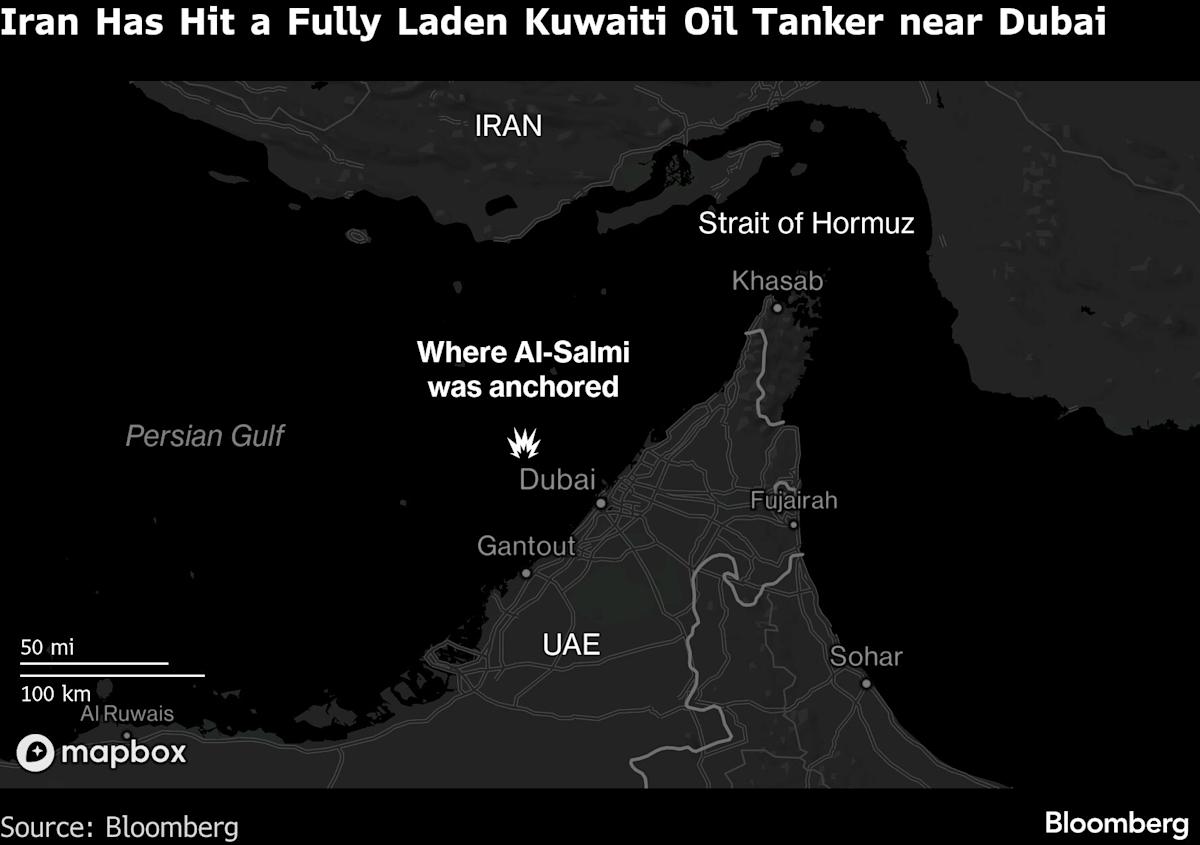
- Oil Price Fluctuations: Brent crude oil prices surged by 4%, surpassing $117 per barrel, leading U.S. gas prices to exceed $4 per gallon; while the S&P 500 is expected to open higher, the market faces cost pressures from rising oil prices, potentially impacting overall economic recovery.
- Marvell and Nvidia Partnership: Marvell shares surged nearly 10% after announcing a strategic partnership with Nvidia, which will invest $2 billion to enhance the connectivity of Marvell's custom processors with Nvidia's networking technology, thereby strengthening Marvell's competitive position in the AI chip market.
- McCormick Acquires Unilever's Food Business: McCormick announced a $45 billion deal to acquire Unilever's food business, which will significantly expand its market share in spices and condiments, despite reporting only 1.2% organic sales growth in the last quarter, enhancing brand influence.
- Wells Fargo Downgrades Ford: Wells Fargo cut its price target for Ford from $11 to $10 and reiterated a sell rating, with analysts concerned that the fallout from the Iran war will increase raw material and freight costs, potentially impacting the profitability of automakers.

GM Increases Heavy-Duty Truck Production to Meet Demand


- Production Adjustment: GM plans to operate its Flint Assembly Plant six days a week starting in June to better align with the increasing demand for heavy-duty trucks, reflecting strong market interest in its Silverado and Sierra models.
- Sales Growth: In 2025, GM sold 206,184 Silverado heavy-duty trucks, marking a 12.2% increase, while Sierra heavy-duty sales rose about 10% to 118,066 units, demonstrating the company's robust performance in the heavy-duty truck market.
- EV Investment Pullback: Amid reduced support from the Trump administration for electric vehicles, GM's EV sales fell 43% year-over-year in Q4 2025, leading to a $6 billion charge primarily due to significant pullbacks in EV investments in North America.
- Market Sentiment: Despite challenges, GM's stock has gained 54% over the past 12 months, and retail sentiment on Stocktwits remains in the 'bullish' territory, indicating confidence in the company's future performance.
Economist Claims Recessions Are Unpredictable
- Difficulty in Forecasting Recessions: Former White House economist Tyler Goodspeed asserts in his new book that recessions are often caused by unforeseen shocks, which are difficult to hedge against, highlighting the limitations of traditional forecasting tools.
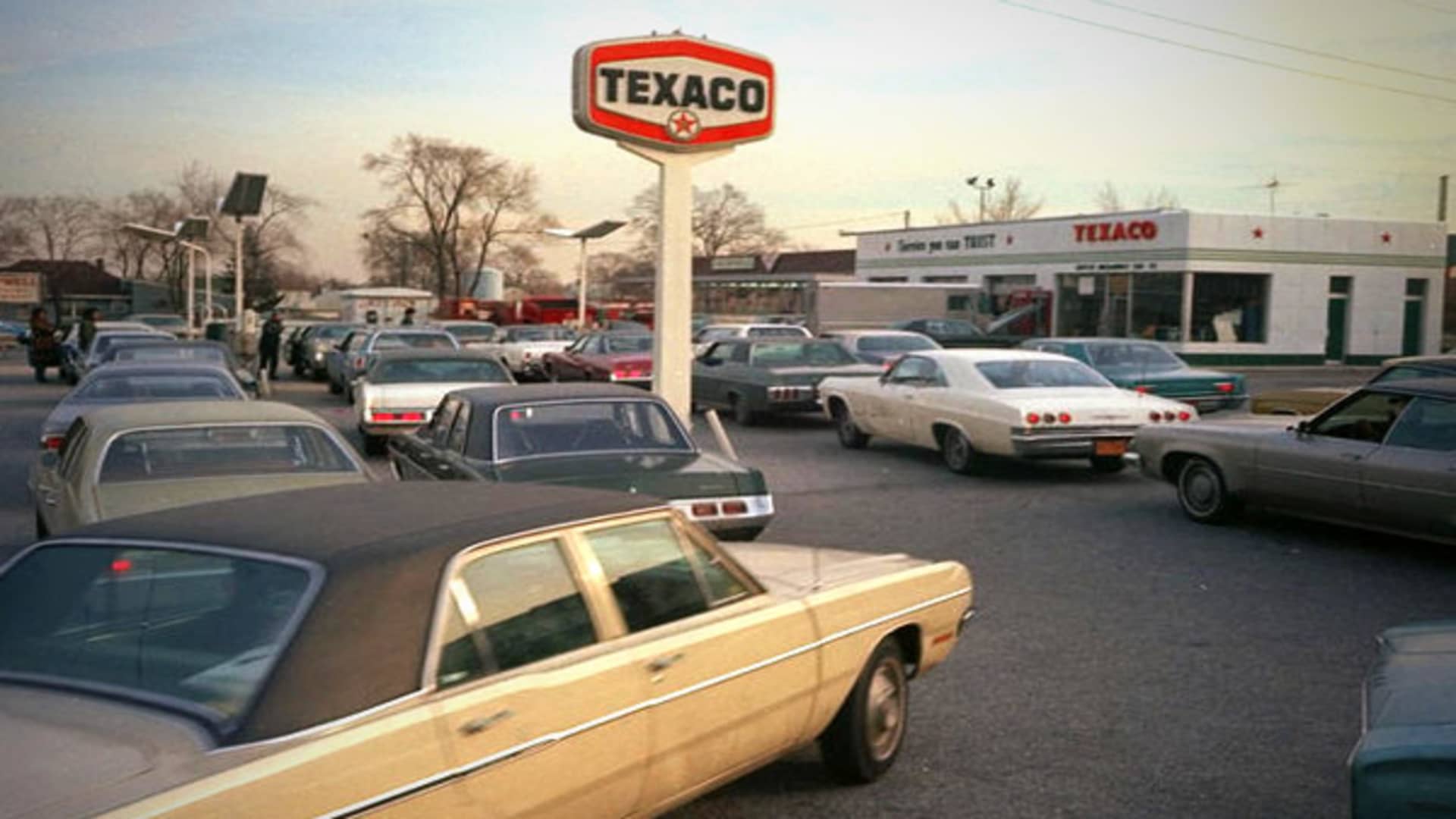
- Impact of Energy Prices: Goodspeed emphasizes that the surge in energy prices during the 2008 financial crisis significantly contributed to the recession's depth, despite the absence of obvious external shocks like wars or embargoes, revealing the vulnerability of the energy market.
- Historical Lessons: He notes that contractionary fiscal and monetary policies during recessions often exacerbate economic difficulties, underscoring the importance of cautious policy measures to avoid further harm during economic downturns.
- Trend of Economic Expansion: Despite the inevitability of recessions, Goodspeed believes that the long-term trend indicates longer-lasting economic expansions, suggesting that we are becoming more adept at absorbing shocks that historically led to recessions.

Google Introduces AI-Powered Features for Electric Vehicles, Offering Intelligent Battery Predictions and Charging Locations


Personalized Guidance for EV Drivers: Google has introduced a feature that allows drivers to input their vehicle details and current charge levels to receive tailored guidance, enhancing navigation for electric vehicle (EV) users across the U.S. and supporting over 15 automotive brands.
Integration of Advanced Battery Forecasting: The new system integrates advanced battery forecasting and charging recommendations directly into in-car navigation systems, aiming to make long-distance travel more predictable for EV drivers.
Real-Time Data Utilization: The feature leverages real-time conditions and vehicle-specific data to provide updated arrival estimates and charging locations, addressing common concerns about battery range during longer journeys.
Expansion of EV Navigation Tools: This update is part of a broader trend among automakers to enhance EV offerings, with Google’s navigation tools expected to support more than 350 electric vehicle models, improving trip planning accuracy compared to traditional navigation systems.
2026 Economic Outlook and Uber Developments


- GDP Growth Slowdown: The GDP growth rate for Q1 2026 is only 0.7%, significantly lower than the previous estimate of 1.4%, indicating a sluggish economic recovery that may dampen investor confidence and negatively impact stock market performance.
- Rising Inflation Pressure: With inflation exceeding 3% in January, combined with slowing GDP growth, concerns about stagflation may arise, leading to reduced consumer spending and threatening corporate profitability.
- Surge in Oil Prices: West Texas Intermediate crude oil prices have surged from $57 on January 2 to $93, even exceeding $100 at times, increasing consumer energy expenditure pressure and potentially suppressing spending in other areas.
- Uber's Autonomous Driving Partnerships: Uber has recently formed partnerships with several companies, including Waymo and Lucid, indicating its proactive positioning in the autonomous driving sector, which may lay the groundwork for future market share growth.

2026 Economic Outlook and Oil Price Fluctuations
- GDP Growth Slowdown: The GDP growth rate for Q1 2026 is only 0.7%, significantly lower than the previous estimate of 1.4%, indicating economic stagnation that may heighten investor concerns about future economic prospects.
- High Inflation Pressure: With inflation exceeding 3% in January, combined with low growth, market fears of stagflation are rising, which could negatively impact consumer spending and business investment decisions, further dragging down economic recovery.
- Surging Oil Prices Impact: As of the recording date, West Texas Intermediate crude oil prices have reached $93 per barrel, a significant increase from $57 on January 2, which may force consumers to cut back on other expenditures due to rising energy costs, affecting overall economic activity.
- Geopolitical Risks: The rise in oil prices is primarily driven by geopolitical conflicts rather than demand growth, particularly due to uncertainties surrounding Iran, which could lead to a more pessimistic economic outlook, necessitating close monitoring of related developments.
Market Dynamics and Company Outlook
- Oil Price Fluctuations: Brent crude oil prices surged by 4%, surpassing $117 per barrel, leading U.S. gas prices to exceed $4 per gallon; while the S&P 500 is expected to open higher, the market faces cost pressures from rising oil prices, potentially impacting overall economic recovery.
- Marvell and Nvidia Partnership: Marvell shares surged nearly 10% after announcing a strategic partnership with Nvidia, which will invest $2 billion to enhance the connectivity of Marvell's custom processors with Nvidia's networking technology, thereby strengthening Marvell's competitive position in the AI chip market.
- McCormick Acquires Unilever's Food Business: McCormick announced a $45 billion deal to acquire Unilever's food business, which will significantly expand its market share in spices and condiments, despite reporting only 1.2% organic sales growth in the last quarter, enhancing brand influence.
- Wells Fargo Downgrades Ford: Wells Fargo cut its price target for Ford from $11 to $10 and reiterated a sell rating, with analysts concerned that the fallout from the Iran war will increase raw material and freight costs, potentially impacting the profitability of automakers.
GM Increases Heavy-Duty Truck Production to Meet Demand
- Production Adjustment: GM plans to operate its Flint Assembly Plant six days a week starting in June to better align with the increasing demand for heavy-duty trucks, reflecting strong market interest in its Silverado and Sierra models.
- Sales Growth: In 2025, GM sold 206,184 Silverado heavy-duty trucks, marking a 12.2% increase, while Sierra heavy-duty sales rose about 10% to 118,066 units, demonstrating the company's robust performance in the heavy-duty truck market.
- EV Investment Pullback: Amid reduced support from the Trump administration for electric vehicles, GM's EV sales fell 43% year-over-year in Q4 2025, leading to a $6 billion charge primarily due to significant pullbacks in EV investments in North America.
- Market Sentiment: Despite challenges, GM's stock has gained 54% over the past 12 months, and retail sentiment on Stocktwits remains in the 'bullish' territory, indicating confidence in the company's future performance.
Economist Claims Recessions Are Unpredictable
- Difficulty in Forecasting Recessions: Former White House economist Tyler Goodspeed asserts in his new book that recessions are often caused by unforeseen shocks, which are difficult to hedge against, highlighting the limitations of traditional forecasting tools.
- Impact of Energy Prices: Goodspeed emphasizes that the surge in energy prices during the 2008 financial crisis significantly contributed to the recession's depth, despite the absence of obvious external shocks like wars or embargoes, revealing the vulnerability of the energy market.
- Historical Lessons: He notes that contractionary fiscal and monetary policies during recessions often exacerbate economic difficulties, underscoring the importance of cautious policy measures to avoid further harm during economic downturns.
- Trend of Economic Expansion: Despite the inevitability of recessions, Goodspeed believes that the long-term trend indicates longer-lasting economic expansions, suggesting that we are becoming more adept at absorbing shocks that historically led to recessions.
Google Introduces AI-Powered Features for Electric Vehicles, Offering Intelligent Battery Predictions and Charging Locations
Personalized Guidance for EV Drivers: Google has introduced a feature that allows drivers to input their vehicle details and current charge levels to receive tailored guidance, enhancing navigation for electric vehicle (EV) users across the U.S. and supporting over 15 automotive brands.
Integration of Advanced Battery Forecasting: The new system integrates advanced battery forecasting and charging recommendations directly into in-car navigation systems, aiming to make long-distance travel more predictable for EV drivers.
Real-Time Data Utilization: The feature leverages real-time conditions and vehicle-specific data to provide updated arrival estimates and charging locations, addressing common concerns about battery range during longer journeys.
Expansion of EV Navigation Tools: This update is part of a broader trend among automakers to enhance EV offerings, with Google’s navigation tools expected to support more than 350 electric vehicle models, improving trip planning accuracy compared to traditional navigation systems.
2026 Economic Outlook and Uber Developments
- GDP Growth Slowdown: The GDP growth rate for Q1 2026 is only 0.7%, significantly lower than the previous estimate of 1.4%, indicating a sluggish economic recovery that may dampen investor confidence and negatively impact stock market performance.
- Rising Inflation Pressure: With inflation exceeding 3% in January, combined with slowing GDP growth, concerns about stagflation may arise, leading to reduced consumer spending and threatening corporate profitability.
- Surge in Oil Prices: West Texas Intermediate crude oil prices have surged from $57 on January 2 to $93, even exceeding $100 at times, increasing consumer energy expenditure pressure and potentially suppressing spending in other areas.
- Uber's Autonomous Driving Partnerships: Uber has recently formed partnerships with several companies, including Waymo and Lucid, indicating its proactive positioning in the autonomous driving sector, which may lay the groundwork for future market share growth.
2026 Economic Outlook and Oil Price Fluctuations
- GDP Growth Slowdown: The GDP growth rate for Q1 2026 is only 0.7%, significantly lower than the previous estimate of 1.4%, indicating economic stagnation that may heighten investor concerns about future economic prospects.
- High Inflation Pressure: With inflation exceeding 3% in January, combined with low growth, market fears of stagflation are rising, which could negatively impact consumer spending and business investment decisions, further dragging down economic recovery.
- Surging Oil Prices Impact: As of the recording date, West Texas Intermediate crude oil prices have reached $93 per barrel, a significant increase from $57 on January 2, which may force consumers to cut back on other expenditures due to rising energy costs, affecting overall economic activity.
- Geopolitical Risks: The rise in oil prices is primarily driven by geopolitical conflicts rather than demand growth, particularly due to uncertainties surrounding Iran, which could lead to a more pessimistic economic outlook, necessitating close monitoring of related developments.