Impact of Iran War on Defense Stocks
Written by Emily J. Thompson, Senior Investment Analyst
Updated: 1 day ago
0mins

Source: Fool
- Defense Industry Spotlight: The ongoing Iran war has drawn attention to the defense sector, with major companies like Lockheed Martin and Northrop Grumman earning billions annually through military contracts; however, despite increased trading volumes, stock prices have generally declined, with Lockheed Martin down 18% over the past three months.
- Increased Military Spending: The Pentagon reported that the war has cost approximately $25 billion, excluding repair costs for military bases, and more funding is expected to flow to defense contractors, particularly Lockheed Martin, which benefited from a $4.8 billion contract for Patriot missiles.
- Impact of Technological Change: As technology advances, companies like Palantir are becoming increasingly important to the Pentagon, with its AI software set to help optimize munitions use, and it is expected to receive a $2.3 billion contract, altering traditional military budget spending practices.
- Analysts' Cautious Outlook: Analysts from Morgan Stanley and UBS have expressed caution regarding defense stocks, lowering price targets for Lockheed Martin and Northrop Grumman; while there is long-term potential for these companies, short-term volatility is anticipated due to the current situation.
Trade with 70% Backtested Accuracy
Stop guessing "Should I Buy LMT?" and start using high-conviction signals backed by rigorous historical data.
Sign up today to access powerful investing tools and make smarter, data-driven decisions.
Analyst Views on LMT
Wall Street analysts forecast LMT stock price to rise
12 Analyst Rating
4 Buy
7 Hold
1 Sell
Hold
Current: 517.970

Low
430.00
Averages
535.50
High
605.00
Current: 517.970
Low
430.00
Averages
535.50
High
605.00
About LMT
Lockheed Martin Corporation is a global aerospace and defense company. The Company is engaged in the research, design, development, manufacture, integration and sustainment of advanced technology systems, products and services. Its segments include Aeronautics, Missiles and Fire Control (MFC), Rotary and Mission Systems (RMS) and Space. Aeronautics segment is engaged in the research, design, development, manufacture, integration, sustainment, support and upgrade of advanced military aircraft. MFC segment provides air and missile defense systems, manned and unmanned ground vehicles, energy management solutions, and others. RMS segment designs, manufactures, services and supports various military and commercial helicopters, surface ships, sea and land-based missile defense systems, and others. Its Space segment is engaged in the research and design, development, engineering and production of satellites, space transportation systems, and strategic, advanced strike, and defensive systems.
About the author

Emily J. Thompson
Emily J. Thompson, a Chartered Financial Analyst (CFA) with 12 years in investment research, graduated with honors from the Wharton School. Specializing in industrial and technology stocks, she provides in-depth analysis for Intellectia’s earnings and market brief reports.

Lockheed Martin Awarded US Space Force Contracts for Missile Defense

- Contract Award: Lockheed Martin has been selected by the U.S. Space Force to develop capabilities for the Space-Based Interceptor (SBI) program, marking significant progress toward fielding core elements of an integrated layered homeland defense solution.
- Technology Integration: This initiative will accelerate the development, testing, and integration of SBI capabilities, delivering an early engagement layer that expands coverage and enhances survivability against emerging missile threats.
- Leveraging Experience: The SBI system utilizes Lockheed Martin's experience with combat-proven interceptors like THAAD and PAC-3, as well as next-generation interceptors and hypersonic strike systems, creating a multi-domain layered shield for homeland protection.
- Future Commitment: The company is committed to delivering an integrated demonstration by 2028, showcasing its investments in technology and infrastructure to expedite the delivery of advanced capabilities, ensuring the safety of the homeland and critical infrastructure.
See More
Israel Approves Acquisition of Two Fighter Squadrons

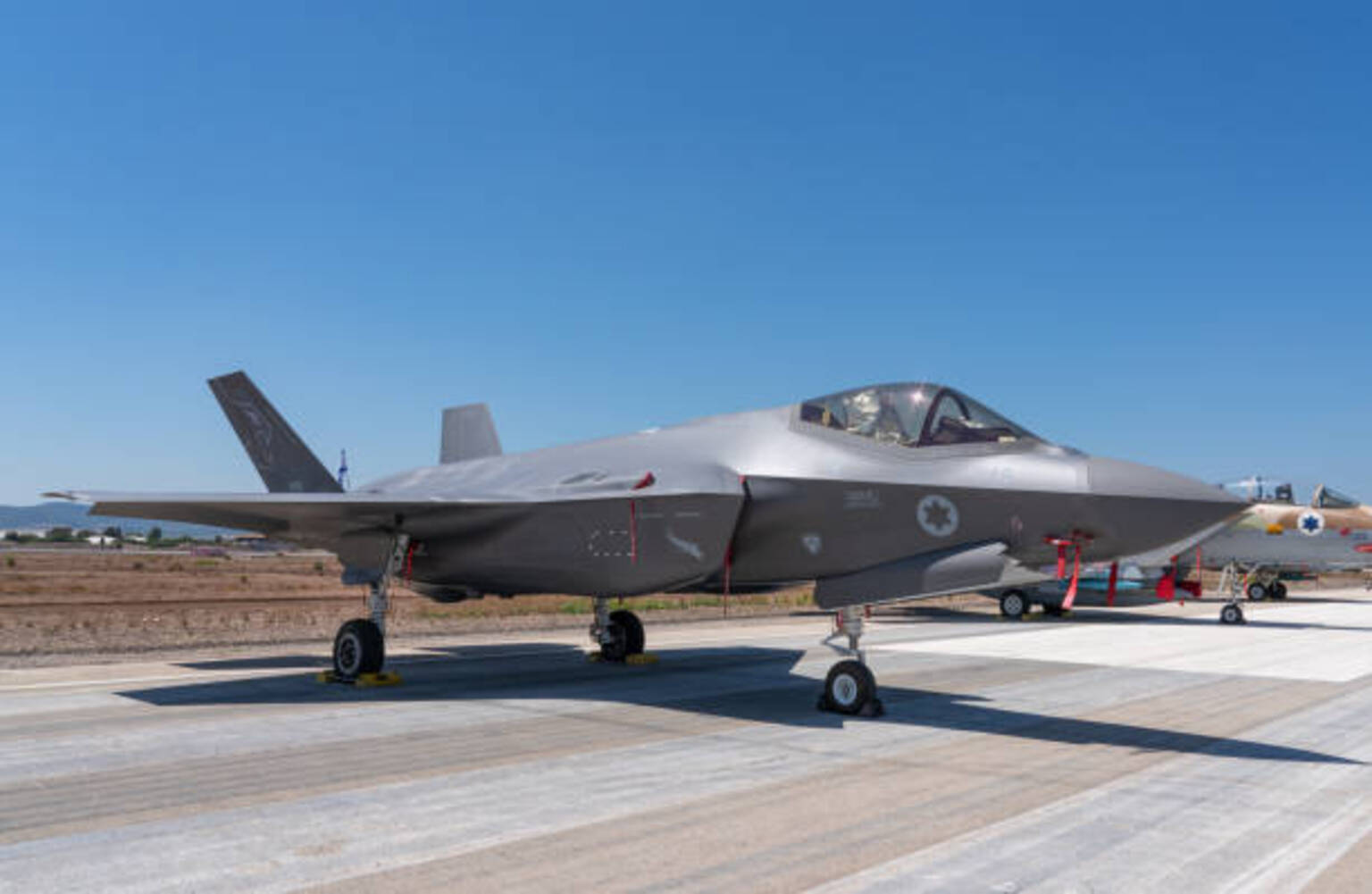
- Military Modernization Plan: Israel has approved the acquisition of two additional combat squadrons from Lockheed Martin and Boeing, including a fourth squadron of F-35 stealth jets and a second squadron of F-15IA aircraft, as part of a broader 350 billion shekel ($119 billion) defense modernization initiative aimed at preserving air dominance and preparing for future regional threats.
- Domestic Production Strategy: Prime Minister Benjamin Netanyahu stated that a significant portion of the expanded defense budget will focus on producing more munitions domestically to reduce reliance on foreign suppliers while also investing in the development of next-generation aircraft, demonstrating the nation's commitment to defense autonomy.
- Importance of Air Power: Defense officials emphasized that the recent conflict with Iran highlighted the necessity of advanced air power and the strategic relationship between Israel and the United States, underscoring the need to continue strengthening the air force for decades to come.
- Ongoing Military Operations: Israeli aircraft have remained active across multiple fronts since the October 2023 Hamas attacks, including operations in Gaza, Lebanon, and during the recent confrontation with Iran, indicating a persistent demand for air combat capabilities and the urgency of continued investment.
See More

Israel Approves Purchase of F-35 and F-15 Aircraft
- Approval of Procurement: The Israeli Defense Ministry announced on Sunday that it has granted final approval for the purchase of two new squadrons of F-35 and F-15Ia aircraft, with the deal worth tens of billions of shekels, demonstrating Israel's commitment to defense modernization.
- Strategic Importance: This procurement will significantly enhance the operational capabilities of the Israeli Air Force, ensuring air superiority in the Middle East while reflecting Israel's proactive assessment of future security threats.
- Supplier Selection: The deal involves American companies Lockheed Martin and Boeing, further solidifying military cooperation between Israel and the United States and promoting deep collaboration in defense sectors.
- Economic Impact: The transaction is expected to not only boost Israel's defense industry but also stimulate growth in related sectors, creating job opportunities and fostering economic prosperity.
See More

Trump Skeptical of New Iranian Peace Proposal Amid Ongoing Tensions


- Proposal Review: President Trump announced he will review a new peace proposal from Iran, expressing deep skepticism about its potential success, arguing that Tehran has not yet paid a significant price for its actions over the past 47 years.
- Diplomatic Context: The proposal, reportedly delivered via Pakistani mediators, aims to end the 2026 Iran war, with unconfirmed details suggesting it may involve reopening the Strait of Hormuz in exchange for sanctions relief and a return to nuclear negotiations.
- Market Volatility Risks: While the initial market reaction to the prospect of a deal was positive, analysts warn that the closure of the Strait of Hormuz is already priced in, and significant downside risks to oil prices persist if a durable de-escalation is not achieved soon.
- Military Options Discussion: Trump has recently briefed military leaders on options to
See More

Trump Administration Approves $8.6B Military Sales to Middle Eastern Allies

- Total Military Sales: The Trump administration has approved military sales exceeding $8.6 billion to Israel, Qatar, Kuwait, and the UAE, directly benefiting weapons manufacturers such as Northrop Grumman (NOC) and RTX (RTX).
- Emergency Sales Waiver: Secretary of State Marco Rubio announced the waiver of congressional review requirements due to an emergency, expediting these military sales and highlighting U.S. attention to the volatile Middle East situation.
- Specific Deal Details: Approved transactions include $4.0 billion for Patriot missile defense replenishment services and $992.4 million for Advanced Precision Kill Weapon Systems (APKWS) to Qatar, enhancing the defense capabilities of these nations.
- Key Contractors: BAE Systems (BAESY) was named the principal contractor for the APKWS sales, while Northrop Grumman is responsible for the integrated battle command system sale to Kuwait, underscoring the significant role of U.S. defense contractors in international arms sales.
See More

Lockheed Martin Wins U.S. Contract to Advance Missile Defense
- Contract Award: Lockheed Martin has been selected by the U.S. Space Force Space Systems Command to develop capabilities for the Space-Based Interceptor (SBI) program, marking significant progress in fielding core elements of an integrated homeland defense solution.
- Technology Acceleration: This initiative will accelerate the development, testing, and integration of SBI technologies, aiming to deliver an early engagement layer that expands coverage and enhances survivability to effectively counter emerging missile threats.
- Market Reaction: Lockheed Martin closed at $512.77 on Friday, down $5.20 or 1.00%, reflecting a cautious market response to the announcement of the contract.
- Strategic Implications: This move not only enhances the U.S. missile defense capabilities but also strengthens deterrence against potential threats, showcasing Lockheed Martin's continued leadership in the defense sector.
See More
Lockheed Martin Awarded US Space Force Contracts for Missile Defense
- Contract Award: Lockheed Martin has been selected by the U.S. Space Force to develop capabilities for the Space-Based Interceptor (SBI) program, marking significant progress toward fielding core elements of an integrated layered homeland defense solution.
- Technology Integration: This initiative will accelerate the development, testing, and integration of SBI capabilities, delivering an early engagement layer that expands coverage and enhances survivability against emerging missile threats.
- Leveraging Experience: The SBI system utilizes Lockheed Martin's experience with combat-proven interceptors like THAAD and PAC-3, as well as next-generation interceptors and hypersonic strike systems, creating a multi-domain layered shield for homeland protection.
- Future Commitment: The company is committed to delivering an integrated demonstration by 2028, showcasing its investments in technology and infrastructure to expedite the delivery of advanced capabilities, ensuring the safety of the homeland and critical infrastructure.
See More
Israel Approves Acquisition of Two Fighter Squadrons
- Military Modernization Plan: Israel has approved the acquisition of two additional combat squadrons from Lockheed Martin and Boeing, including a fourth squadron of F-35 stealth jets and a second squadron of F-15IA aircraft, as part of a broader 350 billion shekel ($119 billion) defense modernization initiative aimed at preserving air dominance and preparing for future regional threats.
- Domestic Production Strategy: Prime Minister Benjamin Netanyahu stated that a significant portion of the expanded defense budget will focus on producing more munitions domestically to reduce reliance on foreign suppliers while also investing in the development of next-generation aircraft, demonstrating the nation's commitment to defense autonomy.
- Importance of Air Power: Defense officials emphasized that the recent conflict with Iran highlighted the necessity of advanced air power and the strategic relationship between Israel and the United States, underscoring the need to continue strengthening the air force for decades to come.
- Ongoing Military Operations: Israeli aircraft have remained active across multiple fronts since the October 2023 Hamas attacks, including operations in Gaza, Lebanon, and during the recent confrontation with Iran, indicating a persistent demand for air combat capabilities and the urgency of continued investment.
See More
Israel Approves Purchase of F-35 and F-15 Aircraft
- Approval of Procurement: The Israeli Defense Ministry announced on Sunday that it has granted final approval for the purchase of two new squadrons of F-35 and F-15Ia aircraft, with the deal worth tens of billions of shekels, demonstrating Israel's commitment to defense modernization.
- Strategic Importance: This procurement will significantly enhance the operational capabilities of the Israeli Air Force, ensuring air superiority in the Middle East while reflecting Israel's proactive assessment of future security threats.
- Supplier Selection: The deal involves American companies Lockheed Martin and Boeing, further solidifying military cooperation between Israel and the United States and promoting deep collaboration in defense sectors.
- Economic Impact: The transaction is expected to not only boost Israel's defense industry but also stimulate growth in related sectors, creating job opportunities and fostering economic prosperity.
See More
Trump Skeptical of New Iranian Peace Proposal Amid Ongoing Tensions
- Proposal Review: President Trump announced he will review a new peace proposal from Iran, expressing deep skepticism about its potential success, arguing that Tehran has not yet paid a significant price for its actions over the past 47 years.
- Diplomatic Context: The proposal, reportedly delivered via Pakistani mediators, aims to end the 2026 Iran war, with unconfirmed details suggesting it may involve reopening the Strait of Hormuz in exchange for sanctions relief and a return to nuclear negotiations.
- Market Volatility Risks: While the initial market reaction to the prospect of a deal was positive, analysts warn that the closure of the Strait of Hormuz is already priced in, and significant downside risks to oil prices persist if a durable de-escalation is not achieved soon.
- Military Options Discussion: Trump has recently briefed military leaders on options to
See More
Trump Administration Approves $8.6B Military Sales to Middle Eastern Allies
- Total Military Sales: The Trump administration has approved military sales exceeding $8.6 billion to Israel, Qatar, Kuwait, and the UAE, directly benefiting weapons manufacturers such as Northrop Grumman (NOC) and RTX (RTX).
- Emergency Sales Waiver: Secretary of State Marco Rubio announced the waiver of congressional review requirements due to an emergency, expediting these military sales and highlighting U.S. attention to the volatile Middle East situation.
- Specific Deal Details: Approved transactions include $4.0 billion for Patriot missile defense replenishment services and $992.4 million for Advanced Precision Kill Weapon Systems (APKWS) to Qatar, enhancing the defense capabilities of these nations.
- Key Contractors: BAE Systems (BAESY) was named the principal contractor for the APKWS sales, while Northrop Grumman is responsible for the integrated battle command system sale to Kuwait, underscoring the significant role of U.S. defense contractors in international arms sales.
See More
Lockheed Martin Wins U.S. Contract to Advance Missile Defense
- Contract Award: Lockheed Martin has been selected by the U.S. Space Force Space Systems Command to develop capabilities for the Space-Based Interceptor (SBI) program, marking significant progress in fielding core elements of an integrated homeland defense solution.
- Technology Acceleration: This initiative will accelerate the development, testing, and integration of SBI technologies, aiming to deliver an early engagement layer that expands coverage and enhances survivability to effectively counter emerging missile threats.
- Market Reaction: Lockheed Martin closed at $512.77 on Friday, down $5.20 or 1.00%, reflecting a cautious market response to the announcement of the contract.
- Strategic Implications: This move not only enhances the U.S. missile defense capabilities but also strengthens deterrence against potential threats, showcasing Lockheed Martin's continued leadership in the defense sector.
See More