Honda Freezes Plans for EV Factory in Canada
Written by Emily J. Thompson, Senior Investment Analyst
Updated: 1 day ago
0mins
Honda Motor (HMC) is set to freeze plans to build an electric vehicle factory in Canada, Nikkei has learned, as sluggish U.S. demand pushes it to put hybrids at the center of its North American strategy, Ryo Mukano and Itsuki Miyake report. The automaker is discontinuing joint electric model with General Motors (GM) and shift to U.S. hybrids, the authors add.
Trade with 70% Backtested Accuracy
Stop guessing "Should I Buy HMC?" and start using high-conviction signals backed by rigorous historical data.
Sign up today to access powerful investing tools and make smarter, data-driven decisions.
Analyst Views on HMC
About HMC
Honda Motor Co Ltd is a Japan-based company principally engaged in the motorcycle business, the automobile business, the financial service business and the life creation business. The Company operates through four business segments. The Motorcycle segment is engaged in the research and development, production and sale of motorcycles, all-terrain vehicles (ATVs), side-by-side vehicles and related parts. The Automobile segment is engaged in the research and development, production and sale of automobiles and related parts. The Financial Service segment is engaged in the sales financing and leasing of its products. The Power Products and Other Business segment is engaged in the research and development, production and sale of power products and related parts.
About the author

Emily J. Thompson
Emily J. Thompson, a Chartered Financial Analyst (CFA) with 12 years in investment research, graduated with honors from the Wharton School. Specializing in industrial and technology stocks, she provides in-depth analysis for Intellectia’s earnings and market brief reports.
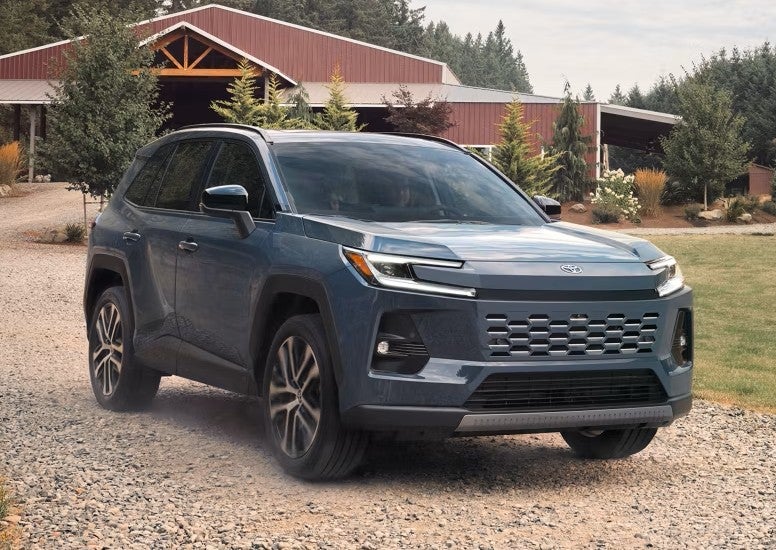
Toyota and Honda Report Weaker US Sales in April

- Toyota Sales Decline: Toyota's US sales in April fell to 222,378 vehicles, a 4.6% decrease year-over-year, attributed to sluggish market conditions and rising fuel prices, with expectations for a rebound as new RAV4 production ramps up.
- Honda's Slight Sales Drop: Honda reported a slight decline in April sales to 137,405 units from 137,656 units a year earlier, with year-to-date sales down 3.1% to 474,236 units, indicating weak market demand.
- SUV vs. Sedan Sales Trends: Honda's truck sales, mainly SUVs, MPVs, and pickups, dropped nearly 8% to 327,569 units, while sedan sales increased by 10% to 146,667 units, reflecting shifting consumer preferences.
- Luxury Brand Struggles: Toyota's luxury brand Lexus also experienced a sales decline, contributing to the overall drop in sales, highlighting increasing competitive pressure in the premium market.
See More
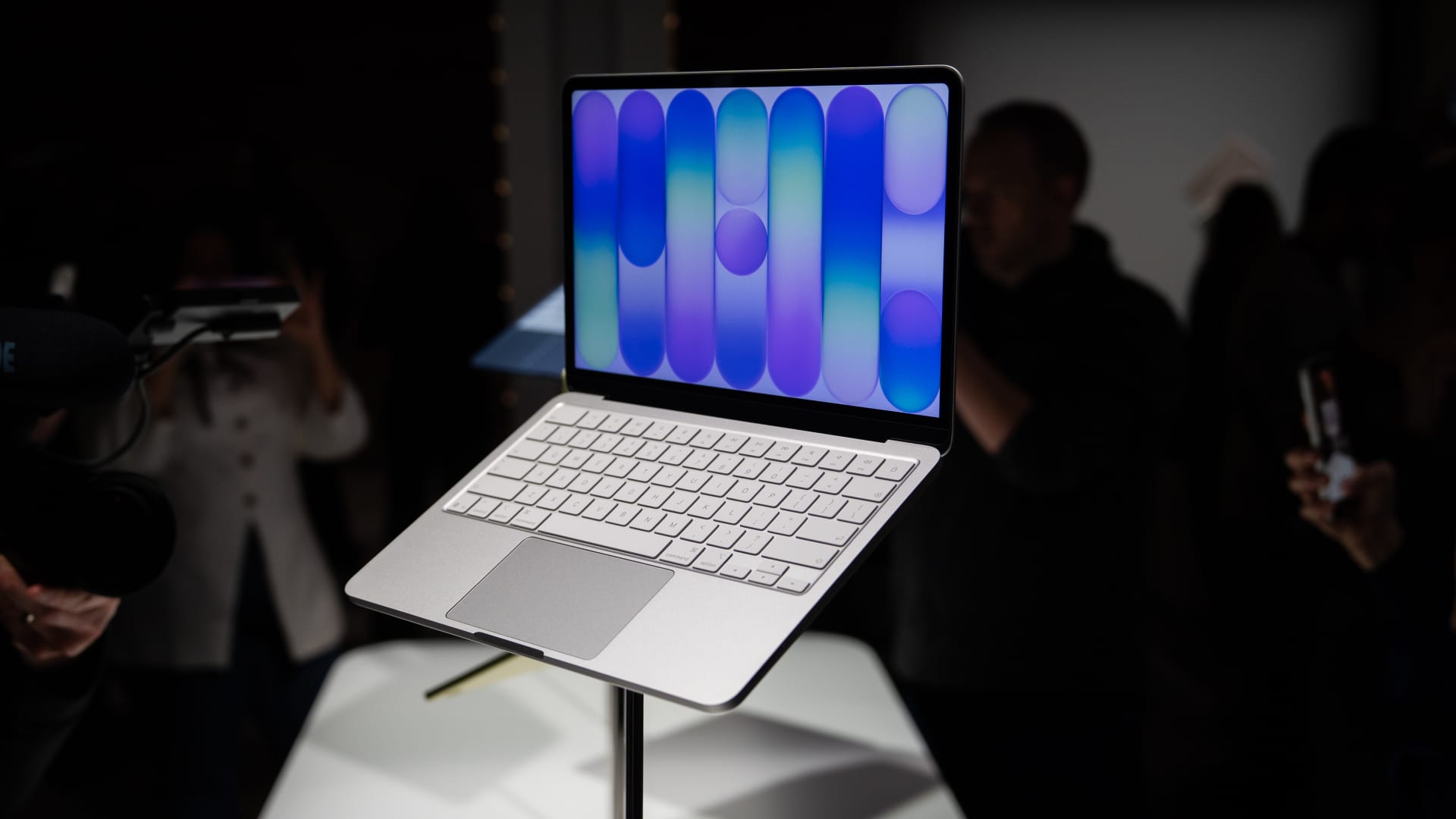
Apple Beats Earnings Estimates, Shares Rise Over 3%

- Apple's Strong Performance: Apple exceeded earnings expectations in its latest report, with both revenue and profit growth driving shares up over 3% in after-hours trading, despite iPhone sales falling short, indicating strong demand for its services segment.
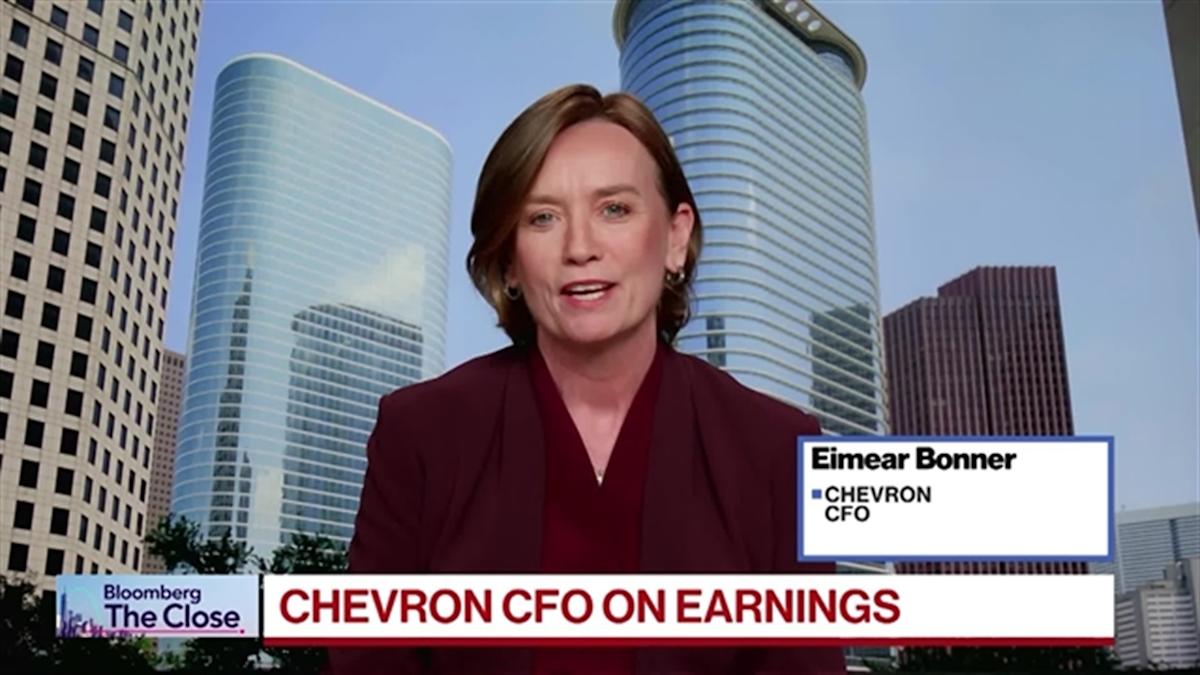
- Energy Stocks Surge: Following the outbreak of the Iran war, Chevron and Exxon Mobil saw their shares rise by 9.3% and 9.1%, respectively, reflecting market confidence in the energy sector amid heightened global energy tensions.
- Berkshire Hathaway's Decline: Berkshire Hathaway's A shares have dropped over 5% year-to-date and 11% over the year, raising concerns among investors about its long-term growth prospects, with the current share price at $711,900.
- Weakness in Auto Sector: Major automakers have experienced significant stock declines over the past three months, with Toyota, Ford, and General Motors down 15%, 13%, and 8.5%, respectively, reflecting a pessimistic outlook for recovery in the automotive industry.
See More
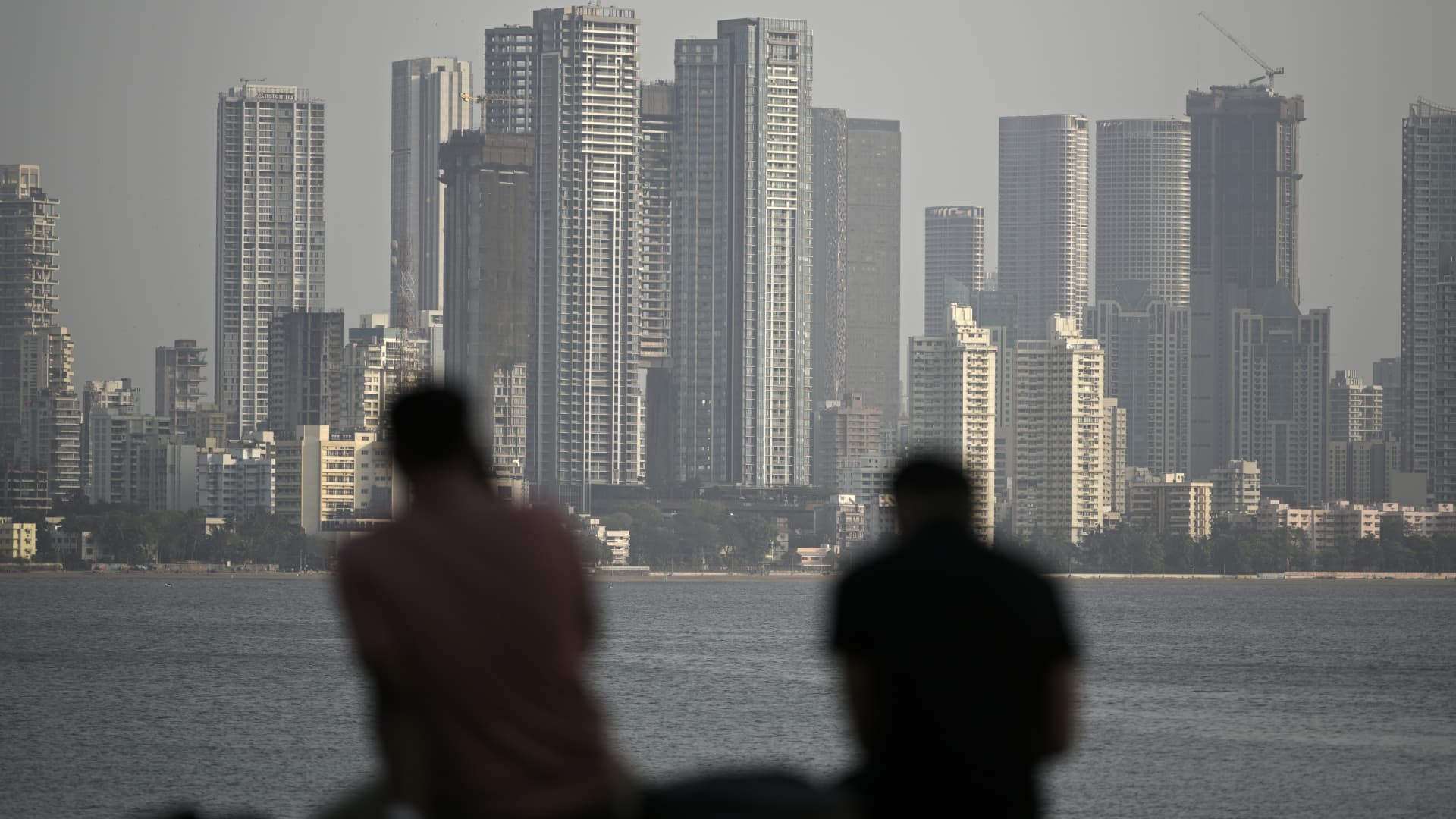
India's IT Sector Faces Employment Crisis Amid AI Disruption
- Deepening Employment Crisis: Bernstein warns that the rise of AI may lead to a reduction in high-quality jobs in India's IT sector, affecting the income and consumption capacity of 10 to 15 million employees in IT services and outsourcing, thereby threatening the foundation of national economic growth.
- Shifting Hiring Trends: Net hiring by India's top five IT companies dropped by around 7,000 in FY26, with TCS planning to hire only 25,000 fresh graduates compared to an average of 40,000 over the past three years, indicating a diminishing reliance on large-scale recruitment in the industry.
- Skills Gap Challenge: While the Indian government emphasizes
See More

Honda to Cease Automobile Sales in South Korea by End of 2026
- Market Exit Decision: Honda has decided to cease automobile sales in South Korea by the end of 2026, aiming to concentrate resources on core areas of strength in response to changes in the global and South Korean automobile market, indicating a strategic shift in its market approach.
- Continued After-Sales Services: Despite halting automobile sales, Honda will continue to provide after-sales services in South Korea, including vehicle servicing, parts supply, and warranty support, ensuring existing customers' needs are met and maintaining brand loyalty.
- Historical Context: Honda has been selling motorcycles in South Korea since 2002 and automobiles since 2004 through its subsidiary Honda Korea, highlighting its long-standing presence and commitment to consumers in the market.
- Joint Venture Outlook: Even after the cancellation of EV plans, Honda's joint venture with Sony will continue to operate, reflecting Honda's ongoing exploration in the electric vehicle sector and its ability to seize future market opportunities.
See More
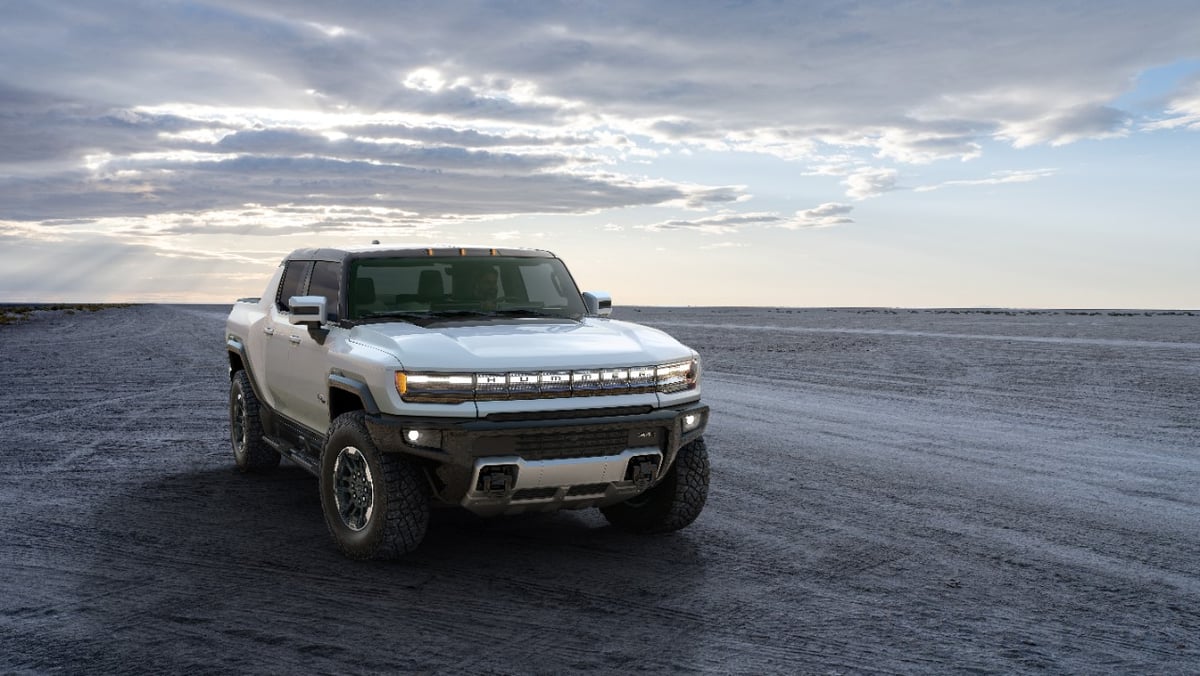
GM CEO Compensation Continues to Rise


- Compensation Growth: GM CEO Mary Barra earned $29.9 million last year, reflecting a 1.4% increase from the previous year, with her base salary steady at $2.1 million and stock awards rising 11% to $21.6 million, indicating the company's strategy to attract top talent.
- Performance Comparison: Over the past three years, GM has significantly outperformed rivals, nearly tripling its closest competitor's value, particularly amidst volatile EV demand and uncertain trade policies, showcasing its strong market adaptability.
- Peer Compensation Analysis: Ford CEO Jim Farley's compensation also rose by 11% to $27.5 million, yet his performance only met 64% of earnings targets while facing record recalls, highlighting a disparity between executive pay and actual company performance.
- Aligning Shareholder Interests: GM has returned immense value to shareholders through tens of billions in stock buybacks, and while executive compensation may spark debate, the company's strong performance metrics and profitability provide robust justification for such pay.
See More

Mary Barra's $30 Million Pay in 2025 Surpasses Detroit Rivals
- Compensation Growth and Performance: GM CEO Mary Barra's 2025 compensation reached $29.9 million, reflecting a 1.4% increase from the previous year, with her base salary steady at $2.1 million and stock awards rising 11% to $21.6 million, demonstrating the company's commitment to attracting top talent in a competitive landscape.
- Incentive Structure Design: The targets set for GM's 2025 compensation program are designed to motivate management to navigate uncertainties, drive product innovation, and enhance profitability, thereby aligning with shareholder interests and emphasizing the company's focus on long-term value creation.
- Outstanding Market Performance: Over the past three years, GM has significantly outperformed its rivals, nearly tripling the market value of its closest competitor, showcasing the company's successful navigation of volatile electric vehicle demand and trade policy uncertainties, which further solidifies its market position.
- Peer Compensation Comparison: Compared to Ford CEO Jim Farley's $27.5 million compensation, which increased despite Ford only achieving 64% of its earnings targets, Barra's higher pay reflects differing market perceptions regarding executive compensation amidst varying company performances.
See More
Toyota and Honda Report Weaker US Sales in April
- Toyota Sales Decline: Toyota's US sales in April fell to 222,378 vehicles, a 4.6% decrease year-over-year, attributed to sluggish market conditions and rising fuel prices, with expectations for a rebound as new RAV4 production ramps up.
- Honda's Slight Sales Drop: Honda reported a slight decline in April sales to 137,405 units from 137,656 units a year earlier, with year-to-date sales down 3.1% to 474,236 units, indicating weak market demand.
- SUV vs. Sedan Sales Trends: Honda's truck sales, mainly SUVs, MPVs, and pickups, dropped nearly 8% to 327,569 units, while sedan sales increased by 10% to 146,667 units, reflecting shifting consumer preferences.
- Luxury Brand Struggles: Toyota's luxury brand Lexus also experienced a sales decline, contributing to the overall drop in sales, highlighting increasing competitive pressure in the premium market.
See More
Apple Beats Earnings Estimates, Shares Rise Over 3%
- Apple's Strong Performance: Apple exceeded earnings expectations in its latest report, with both revenue and profit growth driving shares up over 3% in after-hours trading, despite iPhone sales falling short, indicating strong demand for its services segment.
- Energy Stocks Surge: Following the outbreak of the Iran war, Chevron and Exxon Mobil saw their shares rise by 9.3% and 9.1%, respectively, reflecting market confidence in the energy sector amid heightened global energy tensions.
- Berkshire Hathaway's Decline: Berkshire Hathaway's A shares have dropped over 5% year-to-date and 11% over the year, raising concerns among investors about its long-term growth prospects, with the current share price at $711,900.
- Weakness in Auto Sector: Major automakers have experienced significant stock declines over the past three months, with Toyota, Ford, and General Motors down 15%, 13%, and 8.5%, respectively, reflecting a pessimistic outlook for recovery in the automotive industry.
See More
India's IT Sector Faces Employment Crisis Amid AI Disruption
- Deepening Employment Crisis: Bernstein warns that the rise of AI may lead to a reduction in high-quality jobs in India's IT sector, affecting the income and consumption capacity of 10 to 15 million employees in IT services and outsourcing, thereby threatening the foundation of national economic growth.
- Shifting Hiring Trends: Net hiring by India's top five IT companies dropped by around 7,000 in FY26, with TCS planning to hire only 25,000 fresh graduates compared to an average of 40,000 over the past three years, indicating a diminishing reliance on large-scale recruitment in the industry.
- Skills Gap Challenge: While the Indian government emphasizes
See More
Honda to Cease Automobile Sales in South Korea by End of 2026
- Market Exit Decision: Honda has decided to cease automobile sales in South Korea by the end of 2026, aiming to concentrate resources on core areas of strength in response to changes in the global and South Korean automobile market, indicating a strategic shift in its market approach.
- Continued After-Sales Services: Despite halting automobile sales, Honda will continue to provide after-sales services in South Korea, including vehicle servicing, parts supply, and warranty support, ensuring existing customers' needs are met and maintaining brand loyalty.
- Historical Context: Honda has been selling motorcycles in South Korea since 2002 and automobiles since 2004 through its subsidiary Honda Korea, highlighting its long-standing presence and commitment to consumers in the market.
- Joint Venture Outlook: Even after the cancellation of EV plans, Honda's joint venture with Sony will continue to operate, reflecting Honda's ongoing exploration in the electric vehicle sector and its ability to seize future market opportunities.
See More
GM CEO Compensation Continues to Rise
- Compensation Growth: GM CEO Mary Barra earned $29.9 million last year, reflecting a 1.4% increase from the previous year, with her base salary steady at $2.1 million and stock awards rising 11% to $21.6 million, indicating the company's strategy to attract top talent.
- Performance Comparison: Over the past three years, GM has significantly outperformed rivals, nearly tripling its closest competitor's value, particularly amidst volatile EV demand and uncertain trade policies, showcasing its strong market adaptability.
- Peer Compensation Analysis: Ford CEO Jim Farley's compensation also rose by 11% to $27.5 million, yet his performance only met 64% of earnings targets while facing record recalls, highlighting a disparity between executive pay and actual company performance.
- Aligning Shareholder Interests: GM has returned immense value to shareholders through tens of billions in stock buybacks, and while executive compensation may spark debate, the company's strong performance metrics and profitability provide robust justification for such pay.
See More
Mary Barra's $30 Million Pay in 2025 Surpasses Detroit Rivals
- Compensation Growth and Performance: GM CEO Mary Barra's 2025 compensation reached $29.9 million, reflecting a 1.4% increase from the previous year, with her base salary steady at $2.1 million and stock awards rising 11% to $21.6 million, demonstrating the company's commitment to attracting top talent in a competitive landscape.
- Incentive Structure Design: The targets set for GM's 2025 compensation program are designed to motivate management to navigate uncertainties, drive product innovation, and enhance profitability, thereby aligning with shareholder interests and emphasizing the company's focus on long-term value creation.
- Outstanding Market Performance: Over the past three years, GM has significantly outperformed its rivals, nearly tripling the market value of its closest competitor, showcasing the company's successful navigation of volatile electric vehicle demand and trade policy uncertainties, which further solidifies its market position.
- Peer Compensation Comparison: Compared to Ford CEO Jim Farley's $27.5 million compensation, which increased despite Ford only achieving 64% of its earnings targets, Barra's higher pay reflects differing market perceptions regarding executive compensation amidst varying company performances.
See More