Home Depot and Sherwin-Williams Benefit from Lower Interest Rates
Written by Emily J. Thompson, Senior Investment Analyst
Updated: Mar 11 2026
0mins

Source: NASDAQ.COM
- Market Reaction: Last week, Home Depot's stock fell 6% and Sherwin-Williams dropped 9%, significantly worse than the S&P 500's 2% decline, indicating pressure on consumer discretionary sectors due to supply chain disruptions and economic uncertainty.
- Interest Rate Impact: With mortgage rates hitting their lowest since 2022, both Home Depot and Sherwin-Williams see improved business prospects as lower borrowing costs make home improvement projects more appealing, thereby boosting demand from commercial and industrial customers.
- Dividend Performance: Home Depot has raised its dividend annually since 2010, currently yielding 2.6%, while Sherwin-Williams has increased its dividend for the 47th consecutive year, yielding only 1% due to strong stock performance, reflecting robust profitability.
- Investment Appeal: Home Depot is more attractive for value and passive income investors, particularly with a recovery in the North American housing market, while Sherwin-Williams offers a diversified global customer base but comes at a higher price with a lower yield.
Trade with 70% Backtested Accuracy
Stop guessing "Should I Buy HD?" and start using high-conviction signals backed by rigorous historical data.
Sign up today to access powerful investing tools and make smarter, data-driven decisions.
Analyst Views on HD
Wall Street analysts forecast HD stock price to rise
23 Analyst Rating
17 Buy
5 Hold
1 Sell
Moderate Buy
Current: 323.500

Low
320.00
Averages
401.47
High
441.00
Current: 323.500
Low
320.00
Averages
401.47
High
441.00
About HD
The Home Depot, Inc. is a home improvement specialty retailer. The Company offers an assortment of building materials, home improvement products, lawn and garden products, decor products, and facilities maintenance, repair, and operations products, in stores and online. It also provides various services, including home improvement installation services, and tool and equipment rental. The Company operates approximately 2,353 retail stores, over 800 branches and more than 325 distribution centers that directly fulfill customer orders across all 50 states, the District of Columbia, Puerto Rico, the U.S. Virgin Islands, Guam, 10 Canadian provinces and Mexico. Its stores average approximately 105,000 square feet of enclosed space, with approximately 24,000 additional square feet of outside garden area. The Company serves two primary customer groups, including both do-it-yourself (DIY) and Do-It-For-Me (DIFM) customers and Professional Customers (Pros).
About the author

Emily J. Thompson
Emily J. Thompson, a Chartered Financial Analyst (CFA) with 12 years in investment research, graduated with honors from the Wharton School. Specializing in industrial and technology stocks, she provides in-depth analysis for Intellectia’s earnings and market brief reports.
Market Rises on Optimism Over Iran War Resolution

- Market Optimism: The stock market rose on Tuesday as President Trump expressed willingness to end the Iran War without reopening the Strait of Hormuz, which Jim Cramer noted presents various opportunities, potentially leading to lower oil prices that could alleviate inflation concerns and facilitate interest rate cuts by the Federal Reserve later this year.
- AI Partnership: Nvidia announced a strategic partnership with custom chipmaker Marvell Technology, which is boosting overall sentiment in the artificial intelligence sector, indicating a growing confidence in AI-related investments.
- Cybersecurity Challenges: CEO Nikesh Arora of Palo Alto Networks is on a
See More
The Home Depot Appoints New Chief Technology Officer
- Executive Appointment: The Home Depot has appointed Dr. Franziska Bell as Chief Technology Officer, effective April 6, bringing extensive experience from her previous role at Ford as Chief Data, AI, and Analytics Officer, which will enhance the company's technology strategy implementation.
- Technology Integration Strategy: Bell will lead the enterprise-wide integration of agentic AI and machine learning, aiming to create a seamless, interconnected, and data-driven experience for The Home Depot's associates, DIYers, and Pro customers, thereby improving customer satisfaction and operational efficiency.
- Enhancing Customer Experience: CEO Ted Decker emphasized that Bell's expertise in technology will help eliminate friction in the customer experience, making home improvement processes smoother and further enhancing customer engagement and satisfaction.
- Global Retail Network: As of the end of fiscal 2025, The Home Depot operates 2,359 retail stores and over 1,250 SRS locations worldwide, employing over 470,000 associates, and Bell's addition is expected to strengthen the company's technological competitiveness in the global market.
See More
The Home Depot Appoints New Chief Technology Officer
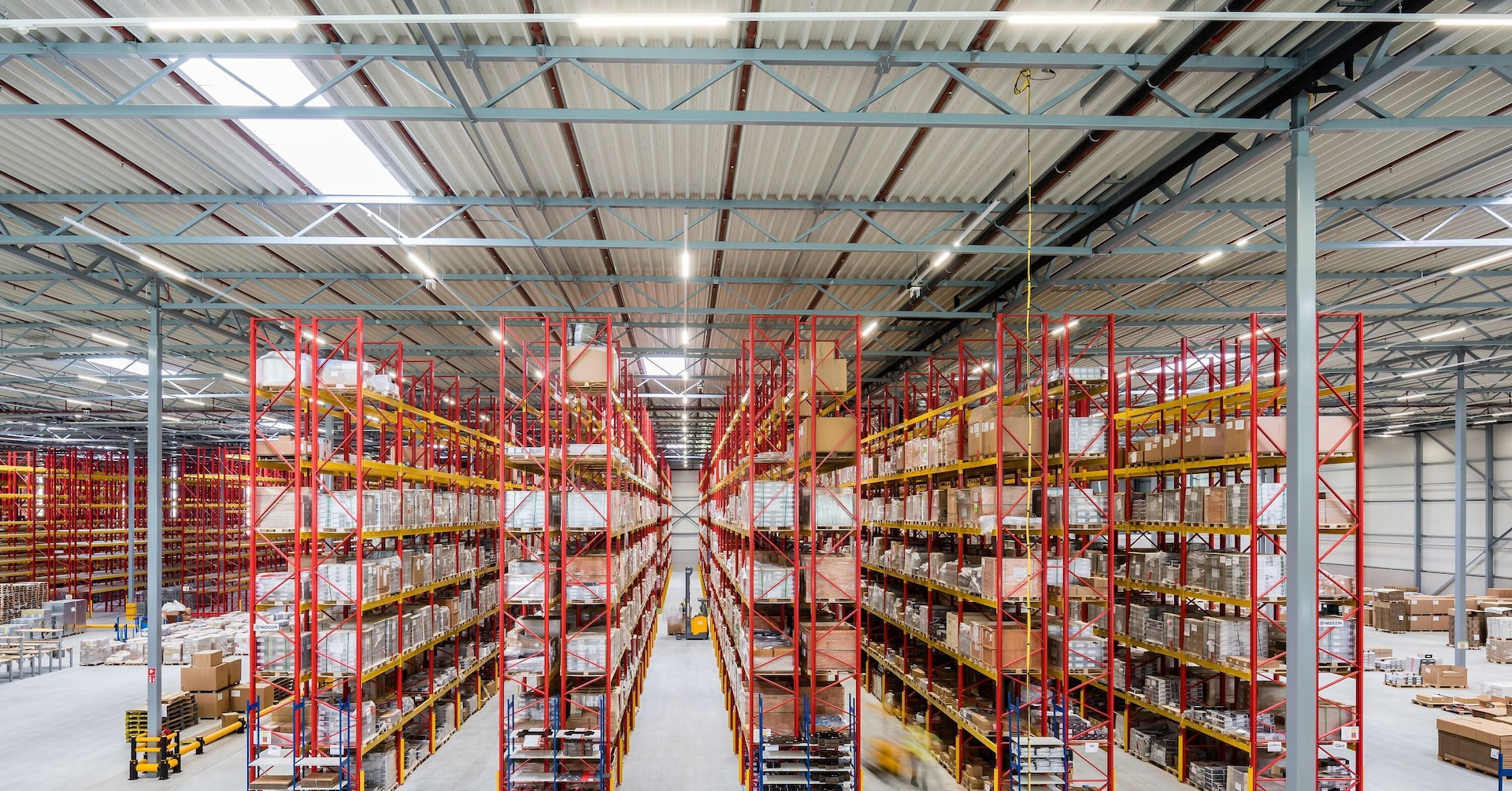
- Executive Appointment: The Home Depot has named Dr. Franziska Bell as Chief Technology Officer, effective April 6, where she will oversee technology strategy, product management, and AI integration, expected to advance the company's digital transformation efforts.
- Rich Background: Bell previously led AI transformation at Ford as Chief Data, AI, and Analytics Officer and held executive roles at BP, Uber, and Toyota, bringing extensive experience that will drive technological innovation at The Home Depot.
- Enhanced Customer Experience: Bell emphasizes that seamless technology integration will improve customer experiences, particularly in home improvement projects, with anticipated efficiency gains for DIY and Pro customers through AI and machine learning applications.
- Strategic Vision: CEO Ted Decker stated that Bell's expertise will help eliminate friction in operations, making the home improvement process smoother, thereby further solidifying The Home Depot's leadership position in the home improvement retail market.
See More
Lowe's Spring Promotions Strategy to Tackle Market Challenges

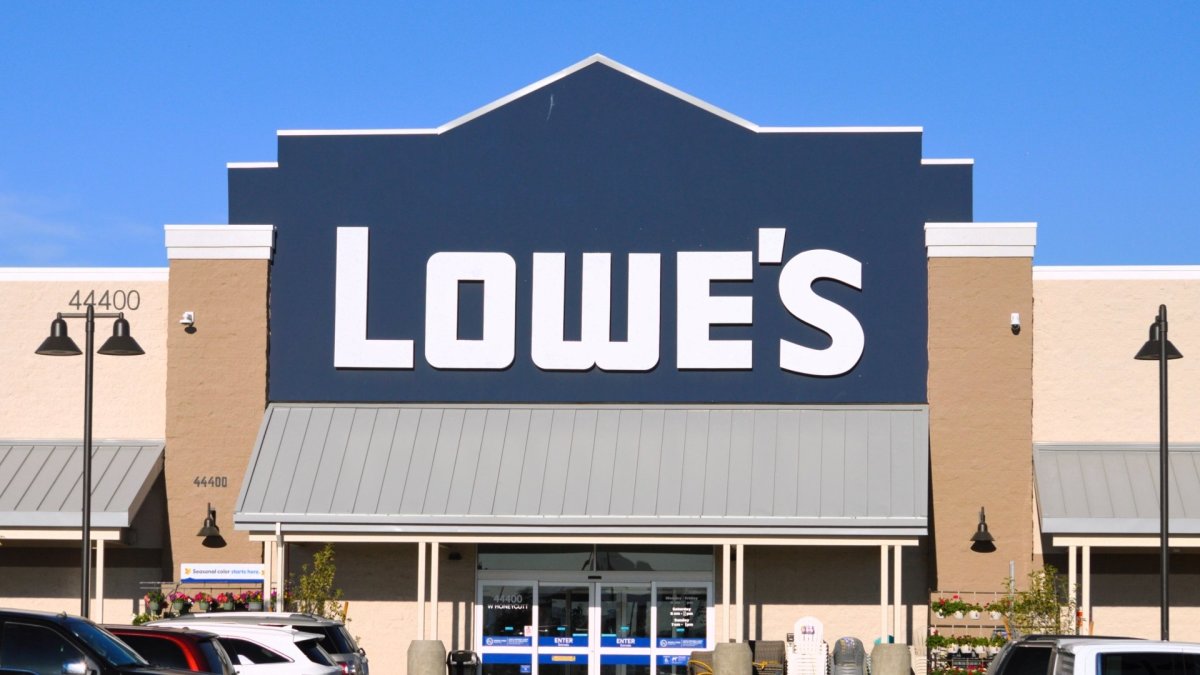
- Housing Market Pressure: In February, the median existing home price reached $398,000, marking the 32nd consecutive month of year-over-year gains, which has made it difficult for new buyers to enter the market, thereby putting pressure on home improvement giants like Lowe's.
- Cautious Earnings Outlook: Despite beating earnings expectations in its latest quarter, Lowe's reported a decline in operating income and anticipates comparable sales to be flat or up 2% for 2026, reflecting the challenges posed by the current market environment.
- Spring Promotion Campaign: Lowe's has launched new seasonal promotions, including free same-day delivery for loyalty members on orders over $25, aimed at attracting customers and boosting spring sales, particularly amid heightened economic uncertainty.
- Focus on Customer Needs: With consumer spending being curtailed, Lowe's is smartly focusing on value and convenience, especially considering that 50% of homeowners need critical renovations they cannot afford, indicating a need for further price optimization to maintain competitiveness.
See More

Big Box Retailers Impacting Small Hardware Stores

- Market Share Competition: According to the Numerator Home Improvement Tracker, Home Depot held 28% of the market share in 2025, Lowe's 17%, and Amazon 11%, collectively dominating about 56% of the market, which has put immense pressure on smaller hardware stores to survive.
- Store Closures Intensify: Great Lakes Ace Hardware announced the permanent closure of its Center Line, Michigan location on March 28, facing fierce competition from a Home Depot located less than two miles away, although no specific reason for the closure was provided.
- Promotional Clearance Sales: Following the closure announcement, Great Lakes Ace Hardware initiated a clearance sale with a 20% discount on all inventory, aiming to attract customers for last-minute purchases before the store shuts down.
- Significant Cost Pressures: The hardware store operator is grappling with increased labor and product costs driven by inflation and rising tariffs, factors that have become common reasons for store closures among many retailers, further exacerbating the challenges faced by small hardware stores.
See More

CNBC Investing Club March Meeting Overview

- Energy Stocks Surge: Following the outbreak of war in Iran, energy stocks, particularly fertilizer manufacturers, have shown strong performance, indicating robust market demand that could drive profitability for related companies.
- AWS Growth Acceleration: Amazon's cloud unit AWS is no longer lagging behind Microsoft Azure, thanks to its partnership with Anthropic, with expectations for next quarter's margins to exceed market forecasts, boosting investor confidence.
- Cybersecurity Challenges: CrowdStrike has been affected by turmoil in the software market, but the CEO highlighted the positive impact of AI on cyberattacks, indicating long-term growth potential in the security sector, despite high stock prices.
- Healthcare Sector Risks: Eli Lilly faces pricing pressure from competitor Novo Nordisk, but the company is prepared to counter this by increasing volume, with the upcoming launch of its GLP-1 obesity drug expected to drive growth.
See More
Market Rises on Optimism Over Iran War Resolution
- Market Optimism: The stock market rose on Tuesday as President Trump expressed willingness to end the Iran War without reopening the Strait of Hormuz, which Jim Cramer noted presents various opportunities, potentially leading to lower oil prices that could alleviate inflation concerns and facilitate interest rate cuts by the Federal Reserve later this year.
- AI Partnership: Nvidia announced a strategic partnership with custom chipmaker Marvell Technology, which is boosting overall sentiment in the artificial intelligence sector, indicating a growing confidence in AI-related investments.
- Cybersecurity Challenges: CEO Nikesh Arora of Palo Alto Networks is on a
See More
The Home Depot Appoints New Chief Technology Officer
- Executive Appointment: The Home Depot has appointed Dr. Franziska Bell as Chief Technology Officer, effective April 6, bringing extensive experience from her previous role at Ford as Chief Data, AI, and Analytics Officer, which will enhance the company's technology strategy implementation.
- Technology Integration Strategy: Bell will lead the enterprise-wide integration of agentic AI and machine learning, aiming to create a seamless, interconnected, and data-driven experience for The Home Depot's associates, DIYers, and Pro customers, thereby improving customer satisfaction and operational efficiency.
- Enhancing Customer Experience: CEO Ted Decker emphasized that Bell's expertise in technology will help eliminate friction in the customer experience, making home improvement processes smoother and further enhancing customer engagement and satisfaction.
- Global Retail Network: As of the end of fiscal 2025, The Home Depot operates 2,359 retail stores and over 1,250 SRS locations worldwide, employing over 470,000 associates, and Bell's addition is expected to strengthen the company's technological competitiveness in the global market.
See More
The Home Depot Appoints New Chief Technology Officer
- Executive Appointment: The Home Depot has named Dr. Franziska Bell as Chief Technology Officer, effective April 6, where she will oversee technology strategy, product management, and AI integration, expected to advance the company's digital transformation efforts.
- Rich Background: Bell previously led AI transformation at Ford as Chief Data, AI, and Analytics Officer and held executive roles at BP, Uber, and Toyota, bringing extensive experience that will drive technological innovation at The Home Depot.
- Enhanced Customer Experience: Bell emphasizes that seamless technology integration will improve customer experiences, particularly in home improvement projects, with anticipated efficiency gains for DIY and Pro customers through AI and machine learning applications.
- Strategic Vision: CEO Ted Decker stated that Bell's expertise will help eliminate friction in operations, making the home improvement process smoother, thereby further solidifying The Home Depot's leadership position in the home improvement retail market.
See More
Lowe's Spring Promotions Strategy to Tackle Market Challenges
- Housing Market Pressure: In February, the median existing home price reached $398,000, marking the 32nd consecutive month of year-over-year gains, which has made it difficult for new buyers to enter the market, thereby putting pressure on home improvement giants like Lowe's.
- Cautious Earnings Outlook: Despite beating earnings expectations in its latest quarter, Lowe's reported a decline in operating income and anticipates comparable sales to be flat or up 2% for 2026, reflecting the challenges posed by the current market environment.
- Spring Promotion Campaign: Lowe's has launched new seasonal promotions, including free same-day delivery for loyalty members on orders over $25, aimed at attracting customers and boosting spring sales, particularly amid heightened economic uncertainty.
- Focus on Customer Needs: With consumer spending being curtailed, Lowe's is smartly focusing on value and convenience, especially considering that 50% of homeowners need critical renovations they cannot afford, indicating a need for further price optimization to maintain competitiveness.
See More
Big Box Retailers Impacting Small Hardware Stores
- Market Share Competition: According to the Numerator Home Improvement Tracker, Home Depot held 28% of the market share in 2025, Lowe's 17%, and Amazon 11%, collectively dominating about 56% of the market, which has put immense pressure on smaller hardware stores to survive.
- Store Closures Intensify: Great Lakes Ace Hardware announced the permanent closure of its Center Line, Michigan location on March 28, facing fierce competition from a Home Depot located less than two miles away, although no specific reason for the closure was provided.
- Promotional Clearance Sales: Following the closure announcement, Great Lakes Ace Hardware initiated a clearance sale with a 20% discount on all inventory, aiming to attract customers for last-minute purchases before the store shuts down.
- Significant Cost Pressures: The hardware store operator is grappling with increased labor and product costs driven by inflation and rising tariffs, factors that have become common reasons for store closures among many retailers, further exacerbating the challenges faced by small hardware stores.
See More
CNBC Investing Club March Meeting Overview
- Energy Stocks Surge: Following the outbreak of war in Iran, energy stocks, particularly fertilizer manufacturers, have shown strong performance, indicating robust market demand that could drive profitability for related companies.
- AWS Growth Acceleration: Amazon's cloud unit AWS is no longer lagging behind Microsoft Azure, thanks to its partnership with Anthropic, with expectations for next quarter's margins to exceed market forecasts, boosting investor confidence.
- Cybersecurity Challenges: CrowdStrike has been affected by turmoil in the software market, but the CEO highlighted the positive impact of AI on cyberattacks, indicating long-term growth potential in the security sector, despite high stock prices.
- Healthcare Sector Risks: Eli Lilly faces pricing pressure from competitor Novo Nordisk, but the company is prepared to counter this by increasing volume, with the upcoming launch of its GLP-1 obesity drug expected to drive growth.
See More