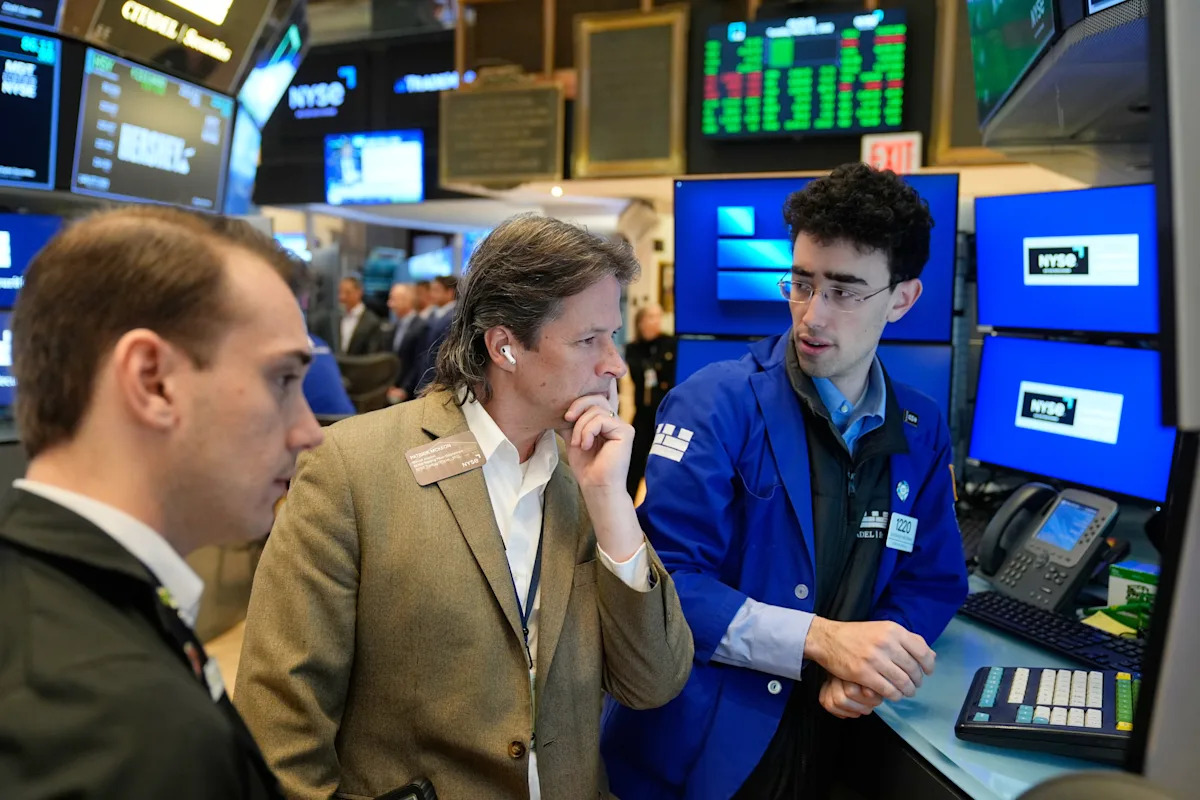
Google CEO Discusses Investment Opportunities in AI Boom
Written by Emily J. Thompson, Senior Investment Analyst
Updated: 3 days ago
0mins

Should l Buy GOOG?
Source: Newsfilter
- Increased AI Investment Opportunities: Google CEO Sundar Pichai noted that the AI boom has significantly expanded the company's investment opportunities in startups, particularly in firms like SpaceX and Anthropic, showcasing its flexibility and foresight in capital deployment.
- SpaceX Investment Returns: Google's $900 million investment in SpaceX in 2015 has ballooned to a valuation of $1.25 trillion, suggesting that if Alphabet retains its shares, it could see returns exceeding $100 billion, reflecting its successful positioning in the high-tech sector.
- Anthropic Investment Expansion: Google's total investment in AI lab Anthropic has surpassed $3 billion, with a 14% stake, as its valuation skyrocketed from single-digit billions to $380 billion, indicating Google's strategic focus and market potential in AI.
- Waymo Funding Achievements: Google's autonomous vehicle division, Waymo, raised $16 billion in 2023, achieving a valuation of $126 billion, with Pichai acknowledging that earlier funding limitations were due to the company's developmental stage, emphasizing future support for innovative projects.
Trade with 70% Backtested Accuracy
Stop guessing "Should I Buy GOOG?" and start using high-conviction signals backed by rigorous historical data.
Sign up today to access powerful investing tools and make smarter, data-driven decisions.
Analyst Views on GOOG
Wall Street analysts forecast GOOG stock price to rise
15 Analyst Rating
14 Buy
1 Hold
0 Sell
Strong Buy
Current: 316.370

Low
255.00
Averages
336.08
High
400.00
Current: 316.370
Low
255.00
Averages
336.08
High
400.00
About GOOG
Alphabet Inc. is a holding company. The Company's segments include Google Services, Google Cloud, and Other Bets. The Google Services segment includes products and services such as ads, Android, Chrome, devices, Google Maps, Google Play, Search, and YouTube. The Google Cloud segment includes infrastructure and platform services, collaboration tools, and other services for enterprise customers. Its Other Bets segment is engaged in the sale of healthcare-related services and Internet services. Its Google Cloud provides enterprise-ready cloud services, including Google Cloud Platform and Google Workspace. Google Cloud Platform provides access to solutions such as artificial intelligence (AI) offerings, including its AI infrastructure, Vertex AI platform, and Gemini for Google Cloud; cybersecurity, and data and analytics. Google Workspace includes cloud-based communication and collaboration tools for enterprises, such as Calendar, Gmail, Docs, Drive, and Meet.
About the author

Emily J. Thompson
Emily J. Thompson, a Chartered Financial Analyst (CFA) with 12 years in investment research, graduated with honors from the Wharton School. Specializing in industrial and technology stocks, she provides in-depth analysis for Intellectia’s earnings and market brief reports.

SpaceX Plans July IPO with $1.75 Trillion Valuation


- IPO Plans: SpaceX confidentially filed for an IPO with the SEC in April, planning a roadshow in June and a public market debut in July, potentially achieving a $1.75 trillion valuation, making it one of the top ten most valuable public companies globally.
- Fundraising Goals: CEO Elon Musk aims to raise $75 billion through the IPO, more than double the current record for IPO fundraising, indicating strong demand for SpaceX shares, particularly from retail investors.
- Investment Opportunities: For investors eager to gain exposure to SpaceX, the Ark Venture Fund and Baron Partners Fund offer high-risk indirect investment options, with the former holding 17% and the latter 33% of SpaceX shares, both achieving significant returns over the past decade.
- Alphabet's Investment Returns: Alphabet invested $900 million in SpaceX in 2015, and its stake is now worth over $100 billion; if SpaceX goes public, this could rise to $120 billion, enhancing Alphabet's competitive position in advertising, cloud computing, and autonomous driving markets.
See More

SpaceX Files for Initial Public Offering Amid Heavy Investor Interest
- IPO Filing: SpaceX has recently filed for an initial public offering (IPO) with the SEC, planning to host a roadshow in June and aiming for a July market debut, with a target valuation of $1.75 trillion that would position it among the top ten public companies globally.
- Investor Enthusiasm: The Ark Venture Fund and Baron Partners Fund have allocated 17% and 33% of their assets to SpaceX, respectively, indicating strong investor interest, particularly in the pre-IPO phase, which is expected to attract significant retail investor demand.
- Alphabet's Strategic Investment: Alphabet invested $900 million in SpaceX in 2015, and its stake is now valued at over $100 billion; if SpaceX goes public, this could rise to $120 billion, enhancing Alphabet's market position in advertising, cloud computing, and autonomous driving.
- Risk and Return Analysis: While Ark Venture Fund and Baron Partners Fund offer indirect exposure to SpaceX, their high expense ratios and concentration risks make direct ownership of Alphabet stock a safer option, with projected annual earnings growth of 15% over the next three years.
See More
AI Reshaping the U.S. Labor Market Rapidly

- Job Transition Trends: According to Wolfe Research's latest 'Roth Report', while approximately 700,000 jobs have been lost due to AI, around 1 million new positions have been created in the past two years, indicating that job creation is currently outpacing job displacement, reflecting a positive shift in the labor market.
- Economic Risk Warning: Analysts caution that despite the net job gain, losses are heavily concentrated in routine roles within the technology and finance sectors, while new hiring is shifting towards highly specialized positions for managing and auditing AI systems, posing structural risks to the economy.
- Future Job Projections: The report employs AI modeling to predict that roles such as 'AI Ethicists', 'Algorithm Auditors', and 'Prompt Engineers' will dominate the labor market in the 2030s, highlighting a strong demand for technical talent that was virtually non-existent five years ago.
- Skills Gap Challenge: As the labor market bifurcates, the ability of companies to bridge the current skills gap will likely become a defining factor in corporate earnings and broader economic stability through 2026 and beyond, with potential short-term wage volatility as firms compete for a limited pool of specialized talent.
See More

Sandisk Capitalizes on Storage Shortage to Boost Prices and Profits
- Profit Surge: Sandisk reported a net income of $803 million in Q2 of fiscal 2026, marking a 617% increase from Q1 and a 672% year-over-year growth, showcasing its robust profitability amid soaring digital storage demand.
- Margin Expansion: The company's gross margin rose to 50.9%, up 21.1 percentage points from Q1, reflecting its ability to successfully raise prices in the context of storage device shortages, thereby significantly enhancing its financial performance.
- Market Position: As hyperscale data centers expand, Sandisk has positioned itself as a critical supplier of storage devices, benefiting in the short term despite rising competition from companies like Samsung and Micron, which are ramping up production capacity.
- Investment Strategy: Despite Sandisk's current success, analysts prefer investing in vertically integrated AI companies like Alphabet and Microsoft, which possess broader technological advantages and greater sustainability in the evolving market landscape.
See More
Sandisk's 2200% Stock Surge Driven by AI Demand
- Surge in Storage Demand: Sandisk's stock has surged over 2200% in the past year, primarily driven by the skyrocketing demand for high-capacity storage devices essential for AI models, highlighting the company's pivotal role in the data center market.
- Significant Profitability Increase: In Q2 of fiscal 2026, Sandisk reported a net income of $803 million, a 672% year-over-year increase, with gross margins rising to 50.9%, indicating the company's successful price hikes amid hardware shortages.
- Market Competition Pressure: Although Sandisk is currently well-positioned, the ramp-up in production capabilities by companies like Samsung and Micron will alleviate the storage device shortage, potentially forcing Sandisk to lower prices to remain competitive.
- Long-term Investment Confidence: In contrast, Alphabet and Microsoft are seen as more attractive long-term investments due to their full-stack AI solutions and robust cloud platforms, allowing them to benefit from multiple phases of the AI pipeline, while Sandisk relies solely on sales volume growth.
See More

Oracle Shares Drop 25% Amid AI Investment Concerns

- Rising Debt Risks: Oracle's five-year credit default swap (CDS) spread has surged to 198 basis points, the highest on record, indicating that bond investors are demanding higher compensation due to concerns over the company's high leverage levels, reflecting market apprehension about its financial stability.
- Significant Growth in RPO: As of Q3 FY2026, Oracle's remaining performance obligations (RPO) reached approximately $553 billion, a staggering 325% year-over-year increase, providing strong multi-year revenue visibility despite the associated risks of high debt levels.
- Surge in Cloud Infrastructure Revenue: Oracle's cloud infrastructure (OCI) revenue soared by 84% year-over-year, while total cloud revenues rose 44% in Q3, demonstrating robust growth in its multi-cloud database business as enterprises increasingly adopt Oracle databases across major platforms.
- Cash Flow Pressure: By the end of Q3, Oracle's non-current debt surged to about $124.7 billion, with net debt exceeding $95 billion, while operating cash flow was only $17.3 billion, highlighting a significant gap between funding needs and cash generation, which will critically influence future stock price movements.
See More
SpaceX Plans July IPO with $1.75 Trillion Valuation
- IPO Plans: SpaceX confidentially filed for an IPO with the SEC in April, planning a roadshow in June and a public market debut in July, potentially achieving a $1.75 trillion valuation, making it one of the top ten most valuable public companies globally.
- Fundraising Goals: CEO Elon Musk aims to raise $75 billion through the IPO, more than double the current record for IPO fundraising, indicating strong demand for SpaceX shares, particularly from retail investors.
- Investment Opportunities: For investors eager to gain exposure to SpaceX, the Ark Venture Fund and Baron Partners Fund offer high-risk indirect investment options, with the former holding 17% and the latter 33% of SpaceX shares, both achieving significant returns over the past decade.
- Alphabet's Investment Returns: Alphabet invested $900 million in SpaceX in 2015, and its stake is now worth over $100 billion; if SpaceX goes public, this could rise to $120 billion, enhancing Alphabet's competitive position in advertising, cloud computing, and autonomous driving markets.
See More
SpaceX Files for Initial Public Offering Amid Heavy Investor Interest
- IPO Filing: SpaceX has recently filed for an initial public offering (IPO) with the SEC, planning to host a roadshow in June and aiming for a July market debut, with a target valuation of $1.75 trillion that would position it among the top ten public companies globally.
- Investor Enthusiasm: The Ark Venture Fund and Baron Partners Fund have allocated 17% and 33% of their assets to SpaceX, respectively, indicating strong investor interest, particularly in the pre-IPO phase, which is expected to attract significant retail investor demand.
- Alphabet's Strategic Investment: Alphabet invested $900 million in SpaceX in 2015, and its stake is now valued at over $100 billion; if SpaceX goes public, this could rise to $120 billion, enhancing Alphabet's market position in advertising, cloud computing, and autonomous driving.
- Risk and Return Analysis: While Ark Venture Fund and Baron Partners Fund offer indirect exposure to SpaceX, their high expense ratios and concentration risks make direct ownership of Alphabet stock a safer option, with projected annual earnings growth of 15% over the next three years.
See More
AI Reshaping the U.S. Labor Market Rapidly
- Job Transition Trends: According to Wolfe Research's latest 'Roth Report', while approximately 700,000 jobs have been lost due to AI, around 1 million new positions have been created in the past two years, indicating that job creation is currently outpacing job displacement, reflecting a positive shift in the labor market.
- Economic Risk Warning: Analysts caution that despite the net job gain, losses are heavily concentrated in routine roles within the technology and finance sectors, while new hiring is shifting towards highly specialized positions for managing and auditing AI systems, posing structural risks to the economy.
- Future Job Projections: The report employs AI modeling to predict that roles such as 'AI Ethicists', 'Algorithm Auditors', and 'Prompt Engineers' will dominate the labor market in the 2030s, highlighting a strong demand for technical talent that was virtually non-existent five years ago.
- Skills Gap Challenge: As the labor market bifurcates, the ability of companies to bridge the current skills gap will likely become a defining factor in corporate earnings and broader economic stability through 2026 and beyond, with potential short-term wage volatility as firms compete for a limited pool of specialized talent.
See More
Sandisk Capitalizes on Storage Shortage to Boost Prices and Profits
- Profit Surge: Sandisk reported a net income of $803 million in Q2 of fiscal 2026, marking a 617% increase from Q1 and a 672% year-over-year growth, showcasing its robust profitability amid soaring digital storage demand.
- Margin Expansion: The company's gross margin rose to 50.9%, up 21.1 percentage points from Q1, reflecting its ability to successfully raise prices in the context of storage device shortages, thereby significantly enhancing its financial performance.
- Market Position: As hyperscale data centers expand, Sandisk has positioned itself as a critical supplier of storage devices, benefiting in the short term despite rising competition from companies like Samsung and Micron, which are ramping up production capacity.
- Investment Strategy: Despite Sandisk's current success, analysts prefer investing in vertically integrated AI companies like Alphabet and Microsoft, which possess broader technological advantages and greater sustainability in the evolving market landscape.
See More
Sandisk's 2200% Stock Surge Driven by AI Demand
- Surge in Storage Demand: Sandisk's stock has surged over 2200% in the past year, primarily driven by the skyrocketing demand for high-capacity storage devices essential for AI models, highlighting the company's pivotal role in the data center market.
- Significant Profitability Increase: In Q2 of fiscal 2026, Sandisk reported a net income of $803 million, a 672% year-over-year increase, with gross margins rising to 50.9%, indicating the company's successful price hikes amid hardware shortages.
- Market Competition Pressure: Although Sandisk is currently well-positioned, the ramp-up in production capabilities by companies like Samsung and Micron will alleviate the storage device shortage, potentially forcing Sandisk to lower prices to remain competitive.
- Long-term Investment Confidence: In contrast, Alphabet and Microsoft are seen as more attractive long-term investments due to their full-stack AI solutions and robust cloud platforms, allowing them to benefit from multiple phases of the AI pipeline, while Sandisk relies solely on sales volume growth.
See More
Oracle Shares Drop 25% Amid AI Investment Concerns
- Rising Debt Risks: Oracle's five-year credit default swap (CDS) spread has surged to 198 basis points, the highest on record, indicating that bond investors are demanding higher compensation due to concerns over the company's high leverage levels, reflecting market apprehension about its financial stability.
- Significant Growth in RPO: As of Q3 FY2026, Oracle's remaining performance obligations (RPO) reached approximately $553 billion, a staggering 325% year-over-year increase, providing strong multi-year revenue visibility despite the associated risks of high debt levels.
- Surge in Cloud Infrastructure Revenue: Oracle's cloud infrastructure (OCI) revenue soared by 84% year-over-year, while total cloud revenues rose 44% in Q3, demonstrating robust growth in its multi-cloud database business as enterprises increasingly adopt Oracle databases across major platforms.
- Cash Flow Pressure: By the end of Q3, Oracle's non-current debt surged to about $124.7 billion, with net debt exceeding $95 billion, while operating cash flow was only $17.3 billion, highlighting a significant gap between funding needs and cash generation, which will critically influence future stock price movements.
See More