

Gold and Silver Market Value Hits Record Highs
Written by Emily J. Thompson, Senior Investment Analyst
Updated: Jan 26 2026
0mins

Source: Benzinga
- Market Size Surge: Gold prices have soared to $5,100 per ounce and silver to $110, pushing their combined market value over $41 trillion, nearly double that of the Magnificent 7 tech stocks, highlighting the dominance of precious metals in global assets.
- Valuation of Precious Metals: Gold alone is valued at approximately $35 trillion, while silver accounts for $6.1 trillion, positioning both firmly at the top of global asset rankings, surpassing major tech companies like NVIDIA and Apple.
- Significant Price Increases: Over the past 12 months, gold has risen by 80% and silver by 260%, both on track for their strongest annual gains since 1980, reflecting robust market demand for precious metals amid rising geopolitical risks.
- Impact of Dollar Weakness: The ongoing depreciation of the dollar has intensified the rally in precious metals, with macro strategists noting that the Dollar Index has broken below a long-term support level, potentially initiating a multi-year downtrend and increasing demand for gold and silver as safe-haven assets.
Trade with 70% Backtested Accuracy
Stop guessing "Should I Buy AAPL?" and start using high-conviction signals backed by rigorous historical data.
Sign up today to access powerful investing tools and make smarter, data-driven decisions.
Analyst Views on AAPL
Wall Street analysts forecast AAPL stock price to rise
27 Analyst Rating
17 Buy
9 Hold
1 Sell
Moderate Buy
Current: 299.240

Low
239.00
Averages
306.89
High
350.00
Current: 299.240
Low
239.00
Averages
306.89
High
350.00
About AAPL
Apple Inc. designs, manufactures and markets smartphones, personal computers, tablets, wearables and accessories, and sells a variety of related services. Its product categories include iPhone, Mac, iPad, Wearables, Home and Accessories. Its services include advertising, AppleCare, cloud services, digital content, and payment services. The Company operates various platforms, including the App Store, that allow customers to discover and download applications and digital content, such as books, music, video, games and podcasts. It also offers digital content through subscription-based services, including Apple Arcade, Apple Fitness+, Apple Music, Apple News+, and Apple TV+. Its wearables include smartwatches, wireless headphones, and spatial computers. Its products include iPhone 16 Pro, iPhone 16, iPhone 15, iPhone 14, iPhone SE, MacBook Air, MacBook Pro, iMac, Mac mini, Mac Studio, Mac Pro, iPad Pro, iPad Air, AirPods, AirPods Pro, AirPods Max, Apple TV, Apple Vision Pro and others.
About the author

Emily J. Thompson
Emily J. Thompson, a Chartered Financial Analyst (CFA) with 12 years in investment research, graduated with honors from the Wharton School. Specializing in industrial and technology stocks, she provides in-depth analysis for Intellectia’s earnings and market brief reports.
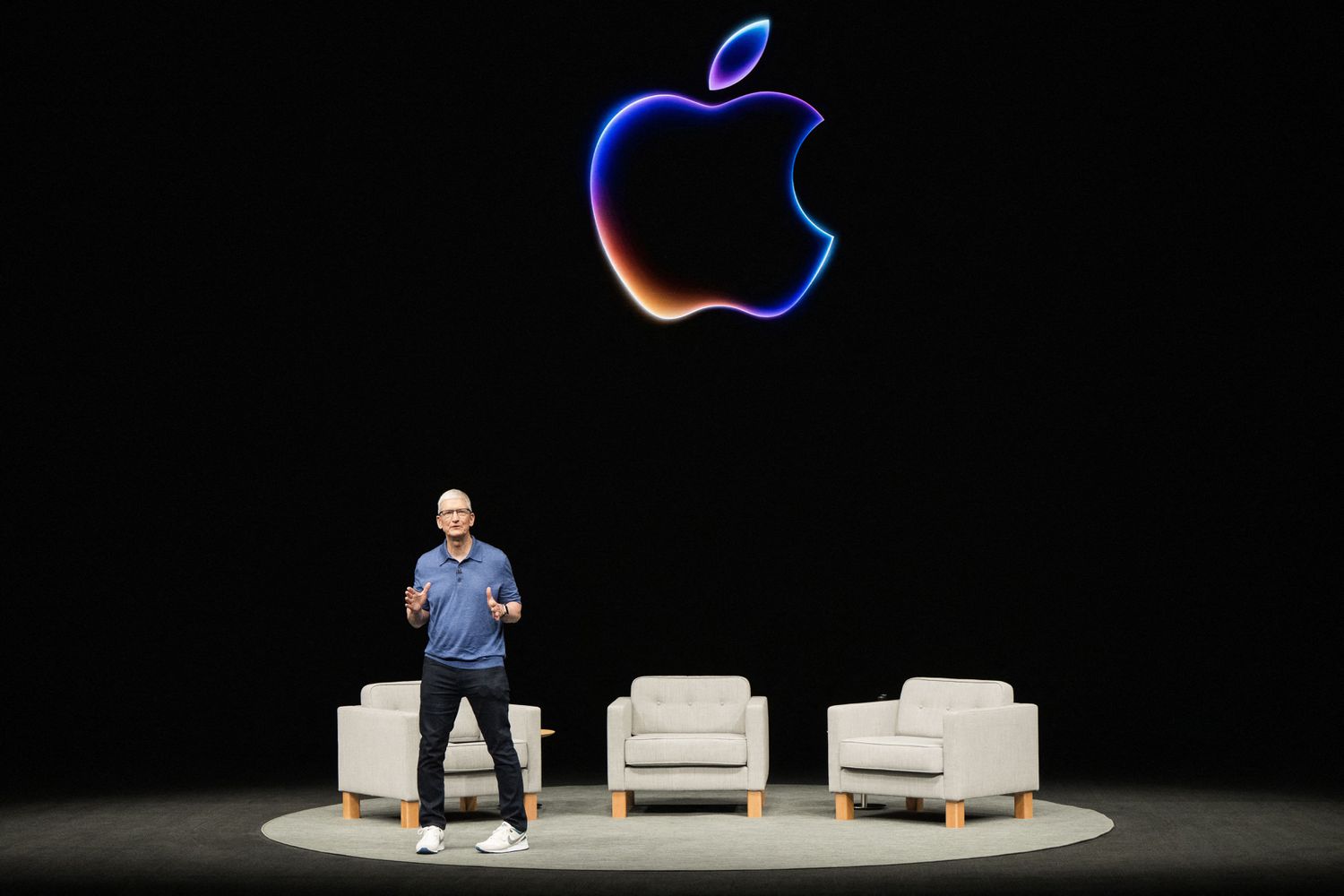
Apple Plans to Launch Second-Generation iPhone Air in Spring 2027

- New Model Development: Apple is preparing to launch the second-generation iPhone Air in spring 2027, aiming to enhance the appeal of the slimmer device, with current prototypes, codenamed V62, adding a second rear camera for ultrawide-angle photography, showcasing Apple's ongoing innovation in camera capabilities.
- Battery Life Improvement: While the new model retains its current look, Apple is working to improve battery life, although it remains unclear whether this will be achieved through a larger battery, which could significantly impact user experience and enhance market competitiveness.
- Processor Upgrade: The updated iPhone Air will be powered by the A20 Pro processor, the same chip set to be used in this fall's iPhones, indicating Apple's consistency in technology and product line integration, which is expected to enhance device performance.
- Product Release Cycle: The launch of the second-generation iPhone Air, approximately a year and a half after the first model debuted in September 2025, reflects Apple's keen responsiveness to market demand, although the product timeline and specifications may ultimately change.
See More

US Stocks Plunge as Tech Sector Weighs Down Market

- Market Weakness: On Wednesday, the S&P 500 Index fell by 1.21%, the Dow Jones Industrial Average dropped by 0.98%, and the Nasdaq 100 Index declined by 0.99%, reflecting market concerns over potential interest rate hikes by the Fed, particularly amid weak performance in technology stocks.
- Economic Data Support: Despite the market downturn, US May retail sales rose by 0.9% month-over-month, surpassing expectations of 0.6%, indicating resilient consumer demand, while pending home sales increased by 3.8% month-over-month, marking the largest gain in 20 months, potentially providing some support to the market.
- Fed Policy Outlook: The Fed maintained interest rates at its meeting on Wednesday but indicated through its dot plot that at least one more 25 basis point hike is expected this year, with the 2026 year-end federal funds rate projection raised to 3.75%, reflecting a cautious outlook on future economic conditions.
- International Market Response: While US stocks declined, overseas markets performed strongly, with the Euro Stoxx 50 reaching a new record high and closing up 0.68%, demonstrating global investor confidence in economic recovery, which may contrast with the US market's performance.
See More

Apple Price Hike and New Highs for Major Banks

- Apple Price Increase: Apple plans to raise product prices due to rising memory chip costs, and while its stock has risen 16% over the past three months, it is currently down 7% from earlier this month, which may impact consumer demand and market share.
- Moderna Vaccine Progress: Moderna is making its case for the mRNA flu vaccine before the FDA committee, with shares up 11.6% on Wednesday and nearly 24% over three days, indicating strong market confidence in its product.
- New Highs for Major Banks: Bank of America, Citigroup, Goldman Sachs, JPMorgan, and Morgan Stanley reached new highs on Wednesday, with Bank of America up 9.5% in June, reflecting investor optimism in the financial sector.
- Oil Price Decline: Brent crude oil fell below its 200-day moving average for the first time since February, down over 27% in the past month, which puts pressure on energy stocks and may affect the earnings outlook for related companies.
See More
Apple to Raise Prices on Some Products Amid Rising Costs
- Inevitable Price Increases: Apple CEO Tim Cook stated in an interview with The Wall Street Journal that some product prices will rise due to increasing costs of memory and storage chips, although he did not specify which products would be affected, potentially impacting consumer purchasing decisions.
- Upcoming Product Launches: Apple is expected to launch the iPhone 18 lineup in September, which may include a new foldable iPhone; however, price hikes could affect Macs and iPads sooner, further straining consumers' budgets.
- Escalating Cost Pressures: The surging demand for memory and storage chips from AI companies has sharply increased costs, and Cook noted that despite efforts to shield customers from these increases, the situation has become unsustainable, potentially forcing Apple to raise device prices significantly to maintain profit margins.
- Estimated iPhone Pro Price Increase: According to estimates from research firm TechInsights, the cost of the next iPhone Pro could rise by about $270, which will directly affect consumer purchasing willingness and market competitiveness.
See More

Apple Faces Pressure from Rising Storage Chip Costs

- Inevitable Price Increases: CEO Tim Cook indicated that due to soaring memory and storage chip costs, Apple plans to raise prices on consumer products, potentially adding around $270 to the retail price of the upcoming iPhone Pro models, which could impact consumer purchasing decisions.
- AI Infrastructure Expansion Impact: The aggressive capital spending by major tech firms on AI servers has dramatically increased demand for memory and storage chips, creating dual pressures of supply constraints and rising prices for consumer electronics companies like Apple, affecting their profit margins.
- Market Supply-Demand Imbalance: Cook emphasized that memory manufacturers are prioritizing high-margin AI server components, leading to a decline in production capacity for consumer electronics, resulting in higher prices for consumers during peak demand periods, further destabilizing the market.
- Stock Market Reaction: Apple shares fell about 1.1% on Wednesday but rose 0.5% in after-hours trading, reflecting cautious optimism in the market regarding the company's future pricing strategy, despite overall retail sentiment on Stocktwits showing a bearish trend.
See More
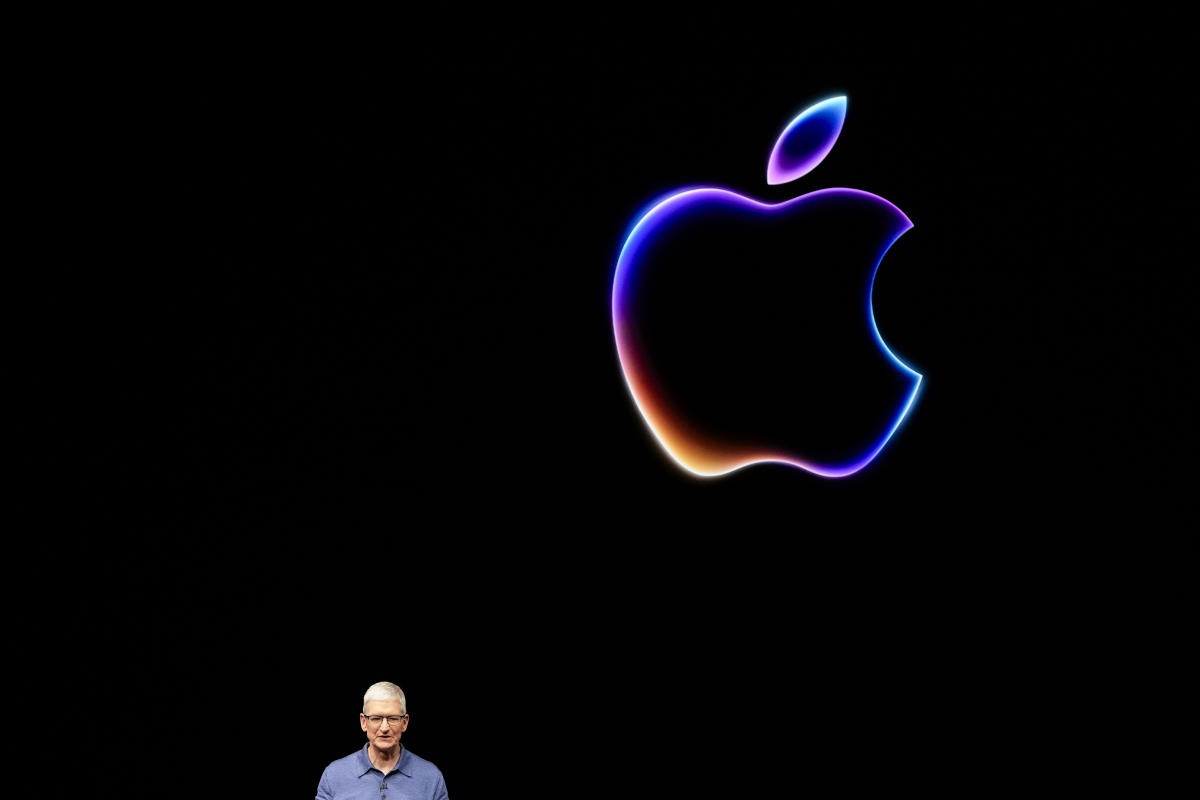
Apple Plans Price Hikes to Address Rising Chip Costs

- Inevitable Price Increases: CEO Tim Cook stated in an interview with The Wall Street Journal that due to rising costs of memory and storage chips, price hikes for Apple products are unavoidable, highlighting significant pressure on the company's cost structure.
- Initial Products Affected: Macs and iPads are expected to be the first products to see price increases, consistent with Apple's earlier decision to raise the starting price of the Mac Mini in May, indicating a proactive pricing strategy in response to cost challenges.
- Industry-Wide Trend: Microsoft's newly launched Surface Pro and Surface Laptop start at $1,499 and $1,599 respectively, reflecting a roughly 50% increase over previous models, showcasing a structural shift across the PC industry driven by AI-related memory shortages.
- Future Outlook: Apple's upcoming fiscal Q3 2026 earnings call is scheduled for July 30, where analysts will have the opportunity to question management about the impact of elevated memory costs on margins and seek a clearer timeline for the anticipated product price increases, which could significantly influence investor confidence.
See More
Apple Plans to Launch Second-Generation iPhone Air in Spring 2027
- New Model Development: Apple is preparing to launch the second-generation iPhone Air in spring 2027, aiming to enhance the appeal of the slimmer device, with current prototypes, codenamed V62, adding a second rear camera for ultrawide-angle photography, showcasing Apple's ongoing innovation in camera capabilities.
- Battery Life Improvement: While the new model retains its current look, Apple is working to improve battery life, although it remains unclear whether this will be achieved through a larger battery, which could significantly impact user experience and enhance market competitiveness.
- Processor Upgrade: The updated iPhone Air will be powered by the A20 Pro processor, the same chip set to be used in this fall's iPhones, indicating Apple's consistency in technology and product line integration, which is expected to enhance device performance.
- Product Release Cycle: The launch of the second-generation iPhone Air, approximately a year and a half after the first model debuted in September 2025, reflects Apple's keen responsiveness to market demand, although the product timeline and specifications may ultimately change.
See More
US Stocks Plunge as Tech Sector Weighs Down Market
- Market Weakness: On Wednesday, the S&P 500 Index fell by 1.21%, the Dow Jones Industrial Average dropped by 0.98%, and the Nasdaq 100 Index declined by 0.99%, reflecting market concerns over potential interest rate hikes by the Fed, particularly amid weak performance in technology stocks.
- Economic Data Support: Despite the market downturn, US May retail sales rose by 0.9% month-over-month, surpassing expectations of 0.6%, indicating resilient consumer demand, while pending home sales increased by 3.8% month-over-month, marking the largest gain in 20 months, potentially providing some support to the market.
- Fed Policy Outlook: The Fed maintained interest rates at its meeting on Wednesday but indicated through its dot plot that at least one more 25 basis point hike is expected this year, with the 2026 year-end federal funds rate projection raised to 3.75%, reflecting a cautious outlook on future economic conditions.
- International Market Response: While US stocks declined, overseas markets performed strongly, with the Euro Stoxx 50 reaching a new record high and closing up 0.68%, demonstrating global investor confidence in economic recovery, which may contrast with the US market's performance.
See More
Apple Price Hike and New Highs for Major Banks
- Apple Price Increase: Apple plans to raise product prices due to rising memory chip costs, and while its stock has risen 16% over the past three months, it is currently down 7% from earlier this month, which may impact consumer demand and market share.
- Moderna Vaccine Progress: Moderna is making its case for the mRNA flu vaccine before the FDA committee, with shares up 11.6% on Wednesday and nearly 24% over three days, indicating strong market confidence in its product.
- New Highs for Major Banks: Bank of America, Citigroup, Goldman Sachs, JPMorgan, and Morgan Stanley reached new highs on Wednesday, with Bank of America up 9.5% in June, reflecting investor optimism in the financial sector.
- Oil Price Decline: Brent crude oil fell below its 200-day moving average for the first time since February, down over 27% in the past month, which puts pressure on energy stocks and may affect the earnings outlook for related companies.
See More
Apple to Raise Prices on Some Products Amid Rising Costs
- Inevitable Price Increases: Apple CEO Tim Cook stated in an interview with The Wall Street Journal that some product prices will rise due to increasing costs of memory and storage chips, although he did not specify which products would be affected, potentially impacting consumer purchasing decisions.
- Upcoming Product Launches: Apple is expected to launch the iPhone 18 lineup in September, which may include a new foldable iPhone; however, price hikes could affect Macs and iPads sooner, further straining consumers' budgets.
- Escalating Cost Pressures: The surging demand for memory and storage chips from AI companies has sharply increased costs, and Cook noted that despite efforts to shield customers from these increases, the situation has become unsustainable, potentially forcing Apple to raise device prices significantly to maintain profit margins.
- Estimated iPhone Pro Price Increase: According to estimates from research firm TechInsights, the cost of the next iPhone Pro could rise by about $270, which will directly affect consumer purchasing willingness and market competitiveness.
See More
Apple Faces Pressure from Rising Storage Chip Costs
- Inevitable Price Increases: CEO Tim Cook indicated that due to soaring memory and storage chip costs, Apple plans to raise prices on consumer products, potentially adding around $270 to the retail price of the upcoming iPhone Pro models, which could impact consumer purchasing decisions.
- AI Infrastructure Expansion Impact: The aggressive capital spending by major tech firms on AI servers has dramatically increased demand for memory and storage chips, creating dual pressures of supply constraints and rising prices for consumer electronics companies like Apple, affecting their profit margins.
- Market Supply-Demand Imbalance: Cook emphasized that memory manufacturers are prioritizing high-margin AI server components, leading to a decline in production capacity for consumer electronics, resulting in higher prices for consumers during peak demand periods, further destabilizing the market.
- Stock Market Reaction: Apple shares fell about 1.1% on Wednesday but rose 0.5% in after-hours trading, reflecting cautious optimism in the market regarding the company's future pricing strategy, despite overall retail sentiment on Stocktwits showing a bearish trend.
See More
Apple Plans Price Hikes to Address Rising Chip Costs
- Inevitable Price Increases: CEO Tim Cook stated in an interview with The Wall Street Journal that due to rising costs of memory and storage chips, price hikes for Apple products are unavoidable, highlighting significant pressure on the company's cost structure.
- Initial Products Affected: Macs and iPads are expected to be the first products to see price increases, consistent with Apple's earlier decision to raise the starting price of the Mac Mini in May, indicating a proactive pricing strategy in response to cost challenges.
- Industry-Wide Trend: Microsoft's newly launched Surface Pro and Surface Laptop start at $1,499 and $1,599 respectively, reflecting a roughly 50% increase over previous models, showcasing a structural shift across the PC industry driven by AI-related memory shortages.
- Future Outlook: Apple's upcoming fiscal Q3 2026 earnings call is scheduled for July 30, where analysts will have the opportunity to question management about the impact of elevated memory costs on margins and seek a clearer timeline for the anticipated product price increases, which could significantly influence investor confidence.
See More





