Gap, Amazon, and Others Launch Get Blue™ Initiative to Aid 2.1 Billion in Access to Safe Water
Written by Emily J. Thompson, Senior Investment Analyst
Updated: Jan 19 2026
0mins


Should l Buy AMZN?
Source: PRnewswire
- Global Water Crisis Initiative: Gap Inc., Amazon, Starbucks, and Ecolab have launched the Get Blue™ initiative aimed at helping 2.1 billion people access safe water through market-driven solutions, showcasing corporate leadership in addressing the global water crisis.
- Funding Commitment: The initiative will mobilize scalable capital through corporate brands and partnerships, with a portion of proceeds directly supporting Water.org's projects, which is expected to significantly enhance families' financing capabilities for water and sanitation facilities.
- Sustainability Goals: Water.org has already helped 85 million people gain access to safe water, with an ambitious goal of reaching 200 million by 2030; the Get Blue initiative will further expand its impact and drive corporate investment in water resource management and community education.
- Cross-Sector Collaboration: The Get Blue initiative is set to launch to consumers and commercial customers in 2026, with Gap, Amazon, Starbucks, and Ecolab developing various activations that highlight the importance of cross-industry collaboration in solving the water crisis.
Trade with 70% Backtested Accuracy
Stop guessing "Should I Buy AMZN?" and start using high-conviction signals backed by rigorous historical data.
Sign up today to access powerful investing tools and make smarter, data-driven decisions.
Analyst Views on AMZN
Wall Street analysts forecast AMZN stock price to rise
44 Analyst Rating
41 Buy
3 Hold
0 Sell
Strong Buy
Current: 233.650

Low
175.00
Averages
280.01
High
325.00
Current: 233.650
Low
175.00
Averages
280.01
High
325.00
About AMZN
Amazon.com, Inc. provides a range of products and services to customers. The products offered through its stores include merchandise and content it has purchased for resale and products offered by third-party sellers. The Company’s segments include North America, International and Amazon Web Services (AWS). It serves consumers through its online and physical stores and focuses on selection, price, and convenience. Customers access its offerings through its websites, mobile apps, Alexa, devices, streaming, and physically visiting its stores. It also manufactures and sells electronic devices, including Kindle, Fire tablet, Fire TV, Echo, Ring, Blink, and eero, and develops and produces media content. It serves developers and enterprises of all sizes, including start-ups, government agencies, and academic institutions, through AWS, which offers a set of on-demand technology services, including compute, storage, database, analytics, and machine learning, and other services.
About the author

Emily J. Thompson
Emily J. Thompson, a Chartered Financial Analyst (CFA) with 12 years in investment research, graduated with honors from the Wharton School. Specializing in industrial and technology stocks, she provides in-depth analysis for Intellectia’s earnings and market brief reports.
Amazon's AI and Chip Business Revenue Surge

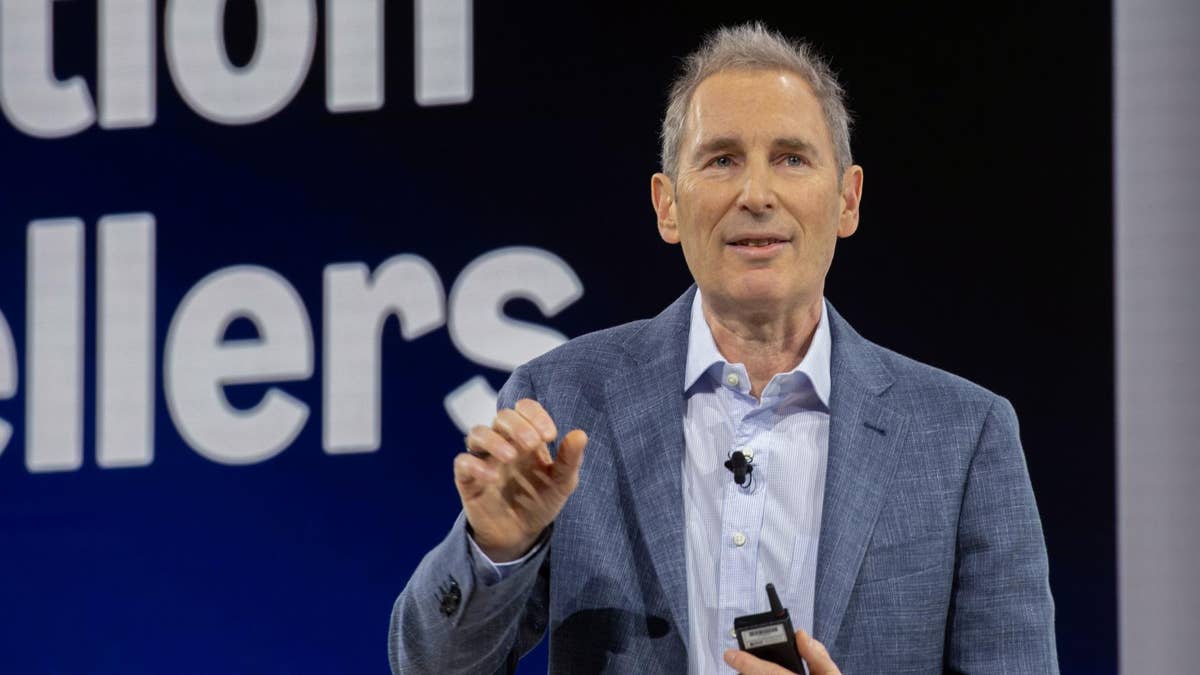
- AWS AI Revenue Milestone: Amazon disclosed for the first time that AWS's AI revenue run rate exceeds $15 billion, representing about 10% of AWS's total annualized revenue of approximately $142 billion, marking a significant growth milestone that boosts investor confidence.
- Chip Business Growth: Amazon's chip business, including Graviton and Trainium, has an annual revenue run rate above $20 billion, growing at triple-digit rates year-over-year, with Trainium chips experiencing high demand and significant reservations, solidifying AWS's competitive position.
- Massive Capital Expenditure Plan: Amazon plans to invest approximately $200 billion in capital expenditures in 2026, primarily for AI, chips, and infrastructure, with Jassy emphasizing that these investments are based on substantial customer commitments expected to monetize in 2027 and 2028.
- Improved Market Sentiment: Analysts have become more constructive on Amazon, reiterating a buy rating and a $300 price target, noting that Trainium and Graviton chips provide AWS with a structural advantage, indicating that while the company is in a heavy spending cycle, the benefits are starting to materialize.
See More

Anthropic's Annual Revenue Soars to $30 Billion

- Significant Revenue Surge: Anthropic's annual revenue skyrocketed from $9 billion to $30 billion, showcasing its robust growth in the AI sector, with projections suggesting it could reach $80 billion to $100 billion by year-end, reflecting strong market demand for its products.
- Customer Base Expansion: The company now boasts over 1,000 customers paying more than $1 million annually, which not only validates the market appeal of its offerings but also lays a solid foundation for future revenue growth.
- Accelerated IPO Preparations: Anthropic is actively preparing for an initial public offering this year, which is expected to rank among the largest IPOs in history, attracting retail investors through various funds, indicating high market expectations for its future development.
- Technological Innovations Draw Attention: The newly launched AI tools, particularly Claude CoWork and Mythos, have garnered significant attention, with Mythos raising cybersecurity concerns at the Pentagon, highlighting the cutting-edge nature of its technology and potential risks, further enhancing the company's importance in the industry.
See More

Roundhill Magnificent Seven ETF Delivers Impressive Returns


- Annual Returns: The Roundhill Magnificent Seven ETF has achieved an impressive average annual return of 34.27% over the past three years, highlighting its strong performance in tech stock investments and attracting significant investor interest.
- Investment Potential: By investing $500 monthly in MAGS, investors could potentially reach $1 million in 14 years, making this ETF an attractive option for those seeking long-term wealth growth.
- Fee Structure: With an expense ratio of 0.29%, while relatively low, investors must weigh the value of paying management fees for just seven stocks, especially in a volatile market environment.
- Market Performance: Despite its past success, MAGS has declined by 9.4% year-to-date and has underperformed compared to the S&P 500 and Nasdaq-100 indices, serving as a cautionary note for investors to carefully assess future investment risks.
See More

Potential of Investing in the Magnificent Seven ETF
- Annual Return Rate: Since its launch on April 11, 2023, the Roundhill Magnificent Seven ETF (MAGS) has achieved an impressive annual return rate of 34.27%, indicating strong performance among tech stocks, although future performance may not meet expectations.
- Portfolio Structure: MAGS holds only seven major tech stocks, including Amazon (15.8%), Alphabet (15.1%), and Tesla (12.6%), and is rebalanced quarterly to avoid over-concentration in any single stock, thereby reducing investment risk.
- Wealth Growth Potential: Assuming a monthly investment of $500 with a sustained annual return of 34.27%, one could accumulate $58,899 after five years, $315,939 after ten years, and potentially exceed $1 million after fourteen years, highlighting the appeal of long-term investing.
- Market Risk Warning: Despite MAGS's strong past performance, it has declined 9.4% year-to-date and faces risks from the overall weakness in tech stocks, prompting investors to carefully assess the potential risks of concentrated investments and the reasonableness of management fees.
See More

Amazon's Diversification Risks and Investment Insights

- Investment Diversification Risks: While Amazon dominates e-commerce and cloud computing, investors should avoid concentrating all assets in its stock due to potential financial risks akin to Enron, which could lead to significant losses.
- Competitive Disadvantages: Amazon's investments in robotics, satellites, and AI chips, although promising, place it at a disadvantage compared to companies like Tesla that focus on hardware, potentially impacting future growth.
- Lack of Financial Transparency: With a market cap of $2.5 trillion, Amazon's financial reporting is often vague, leaving investors unclear about its R&D spending on robotics and AI, which increases investment uncertainty.
- Competition from Industry Leaders: Although Amazon's investments in robotics and satellite technology may drive growth, the lack of direct cost and benefit transparency suggests that investors should consider market leaders in these fields rather than relying solely on Amazon's diversification strategy.
See More

Analysis of Investment Risks in Amazon
- Investment Risk Warning: Despite Amazon's dominance in e-commerce and cloud computing, investors should avoid concentrating all assets in its stock, as historical collapses like Enron highlight the importance of diversification.
- Technological Competitive Disadvantage: Amazon faces competitive disadvantages in robotics, satellites, and AI chips, particularly against companies like Tesla and SpaceX that specialize in hardware and satellite technology, which may impact its long-term growth potential.
- Lack of Financial Transparency: With a market cap of $2.5 trillion, Amazon's financial reporting tends to be vague, making it difficult for investors to understand specific expenditures on robotics, satellites, and AI chip development and their impact on overall financials.
- Industry Focus Recommendation: Investors interested in robotics, satellite development, or AI chips should consider market leaders in those sectors rather than Amazon, as the latter's investments in these areas do not directly reflect in its financial performance.
See More
Amazon's AI and Chip Business Revenue Surge
- AWS AI Revenue Milestone: Amazon disclosed for the first time that AWS's AI revenue run rate exceeds $15 billion, representing about 10% of AWS's total annualized revenue of approximately $142 billion, marking a significant growth milestone that boosts investor confidence.
- Chip Business Growth: Amazon's chip business, including Graviton and Trainium, has an annual revenue run rate above $20 billion, growing at triple-digit rates year-over-year, with Trainium chips experiencing high demand and significant reservations, solidifying AWS's competitive position.
- Massive Capital Expenditure Plan: Amazon plans to invest approximately $200 billion in capital expenditures in 2026, primarily for AI, chips, and infrastructure, with Jassy emphasizing that these investments are based on substantial customer commitments expected to monetize in 2027 and 2028.
- Improved Market Sentiment: Analysts have become more constructive on Amazon, reiterating a buy rating and a $300 price target, noting that Trainium and Graviton chips provide AWS with a structural advantage, indicating that while the company is in a heavy spending cycle, the benefits are starting to materialize.
See More
Anthropic's Annual Revenue Soars to $30 Billion
- Significant Revenue Surge: Anthropic's annual revenue skyrocketed from $9 billion to $30 billion, showcasing its robust growth in the AI sector, with projections suggesting it could reach $80 billion to $100 billion by year-end, reflecting strong market demand for its products.
- Customer Base Expansion: The company now boasts over 1,000 customers paying more than $1 million annually, which not only validates the market appeal of its offerings but also lays a solid foundation for future revenue growth.
- Accelerated IPO Preparations: Anthropic is actively preparing for an initial public offering this year, which is expected to rank among the largest IPOs in history, attracting retail investors through various funds, indicating high market expectations for its future development.
- Technological Innovations Draw Attention: The newly launched AI tools, particularly Claude CoWork and Mythos, have garnered significant attention, with Mythos raising cybersecurity concerns at the Pentagon, highlighting the cutting-edge nature of its technology and potential risks, further enhancing the company's importance in the industry.
See More
Roundhill Magnificent Seven ETF Delivers Impressive Returns
- Annual Returns: The Roundhill Magnificent Seven ETF has achieved an impressive average annual return of 34.27% over the past three years, highlighting its strong performance in tech stock investments and attracting significant investor interest.
- Investment Potential: By investing $500 monthly in MAGS, investors could potentially reach $1 million in 14 years, making this ETF an attractive option for those seeking long-term wealth growth.
- Fee Structure: With an expense ratio of 0.29%, while relatively low, investors must weigh the value of paying management fees for just seven stocks, especially in a volatile market environment.
- Market Performance: Despite its past success, MAGS has declined by 9.4% year-to-date and has underperformed compared to the S&P 500 and Nasdaq-100 indices, serving as a cautionary note for investors to carefully assess future investment risks.
See More
Potential of Investing in the Magnificent Seven ETF
- Annual Return Rate: Since its launch on April 11, 2023, the Roundhill Magnificent Seven ETF (MAGS) has achieved an impressive annual return rate of 34.27%, indicating strong performance among tech stocks, although future performance may not meet expectations.
- Portfolio Structure: MAGS holds only seven major tech stocks, including Amazon (15.8%), Alphabet (15.1%), and Tesla (12.6%), and is rebalanced quarterly to avoid over-concentration in any single stock, thereby reducing investment risk.
- Wealth Growth Potential: Assuming a monthly investment of $500 with a sustained annual return of 34.27%, one could accumulate $58,899 after five years, $315,939 after ten years, and potentially exceed $1 million after fourteen years, highlighting the appeal of long-term investing.
- Market Risk Warning: Despite MAGS's strong past performance, it has declined 9.4% year-to-date and faces risks from the overall weakness in tech stocks, prompting investors to carefully assess the potential risks of concentrated investments and the reasonableness of management fees.
See More
Amazon's Diversification Risks and Investment Insights
- Investment Diversification Risks: While Amazon dominates e-commerce and cloud computing, investors should avoid concentrating all assets in its stock due to potential financial risks akin to Enron, which could lead to significant losses.
- Competitive Disadvantages: Amazon's investments in robotics, satellites, and AI chips, although promising, place it at a disadvantage compared to companies like Tesla that focus on hardware, potentially impacting future growth.
- Lack of Financial Transparency: With a market cap of $2.5 trillion, Amazon's financial reporting is often vague, leaving investors unclear about its R&D spending on robotics and AI, which increases investment uncertainty.
- Competition from Industry Leaders: Although Amazon's investments in robotics and satellite technology may drive growth, the lack of direct cost and benefit transparency suggests that investors should consider market leaders in these fields rather than relying solely on Amazon's diversification strategy.
See More
Analysis of Investment Risks in Amazon
- Investment Risk Warning: Despite Amazon's dominance in e-commerce and cloud computing, investors should avoid concentrating all assets in its stock, as historical collapses like Enron highlight the importance of diversification.
- Technological Competitive Disadvantage: Amazon faces competitive disadvantages in robotics, satellites, and AI chips, particularly against companies like Tesla and SpaceX that specialize in hardware and satellite technology, which may impact its long-term growth potential.
- Lack of Financial Transparency: With a market cap of $2.5 trillion, Amazon's financial reporting tends to be vague, making it difficult for investors to understand specific expenditures on robotics, satellites, and AI chip development and their impact on overall financials.
- Industry Focus Recommendation: Investors interested in robotics, satellite development, or AI chips should consider market leaders in those sectors rather than Amazon, as the latter's investments in these areas do not directly reflect in its financial performance.
See More