Form 144: Gap Inc. (GAP.US) 10% Stakeholder Plans to Sell 7.62 Million Shares of Common Stock
- Stock Sale Announcement: John J. Fisher intends to sell 300,000 shares of Gap Inc.'s common stock on April 8.
- Market Value: The total market value of the shares being sold is approximately $7.62 million.
Trade with 70% Backtested Accuracy
Analyst Views on GAP

About GAP
About the author


US Stocks Surge Amid AI Company Blacklisting Controversy


- Strong Market Performance: The Dow Jones Industrial Average surged over 1,300 points yesterday, marking its best day of the year, despite Iran's accusations against the U.S. for breaching the ceasefire agreement, reflecting market optimism about economic recovery.
- AI Company Blacklisting Controversy: Anthropic's attempt to temporarily block its blacklisting by the Department of Defense was denied by a federal appeals court, indicating increasing government scrutiny over AI technologies, which may impact market confidence in related firms.
- Fed Rate Cut Expectations: Minutes from the Federal Reserve's meeting revealed that officials still expect to cut interest rates this year despite uncertainties, with market-implied odds of a cut rising to 43%, potentially stimulating investor risk appetite.
- Meta AI Model Launch: Meta debuted its first major AI model, Muse Spark, signaling a strategic shift in its approach to the AI market, and despite facing fierce competition, this new product could open up new revenue streams for the company.

GLP-1 Drugs Drive Growth in U.S. Apparel Spending


- Surge in Apparel Demand: Approximately 80% of GLP-1 users anticipate needing new clothing due to size changes, with a Circana survey revealing that 55% of active users have already purchased new items, indicating a fresh wave of consumer spending in the apparel market.
- Significant Market Potential: Bernstein estimates that GLP-1 users could purchase between 150 million and 700 million apparel items due to weight loss, translating to an additional $13 billion in annual spending in the U.S. apparel sector, highlighting robust market demand.
- Brands Adapting to Change: Retailers like Stitch Fix have launched targeted marketing campaigns for weight loss users, with client mentions of weight loss requests tripling over the past two years, demonstrating brands' proactive adaptation to this emerging trend.
- Shift in Consumer Behavior: An increasing number of consumers are opting for more affordable clothing during their weight loss journey, with Destination XL's CEO noting that about 25% of their customers are using GLP-1 drugs, leading to a preference for cost-effective options.

Form 144: Gap Inc. (GAP.US) 10% Stakeholder Plans to Sell 7.62 Million Shares of Common Stock

- Stock Sale Announcement: John J. Fisher intends to sell 300,000 shares of Gap Inc.'s common stock on April 8.
- Market Value: The total market value of the shares being sold is approximately $7.62 million.

AI Virtual Try-On Technology Boosts Retail


- Return Rate Challenge: The National Retail Federation estimates that by 2025, 15.8% of retail sales will be returned, with online sales seeing a staggering 19.3% return rate, significantly impacting retailers' profitability and driving them to seek AI solutions to mitigate returns.
- Virtual Try-On Technology: AI startup Catches has launched a virtual try-on platform that allows users to create a 'digital twin' for clothing trials, utilizing physics to simulate fabric texture, which is expected to significantly enhance online sales conversion rates for luxury brands and drive profit growth.
- Market Response: Retailers like Zara and ASOS have begun implementing virtual try-on tools and return fee policies, with Zara successfully protecting its gross margin through these measures, while ASOS reported a 160 basis point reduction in return rates, showcasing the potential of AI technology in improving profitability.
- Industry Outlook: As AI technology continues to advance, it is expected to drive transformation across the retail sector, with Catches projecting a 10% increase in conversion rates and a 20 to 30 times return on investment for brand partners, indicating the growing significance of AI in retail.
Impact of Trump's Tariffs One Year Later


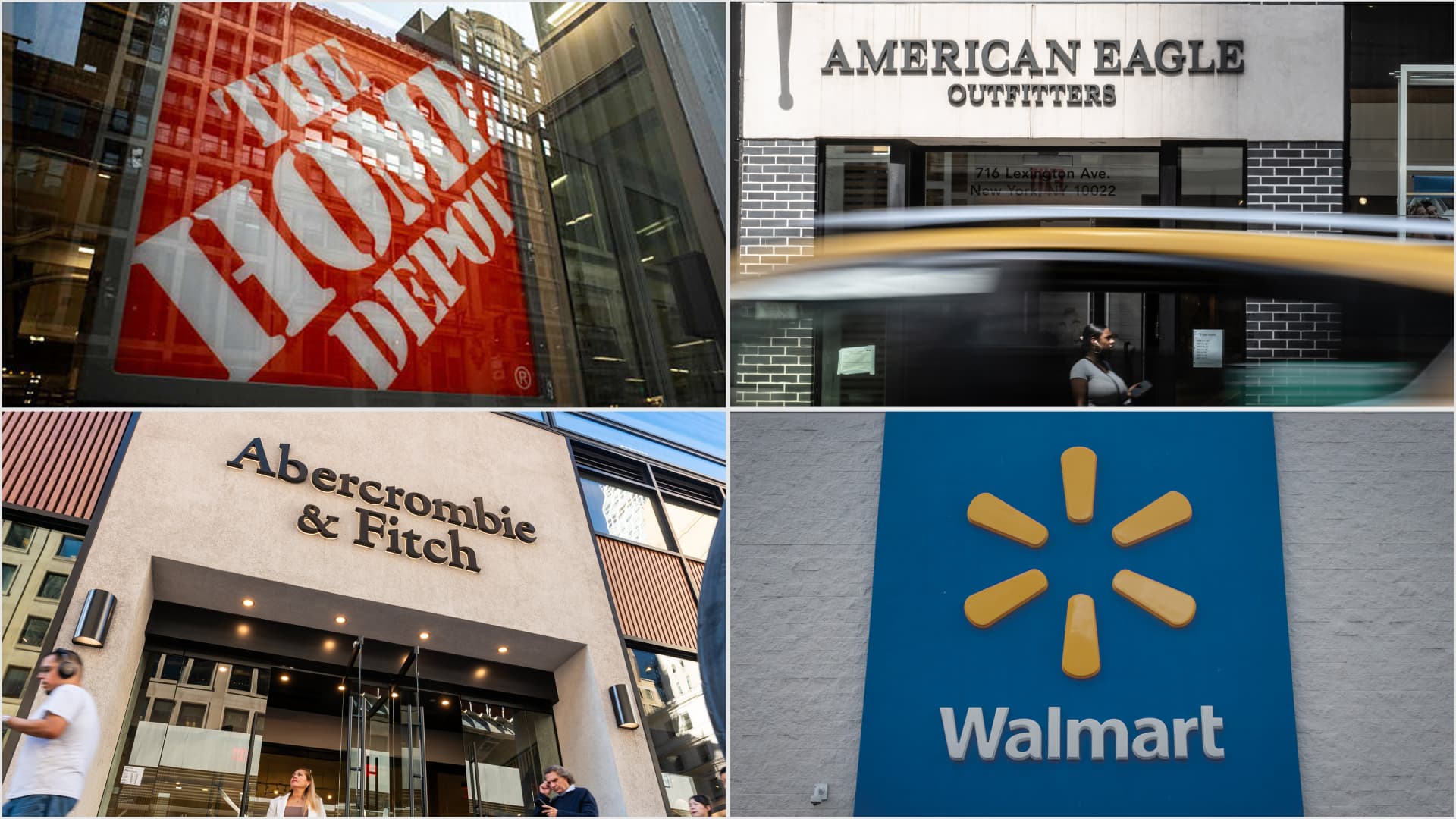
- Widespread Tariff Impact: Trump's tariff policies have placed significant economic pressure on U.S. businesses over the past year, with approximately 80% to 85% of costs absorbed by companies, leading to reduced profits and increased consumer prices, thereby exacerbating overall economic uncertainty.
- Retail Sector Adaptation: While large retailers like Walmart have emerged relatively unscathed, smaller businesses have been severely impacted, with Home Depot aiming to limit purchases from any single country to 10% to reduce dependency and enhance supply chain flexibility.
- Automotive Industry Cost Surge: Automakers such as General Motors and Toyota are facing tariff impacts estimated at up to $9.5 billion, and although the Trump administration has taken steps to alleviate overlapping tariffs, overall costs remain significant, forcing companies to reassess their supply chain strategies.
- Pharmaceutical Sector Stability: Pharmaceutical companies have secured three-year tariff exemptions through pricing agreements with Trump, although new tariffs impose 100% on companies that do not reach agreements, the overall industry is still striving to increase investments in U.S. manufacturing.

MarketBeat Weekly Recap – March 23 to March 27


Market Trends: Following recent uncertainty, stocks have pulled back, with the Trump administration's pause in hostilities with Iran initially easing investor anxiety, but rising energy prices and inflation concerns are complicating the market outlook.
Investment Opportunities: Analysts are highlighting potential opportunities in various sectors, including energy stocks and companies like Advanced Micro Devices (AMD), which is expected to see growth due to strong institutional buying and planned product launches.
Stock Performance: Companies like Rivian Automotive and Tesla are under scrutiny, with Rivian showing quiet performance while Tesla faces regulatory challenges, impacting investor sentiment and stock prices.
Consumer Sector Insights: Retail stocks, particularly Gap and Macy's, are experiencing mixed reactions post-earnings reports, with some showing recovery while others face caution from investors regarding their future strategies.
US Stocks Surge Amid AI Company Blacklisting Controversy
- Strong Market Performance: The Dow Jones Industrial Average surged over 1,300 points yesterday, marking its best day of the year, despite Iran's accusations against the U.S. for breaching the ceasefire agreement, reflecting market optimism about economic recovery.
- AI Company Blacklisting Controversy: Anthropic's attempt to temporarily block its blacklisting by the Department of Defense was denied by a federal appeals court, indicating increasing government scrutiny over AI technologies, which may impact market confidence in related firms.
- Fed Rate Cut Expectations: Minutes from the Federal Reserve's meeting revealed that officials still expect to cut interest rates this year despite uncertainties, with market-implied odds of a cut rising to 43%, potentially stimulating investor risk appetite.
- Meta AI Model Launch: Meta debuted its first major AI model, Muse Spark, signaling a strategic shift in its approach to the AI market, and despite facing fierce competition, this new product could open up new revenue streams for the company.
GLP-1 Drugs Drive Growth in U.S. Apparel Spending
- Surge in Apparel Demand: Approximately 80% of GLP-1 users anticipate needing new clothing due to size changes, with a Circana survey revealing that 55% of active users have already purchased new items, indicating a fresh wave of consumer spending in the apparel market.
- Significant Market Potential: Bernstein estimates that GLP-1 users could purchase between 150 million and 700 million apparel items due to weight loss, translating to an additional $13 billion in annual spending in the U.S. apparel sector, highlighting robust market demand.
- Brands Adapting to Change: Retailers like Stitch Fix have launched targeted marketing campaigns for weight loss users, with client mentions of weight loss requests tripling over the past two years, demonstrating brands' proactive adaptation to this emerging trend.
- Shift in Consumer Behavior: An increasing number of consumers are opting for more affordable clothing during their weight loss journey, with Destination XL's CEO noting that about 25% of their customers are using GLP-1 drugs, leading to a preference for cost-effective options.
Form 144: Gap Inc. (GAP.US) 10% Stakeholder Plans to Sell 7.62 Million Shares of Common Stock
- Stock Sale Announcement: John J. Fisher intends to sell 300,000 shares of Gap Inc.'s common stock on April 8.
- Market Value: The total market value of the shares being sold is approximately $7.62 million.
AI Virtual Try-On Technology Boosts Retail
- Return Rate Challenge: The National Retail Federation estimates that by 2025, 15.8% of retail sales will be returned, with online sales seeing a staggering 19.3% return rate, significantly impacting retailers' profitability and driving them to seek AI solutions to mitigate returns.
- Virtual Try-On Technology: AI startup Catches has launched a virtual try-on platform that allows users to create a 'digital twin' for clothing trials, utilizing physics to simulate fabric texture, which is expected to significantly enhance online sales conversion rates for luxury brands and drive profit growth.
- Market Response: Retailers like Zara and ASOS have begun implementing virtual try-on tools and return fee policies, with Zara successfully protecting its gross margin through these measures, while ASOS reported a 160 basis point reduction in return rates, showcasing the potential of AI technology in improving profitability.
- Industry Outlook: As AI technology continues to advance, it is expected to drive transformation across the retail sector, with Catches projecting a 10% increase in conversion rates and a 20 to 30 times return on investment for brand partners, indicating the growing significance of AI in retail.
Impact of Trump's Tariffs One Year Later
- Widespread Tariff Impact: Trump's tariff policies have placed significant economic pressure on U.S. businesses over the past year, with approximately 80% to 85% of costs absorbed by companies, leading to reduced profits and increased consumer prices, thereby exacerbating overall economic uncertainty.
- Retail Sector Adaptation: While large retailers like Walmart have emerged relatively unscathed, smaller businesses have been severely impacted, with Home Depot aiming to limit purchases from any single country to 10% to reduce dependency and enhance supply chain flexibility.
- Automotive Industry Cost Surge: Automakers such as General Motors and Toyota are facing tariff impacts estimated at up to $9.5 billion, and although the Trump administration has taken steps to alleviate overlapping tariffs, overall costs remain significant, forcing companies to reassess their supply chain strategies.
- Pharmaceutical Sector Stability: Pharmaceutical companies have secured three-year tariff exemptions through pricing agreements with Trump, although new tariffs impose 100% on companies that do not reach agreements, the overall industry is still striving to increase investments in U.S. manufacturing.
MarketBeat Weekly Recap – March 23 to March 27
Market Trends: Following recent uncertainty, stocks have pulled back, with the Trump administration's pause in hostilities with Iran initially easing investor anxiety, but rising energy prices and inflation concerns are complicating the market outlook.
Investment Opportunities: Analysts are highlighting potential opportunities in various sectors, including energy stocks and companies like Advanced Micro Devices (AMD), which is expected to see growth due to strong institutional buying and planned product launches.
Stock Performance: Companies like Rivian Automotive and Tesla are under scrutiny, with Rivian showing quiet performance while Tesla faces regulatory challenges, impacting investor sentiment and stock prices.
Consumer Sector Insights: Retail stocks, particularly Gap and Macy's, are experiencing mixed reactions post-earnings reports, with some showing recovery while others face caution from investors regarding their future strategies.