Ford's EV Sales Plummet Amidst Competitive Pressure
Written by Emily J. Thompson, Senior Investment Analyst
Updated: 1 hour ago
0mins
Source: Fool
- Intensifying EV Market Competition: In Q1 2026, Ford sold only 6,860 EVs, a staggering 70% decline year-over-year, while Toyota's single model bZ sold over 10,000 units, marking a 79% increase, indicating a significant shift in market share.
- Market Share Dynamics: The U.S. EV market share stood at 5.8% in Q1 2026, unchanged from Q4 2025 and significantly lower than the 10.6% peak in Q3 2025, reflecting a weakening consumer demand for electric vehicles.
- Strategic Shift: Ford has announced a delay in high-end EV projects until 2028 and plans to launch a $30,000 mid-size electric pickup, demonstrating its commitment to pivot towards more competitive EV and hybrid models.
- Uncertain Industry Outlook: Despite facing fierce competition, Tesla still commands 54% of the market share, and Ford's ranking may drop further, making it challenging to regain lost market share in the short term.
Trade with 70% Backtested Accuracy
Stop guessing "Should I Buy F?" and start using high-conviction signals backed by rigorous historical data.
Sign up today to access powerful investing tools and make smarter, data-driven decisions.
Analyst Views on F
Wall Street analysts forecast F stock price to rise
14 Analyst Rating
3 Buy
10 Hold
1 Sell
Hold
Current: 12.440

Low
11.00
Averages
13.65
High
16.00
Current: 12.440
Low
11.00
Averages
13.65
High
16.00
About F
Ford Motor Company is an automobile company. The Company develops and delivers Ford trucks, sport utility vehicles, commercial vans and cars, and Lincoln luxury vehicles, along with connected services. The Company’s segments include Ford Blue, Ford Model e, Ford Pro, and Ford Credit. The Ford Blue segment primarily includes the sale of Ford and Lincoln internal combustion engine (ICE) and hybrid vehicles, service parts, accessories, and digital services for retail customers. The Ford Model e segment primarily includes the sale of its electric vehicles, service parts, accessories, and digital services for retail customers. The Ford Pro segment primarily includes the sale of Ford and Lincoln vehicles, service parts, accessories, and services for commercial, government, and rental customers. The Ford Credit segment consists of the Ford Credit business on a consolidated basis, which is primarily vehicle-related financing and leasing activities. Its vehicle brands are Ford and Lincoln.
About the author

Emily J. Thompson
Emily J. Thompson, a Chartered Financial Analyst (CFA) with 12 years in investment research, graduated with honors from the Wharton School. Specializing in industrial and technology stocks, she provides in-depth analysis for Intellectia’s earnings and market brief reports.

Ford's EV Sales Plummet Amidst Competitive Pressure


- Intensifying Market Competition: Without the $7,500 federal EV tax incentive, Ford faces fierce competition in the EV market, with expectations that its EV division will not break even until 2029, highlighting the urgency of its strategic adjustments in the electric vehicle sector.
- Poor Sales Performance: According to Cox Automotive, Ford sold 6,860 EVs in Q1 2026, representing a 70% decline year-over-year, while Toyota's bZ series sold over 10,000 units during the same period, achieving a 79% year-over-year growth, indicating significant challenges for Ford in maintaining market share.
- Product Strategy Shift: Ford plans to delay high-end EV projects and focus on more affordable EVs and hybrids, with its $30,000 mid-size electric pickup expected to launch next year, a strategy aimed at regaining market share, although it may continue to lag in sales rankings in the short term.
- Uncertain Industry Outlook: While Ford's EV sales rankings may drop further, the overall market is rapidly evolving, with Tesla capturing 54% of the market share, necessitating Ford to accelerate its transformation to meet changing consumer demands and competitive pressures.
See More
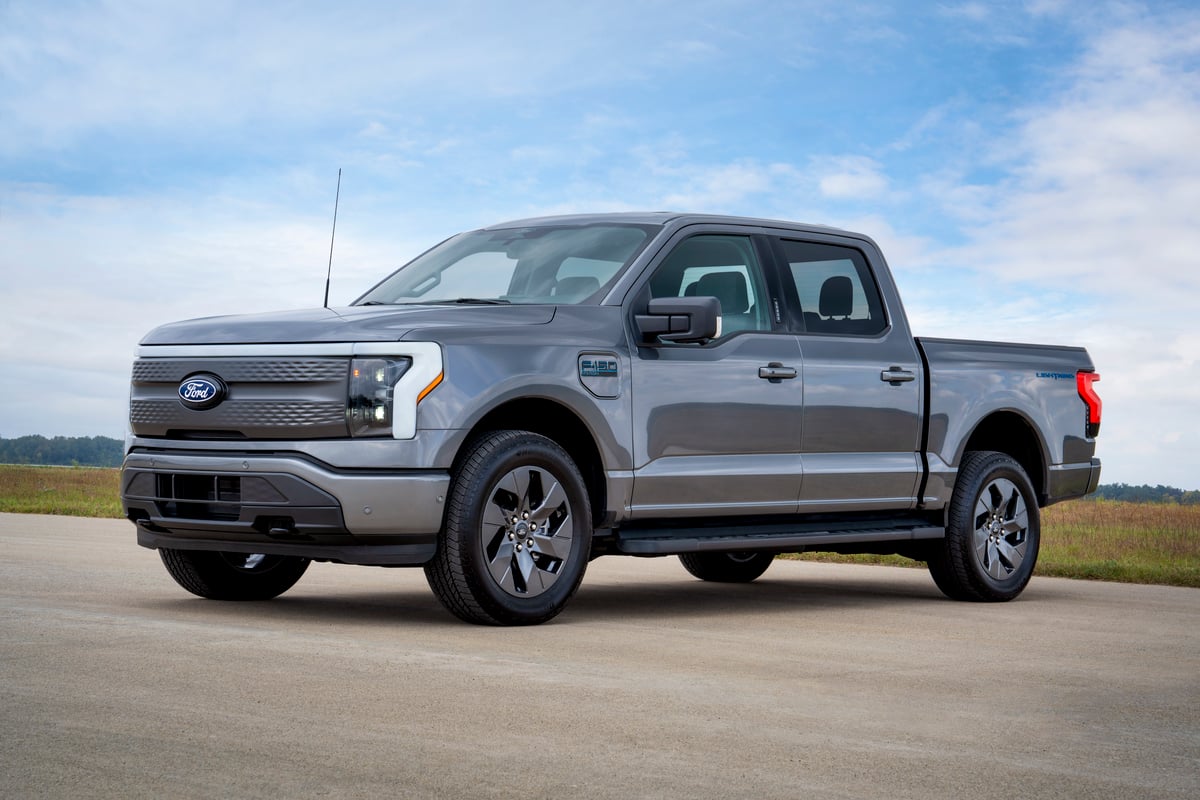
Ford's EV Sales Plummet Amidst Competitive Pressure
- Intensifying EV Market Competition: In Q1 2026, Ford sold only 6,860 EVs, a staggering 70% decline year-over-year, while Toyota's single model bZ sold over 10,000 units, marking a 79% increase, indicating a significant shift in market share.
- Market Share Dynamics: The U.S. EV market share stood at 5.8% in Q1 2026, unchanged from Q4 2025 and significantly lower than the 10.6% peak in Q3 2025, reflecting a weakening consumer demand for electric vehicles.
- Strategic Shift: Ford has announced a delay in high-end EV projects until 2028 and plans to launch a $30,000 mid-size electric pickup, demonstrating its commitment to pivot towards more competitive EV and hybrid models.
- Uncertain Industry Outlook: Despite facing fierce competition, Tesla still commands 54% of the market share, and Ford's ranking may drop further, making it challenging to regain lost market share in the short term.
See More

Analysis of Tesla's Robotaxi Prospects

- Market Share Advantage: Tesla holds over 54% market share in the U.S. electric vehicle sector, allowing it to solidify its position as competitors like Ford and Volkswagen scale back EV models, thereby laying a strong foundation for future robotaxi services.
- Funding and Technology Strength: Analysts expect Tesla to end 2026 with more than $28 billion in net cash, even after significantly ramping capital expenditures for battery development and robotaxi production, indicating robust financial and technological capabilities to support future expansion plans.
- Operational Cost Competitiveness: The anticipated cost of Tesla's Cybercab is under $30,000 with an operating cost of approximately $0.20 per mile, which is significantly lower than Waymo's cheapest models priced between $75,000 and $100,000, providing Tesla with a substantial competitive edge in attracting consumers.
- Slow Robotaxi Rollout: Despite Tesla's full self-driving software accumulating over 9.2 billion miles, the rollout of robotaxis has been sluggish, primarily limited to Austin and the San Francisco Bay Area, contributing to a 14.5% decline in stock this year, although the long-term potential remains significant.
See More

Tesla's Robotaxi Rollout Progress Remains Slow
- Stock Decline Reasons: Tesla's stock has fallen 14.5% this year primarily due to the slow rollout of its robotaxi service, which is currently limited to a small area in Austin, Texas, failing to meet CEO Elon Musk's ambitious rollout expectations.
- Market Potential Remains: Despite current challenges, Tesla's robotaxi service is expected to generate significant revenue once scaled, and investors remain optimistic about its long-term growth potential despite the sluggish rollout.
- Industry Leadership: Tesla commands over 54% market share in the U.S. electric vehicle market and has driven more than 9.2 billion miles on its full self-driving software, showcasing its advantages in market recognition and technological data, further solidifying its leadership position.
- Positive Financial Outlook: Analysts project Tesla will end 2026 with over $28 billion in net cash, even after ramping up capital expenditures for battery development and robotaxi production, indicating strong investment capacity and financial health moving forward.
See More

Strait of Hormuz Reopening Boosts Automotive Stocks

- Market Reaction: The complete reopening of the Strait of Hormuz has led to a drop in energy prices, resulting in a 3.5% increase in Ford's (NYSE:F) stock, which supports its ability to maintain margins during the transition to new technologies.
- Cost Reduction Impact: Lower energy costs reduce heavy industrial production and assembly plant operational expenses, aiding automakers in preserving profitability, particularly in their electric vehicle strategies.
- Logistics Improvement: The reopening ensures smoother flow of automotive parts and semiconductors, which is crucial for global logistics and further stabilizes the automotive industry's supply chain.
- Investment Opportunities: Despite a 3.4% decline in Ford's stock year-to-date, analysts' optimistic outlook on its future earnings potential, especially the expectation of exceeding $2 earnings per share by 2027, has attracted investor interest.
See More

Tesla Stock Rebounds, Ending Eight-Week Decline

- Stock Rebound: Tesla's stock closed at $400.62 on Friday, up 3.01%, marking the end of an eight-week losing streak, which indicates a gradual restoration of investor confidence in the company's future prospects.
- Surge in Trading Volume: Trading volume reached 88.9 million shares on Friday, approximately 41% above the three-month average of 62.9 million shares, suggesting a significant increase in market interest in Tesla, potentially foreshadowing greater volatility ahead of its earnings report.
- Rising EV Demand: The rebound in Tesla's stock is closely linked to renewed enthusiasm for electric vehicles driven by rising oil prices due to the war in Iran, which may lay the groundwork for future sales growth for the company.
- Earnings Report Outlook: Investors are keenly awaiting the April 22 earnings report, particularly for updates on Tesla's robotaxi program and AI chip production, as these factors are crucial for improving market sentiment and driving the stock price higher.
See More
Ford's EV Sales Plummet Amidst Competitive Pressure
- Intensifying Market Competition: Without the $7,500 federal EV tax incentive, Ford faces fierce competition in the EV market, with expectations that its EV division will not break even until 2029, highlighting the urgency of its strategic adjustments in the electric vehicle sector.
- Poor Sales Performance: According to Cox Automotive, Ford sold 6,860 EVs in Q1 2026, representing a 70% decline year-over-year, while Toyota's bZ series sold over 10,000 units during the same period, achieving a 79% year-over-year growth, indicating significant challenges for Ford in maintaining market share.
- Product Strategy Shift: Ford plans to delay high-end EV projects and focus on more affordable EVs and hybrids, with its $30,000 mid-size electric pickup expected to launch next year, a strategy aimed at regaining market share, although it may continue to lag in sales rankings in the short term.
- Uncertain Industry Outlook: While Ford's EV sales rankings may drop further, the overall market is rapidly evolving, with Tesla capturing 54% of the market share, necessitating Ford to accelerate its transformation to meet changing consumer demands and competitive pressures.
See More
Ford's EV Sales Plummet Amidst Competitive Pressure
- Intensifying EV Market Competition: In Q1 2026, Ford sold only 6,860 EVs, a staggering 70% decline year-over-year, while Toyota's single model bZ sold over 10,000 units, marking a 79% increase, indicating a significant shift in market share.
- Market Share Dynamics: The U.S. EV market share stood at 5.8% in Q1 2026, unchanged from Q4 2025 and significantly lower than the 10.6% peak in Q3 2025, reflecting a weakening consumer demand for electric vehicles.
- Strategic Shift: Ford has announced a delay in high-end EV projects until 2028 and plans to launch a $30,000 mid-size electric pickup, demonstrating its commitment to pivot towards more competitive EV and hybrid models.
- Uncertain Industry Outlook: Despite facing fierce competition, Tesla still commands 54% of the market share, and Ford's ranking may drop further, making it challenging to regain lost market share in the short term.
See More
Analysis of Tesla's Robotaxi Prospects
- Market Share Advantage: Tesla holds over 54% market share in the U.S. electric vehicle sector, allowing it to solidify its position as competitors like Ford and Volkswagen scale back EV models, thereby laying a strong foundation for future robotaxi services.
- Funding and Technology Strength: Analysts expect Tesla to end 2026 with more than $28 billion in net cash, even after significantly ramping capital expenditures for battery development and robotaxi production, indicating robust financial and technological capabilities to support future expansion plans.
- Operational Cost Competitiveness: The anticipated cost of Tesla's Cybercab is under $30,000 with an operating cost of approximately $0.20 per mile, which is significantly lower than Waymo's cheapest models priced between $75,000 and $100,000, providing Tesla with a substantial competitive edge in attracting consumers.
- Slow Robotaxi Rollout: Despite Tesla's full self-driving software accumulating over 9.2 billion miles, the rollout of robotaxis has been sluggish, primarily limited to Austin and the San Francisco Bay Area, contributing to a 14.5% decline in stock this year, although the long-term potential remains significant.
See More
Tesla's Robotaxi Rollout Progress Remains Slow
- Stock Decline Reasons: Tesla's stock has fallen 14.5% this year primarily due to the slow rollout of its robotaxi service, which is currently limited to a small area in Austin, Texas, failing to meet CEO Elon Musk's ambitious rollout expectations.
- Market Potential Remains: Despite current challenges, Tesla's robotaxi service is expected to generate significant revenue once scaled, and investors remain optimistic about its long-term growth potential despite the sluggish rollout.
- Industry Leadership: Tesla commands over 54% market share in the U.S. electric vehicle market and has driven more than 9.2 billion miles on its full self-driving software, showcasing its advantages in market recognition and technological data, further solidifying its leadership position.
- Positive Financial Outlook: Analysts project Tesla will end 2026 with over $28 billion in net cash, even after ramping up capital expenditures for battery development and robotaxi production, indicating strong investment capacity and financial health moving forward.
See More
Strait of Hormuz Reopening Boosts Automotive Stocks
- Market Reaction: The complete reopening of the Strait of Hormuz has led to a drop in energy prices, resulting in a 3.5% increase in Ford's (NYSE:F) stock, which supports its ability to maintain margins during the transition to new technologies.
- Cost Reduction Impact: Lower energy costs reduce heavy industrial production and assembly plant operational expenses, aiding automakers in preserving profitability, particularly in their electric vehicle strategies.
- Logistics Improvement: The reopening ensures smoother flow of automotive parts and semiconductors, which is crucial for global logistics and further stabilizes the automotive industry's supply chain.
- Investment Opportunities: Despite a 3.4% decline in Ford's stock year-to-date, analysts' optimistic outlook on its future earnings potential, especially the expectation of exceeding $2 earnings per share by 2027, has attracted investor interest.
See More
Tesla Stock Rebounds, Ending Eight-Week Decline
- Stock Rebound: Tesla's stock closed at $400.62 on Friday, up 3.01%, marking the end of an eight-week losing streak, which indicates a gradual restoration of investor confidence in the company's future prospects.
- Surge in Trading Volume: Trading volume reached 88.9 million shares on Friday, approximately 41% above the three-month average of 62.9 million shares, suggesting a significant increase in market interest in Tesla, potentially foreshadowing greater volatility ahead of its earnings report.
- Rising EV Demand: The rebound in Tesla's stock is closely linked to renewed enthusiasm for electric vehicles driven by rising oil prices due to the war in Iran, which may lay the groundwork for future sales growth for the company.
- Earnings Report Outlook: Investors are keenly awaiting the April 22 earnings report, particularly for updates on Tesla's robotaxi program and AI chip production, as these factors are crucial for improving market sentiment and driving the stock price higher.
See More