Ford Signs Long-Term Agreement with Bread Financial to Launch Co-Branded Credit Card

Ford (F) announced a new long-term agreement with Bread Financial (BFH) to launch a co-branded credit card and installment loan program. The new financing program provides flexible options to enhance the ownership experience and increase accessibility to subscriptions, parts and services, while rewarding customers along the way. Customers can enjoy compelling rewards on everyday spend and easily finance service and accessories purchases with the co-brand credit card and installment loans integrated into Ford's platforms, simplifying their purchasing experience online and at their local dealership nationwide. Cardholders can use their Ford Rewards Visa and Points toward accessories, service, subscriptions, new Ford vehicle purchases and more. Bread Financial will also collaborate with Ford to leverage data-driven insights to continually enhance the customer experience across channels, reinforcing Ford's commitment to driving exceptional value at every customer touchpoint.
Trade with 70% Backtested Accuracy
Analyst Views on F

About F
About the author

US Stocks Performance Review and Outlook


- Employment Data Expectations: ADP is set to release employment data at 8:15 a.m. ET, with a consensus estimate of 39,000 new jobs in the private sector, which will provide a crucial indicator of economic health and could influence investor confidence and market trends.
- Retail Sales Growth: Retail sales figures are expected to be released at 8:30 a.m., with a general forecast of a 0.5% increase, a data point that will directly impact consumer spending and the outlook for economic recovery, potentially guiding a market rebound.
- Corporate Earnings Dynamics: Cal-Maine, Conagra, and Lamb Weston are scheduled to report earnings before the bell, with Cal-Maine's stock flat over the past three months, Conagra down 9%, and Lamb Weston showing no significant change, all of which will affect investor sentiment towards the food sector.
- Market Performance Review: In the first quarter, the Russell 2000 index rose by 0.58%, making it the best performer among major indices, while the S&P 500 and Nasdaq 100 fell by 4.63% and 5.98%, respectively, reflecting market volatility and cautious investor sentiment.

Tesla Stock Rises 4.52% Amid Market Rally


- Market Rally Impact: Tesla's stock rose 4.64% to close at $371.75 on Tuesday, driven by a broader market rally and a favorable analyst report, indicating renewed investor confidence in the company's growth prospects.
- Surge in Trading Volume: The trading volume reached 73.4 million shares, nearly 19% above the three-month average of 61.5 million shares, suggesting a significant increase in market interest towards Tesla, potentially signaling a shift in investor sentiment.
- Declining Delivery Expectations: Despite the stock rebound, first-quarter delivery expectations are projected between 365,000 and 366,000, indicating a sequential decline that highlights the disconnect between improving sentiment and weakening short-term demand, which could impact future performance.
- Future Key Indicator: The delivery report on April 2 will be a crucial indicator of whether Tesla's core auto business can stabilize; if demand remains weak, it may pose challenges to the company's autonomy and long-term growth expectations.

Tesla Stock Rises 4.64% Amid Market Rally
- Market Rally Impact: Tesla's stock closed at $371.75 on Tuesday, rising 4.64%, primarily driven by a broader market rally, a favorable analyst report, and increased optimism surrounding AI, robotics, and autonomous driving initiatives.
- Significant Volume Surge: The trading volume for Tesla reached 73.4 million shares, nearly 19% above its three-month average of 61.5 million shares, indicating a notable increase in investor interest in the stock.
- Delivery Expectations vs. Market Sentiment: Despite first-quarter delivery expectations of approximately 365,000 to 366,000 vehicles indicating weak short-term demand, the improved market sentiment and focus on future technologies contrast sharply, potentially supporting Tesla's long-term growth.
- Core Business Stability Test: The rebound in Tesla's stock follows a significant year-to-date decline driven by valuation concerns, increased competition, and leadership uncertainty, with the April 2 delivery report serving as a critical indicator of whether the core auto business can stabilize.
NTSB Calls for Enhanced Oversight of Automated Vehicle Technology
- Investigation Findings: The NTSB investigated two fatal crashes in 2024 involving Ford's BlueCruise partial automation system, concluding that drivers' overreliance on the technology significantly contributed to the accidents, highlighting safety deficiencies in automated driving systems.
- Lack of Safety Standards: The agency pointed out existing gaps in oversight for automated vehicle technology and called for standardized performance requirements to ensure the safety of all road users, emphasizing the urgent need for stronger safety standards.
- Regulatory Responsibility: NTSB Chairwoman Jennifer Homendy stated that manufacturers and federal regulators must ensure that these technologies are designed, monitored, and implemented in ways that protect all road users, stressing that a 'hands-off' approach to hands-free driving is unacceptable.
- Market Reaction: Following the announcement, Ford's shares fell approximately 1% in after-hours trading, reflecting market concerns regarding the safety issues surrounding automated driving technology and its potential impact on the company's future performance.

JD Power Releases 2026 Auto Industry Outlook
- Sales Forecast: JD Power maintains its forecast of 16.3 million new vehicle sales for 2026, indicating strong consumer demand despite geopolitical and macroeconomic volatility, suggesting that Americans continue to actively purchase vehicles.
- Price Increase Trend: The average retail transaction price for new vehicles is expected to rise by 2.5% to $45,859, which may impact consumer affordability and consequently exert pressure on overall sales figures.
- Manufacturer Incentive Spending: Manufacturers' incentive spending per vehicle is projected to reach $3,325, an increase of $165 from last year, indicating that manufacturers still have room to incentivize new vehicle purchases, reflecting the competitive nature of the market.
- Increased Industry Resilience: JD Power highlights that the auto industry has enhanced its ability to respond to market changes through more adaptive planning and diversified supply strategies, although the situation in the Middle East may introduce short-term uncertainties, the fundamentals remain strong for the industry.
Ford Partners with onX to Offer Outdoor Navigation Services
- Outdoor Navigation Partnership: Ford collaborates with onX to offer one year of onX Offroad, Hunt, and Backcountry Elite memberships to owners of 2017 and newer Ford vehicles, aiming to enhance outdoor adventure experiences and attract more outdoor enthusiasts to Ford vehicles.
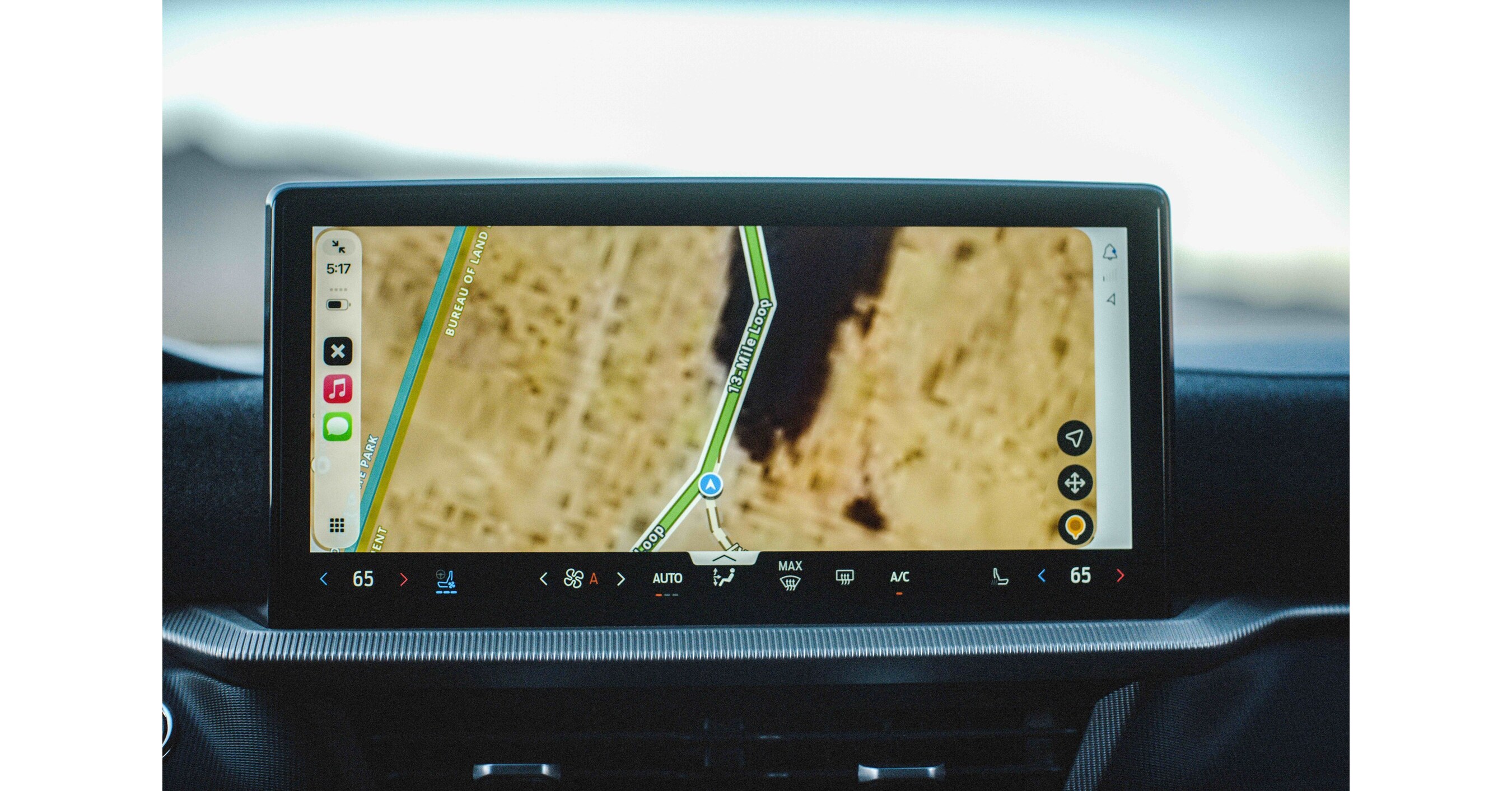
- Integrated Technology Enhancements: The new service allows users to integrate onX apps directly into their vehicle screens via Apple CarPlay and Android Auto, enabling offline map downloads in areas without cell service, thereby enhancing navigation capabilities for Ford owners in remote locations and improving customer satisfaction.
- Promotional Content Series: Ford and onX launch the “Chasing Off-Road Confidence” series, showcasing how Ford owners use the onX app to explore off-road trails across the U.S., which is expected to attract potential customers through real-life examples and strengthen brand loyalty.
- Market Growth Potential: With outdoor recreation participation hitting record levels, the partnership between Ford and onX not only reflects a commitment to the off-road market but also has the potential to expand market share by providing innovative navigation solutions, enhancing the company's competitiveness in the outdoor adventure sector.
US Stocks Performance Review and Outlook
- Employment Data Expectations: ADP is set to release employment data at 8:15 a.m. ET, with a consensus estimate of 39,000 new jobs in the private sector, which will provide a crucial indicator of economic health and could influence investor confidence and market trends.
- Retail Sales Growth: Retail sales figures are expected to be released at 8:30 a.m., with a general forecast of a 0.5% increase, a data point that will directly impact consumer spending and the outlook for economic recovery, potentially guiding a market rebound.
- Corporate Earnings Dynamics: Cal-Maine, Conagra, and Lamb Weston are scheduled to report earnings before the bell, with Cal-Maine's stock flat over the past three months, Conagra down 9%, and Lamb Weston showing no significant change, all of which will affect investor sentiment towards the food sector.
- Market Performance Review: In the first quarter, the Russell 2000 index rose by 0.58%, making it the best performer among major indices, while the S&P 500 and Nasdaq 100 fell by 4.63% and 5.98%, respectively, reflecting market volatility and cautious investor sentiment.
Tesla Stock Rises 4.52% Amid Market Rally
- Market Rally Impact: Tesla's stock rose 4.64% to close at $371.75 on Tuesday, driven by a broader market rally and a favorable analyst report, indicating renewed investor confidence in the company's growth prospects.
- Surge in Trading Volume: The trading volume reached 73.4 million shares, nearly 19% above the three-month average of 61.5 million shares, suggesting a significant increase in market interest towards Tesla, potentially signaling a shift in investor sentiment.
- Declining Delivery Expectations: Despite the stock rebound, first-quarter delivery expectations are projected between 365,000 and 366,000, indicating a sequential decline that highlights the disconnect between improving sentiment and weakening short-term demand, which could impact future performance.
- Future Key Indicator: The delivery report on April 2 will be a crucial indicator of whether Tesla's core auto business can stabilize; if demand remains weak, it may pose challenges to the company's autonomy and long-term growth expectations.
Tesla Stock Rises 4.64% Amid Market Rally
- Market Rally Impact: Tesla's stock closed at $371.75 on Tuesday, rising 4.64%, primarily driven by a broader market rally, a favorable analyst report, and increased optimism surrounding AI, robotics, and autonomous driving initiatives.
- Significant Volume Surge: The trading volume for Tesla reached 73.4 million shares, nearly 19% above its three-month average of 61.5 million shares, indicating a notable increase in investor interest in the stock.
- Delivery Expectations vs. Market Sentiment: Despite first-quarter delivery expectations of approximately 365,000 to 366,000 vehicles indicating weak short-term demand, the improved market sentiment and focus on future technologies contrast sharply, potentially supporting Tesla's long-term growth.
- Core Business Stability Test: The rebound in Tesla's stock follows a significant year-to-date decline driven by valuation concerns, increased competition, and leadership uncertainty, with the April 2 delivery report serving as a critical indicator of whether the core auto business can stabilize.
NTSB Calls for Enhanced Oversight of Automated Vehicle Technology
- Investigation Findings: The NTSB investigated two fatal crashes in 2024 involving Ford's BlueCruise partial automation system, concluding that drivers' overreliance on the technology significantly contributed to the accidents, highlighting safety deficiencies in automated driving systems.
- Lack of Safety Standards: The agency pointed out existing gaps in oversight for automated vehicle technology and called for standardized performance requirements to ensure the safety of all road users, emphasizing the urgent need for stronger safety standards.
- Regulatory Responsibility: NTSB Chairwoman Jennifer Homendy stated that manufacturers and federal regulators must ensure that these technologies are designed, monitored, and implemented in ways that protect all road users, stressing that a 'hands-off' approach to hands-free driving is unacceptable.
- Market Reaction: Following the announcement, Ford's shares fell approximately 1% in after-hours trading, reflecting market concerns regarding the safety issues surrounding automated driving technology and its potential impact on the company's future performance.
JD Power Releases 2026 Auto Industry Outlook
- Sales Forecast: JD Power maintains its forecast of 16.3 million new vehicle sales for 2026, indicating strong consumer demand despite geopolitical and macroeconomic volatility, suggesting that Americans continue to actively purchase vehicles.
- Price Increase Trend: The average retail transaction price for new vehicles is expected to rise by 2.5% to $45,859, which may impact consumer affordability and consequently exert pressure on overall sales figures.
- Manufacturer Incentive Spending: Manufacturers' incentive spending per vehicle is projected to reach $3,325, an increase of $165 from last year, indicating that manufacturers still have room to incentivize new vehicle purchases, reflecting the competitive nature of the market.
- Increased Industry Resilience: JD Power highlights that the auto industry has enhanced its ability to respond to market changes through more adaptive planning and diversified supply strategies, although the situation in the Middle East may introduce short-term uncertainties, the fundamentals remain strong for the industry.
Ford Partners with onX to Offer Outdoor Navigation Services
- Outdoor Navigation Partnership: Ford collaborates with onX to offer one year of onX Offroad, Hunt, and Backcountry Elite memberships to owners of 2017 and newer Ford vehicles, aiming to enhance outdoor adventure experiences and attract more outdoor enthusiasts to Ford vehicles.
- Integrated Technology Enhancements: The new service allows users to integrate onX apps directly into their vehicle screens via Apple CarPlay and Android Auto, enabling offline map downloads in areas without cell service, thereby enhancing navigation capabilities for Ford owners in remote locations and improving customer satisfaction.
- Promotional Content Series: Ford and onX launch the “Chasing Off-Road Confidence” series, showcasing how Ford owners use the onX app to explore off-road trails across the U.S., which is expected to attract potential customers through real-life examples and strengthen brand loyalty.
- Market Growth Potential: With outdoor recreation participation hitting record levels, the partnership between Ford and onX not only reflects a commitment to the off-road market but also has the potential to expand market share by providing innovative navigation solutions, enhancing the company's competitiveness in the outdoor adventure sector.