Following a Harsh Market Decline, Could These 3 SaaS Giants Be Poised for a Recovery?


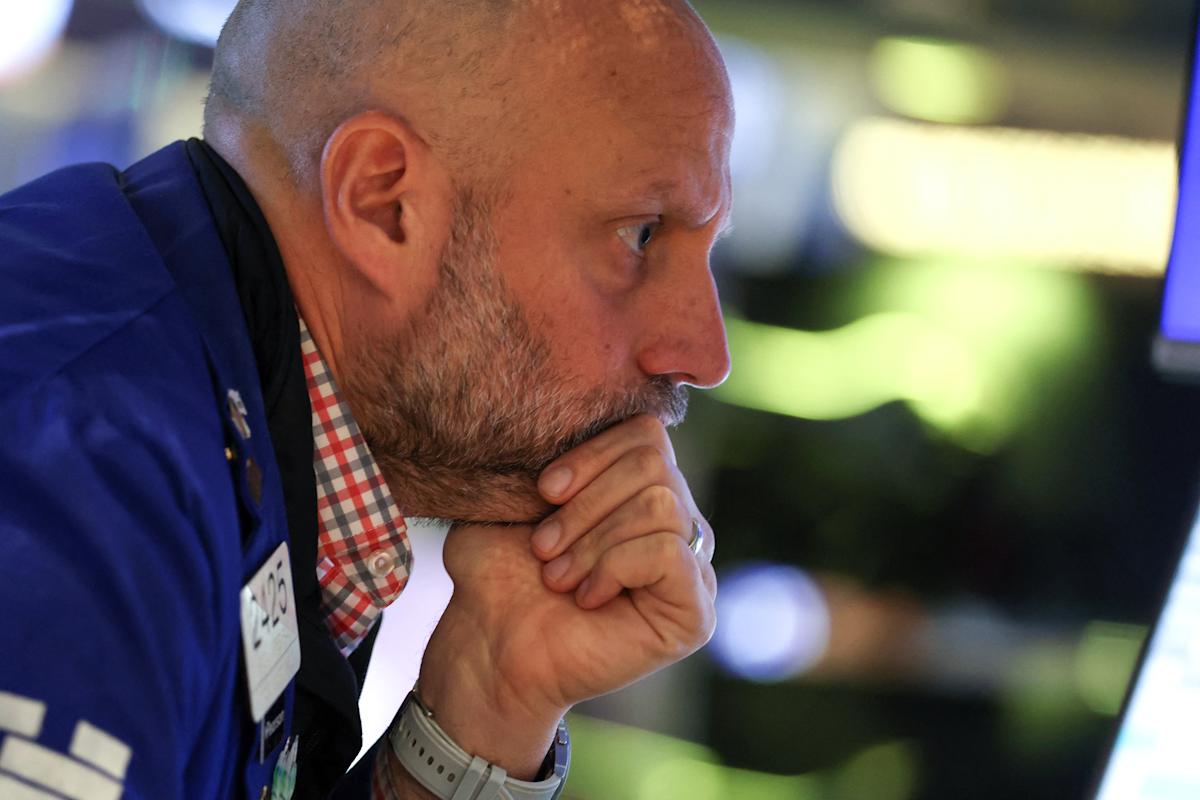
Market Sentiment and AI Concerns: Recent declines in software-as-a-service (SaaS) companies are largely driven by fears that artificial intelligence (AI) will automate key functions, leading to reduced demand for traditional software solutions.
Stock Performance and Recovery: Despite heavy selling, some companies like HubSpot have shown signs of stabilization and recovery, with shares rebounding after a period of decline, indicating potential investor confidence.
Analyst Ratings and Future Outlook: Analysts from firms like Citigroup and UBS have reiterated buy ratings for certain SaaS stocks, suggesting significant upside potential, while also highlighting the importance of upcoming earnings reports for companies like Okta.
Investment Recommendations: Analysts are advising clients to consider five specific stocks as attractive buying opportunities, emphasizing the potential for recovery in the SaaS sector amidst broader market caution.
Trade with 70% Backtested Accuracy
Analyst Views on CRM

About CRM
About the author


Honeywell's Underperformance Affects Dow Jones Index


- Dow Component Changes: Honeywell replaced Raytheon Technologies in the Dow on August 31, 2020, but has only delivered a 56.2% total return since then, significantly lagging behind RTX's 231.1%, indicating its failure to meet market expectations.
- Unfulfilled Innovation Potential: Although Honeywell was viewed as a diversified and innovative industrial giant in 2020, its persistent underperformance in earnings and free cash flow growth, partly due to supply chain and inflationary pressures, has hindered its ability to capitalize on its strengths.
- Spinoff Plans Generate Interest: In November 2024, activist investor Elliott Investment Management amassed a position exceeding $5 billion, prompting Honeywell to consider a breakup; the successful spinoff of Solstice Advanced Materials in October 2025, which saw a 79.4% gain, highlights the potential for growth through such restructuring.
- Future Outlook and Market Reaction: Honeywell plans to spin off its aerospace division on June 29, 2024, with the remaining business focusing on industrial and building automation, and the market anticipates that this structural adjustment could enhance its standing in the Dow, reflecting a broader preference for focused companies.

ARM and AMD Report Strong Earnings but Face Challenges


- ARM's New Strategy: ARM Holdings announced it will transition from merely licensing technology to manufacturing its own chips, projecting a gross profit per chip that is ten times higher than licensing, with $2 billion in demand already secured for the next two years, indicating strong market acceptance.
- AMD's Earnings Growth: AMD's second-quarter revenue guidance exceeded expectations, with a 57% growth in its data center segment, and it anticipates tens of billions in AI revenue from data centers next year alone, reflecting the company's robust performance in AI spending.
- Market Reaction Analysis: Despite ARM's mobile growth falling short of expectations, leading to a stock price retreat, the market's positive response to its shift towards chip manufacturing indicates investor confidence in its long-term potential.
- DoorDash Earnings Interpretation: DoorDash reported a 25-30% revenue growth, yet its operating profit and net income declined; however, the market remains optimistic about its future growth, particularly in membership services and international business expansion.
Starboard Value Adds Positions in CarMax and Lamb Weston

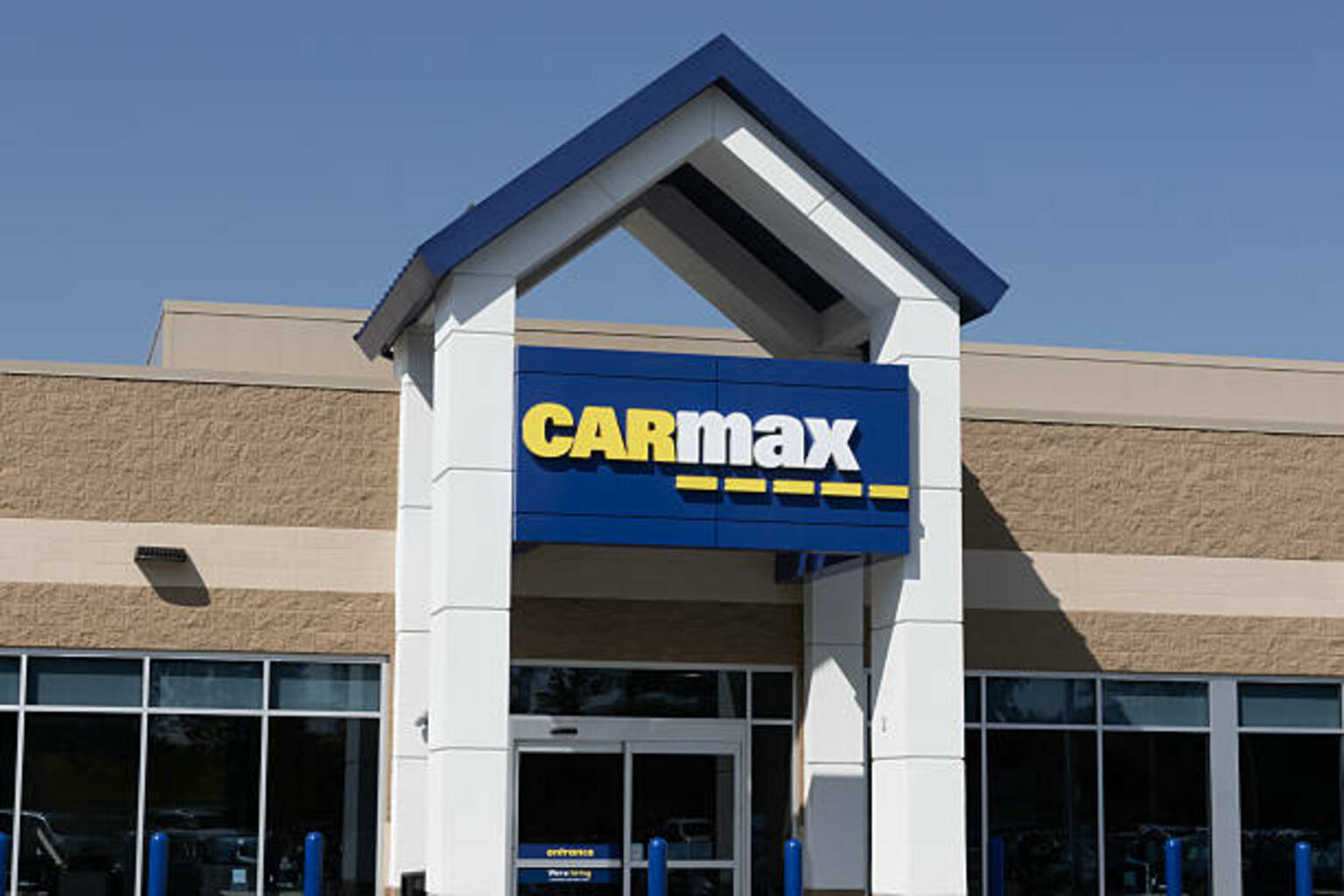
- New Investment Moves: Starboard Value added positions in CarMax and Lamb Weston during Q1, acquiring 6.2M and 6.1M shares valued at $258M each, indicating strong confidence that could drive stock price appreciation.
- Portfolio Diversification: The hedge fund also increased its stakes in Riot Platforms and TripAdvisor, with 2.8M and 1.13M shares respectively, demonstrating a strategic intent to diversify its portfolio and capture growth opportunities across different markets.
- Stake Reduction Strategy: Starboard reduced its holdings in Gen Digital, Clearwater Analytics, Healthcare Realty, Fluor, and Becton Dickinson by over 1.5M shares in total, reflecting a cautious outlook on these companies' prospects, which may impact their future market performance.
- Board Changes: CarMax appointed two new directors recently, one of whom was nominated by Starboard, a move that could influence the company's strategic direction and governance structure, thereby enhancing investor confidence.
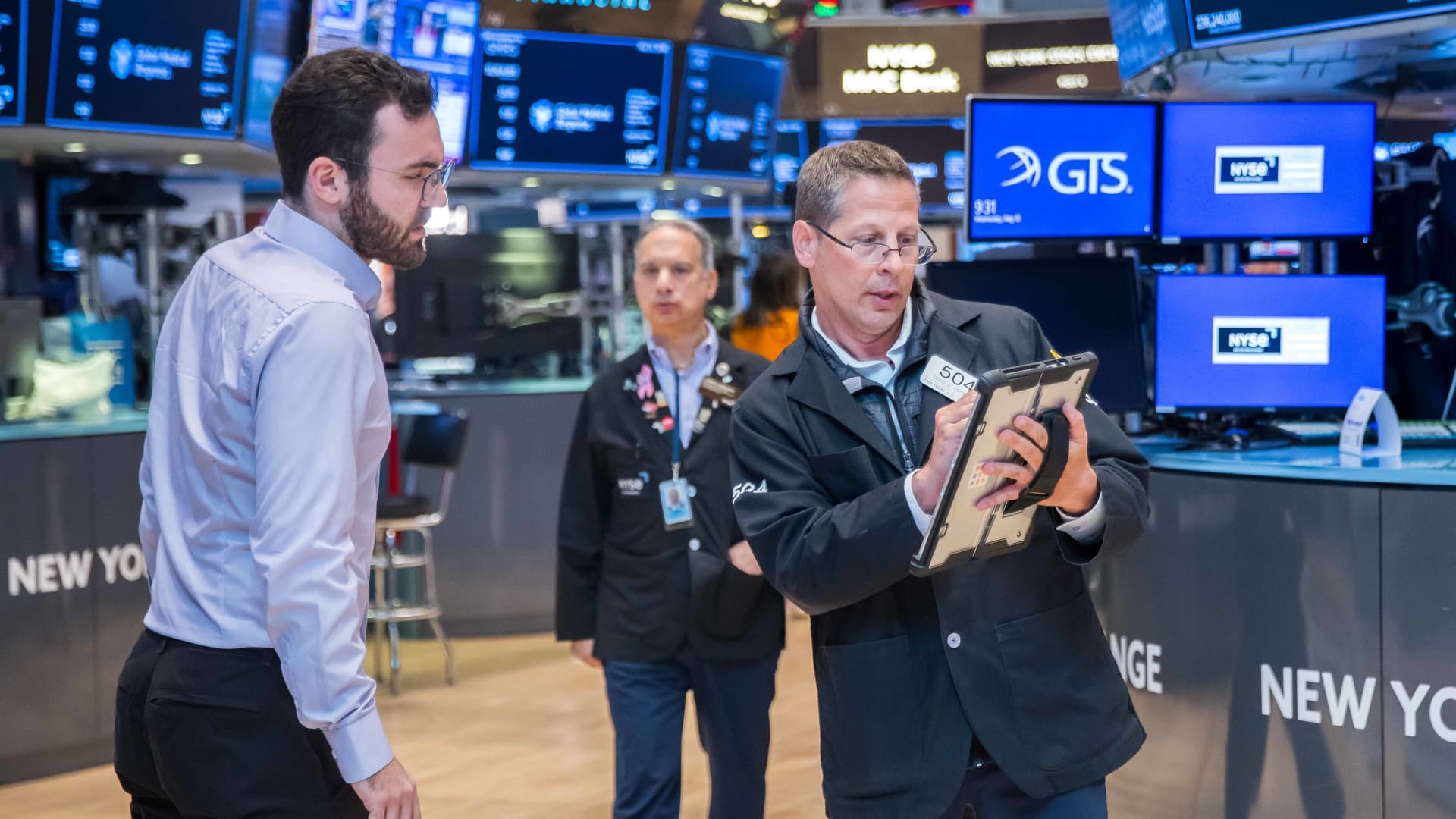
Stocks Pull Back but S&P 500 on Track for Seventh Straight Positive Week


- Rising Bond Yields: The massive bond selloff pushed the 10-year Treasury yield to approximately 4.6% and the 30-year yield above 5.1%, which could lead to increased borrowing costs, thereby affecting corporate investment decisions and consumer spending.
- Oil Price Surge: West Texas Intermediate crude oil prices climbed back above $105 per barrel, and this rise in oil prices may exacerbate inflation concerns, potentially impacting consumer confidence and spending, especially in a high-inflation environment.
- Volatility in AI Stocks: Stocks like Arm Holdings and Nvidia experienced profit-taking as enthusiasm for AI waned, indicating a cautious investor sentiment towards high-risk assets amid rising interest rates and oil prices.
- Upcoming Earnings Reports: A significant week of earnings is ahead with key companies like Home Depot and Nvidia scheduled to report, and the market will closely monitor these results for their potential impact on stock prices in the context of increasing economic uncertainty.
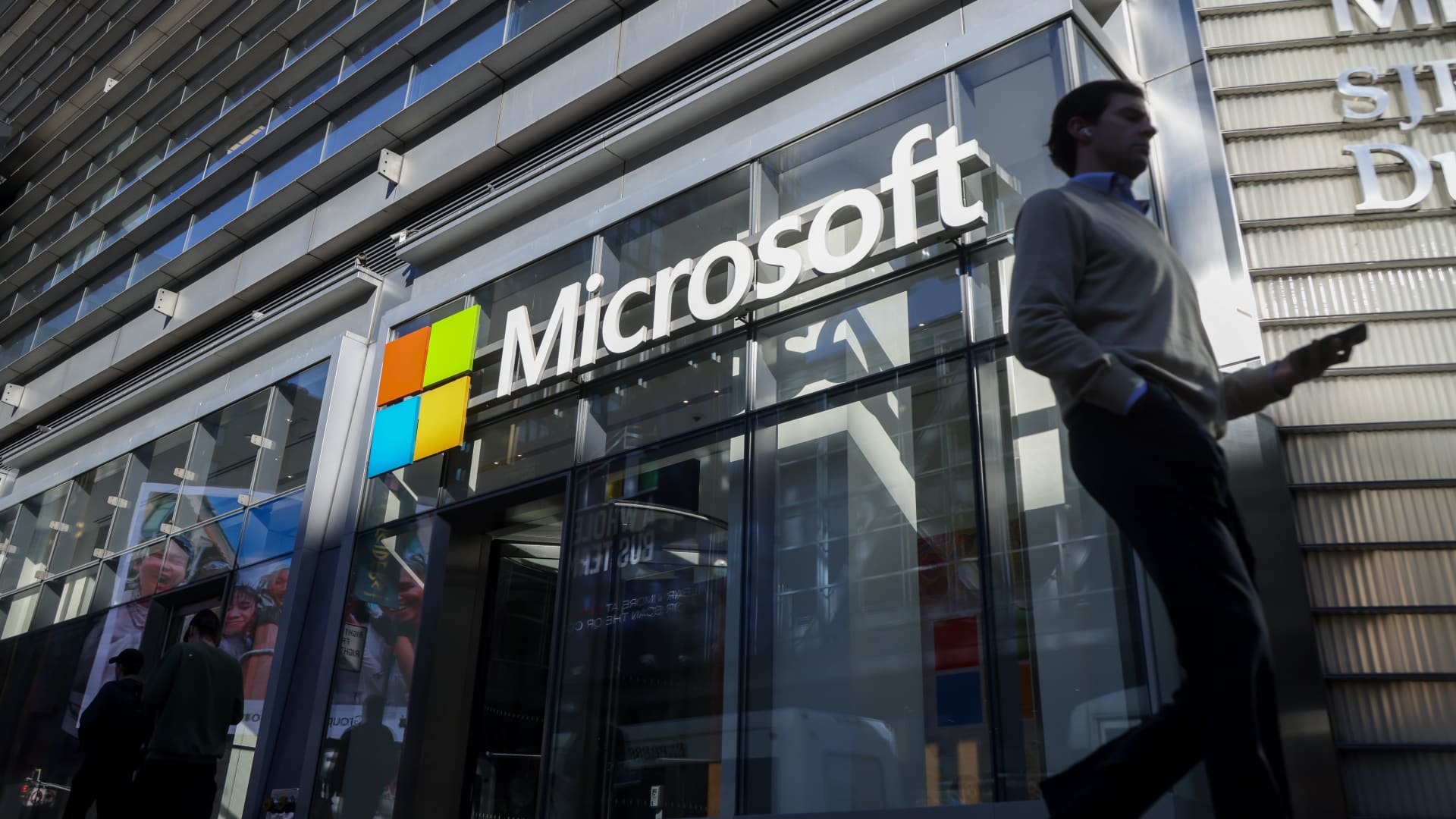
Investors Warned Not to Underestimate Microsoft's Competitiveness


- Investor Confidence Boosted: Jim Cramer emphasizes that Microsoft's strong balance sheet enables it to pursue revolutionary innovations, and despite a nearly 12% recent stock price drop, he views this as a reasonable buying opportunity, reflecting confidence in Microsoft's future.
- Hedge Fund Accumulation: Following Bill Ackman's Pershing Square disclosure of its stake in Microsoft, shares rose approximately 4%, indicating market approval of this investment decision, while around 95% of analysts maintain a buy-equivalent rating on the stock, showcasing widespread optimism.
- Focus on R&D Investment: Ackman highlights Microsoft's commitment to R&D in Copilot and M365, believing these efforts will enhance product velocity and customer adoption, despite market concerns about AI-driven layoffs; he argues that Microsoft's long-term potential is underestimated.
- Market Dynamics Analysis: Cramer opposes the trend of investors flocking to enterprise software stocks lacking meaningful catalysts, asserting that Microsoft's growth is more reliant on cloud computing than traditional software, underscoring its unique position in the current market landscape.
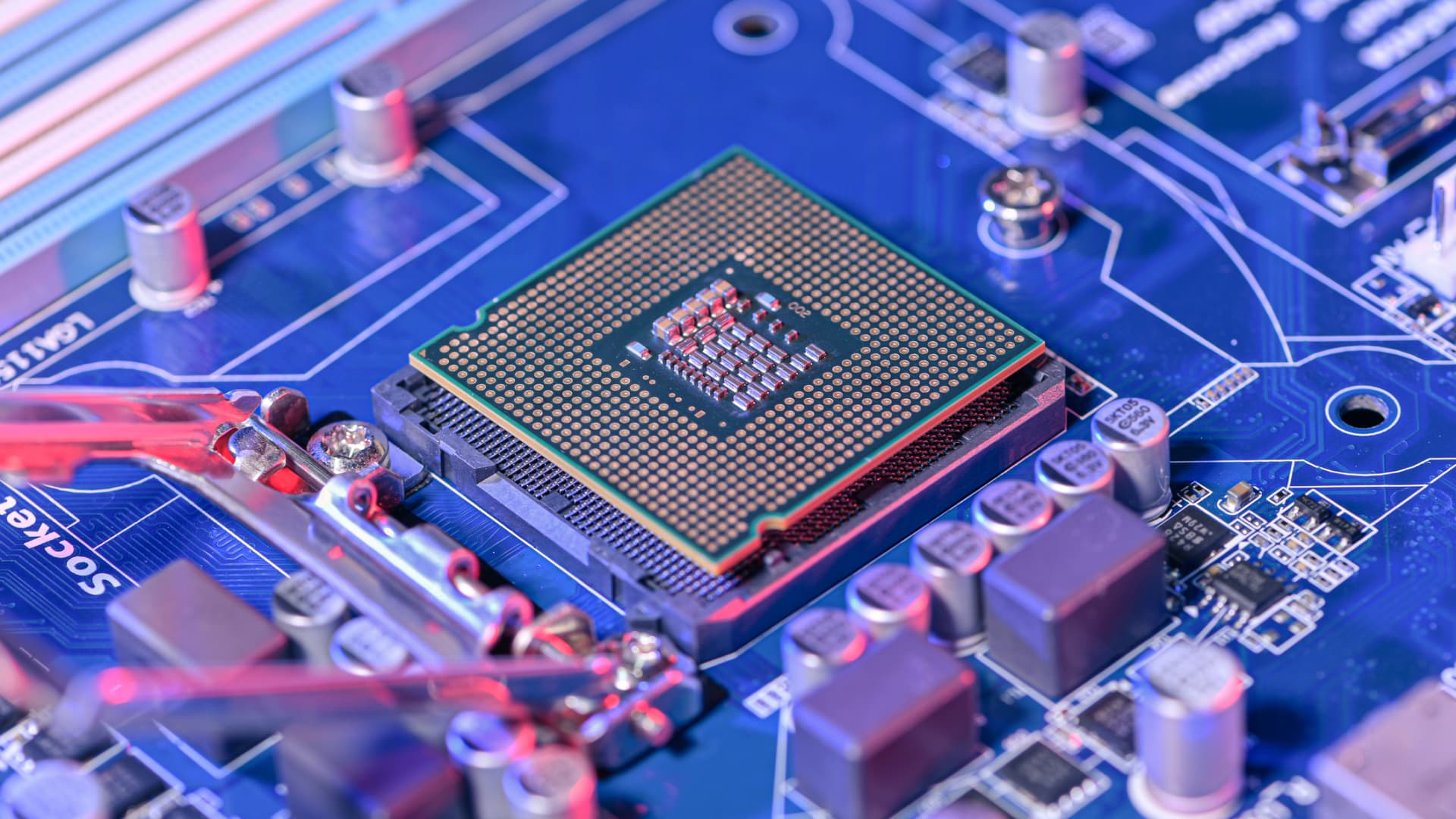
U.S. Stocks Retreat as Tech Shares Decline


- Market Retreat: The three major indexes fell on Friday due to weakness in technology stocks and rising Treasury yields, with the benchmark 10-year yield climbing to 4.58%, putting pressure on growth stocks as investors rotated between high-flying tech and lagging value stocks.
- Disappointment from U.S.-China Summit: The meeting between Trump and Xi failed to deliver major breakthroughs, particularly disappointing investors with Boeing's aircraft commitment, which fell short of the anticipated 500 planes, coming in at around 200, thus pressuring Boeing's stock.
- Volatility in Arm Holdings: Shares of Arm Holdings dropped 7% on Friday, continuing a volatile trend following its earnings report, with Jim Cramer cautioning that the market is anxious about its ability to secure sufficient manufacturing capacity at TSMC for its AGI CPU, recommending a reduction in exposure.
- Rapid Fire Stock Review: Stocks mentioned at the end of Friday's video included Applied Materials, Dexcom, and Texas Roadhouse, with Jim Cramer's charitable trust holding positions in Arm, Boeing, and Nvidia, emphasizing the importance of timely trade alerts for subscribers.
Honeywell's Underperformance Affects Dow Jones Index
- Dow Component Changes: Honeywell replaced Raytheon Technologies in the Dow on August 31, 2020, but has only delivered a 56.2% total return since then, significantly lagging behind RTX's 231.1%, indicating its failure to meet market expectations.
- Unfulfilled Innovation Potential: Although Honeywell was viewed as a diversified and innovative industrial giant in 2020, its persistent underperformance in earnings and free cash flow growth, partly due to supply chain and inflationary pressures, has hindered its ability to capitalize on its strengths.
- Spinoff Plans Generate Interest: In November 2024, activist investor Elliott Investment Management amassed a position exceeding $5 billion, prompting Honeywell to consider a breakup; the successful spinoff of Solstice Advanced Materials in October 2025, which saw a 79.4% gain, highlights the potential for growth through such restructuring.
- Future Outlook and Market Reaction: Honeywell plans to spin off its aerospace division on June 29, 2024, with the remaining business focusing on industrial and building automation, and the market anticipates that this structural adjustment could enhance its standing in the Dow, reflecting a broader preference for focused companies.
ARM and AMD Report Strong Earnings but Face Challenges
- ARM's New Strategy: ARM Holdings announced it will transition from merely licensing technology to manufacturing its own chips, projecting a gross profit per chip that is ten times higher than licensing, with $2 billion in demand already secured for the next two years, indicating strong market acceptance.
- AMD's Earnings Growth: AMD's second-quarter revenue guidance exceeded expectations, with a 57% growth in its data center segment, and it anticipates tens of billions in AI revenue from data centers next year alone, reflecting the company's robust performance in AI spending.
- Market Reaction Analysis: Despite ARM's mobile growth falling short of expectations, leading to a stock price retreat, the market's positive response to its shift towards chip manufacturing indicates investor confidence in its long-term potential.
- DoorDash Earnings Interpretation: DoorDash reported a 25-30% revenue growth, yet its operating profit and net income declined; however, the market remains optimistic about its future growth, particularly in membership services and international business expansion.
Starboard Value Adds Positions in CarMax and Lamb Weston
- New Investment Moves: Starboard Value added positions in CarMax and Lamb Weston during Q1, acquiring 6.2M and 6.1M shares valued at $258M each, indicating strong confidence that could drive stock price appreciation.
- Portfolio Diversification: The hedge fund also increased its stakes in Riot Platforms and TripAdvisor, with 2.8M and 1.13M shares respectively, demonstrating a strategic intent to diversify its portfolio and capture growth opportunities across different markets.
- Stake Reduction Strategy: Starboard reduced its holdings in Gen Digital, Clearwater Analytics, Healthcare Realty, Fluor, and Becton Dickinson by over 1.5M shares in total, reflecting a cautious outlook on these companies' prospects, which may impact their future market performance.
- Board Changes: CarMax appointed two new directors recently, one of whom was nominated by Starboard, a move that could influence the company's strategic direction and governance structure, thereby enhancing investor confidence.
Stocks Pull Back but S&P 500 on Track for Seventh Straight Positive Week
- Rising Bond Yields: The massive bond selloff pushed the 10-year Treasury yield to approximately 4.6% and the 30-year yield above 5.1%, which could lead to increased borrowing costs, thereby affecting corporate investment decisions and consumer spending.
- Oil Price Surge: West Texas Intermediate crude oil prices climbed back above $105 per barrel, and this rise in oil prices may exacerbate inflation concerns, potentially impacting consumer confidence and spending, especially in a high-inflation environment.
- Volatility in AI Stocks: Stocks like Arm Holdings and Nvidia experienced profit-taking as enthusiasm for AI waned, indicating a cautious investor sentiment towards high-risk assets amid rising interest rates and oil prices.
- Upcoming Earnings Reports: A significant week of earnings is ahead with key companies like Home Depot and Nvidia scheduled to report, and the market will closely monitor these results for their potential impact on stock prices in the context of increasing economic uncertainty.
Investors Warned Not to Underestimate Microsoft's Competitiveness
- Investor Confidence Boosted: Jim Cramer emphasizes that Microsoft's strong balance sheet enables it to pursue revolutionary innovations, and despite a nearly 12% recent stock price drop, he views this as a reasonable buying opportunity, reflecting confidence in Microsoft's future.
- Hedge Fund Accumulation: Following Bill Ackman's Pershing Square disclosure of its stake in Microsoft, shares rose approximately 4%, indicating market approval of this investment decision, while around 95% of analysts maintain a buy-equivalent rating on the stock, showcasing widespread optimism.
- Focus on R&D Investment: Ackman highlights Microsoft's commitment to R&D in Copilot and M365, believing these efforts will enhance product velocity and customer adoption, despite market concerns about AI-driven layoffs; he argues that Microsoft's long-term potential is underestimated.
- Market Dynamics Analysis: Cramer opposes the trend of investors flocking to enterprise software stocks lacking meaningful catalysts, asserting that Microsoft's growth is more reliant on cloud computing than traditional software, underscoring its unique position in the current market landscape.
U.S. Stocks Retreat as Tech Shares Decline
- Market Retreat: The three major indexes fell on Friday due to weakness in technology stocks and rising Treasury yields, with the benchmark 10-year yield climbing to 4.58%, putting pressure on growth stocks as investors rotated between high-flying tech and lagging value stocks.
- Disappointment from U.S.-China Summit: The meeting between Trump and Xi failed to deliver major breakthroughs, particularly disappointing investors with Boeing's aircraft commitment, which fell short of the anticipated 500 planes, coming in at around 200, thus pressuring Boeing's stock.
- Volatility in Arm Holdings: Shares of Arm Holdings dropped 7% on Friday, continuing a volatile trend following its earnings report, with Jim Cramer cautioning that the market is anxious about its ability to secure sufficient manufacturing capacity at TSMC for its AGI CPU, recommending a reduction in exposure.
- Rapid Fire Stock Review: Stocks mentioned at the end of Friday's video included Applied Materials, Dexcom, and Texas Roadhouse, with Jim Cramer's charitable trust holding positions in Arm, Boeing, and Nvidia, emphasizing the importance of timely trade alerts for subscribers.