Financial Stocks Face Multiple Uncertainties
Written by Emily J. Thompson, Senior Investment Analyst
Updated: 1 hour ago
0mins

Should l Buy GOOGL?
Source: CNBC
- Market Volatility Impact: The Iran war has led to soaring oil prices, putting pressure on financial stocks, particularly Goldman Sachs, which has dropped 11% in 2026, and Wells Fargo, down over 20% year-to-date, reflecting market concerns about economic outlook.
- Rising Credit Risks: Higher fuel costs may reduce loan demand from consumers and businesses, leading to a slowdown in banks' growth prospects; analysts warn that entering a stagflationary environment could increase default rates, raising downside risks for banks.
- AI Impact Analysis: Despite growing concerns about AI, analysts believe its adoption could create more jobs and enhance bank profitability, with both Goldman Sachs and Wells Fargo embedding AI technologies internally to improve efficiency, indicating a positive outlook for the future.
- Private Credit Concerns: Liquidity issues in the private credit market have raised tensions, although Goldman Sachs and Wells Fargo are well-capitalized and private credit is not a primary revenue source, the overall health of the market remains a concern.
Trade with 70% Backtested Accuracy
Stop guessing "Should I Buy GOOGL?" and start using high-conviction signals backed by rigorous historical data.
Sign up today to access powerful investing tools and make smarter, data-driven decisions.
Analyst Views on GOOGL
Wall Street analysts forecast GOOGL stock price to rise
33 Analyst Rating
26 Buy
7 Hold
0 Sell
Strong Buy
Current: 303.550

Low
305.00
Averages
374.25
High
400.00
Current: 303.550
Low
305.00
Averages
374.25
High
400.00
About GOOGL
Alphabet Inc. is a holding company. The Company's segments include Google Services, Google Cloud, and Other Bets. The Google Services segment includes products and services such as ads, Android, Chrome, devices, Google Maps, Google Play, Search, and YouTube. The Google Cloud segment includes infrastructure and platform services, collaboration tools, and other services for enterprise customers. Its Other Bets segment is engaged in the sale of healthcare-related services and Internet services. Its Google Cloud provides enterprise-ready cloud services, including Google Cloud Platform and Google Workspace. Google Cloud Platform provides access to solutions such as artificial intelligence (AI) offerings, including its AI infrastructure, Vertex AI platform, and Gemini for Google Cloud; cybersecurity, and data and analytics. Google Workspace includes cloud-based communication and collaboration tools for enterprises, such as Calendar, Gmail, Docs, Drive, and Meet.
About the author

Emily J. Thompson
Emily J. Thompson, a Chartered Financial Analyst (CFA) with 12 years in investment research, graduated with honors from the Wharton School. Specializing in industrial and technology stocks, she provides in-depth analysis for Intellectia’s earnings and market brief reports.
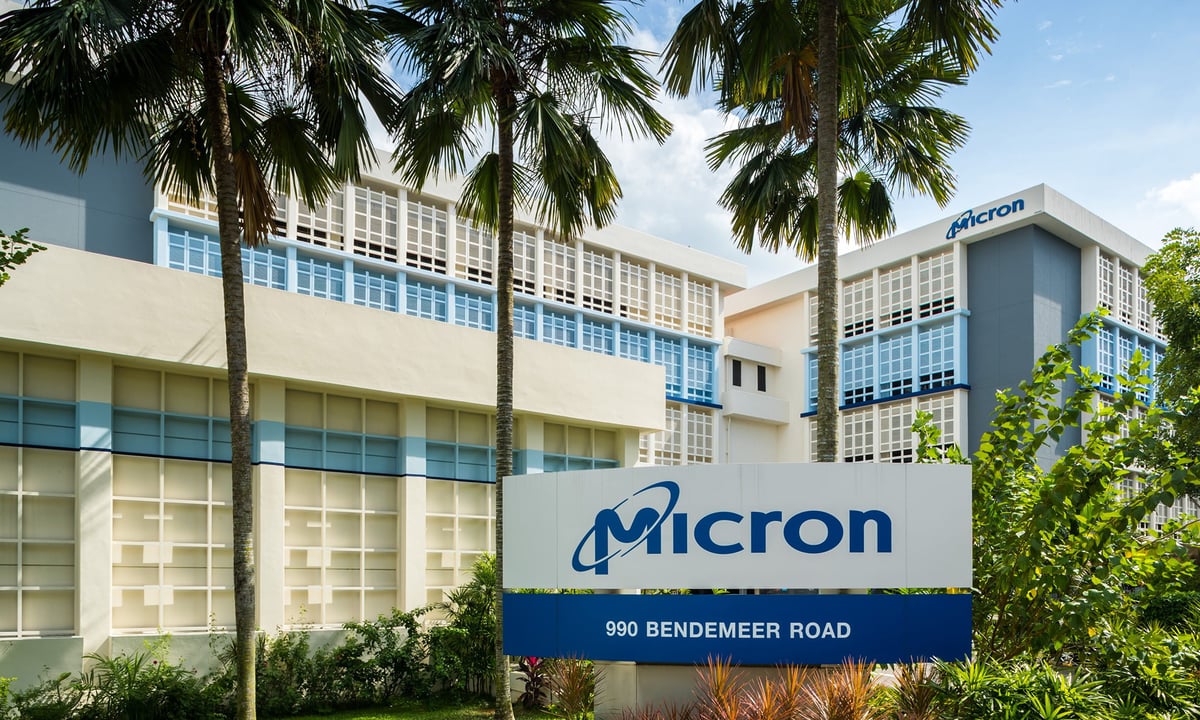
Micron Technology's Stock Soars 304%, Attracting Investor Attention


- Bull Market Context: Over the past three years, the stock market has entered a bull run driven by the AI boom, with semiconductor stocks like Micron Technology (MU) standing out, achieving a remarkable 304% return, significantly outperforming peers and the S&P 500 index.
- Surging Market Demand: Micron's high-bandwidth memory (HBM) solutions are critical for companies like Nvidia and AMD, with forecasts indicating that Amazon, Alphabet, Microsoft, and Meta will spend over $600 billion on data center expansions and chip procurement by 2026, driving Micron's business growth.
- Valuation Potential: Despite the significant rise in Micron's stock price, its forward P/E ratio remains at a modest 11, well below the 40+ ratios seen in other leading AI chip stocks, indicating that there is still room for valuation expansion, making it attractive to investors.
- Future Growth Outlook: As investments in AI infrastructure accelerate, Micron's HBM solutions are poised to enter a supercycle, with analysts projecting a quadrupling of earnings this year, further solidifying its core position in the market.
See More

Financial Stocks Face Multiple Uncertainties


- Market Volatility Impact: The Iran war has led to soaring oil prices, putting pressure on financial stocks, particularly Goldman Sachs, which has dropped 11% in 2026, and Wells Fargo, down over 20% year-to-date, reflecting market concerns about economic outlook.
- Rising Credit Risks: Higher fuel costs may reduce loan demand from consumers and businesses, leading to a slowdown in banks' growth prospects; analysts warn that entering a stagflationary environment could increase default rates, raising downside risks for banks.
- AI Impact Analysis: Despite growing concerns about AI, analysts believe its adoption could create more jobs and enhance bank profitability, with both Goldman Sachs and Wells Fargo embedding AI technologies internally to improve efficiency, indicating a positive outlook for the future.
- Private Credit Concerns: Liquidity issues in the private credit market have raised tensions, although Goldman Sachs and Wells Fargo are well-capitalized and private credit is not a primary revenue source, the overall health of the market remains a concern.
See More

Microsoft Struggles While Alphabet and Amazon Show Promising Prospects

- Microsoft's Stock Pressure: In 2026, Microsoft has become the worst-performing stock among the 'Magnificent Seven,' primarily due to slower growth in its Azure cloud platform and high costs associated with AI competition, which have pressured its stock despite a relatively high valuation.
- Alphabet's Significant ROI: Alphabet, Google's parent company, spent $91 billion on capital expenditures last year and pledged $175 billion to $185 billion this year for AI infrastructure, with its Google Gemini AI engine making substantial competitive strides, attracting user preference over ChatGPT.
- Amazon's Surge in Capex: Amazon plans to allocate $200 billion for capital expenditures in 2026, and despite facing higher energy costs, the rapid growth of its Amazon Web Services in recent quarters suggests that this spending may soon yield returns.
- AI-Driven E-commerce Growth: Amazon's e-commerce segments leverage AI for improved product selection and supply chain efficiency, including AI-dependent third-party seller services and digital advertising, which typically report double-digit revenue growth, indicating strong market potential.
See More

Alphabet Reasserts Itself in AI Race
- Capital Expenditure Plans: Alphabet's capital expenditures reached $91 billion last year, with a commitment to invest between $175 billion and $185 billion in 2026, indicating a strong focus on AI infrastructure that is expected to drive future growth.
- AI Engine Competitiveness: Although Google's Gemini AI engine is a later entrant, it has begun to surpass ChatGPT in user preference, suggesting that its competitive position in the AI space is strengthening, which may attract more investor interest.
- Short-term Challenges for Amazon: Amazon has pledged $200 billion in capital expenditures for 2026, and while facing high energy costs, the rapid growth of its Amazon Web Services could improve profitability in the coming quarters.
- Investor Confidence Rebounding: With Amazon's P/E ratio at 30, significantly lower than its previous average of 50, and signs that AI investments are starting to pay off, investors may consider increasing their holdings at this undervalued point, anticipating future revenue growth.
See More

Analysis of Investment Value in Dividend Stocks


- Dividend Yield Advantage: The S&P 500 index has had an average dividend yield of 1.74% over the past decade, which, while seemingly modest, results in a total return of 305% when dividends are reinvested, highlighting the significance of dividend stocks in long-term investing.
- Realty Income Performance: Realty Income is renowned for its monthly dividend payments, having increased its dividend 133 times over the past 55 years, with a current yield of 5%, making it a preferred choice for investors due to its stable cash flow and robust property portfolio.
- ExxonMobil's Cash Flow: ExxonMobil reported an operational cash flow of $52 billion in 2025, allowing it to pay $17.2 billion in dividends and repurchase $20 billion in shares, demonstrating its strong financial health and commitment to dividend payments, with a yield of 2.8%.
- Innovative Strategy of JPMorgan ETF: The JPMorgan Nasdaq Equity Premium Income ETF employs a covered-call strategy to generate monthly dividends, currently yielding 10.6%, providing a novel investment opportunity for those seeking passive income from tech stocks that typically do not offer dividends.
See More

Buffett's Investment Philosophy Fuels Long-Term Growth

- Amazon's Profit Growth: Amazon's gross margin has surpassed 50%, driven by its high-margin online advertising and cloud computing businesses, which are expected to continue propelling market share growth, especially with the boost from artificial intelligence.
- Google Cloud's Profitability Boost: After a decade of investment, Google Cloud has achieved its first profitable quarter, becoming the third-largest cloud provider, with strong cash flow enabling support for emerging projects like Waymo and Gemini, further solidifying the company's market position.
- American Express's Steady Growth: American Express boasts a gross margin of 60.65% and is projected to achieve a 10% year-over-year growth rate by 2025, primarily benefiting from increased consumer spending and diversified revenue streams, showcasing its competitive edge in the premium credit card market.
- Buffett's Long-Term Investment Strategy: Buffett's strategy of holding companies with durable competitive advantages, such as Amazon, Alphabet, and American Express, illustrates the success of his investment philosophy, emphasizing the importance of value investing and confidence in future markets.
See More
Micron Technology's Stock Soars 304%, Attracting Investor Attention
- Bull Market Context: Over the past three years, the stock market has entered a bull run driven by the AI boom, with semiconductor stocks like Micron Technology (MU) standing out, achieving a remarkable 304% return, significantly outperforming peers and the S&P 500 index.
- Surging Market Demand: Micron's high-bandwidth memory (HBM) solutions are critical for companies like Nvidia and AMD, with forecasts indicating that Amazon, Alphabet, Microsoft, and Meta will spend over $600 billion on data center expansions and chip procurement by 2026, driving Micron's business growth.
- Valuation Potential: Despite the significant rise in Micron's stock price, its forward P/E ratio remains at a modest 11, well below the 40+ ratios seen in other leading AI chip stocks, indicating that there is still room for valuation expansion, making it attractive to investors.
- Future Growth Outlook: As investments in AI infrastructure accelerate, Micron's HBM solutions are poised to enter a supercycle, with analysts projecting a quadrupling of earnings this year, further solidifying its core position in the market.
See More
Financial Stocks Face Multiple Uncertainties
- Market Volatility Impact: The Iran war has led to soaring oil prices, putting pressure on financial stocks, particularly Goldman Sachs, which has dropped 11% in 2026, and Wells Fargo, down over 20% year-to-date, reflecting market concerns about economic outlook.
- Rising Credit Risks: Higher fuel costs may reduce loan demand from consumers and businesses, leading to a slowdown in banks' growth prospects; analysts warn that entering a stagflationary environment could increase default rates, raising downside risks for banks.
- AI Impact Analysis: Despite growing concerns about AI, analysts believe its adoption could create more jobs and enhance bank profitability, with both Goldman Sachs and Wells Fargo embedding AI technologies internally to improve efficiency, indicating a positive outlook for the future.
- Private Credit Concerns: Liquidity issues in the private credit market have raised tensions, although Goldman Sachs and Wells Fargo are well-capitalized and private credit is not a primary revenue source, the overall health of the market remains a concern.
See More
Microsoft Struggles While Alphabet and Amazon Show Promising Prospects
- Microsoft's Stock Pressure: In 2026, Microsoft has become the worst-performing stock among the 'Magnificent Seven,' primarily due to slower growth in its Azure cloud platform and high costs associated with AI competition, which have pressured its stock despite a relatively high valuation.
- Alphabet's Significant ROI: Alphabet, Google's parent company, spent $91 billion on capital expenditures last year and pledged $175 billion to $185 billion this year for AI infrastructure, with its Google Gemini AI engine making substantial competitive strides, attracting user preference over ChatGPT.
- Amazon's Surge in Capex: Amazon plans to allocate $200 billion for capital expenditures in 2026, and despite facing higher energy costs, the rapid growth of its Amazon Web Services in recent quarters suggests that this spending may soon yield returns.
- AI-Driven E-commerce Growth: Amazon's e-commerce segments leverage AI for improved product selection and supply chain efficiency, including AI-dependent third-party seller services and digital advertising, which typically report double-digit revenue growth, indicating strong market potential.
See More
Alphabet Reasserts Itself in AI Race
- Capital Expenditure Plans: Alphabet's capital expenditures reached $91 billion last year, with a commitment to invest between $175 billion and $185 billion in 2026, indicating a strong focus on AI infrastructure that is expected to drive future growth.
- AI Engine Competitiveness: Although Google's Gemini AI engine is a later entrant, it has begun to surpass ChatGPT in user preference, suggesting that its competitive position in the AI space is strengthening, which may attract more investor interest.
- Short-term Challenges for Amazon: Amazon has pledged $200 billion in capital expenditures for 2026, and while facing high energy costs, the rapid growth of its Amazon Web Services could improve profitability in the coming quarters.
- Investor Confidence Rebounding: With Amazon's P/E ratio at 30, significantly lower than its previous average of 50, and signs that AI investments are starting to pay off, investors may consider increasing their holdings at this undervalued point, anticipating future revenue growth.
See More
Analysis of Investment Value in Dividend Stocks
- Dividend Yield Advantage: The S&P 500 index has had an average dividend yield of 1.74% over the past decade, which, while seemingly modest, results in a total return of 305% when dividends are reinvested, highlighting the significance of dividend stocks in long-term investing.
- Realty Income Performance: Realty Income is renowned for its monthly dividend payments, having increased its dividend 133 times over the past 55 years, with a current yield of 5%, making it a preferred choice for investors due to its stable cash flow and robust property portfolio.
- ExxonMobil's Cash Flow: ExxonMobil reported an operational cash flow of $52 billion in 2025, allowing it to pay $17.2 billion in dividends and repurchase $20 billion in shares, demonstrating its strong financial health and commitment to dividend payments, with a yield of 2.8%.
- Innovative Strategy of JPMorgan ETF: The JPMorgan Nasdaq Equity Premium Income ETF employs a covered-call strategy to generate monthly dividends, currently yielding 10.6%, providing a novel investment opportunity for those seeking passive income from tech stocks that typically do not offer dividends.
See More
Buffett's Investment Philosophy Fuels Long-Term Growth
- Amazon's Profit Growth: Amazon's gross margin has surpassed 50%, driven by its high-margin online advertising and cloud computing businesses, which are expected to continue propelling market share growth, especially with the boost from artificial intelligence.
- Google Cloud's Profitability Boost: After a decade of investment, Google Cloud has achieved its first profitable quarter, becoming the third-largest cloud provider, with strong cash flow enabling support for emerging projects like Waymo and Gemini, further solidifying the company's market position.
- American Express's Steady Growth: American Express boasts a gross margin of 60.65% and is projected to achieve a 10% year-over-year growth rate by 2025, primarily benefiting from increased consumer spending and diversified revenue streams, showcasing its competitive edge in the premium credit card market.
- Buffett's Long-Term Investment Strategy: Buffett's strategy of holding companies with durable competitive advantages, such as Amazon, Alphabet, and American Express, illustrates the success of his investment philosophy, emphasizing the importance of value investing and confidence in future markets.
See More