FedEx Expands Zero-Emission Fleet in Japan with 17 Electric Trucks to Support 2040 Carbon Neutral Goal
Written by Emily J. Thompson, Senior Investment Analyst
Updated: Jan 15 2026
0mins
Source: NASDAQ.COM
- Electric Truck Deployment: FedEx has expanded its fleet in Japan with 17 electric trucks, utilizing Mitsubishi Fuso eCanter and Isuzu ELF EVs, supporting its goal of achieving carbon neutrality by 2040 and demonstrating its commitment to environmental sustainability.
- Significant Emission Reduction: Each electric truck has a payload of 1.5 tons and is expected to reduce tailpipe emissions by approximately 3.3 metric tons per vehicle annually, significantly lowering the carbon footprint of urban deliveries and aiding Japan in its target of a 60% reduction in greenhouse gases by 2035.
- Urban Delivery Optimization: The new electric trucks will primarily operate in high-density urban routes such as Tokyo, Kanagawa, and Osaka, enhancing delivery efficiency while maintaining the speed and quality expected by customers, thereby strengthening FedEx's competitive position in the market.
- Support for Climate Goals: The introduction of these electric trucks aligns with Japan's goal of achieving net-zero emissions by 2050, making FedEx's initiative not only compliant with national policies but also a crucial part of its global sustainability strategy.
Trade with 70% Backtested Accuracy
Stop guessing "Should I Buy FDX?" and start using high-conviction signals backed by rigorous historical data.
Sign up today to access powerful investing tools and make smarter, data-driven decisions.
Analyst Views on FDX
Wall Street analysts forecast FDX stock price to fall
20 Analyst Rating
13 Buy
6 Hold
1 Sell
Moderate Buy
Current: 411.400

Low
210.00
Averages
315.05
High
365.00
Current: 411.400
Low
210.00
Averages
315.05
High
365.00
About FDX
FedEx Corporation provides customers and businesses with a portfolio of transportation, e-commerce, and business services. The Company offers integrated business solutions utilizing its flexible and efficient global network. Its segments include Federal Express, FedEx Freight, and Corporate, other, and eliminations. Federal Express segment includes express transportation, small-package ground delivery, and freight transportation, and it also operates combined sales, marketing, administrative, and information-technology functions in shared service operations for United States customers. FedEx Freight segment includes FedEx Freight (LTL freight transportation) and FedEx Custom Critical (time-critical transportation). Corporate, other, and elimination segments include FedEx Dataworks, Inc. (FedEx Dataworks), FedEx Office and Print Services, Inc. (FedEx Office), and FedEx Logistics, Inc. (FedEx Logistics). FedEx Logistics offers customs brokerage, specialty transportation, and others.
About the author

Emily J. Thompson
Emily J. Thompson, a Chartered Financial Analyst (CFA) with 12 years in investment research, graduated with honors from the Wharton School. Specializing in industrial and technology stocks, she provides in-depth analysis for Intellectia’s earnings and market brief reports.

Earnings Reports and Tech Conferences This Week


- Earnings Reports: This week, Palo Alto Networks, CrowdStrike, and Broadcom are set to report earnings, with Palo Alto expected to post $0.80 per share on $2.94 billion in revenue, while CrowdStrike is projected to report $1.07 per share on $1.36 billion, highlighting strong market interest in cybersecurity.
- AI-Driven Market Rebound: As AI technology becomes more prevalent, both Palo Alto and CrowdStrike have seen their stock prices rebound to all-time highs, and despite facing high valuation pressures, market expectations for their future performance remain optimistic, making management's outlook a key focus for investors.
- Tech Conference Highlights: Nvidia, Arm, and Microsoft will discuss AI-related topics at tech conferences this week, with Nvidia CEO Jensen Huang scheduled to deliver a keynote on Monday, where he is expected to unveil a new product, potentially personal computers powered by its GPUs, further boosting its market share.
- Labor Market Data: The JOLTS report will be released this week, with expectations of 120,000 new private sector jobs added in May and an unemployment rate holding steady at 4.3%, reflecting economic resilience, and investors will closely monitor these figures for their potential impact on inflation and monetary policy.
See More
Market Update: Stocks Steady Amid Oil Price Drop


- Market Performance Review: Despite falling oil prices, the S&P 500 and Nasdaq Composite remained steady in Friday's trading, with the S&P 500 up 5% and Nasdaq over 8% in May, reflecting the positive impact of a strong rally in AI stocks on the market.
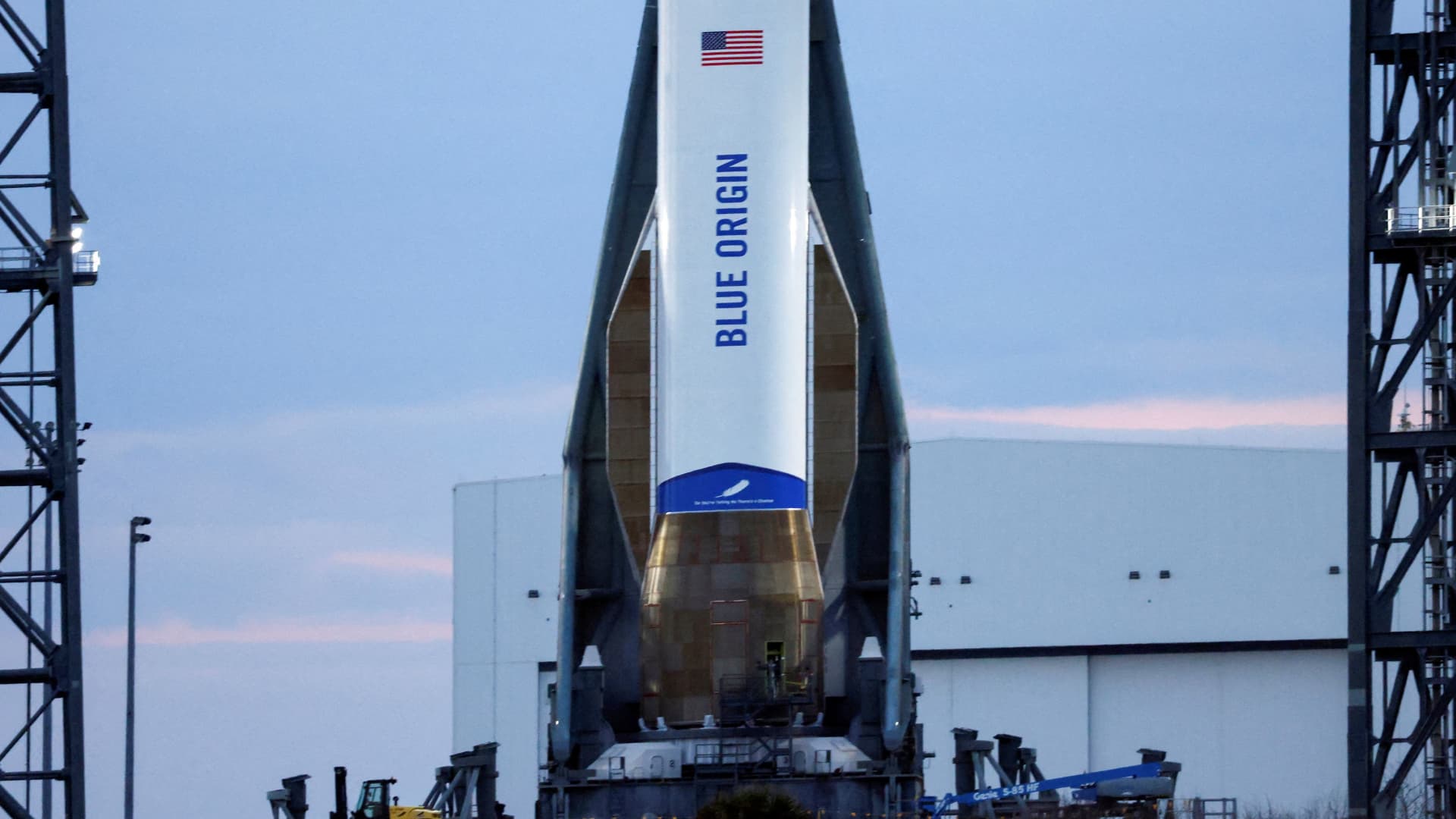
- Amazon Satellite Plans Hit Snag: Amazon's Blue Origin experienced a rocket explosion during a launch test in Florida, with no satellites on board; however, this incident could delay the deployment of Amazon's planned low-Earth orbit broadband satellite network, impacting its competition with SpaceX's Starlink.
- Investor Focus: Amazon has deployed approximately 240 satellites over the past year, and while partnerships with multiple launch providers mitigate the risk of a single launch failure, potential delays in future launches could complicate the timeline for its commercial service, expected to start in Q3.
- M&A Update: An FCC filing revealed details of Amazon's acquisition of Globalstar, including the transfer of Apple's 20% stake, marking a significant step in Amazon's strategy to expand its satellite offerings into direct-to-device services.
See More
Costco Membership Growth Weakens, Stock Drops


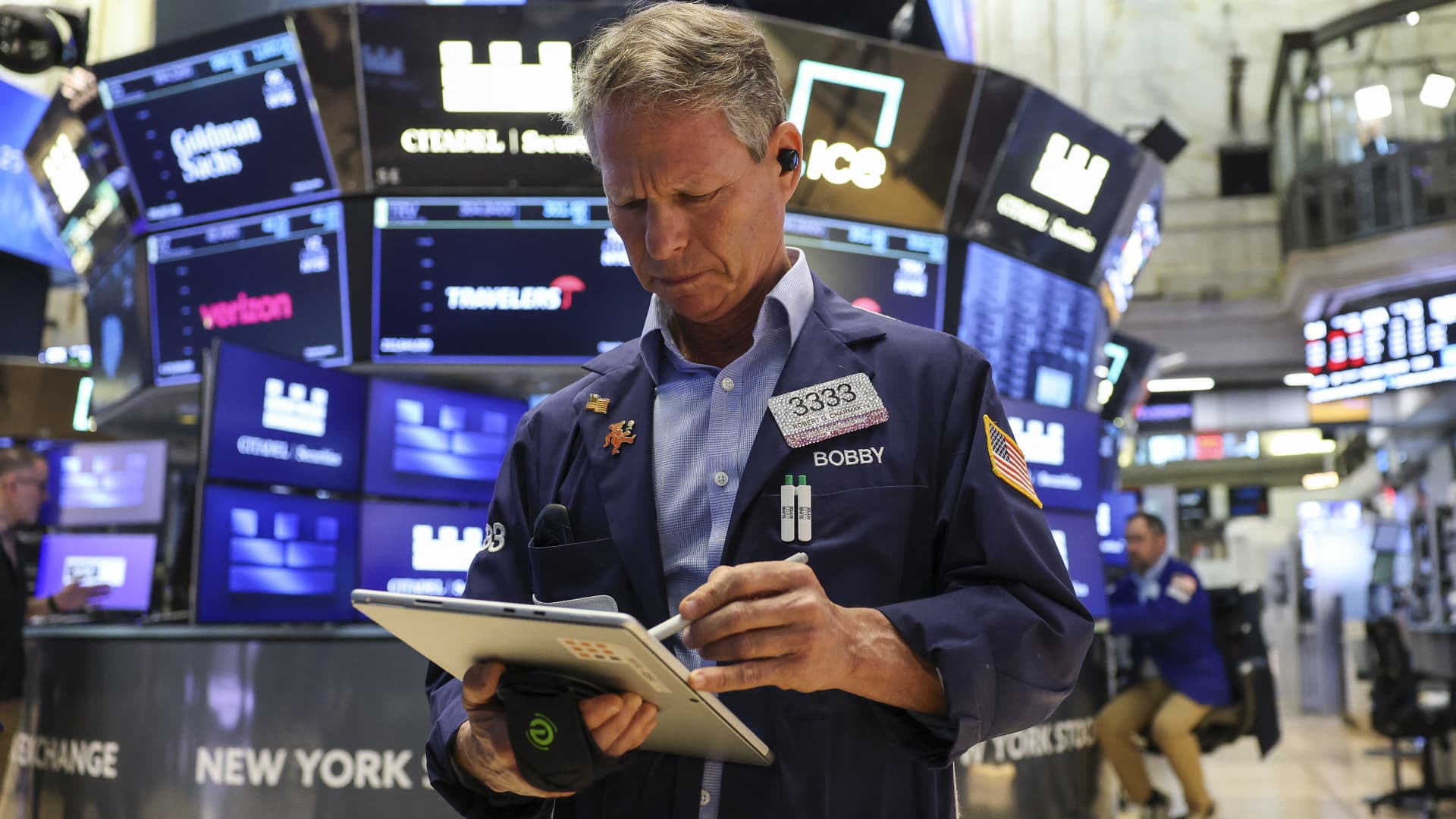
- Costco Stock Decline: Costco's shares fell 4.5% on Friday due to weaker-than-expected membership growth in its quarterly report, leading to investor concerns about the company's growth trajectory, with Jim noting management's failure to reassure the market.
- Dell Stock Surge: Dell Technologies' stock surged 30% on Friday, marking its best single-day performance ever, driven by strong demand for AI servers and data center infrastructure, which also bolstered Jim's bullish outlook on Nvidia.
- Cybersecurity Earnings Outlook: CrowdStrike and Palo Alto Networks are set to report earnings next week, with Jim highlighting that both stocks have rallied significantly during the quarter, although they face challenges heading into earnings, he remains optimistic about their long-term prospects.
- Rapid Fire Recap: At the end of the video, Jim covered stocks like Applied Materials, Honeywell, and FedEx, emphasizing their market performance and showcasing his focus on a diversified investment portfolio.
See More

US-Iran Conflict Escalates, Oil Prices Surge Amid Economic Uncertainty


- Escalation of US-Iran Conflict: Following weeks of paused action, the US and Iran have resumed airstrikes, complicating hopes for a permanent resolution to the conflict, which is impacting global oil supplies and market sentiment.
- Strong Stock Market Performance: Despite rising geopolitical tensions, both the S&P 500 and Nasdaq Composite closed at record highs, primarily driven by a surge in AI-related stocks, indicating strong market confidence in the technology sector.
- Oil Price Warning: ExxonMobil has warned that oil inventories are on track to reach dangerously low levels in the coming weeks, forcing prices to spike and curbing demand, reflecting market concerns over energy supply.
- Wealthy Investors Pulling Out: According to the UBS Global Family Office Report, 60% of family offices plan to adjust their investment allocations in the next year, with many reducing US holdings and increasing exposure to emerging markets, highlighting a growing trend of 'de-dollarization'.
See More
Key Wall Street Ratings Updates for Thursday


- Tesla Robotaxi Expansion: Morgan Stanley reiterates Tesla as equal weight, noting survey checks indicate increased hiring of 'AI Safety Operators' in northern metro areas, suggesting Tesla is gearing up for robotaxi operations expansion, which could enhance future revenues.
- National Health Properties Outlook: Citizens initiates coverage of National Health Properties as outperform, believing the REIT is enhancing organic growth by increasing exposure to Senior Housing Operating Properties, indicating confidence in the senior living market.
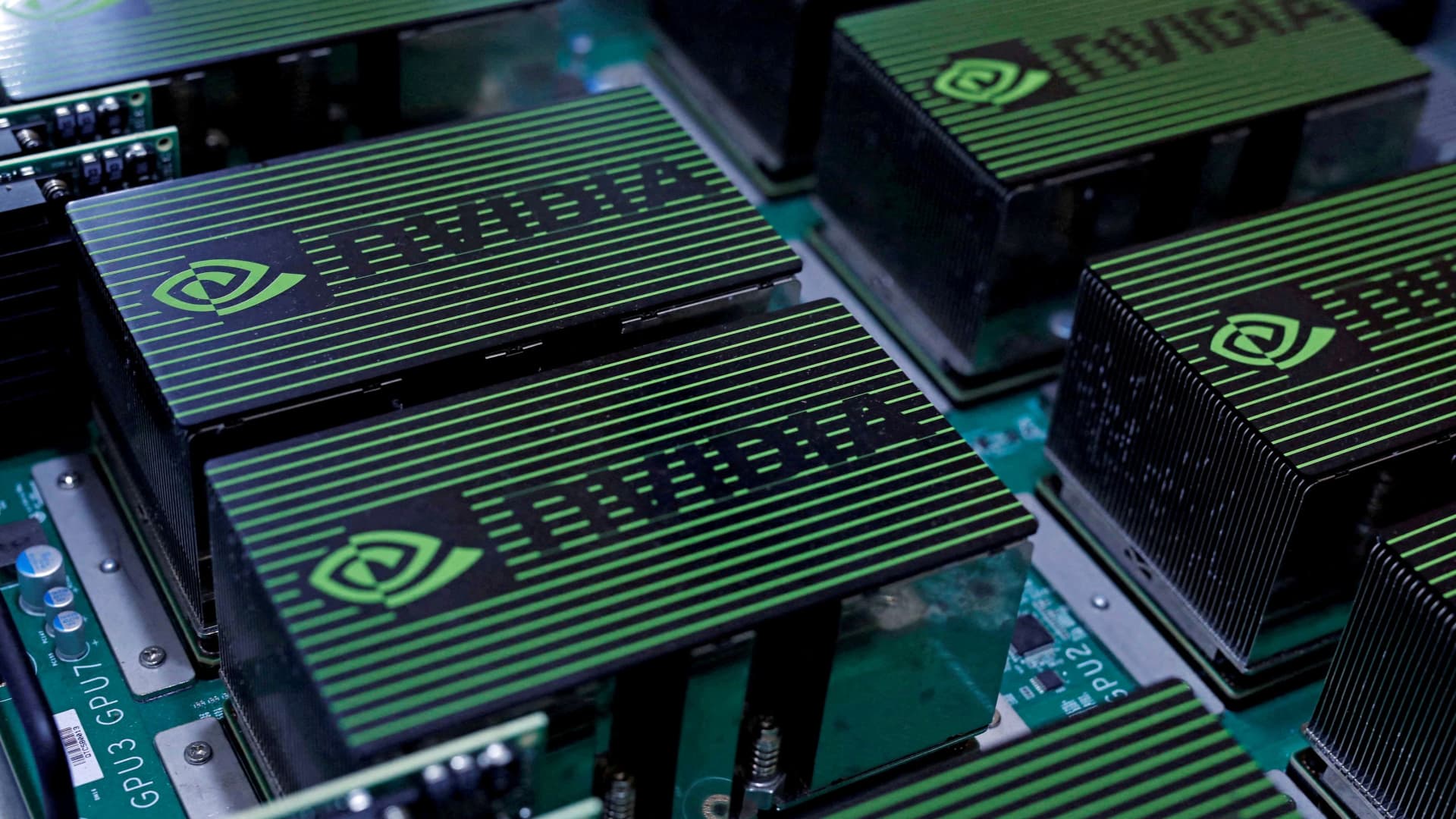
- Nvidia Data Center Potential: Bernstein reiterates Nvidia as outperform, highlighting the enormous and still early datacenter opportunity, which is expected to provide significant upside, reflecting optimism in tech stocks.
- Quanta Services Rating Upgrade: Oppenheimer upgrades Quanta Services from perform to outperform with an $800 price target, indicating strong growth potential in the coming years, particularly in adjusted EBITDA expectations.
See More
FedEx Freight to Join S&P 500 and Dow Transportation Average
- Fast Track Index Inclusion: FedEx Freight is set to join both the S&P 500 and the Dow Jones Transportation Average in early June, replacing EPAM Systems, marking one of the fastest index inclusions for a newly independent firm and highlighting its scale within the North American trucking industry.
- Separation Plan Advances: The FedEx board has formally approved the spin-off of its freight division, which is scheduled to begin trading on the NYSE on June 1, allowing shareholders to receive shares in the new company, potentially enhancing shareholder value significantly.
- Analyst Rating Upgrade: JPMorgan upgraded FedEx's rating from “Neutral” to “Overweight” and raised its price target from $432 to $460, indicating that the current stock setup offers a favorable risk-reward balance as operational changes gain traction.
- Retail Investor Sentiment Shift: On Stocktwits, retail sentiment around FedEx shifted from ‘neutral’ to ‘bullish’, with users noting that the spin-off will allow the company to focus on its
See More
Earnings Reports and Tech Conferences This Week
- Earnings Reports: This week, Palo Alto Networks, CrowdStrike, and Broadcom are set to report earnings, with Palo Alto expected to post $0.80 per share on $2.94 billion in revenue, while CrowdStrike is projected to report $1.07 per share on $1.36 billion, highlighting strong market interest in cybersecurity.
- AI-Driven Market Rebound: As AI technology becomes more prevalent, both Palo Alto and CrowdStrike have seen their stock prices rebound to all-time highs, and despite facing high valuation pressures, market expectations for their future performance remain optimistic, making management's outlook a key focus for investors.
- Tech Conference Highlights: Nvidia, Arm, and Microsoft will discuss AI-related topics at tech conferences this week, with Nvidia CEO Jensen Huang scheduled to deliver a keynote on Monday, where he is expected to unveil a new product, potentially personal computers powered by its GPUs, further boosting its market share.
- Labor Market Data: The JOLTS report will be released this week, with expectations of 120,000 new private sector jobs added in May and an unemployment rate holding steady at 4.3%, reflecting economic resilience, and investors will closely monitor these figures for their potential impact on inflation and monetary policy.
See More
Market Update: Stocks Steady Amid Oil Price Drop
- Market Performance Review: Despite falling oil prices, the S&P 500 and Nasdaq Composite remained steady in Friday's trading, with the S&P 500 up 5% and Nasdaq over 8% in May, reflecting the positive impact of a strong rally in AI stocks on the market.
- Amazon Satellite Plans Hit Snag: Amazon's Blue Origin experienced a rocket explosion during a launch test in Florida, with no satellites on board; however, this incident could delay the deployment of Amazon's planned low-Earth orbit broadband satellite network, impacting its competition with SpaceX's Starlink.
- Investor Focus: Amazon has deployed approximately 240 satellites over the past year, and while partnerships with multiple launch providers mitigate the risk of a single launch failure, potential delays in future launches could complicate the timeline for its commercial service, expected to start in Q3.
- M&A Update: An FCC filing revealed details of Amazon's acquisition of Globalstar, including the transfer of Apple's 20% stake, marking a significant step in Amazon's strategy to expand its satellite offerings into direct-to-device services.
See More
Costco Membership Growth Weakens, Stock Drops
- Costco Stock Decline: Costco's shares fell 4.5% on Friday due to weaker-than-expected membership growth in its quarterly report, leading to investor concerns about the company's growth trajectory, with Jim noting management's failure to reassure the market.
- Dell Stock Surge: Dell Technologies' stock surged 30% on Friday, marking its best single-day performance ever, driven by strong demand for AI servers and data center infrastructure, which also bolstered Jim's bullish outlook on Nvidia.
- Cybersecurity Earnings Outlook: CrowdStrike and Palo Alto Networks are set to report earnings next week, with Jim highlighting that both stocks have rallied significantly during the quarter, although they face challenges heading into earnings, he remains optimistic about their long-term prospects.
- Rapid Fire Recap: At the end of the video, Jim covered stocks like Applied Materials, Honeywell, and FedEx, emphasizing their market performance and showcasing his focus on a diversified investment portfolio.
See More
US-Iran Conflict Escalates, Oil Prices Surge Amid Economic Uncertainty
- Escalation of US-Iran Conflict: Following weeks of paused action, the US and Iran have resumed airstrikes, complicating hopes for a permanent resolution to the conflict, which is impacting global oil supplies and market sentiment.
- Strong Stock Market Performance: Despite rising geopolitical tensions, both the S&P 500 and Nasdaq Composite closed at record highs, primarily driven by a surge in AI-related stocks, indicating strong market confidence in the technology sector.
- Oil Price Warning: ExxonMobil has warned that oil inventories are on track to reach dangerously low levels in the coming weeks, forcing prices to spike and curbing demand, reflecting market concerns over energy supply.
- Wealthy Investors Pulling Out: According to the UBS Global Family Office Report, 60% of family offices plan to adjust their investment allocations in the next year, with many reducing US holdings and increasing exposure to emerging markets, highlighting a growing trend of 'de-dollarization'.
See More
Key Wall Street Ratings Updates for Thursday
- Tesla Robotaxi Expansion: Morgan Stanley reiterates Tesla as equal weight, noting survey checks indicate increased hiring of 'AI Safety Operators' in northern metro areas, suggesting Tesla is gearing up for robotaxi operations expansion, which could enhance future revenues.
- National Health Properties Outlook: Citizens initiates coverage of National Health Properties as outperform, believing the REIT is enhancing organic growth by increasing exposure to Senior Housing Operating Properties, indicating confidence in the senior living market.
- Nvidia Data Center Potential: Bernstein reiterates Nvidia as outperform, highlighting the enormous and still early datacenter opportunity, which is expected to provide significant upside, reflecting optimism in tech stocks.
- Quanta Services Rating Upgrade: Oppenheimer upgrades Quanta Services from perform to outperform with an $800 price target, indicating strong growth potential in the coming years, particularly in adjusted EBITDA expectations.
See More
FedEx Freight to Join S&P 500 and Dow Transportation Average
- Fast Track Index Inclusion: FedEx Freight is set to join both the S&P 500 and the Dow Jones Transportation Average in early June, replacing EPAM Systems, marking one of the fastest index inclusions for a newly independent firm and highlighting its scale within the North American trucking industry.
- Separation Plan Advances: The FedEx board has formally approved the spin-off of its freight division, which is scheduled to begin trading on the NYSE on June 1, allowing shareholders to receive shares in the new company, potentially enhancing shareholder value significantly.
- Analyst Rating Upgrade: JPMorgan upgraded FedEx's rating from “Neutral” to “Overweight” and raised its price target from $432 to $460, indicating that the current stock setup offers a favorable risk-reward balance as operational changes gain traction.
- Retail Investor Sentiment Shift: On Stocktwits, retail sentiment around FedEx shifted from ‘neutral’ to ‘bullish’, with users noting that the spin-off will allow the company to focus on its
See More