

Oil Prices Surge Amid Iran-Israel Escalation
Israel-Iran Conflict and Market Impact
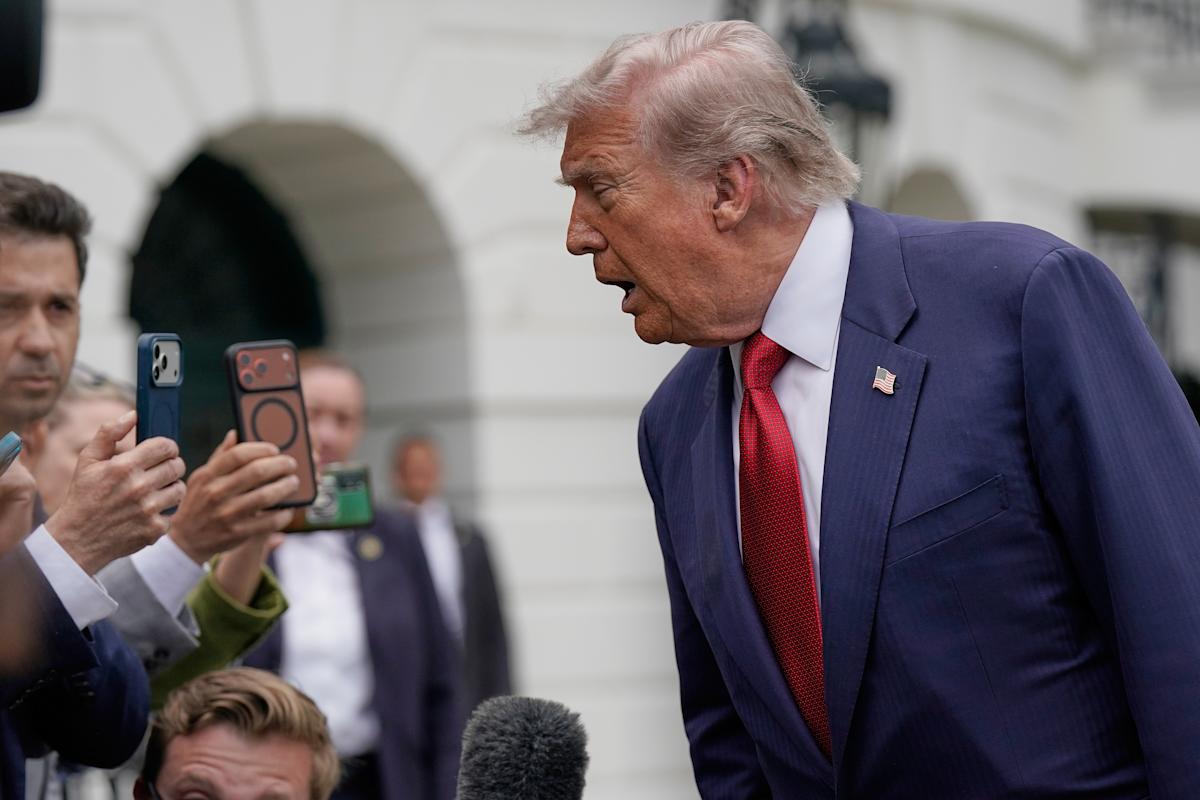
Israeli airstrikes on Iran's nuclear facilities have escalated tensions in the Middle East, with reports suggesting the death of Iranian Supreme Leader Ayatollah Ali Khamenei. The strikes, launched early Saturday, were described by U.S. President Donald Trump as part of a broader effort to dismantle Iran's nuclear program and destabilize its regime. This provoked immediate retaliation from Iran, which targeted military and energy infrastructure in Gulf states like Bahrain and the UAE. These developments have raised concerns about a wider regional conflict, particularly given the potential impact on global oil markets. Iran’s actions, including missile strikes near strategic energy hubs, have already heightened fears of prolonged instability in the region.
Oil Market Reactions and Future Projections
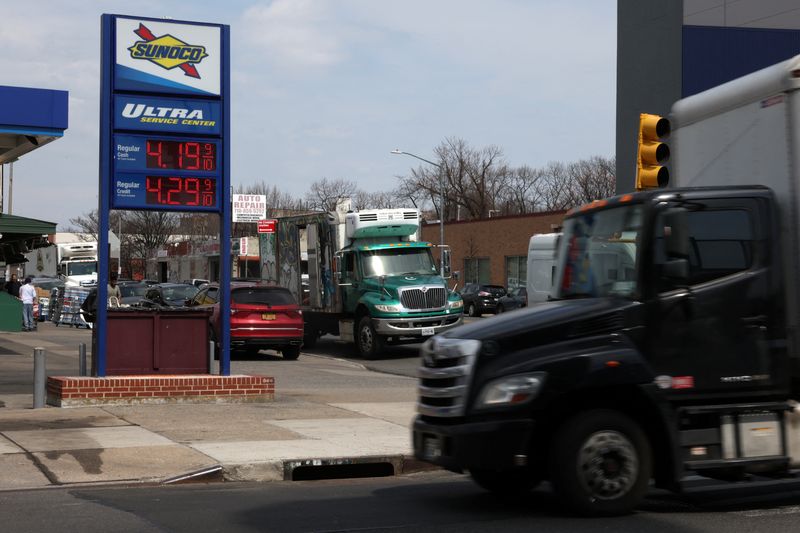
Oil prices reacted sharply to the escalating conflict, with Brent crude closing at $72.80 per barrel, up 2.9%, and West Texas Intermediate (WTI) crude closing at $67, a 2.8% increase. Analysts warn that prices could surge further by $10 to $20 per barrel depending on Iran's retaliatory measures and the extent of disruptions to energy infrastructure. Jorge León of Rystad Energy noted that Iran’s response in the next 24–72 hours, particularly targeting energy assets or shipping routes, will be critical in shaping short-term oil market dynamics. Past conflicts involving Iran have led to price spikes, and the current situation could result in prolonged volatility if tensions persist.
Geopolitical Risks to the Strait of Hormuz
The Strait of Hormuz, a vital chokepoint through which approximately 20% of the world's oil supply flows, remains a focal point of concern. Iran, which largely controls the strait, has threatened to disrupt shipping in the area. In response to the heightened risks, major oil companies and trading houses have suspended shipments through the strait, further straining global oil supplies. Analysts suggest that while a complete closure of the waterway by Iran is unlikely, attacks on oil tankers or the laying of mines could significantly disrupt shipping and drive up insurance and shipping costs. These risks underscore the critical role of the Strait of Hormuz in global energy security and the broader implications of the ongoing conflict for oil markets.
 Sources


About the author






- strikes Iran oil prices jump $10 $20 deescalation
 yahoo
yahoo - Khamenei Killed Israeli Strike Compound
 benzinga
 - strikes Iran oil prices jump $10 $20 deescalation, Trump says Khamenei deadyahoo
- Iran's Supreme Leader Ayatollah Ali Khamenei Killed, State Media Confirmsbenzinga