Eli Lilly's Dominance in the Weight Loss Market
Written by Emily J. Thompson, Senior Investment Analyst
Updated: 2 hours ago
0mins
Should l Buy LLY?
Source: Fool
- Market Growth Potential: Analysts project significant growth in the weight loss drug market over the coming years, with Eli Lilly's Zepbound positioned as a market leader, potentially driving strong sales growth for the company.
- Increased Competitive Pressure: Despite Eli Lilly's leading position in the weight loss market, it is expected to face competition from companies like Novo Nordisk, which could erode its market share and impact future profitability.
- New Drug Development Potential: Eli Lilly's new drug retatrutide demonstrated an average weight loss of 28.7% in a 68-week phase 3 study, significantly outperforming Zepbound's 20.2%, indicating substantial potential in weight management therapies.
- Diversified Strategic Approach: Eli Lilly plans to launch various weight loss medications targeting different patient demographics, including the newly approved oral drug Foundayo, aimed at meeting diverse patient needs and solidifying its market leadership.
Trade with 70% Backtested Accuracy
Stop guessing "Should I Buy LLY?" and start using high-conviction signals backed by rigorous historical data.
Sign up today to access powerful investing tools and make smarter, data-driven decisions.
Analyst Views on LLY
Wall Street analysts forecast LLY stock price to rise
20 Analyst Rating
18 Buy
2 Hold
0 Sell
Strong Buy
Current: 955.190

Low
950.00
Averages
1192
High
1500
Current: 955.190
Low
950.00
Averages
1192
High
1500
About LLY
Eli Lilly and Company is a medicine company, which discovers, develops, manufactures, and market products in a single business segment called human pharmaceutical products. The Company manufacture and distribute its products through facilities in the United States, including Puerto Rico, and in Europe and Asia. The Company’s products are sold in approximately 90 countries. Its Cardiometabolic Health products Basaglar; Humalog, Humalog Mix 75/25, Humalog U-100, Humalog U-200, Humalog Mix 50/50, insulin lispro, and others; Humulin, Humulin 70/30, and others; Jardiance; Mounjaro; Trulicity; Zepbound, and others. Its oncology products include Cyramza, Erbitux, Tyvyt, Verzenio, Retevmo, Jaypirca, and others. Its immunology products include Ebglyss, Olumiant, Omvoh, and Taltz. Its neuroscience products include Emgality and Kisunla. Its LillyDirect, a direct-to-patient digital health care platform, provides delivery of select Lilly medicines dispensed by third-party pharmacies to patients.
About the author

Emily J. Thompson
Emily J. Thompson, a Chartered Financial Analyst (CFA) with 12 years in investment research, graduated with honors from the Wharton School. Specializing in industrial and technology stocks, she provides in-depth analysis for Intellectia’s earnings and market brief reports.

Eli Lilly Builds Weight Loss Empire

- Market Leadership: Eli Lilly's weight loss drug Zepbound currently leads the market, and analysts project significant growth in this area over the coming years, potentially providing a strong tailwind for the company.
- New Drug Potential: Eli Lilly's new drug retatrutide demonstrated a mean weight loss of 28.7% in a 68-week phase 3 study, significantly outperforming Zepbound's 20.2%, indicating a substantial competitive edge in the weight loss market.
- Market Size Estimate: Approximately 22 million U.S. adults suffer from severe obesity, and assuming a 30% penetration rate for retatrutide, the market potential could reach $66 billion, highlighting a massive business opportunity.
- Product Portfolio Strategy: Eli Lilly plans to launch various weight loss medications targeting different market niches, including the newly approved oral GLP-1 drug Foundayo, aiming to meet diverse patient needs and solidify its leadership in the weight loss market.
See More

Eli Lilly's Dominance in the Weight Loss Market
- Market Growth Potential: Analysts project significant growth in the weight loss drug market over the coming years, with Eli Lilly's Zepbound positioned as a market leader, potentially driving strong sales growth for the company.
- Increased Competitive Pressure: Despite Eli Lilly's leading position in the weight loss market, it is expected to face competition from companies like Novo Nordisk, which could erode its market share and impact future profitability.
- New Drug Development Potential: Eli Lilly's new drug retatrutide demonstrated an average weight loss of 28.7% in a 68-week phase 3 study, significantly outperforming Zepbound's 20.2%, indicating substantial potential in weight management therapies.
- Diversified Strategic Approach: Eli Lilly plans to launch various weight loss medications targeting different patient demographics, including the newly approved oral drug Foundayo, aimed at meeting diverse patient needs and solidifying its market leadership.
See More

Eli Lilly's Dominance in Weight Loss Market Solidified
- Market Leadership: Eli Lilly currently leads the weight loss market with Zepbound, and is expected to benefit from significant growth in this area over the coming years, potentially delivering strong returns for the company.
- New Drug Potential: The new drug retatrutide demonstrated a mean weight loss of 28.7% in a 68-week phase 3 study, significantly outperforming Zepbound's 20.2%, indicating its potential advantage in weight loss therapies.
- Market Opportunity: Approximately 22 million U.S. adults suffer from severe obesity, and with an assumed 30% penetration rate, retatrutide's market potential could reach $66 billion, with Eli Lilly aiming for a 20% to 30% market share in this niche.
- Product Portfolio Strategy: Eli Lilly plans to launch various weight loss medications targeting different market segments, including the newly approved oral drug Foundayo, which caters to patients preferring non-injection options, thereby solidifying its market leadership.
See More
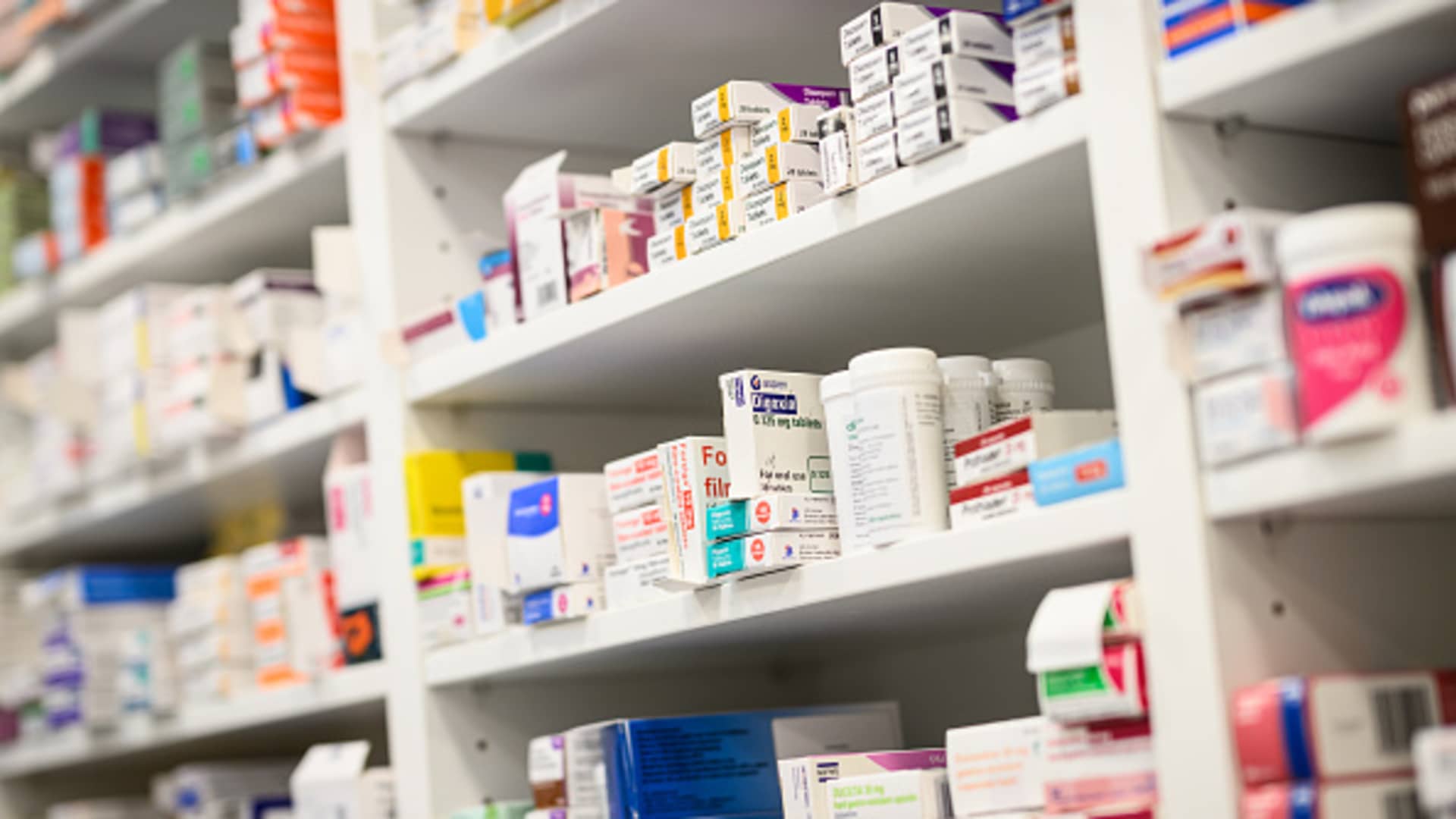
European Pharma Industry Faces Competitive Pressures


- Increased Market Competition: The European pharmaceutical industry is facing significant competitive pressures due to President Trump's drug pricing policies and the rise of China's biotech sector, leading to a shift in investments and impacting new drug launches.
- R&D Investment Shift: In 1990, Europe accounted for nearly half of global R&D, but this has plummeted to 26% today, while the U.S. share has risen to 55%, indicating a decline in Europe's position in global pharmaceutical innovation.
- Significant Policy Impact: The U.S. has imposed tariffs of up to 100% on branded drugs, which, while limited in immediate impact on companies without pricing agreements, adds to the competitive pressure on Europe's pharmaceutical sector, necessitating improvements in market conditions.
- Industry Calls for Reform: The European pharmaceutical industry urgently needs to increase investment in new medicines and improve the regulatory environment to avoid losing market share, with the EFPIA warning that without action, Europe could face a larger trade deficit.
See More

Europe's Pharmaceutical Market Share Declines Amid U.S. and China Competition
- Dramatic Market Share Decline: Over the past 35 years, Europe's share of global R&D has plummeted from nearly 50% to 26%, while the U.S. share has surged to 55%, indicating a significant decline in Europe's competitiveness in the pharmaceutical sector, compelling companies to shift investments towards the U.S. and China.
- Significant Policy Impact: The U.S. has imposed new tariffs of up to 100% on branded drugs, which, while limited in immediate impact on companies without price agreements, intensifies competitive pressure on Europe's pharmaceutical industry, prompting firms to reassess their investments in Europe.
- Shift in Innovation Centers: China has emerged as a biotech innovation hub, with global pharmaceutical companies increasingly looking to the country for R&D; a decade ago, Chinese-developed molecules accounted for just 4% of the global pipeline, but now they represent nearly a third, showcasing China's growing advantage in biopharma.
- Industry Calls for Change: The European pharmaceutical sector faces a risk of an €88 billion trade shortfall, prompting industry experts to advocate for increased investment in new medicines and improved regulatory environments to maintain competitiveness and ensure faster patient access to drugs.
See More

TSMC Reports Record Q1 Revenue Driven by AI Demand


- Significant Revenue Growth: TSMC reported a record first-quarter revenue of $35.6 billion, reflecting a 35% year-on-year increase that surpassed analyst expectations, showcasing the company's robust performance in the global semiconductor market, particularly driven by AI demand.
- Margin Expectations Rise: Analysts project that TSMC's gross margins could reach an astonishing 64% when full earnings are released on April 16, further solidifying its leadership in high-end chip manufacturing and boosting investor confidence.
- Intensifying Market Competition: As tech giants like Alphabet and Arm pivot to designing custom internal silicon, TSMC's unique manufacturing capabilities position it as a critical partner for these companies, ensuring its competitive edge in an increasingly crowded market.
- Optimistic Future Outlook: Market attention now shifts to ASML's upcoming earnings report, as the Dutch lithography giant provides essential machinery for TSMC to maintain its lead over rivals, making its performance crucial for TSMC's future growth potential.
See More
Eli Lilly Builds Weight Loss Empire
- Market Leadership: Eli Lilly's weight loss drug Zepbound currently leads the market, and analysts project significant growth in this area over the coming years, potentially providing a strong tailwind for the company.
- New Drug Potential: Eli Lilly's new drug retatrutide demonstrated a mean weight loss of 28.7% in a 68-week phase 3 study, significantly outperforming Zepbound's 20.2%, indicating a substantial competitive edge in the weight loss market.
- Market Size Estimate: Approximately 22 million U.S. adults suffer from severe obesity, and assuming a 30% penetration rate for retatrutide, the market potential could reach $66 billion, highlighting a massive business opportunity.
- Product Portfolio Strategy: Eli Lilly plans to launch various weight loss medications targeting different market niches, including the newly approved oral GLP-1 drug Foundayo, aiming to meet diverse patient needs and solidify its leadership in the weight loss market.
See More
Eli Lilly's Dominance in the Weight Loss Market
- Market Growth Potential: Analysts project significant growth in the weight loss drug market over the coming years, with Eli Lilly's Zepbound positioned as a market leader, potentially driving strong sales growth for the company.
- Increased Competitive Pressure: Despite Eli Lilly's leading position in the weight loss market, it is expected to face competition from companies like Novo Nordisk, which could erode its market share and impact future profitability.
- New Drug Development Potential: Eli Lilly's new drug retatrutide demonstrated an average weight loss of 28.7% in a 68-week phase 3 study, significantly outperforming Zepbound's 20.2%, indicating substantial potential in weight management therapies.
- Diversified Strategic Approach: Eli Lilly plans to launch various weight loss medications targeting different patient demographics, including the newly approved oral drug Foundayo, aimed at meeting diverse patient needs and solidifying its market leadership.
See More
Eli Lilly's Dominance in Weight Loss Market Solidified
- Market Leadership: Eli Lilly currently leads the weight loss market with Zepbound, and is expected to benefit from significant growth in this area over the coming years, potentially delivering strong returns for the company.
- New Drug Potential: The new drug retatrutide demonstrated a mean weight loss of 28.7% in a 68-week phase 3 study, significantly outperforming Zepbound's 20.2%, indicating its potential advantage in weight loss therapies.
- Market Opportunity: Approximately 22 million U.S. adults suffer from severe obesity, and with an assumed 30% penetration rate, retatrutide's market potential could reach $66 billion, with Eli Lilly aiming for a 20% to 30% market share in this niche.
- Product Portfolio Strategy: Eli Lilly plans to launch various weight loss medications targeting different market segments, including the newly approved oral drug Foundayo, which caters to patients preferring non-injection options, thereby solidifying its market leadership.
See More
European Pharma Industry Faces Competitive Pressures
- Increased Market Competition: The European pharmaceutical industry is facing significant competitive pressures due to President Trump's drug pricing policies and the rise of China's biotech sector, leading to a shift in investments and impacting new drug launches.
- R&D Investment Shift: In 1990, Europe accounted for nearly half of global R&D, but this has plummeted to 26% today, while the U.S. share has risen to 55%, indicating a decline in Europe's position in global pharmaceutical innovation.
- Significant Policy Impact: The U.S. has imposed tariffs of up to 100% on branded drugs, which, while limited in immediate impact on companies without pricing agreements, adds to the competitive pressure on Europe's pharmaceutical sector, necessitating improvements in market conditions.
- Industry Calls for Reform: The European pharmaceutical industry urgently needs to increase investment in new medicines and improve the regulatory environment to avoid losing market share, with the EFPIA warning that without action, Europe could face a larger trade deficit.
See More
Europe's Pharmaceutical Market Share Declines Amid U.S. and China Competition
- Dramatic Market Share Decline: Over the past 35 years, Europe's share of global R&D has plummeted from nearly 50% to 26%, while the U.S. share has surged to 55%, indicating a significant decline in Europe's competitiveness in the pharmaceutical sector, compelling companies to shift investments towards the U.S. and China.
- Significant Policy Impact: The U.S. has imposed new tariffs of up to 100% on branded drugs, which, while limited in immediate impact on companies without price agreements, intensifies competitive pressure on Europe's pharmaceutical industry, prompting firms to reassess their investments in Europe.
- Shift in Innovation Centers: China has emerged as a biotech innovation hub, with global pharmaceutical companies increasingly looking to the country for R&D; a decade ago, Chinese-developed molecules accounted for just 4% of the global pipeline, but now they represent nearly a third, showcasing China's growing advantage in biopharma.
- Industry Calls for Change: The European pharmaceutical sector faces a risk of an €88 billion trade shortfall, prompting industry experts to advocate for increased investment in new medicines and improved regulatory environments to maintain competitiveness and ensure faster patient access to drugs.
See More
TSMC Reports Record Q1 Revenue Driven by AI Demand
- Significant Revenue Growth: TSMC reported a record first-quarter revenue of $35.6 billion, reflecting a 35% year-on-year increase that surpassed analyst expectations, showcasing the company's robust performance in the global semiconductor market, particularly driven by AI demand.
- Margin Expectations Rise: Analysts project that TSMC's gross margins could reach an astonishing 64% when full earnings are released on April 16, further solidifying its leadership in high-end chip manufacturing and boosting investor confidence.
- Intensifying Market Competition: As tech giants like Alphabet and Arm pivot to designing custom internal silicon, TSMC's unique manufacturing capabilities position it as a critical partner for these companies, ensuring its competitive edge in an increasingly crowded market.
- Optimistic Future Outlook: Market attention now shifts to ASML's upcoming earnings report, as the Dutch lithography giant provides essential machinery for TSMC to maintain its lead over rivals, making its performance crucial for TSMC's future growth potential.
See More