Dutch Activist Group Sues Shell to Halt New Oil and Gas Projects
Written by Emily J. Thompson, Senior Investment Analyst
Updated: 3 hours ago
0mins
Should l Buy SHEL?
Source: seekingalpha
- Lawsuit Initiated: The Dutch activist group Friends of the Earth filed a new lawsuit against Shell (SHEL) on Tuesday, seeking to prohibit the company from developing any new oil and gas projects to protect the public from climate disruption.
- Shell's Rebuttal: Shell described the case as 'unreasonable,' arguing that halting operations would merely shift fossil fuel production to other companies, failing to address the global economy's reliance on fossil fuels.
- Historical Ruling Impact: In 2024, the Court of Appeal of The Hague ruled in favor of Shell in a landmark climate case, overturning a lower court's order for the company to significantly reduce its greenhouse gas emissions, indicating a supportive legal environment for Shell.
- Future Sales Targets: Shell informed investors last year of its goal to achieve a 4%-5% annual increase in liquefied natural gas sales over the next five years, despite scaling back its renewable energy operations, highlighting the company's ongoing reliance on traditional energy sources.
Trade with 70% Backtested Accuracy
Stop guessing "Should I Buy SHEL?" and start using high-conviction signals backed by rigorous historical data.
Sign up today to access powerful investing tools and make smarter, data-driven decisions.
Analyst Views on SHEL
Wall Street analysts forecast SHEL stock price to fall
10 Analyst Rating
5 Buy
5 Hold
0 Sell
Moderate Buy
Current: 88.000

Low
41.75
Averages
74.27
High
91.00
Current: 88.000
Low
41.75
Averages
74.27
High
91.00
About SHEL
Shell plc is an international energy company engaged in the principal aspects of the energy and petrochemical industries. The Company's segments include Integrated Gas, Upstream, Marketing, Chemicals and Products, Renewables and Energy Solutions, and Corporate. The Integrated Gas segment includes liquefied natural gas (LNG), conversion of natural gas into gas-to-liquids (GTL) fuels and other products. It includes natural gas and liquids exploration and extraction, and the operation of the upstream and midstream infrastructure. The Upstream segment includes exploration and extraction of crude oil, natural gas and natural gas liquids. It also markets and transports oil and gas and operates the infrastructure necessary to deliver them to the market. The Marketing segment comprises the Mobility, Lubricants, and Sectors & Decarbonization businesses. The Chemicals and Products segment includes chemicals manufacturing plants with their own marketing network, and refineries.
About the author

Emily J. Thompson
Emily J. Thompson, a Chartered Financial Analyst (CFA) with 12 years in investment research, graduated with honors from the Wharton School. Specializing in industrial and technology stocks, she provides in-depth analysis for Intellectia’s earnings and market brief reports.
Dutch Activist Group Sues Shell to Halt New Oil and Gas Projects
- Lawsuit Initiated: The Dutch activist group Friends of the Earth filed a new lawsuit against Shell (SHEL) on Tuesday, seeking to prohibit the company from developing any new oil and gas projects to protect the public from climate disruption.
- Shell's Rebuttal: Shell described the case as 'unreasonable,' arguing that halting operations would merely shift fossil fuel production to other companies, failing to address the global economy's reliance on fossil fuels.
- Historical Ruling Impact: In 2024, the Court of Appeal of The Hague ruled in favor of Shell in a landmark climate case, overturning a lower court's order for the company to significantly reduce its greenhouse gas emissions, indicating a supportive legal environment for Shell.
- Future Sales Targets: Shell informed investors last year of its goal to achieve a 4%-5% annual increase in liquefied natural gas sales over the next five years, despite scaling back its renewable energy operations, highlighting the company's ongoing reliance on traditional energy sources.
See More
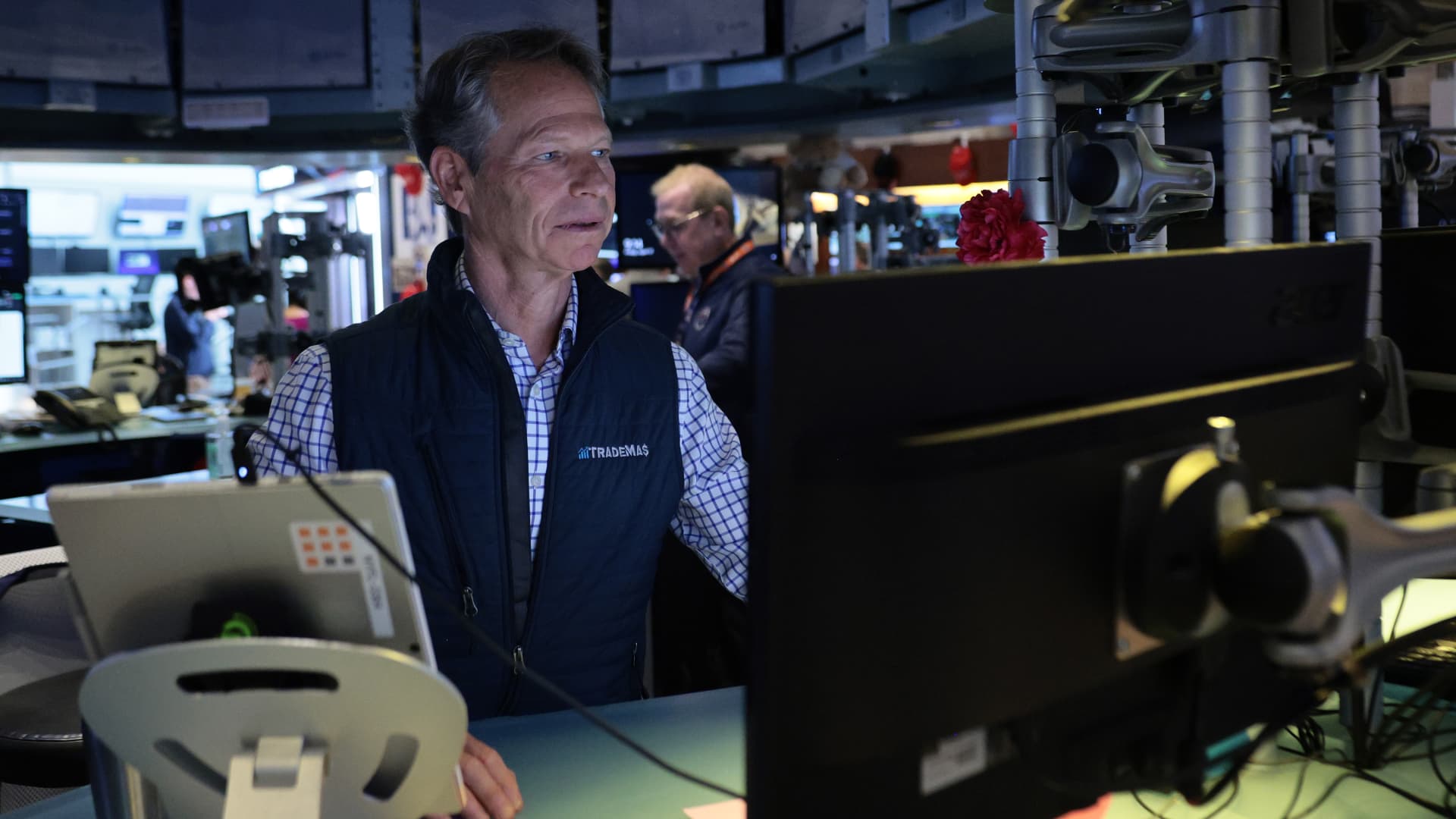
European Stocks Decline Amid Renewed U.S.-Iran Tensions
- Market Reaction: European stocks, represented by the pan-European Stoxx 600 index, fell over 1.1% by 9:30 a.m. London time due to renewed tensions between the U.S. and Iran, indicating heightened market sensitivity to geopolitical risks.
- Airline Stocks Plummet: The travel and leisure sector dropped 2.6%, with German airline Lufthansa down more than 4.2%, while London-listed EasyJet and TUI fell 3.4% and 3.5%, respectively, reflecting investor concerns about the airline industry's outlook amid escalating tensions.
- Energy Stocks Rise: In contrast, energy stocks advanced nearly 1.8%, led by Norwegian companies Equinor and Vår Energi, which surged 4.5% and 4.3%, respectively, indicating market optimism in the oil and gas sector amidst rising oil prices.
- Oil Price Fluctuations: Brent crude prices rose 6.1% to $95.86 per barrel, while U.S. West Texas Intermediate futures climbed 7.1% to $89.83, reflecting the market's keen attention to Middle Eastern developments and their impact on global oil prices.
See More

Global Markets Optimistic on US-Iran Conflict Resolution

- Energy Flow Disruption: The ongoing US-Iran conflict, now in its 45th day, has stalled energy flows through the Strait of Hormuz, impacting approximately 15 million barrels per day, which constitutes about 15% of total global liquids demand, posing a significant threat to industrial output and energy inflation in the Asia-Pacific region.
- Market Reaction: Brent crude prices initially surged to $120 per barrel but have recently retreated below $100, indicating that market participants are viewing the current supply gap as a short-term anomaly rather than a structural crisis, reflecting optimism for a diplomatic resolution.
- Logistical Challenges: Currently, no oil tankers are transiting the Strait of Hormuz, with over 750 vessels, including 138 laden oil tankers, stranded in the Arabian Gulf, and restarting these vital shipping lanes will require complex, non-punitive shipping protocols and revised insurance arrangements.
- Monitoring Recommendations: Bernstein warns that the market is underestimating the time-intensive logistical hurdles necessary to restore global supply equilibrium, and investors should closely monitor developments regarding international shipping insurance and transit agreements, as these will be critical indicators for when global energy markets can normalize.
See More

Shell plc Announces Share Buyback Program Details

- Share Buyback Volume: On April 17, 2026, Shell plc repurchased 856,258 shares at a highest price of £33.8750 and a lowest price of £31.7150, reflecting the company's confidence in its stock and aiming to enhance shareholder value.
- Diverse Trading Venues: The buyback occurred across multiple trading venues, including LSE, Chi-X, and BATS, ensuring liquidity and competitive pricing, thereby optimizing the cost of the repurchase.
- Background of Buyback Program: This share repurchase is part of the program announced on February 5, 2026, indicating the company's proactive measures to protect shareholder interests amid market volatility.
- Compliance Assurance: Shell's buyback program adheres to Chapter 9 of the UK Listing Rules and Market Abuse Regulation, ensuring all transactions comply with regulatory requirements, which enhances investor trust in corporate governance.
See More

Israel and Lebanon Reach Historic Ceasefire Agreement

- Historic Ceasefire Agreement: Israel and Lebanon have reached a 10-day ceasefire agreement in Washington, marking the first meaningful talks between the two nations since 1983, potentially paving the way for a broader peace agreement in the Middle East.
- Positive Market Reaction: Israel's central bank governor noted that markets are responding positively to the latest peace developments, with major markets holding near record highs, reflecting investor optimism for stability in the region despite ongoing geopolitical uncertainties.
- U.S. Diplomatic Efforts: President Trump plans to invite Israeli Prime Minister Netanyahu and Lebanese President Aoun for talks, further advancing the improvement of relations between the two countries and highlighting the U.S.'s active role in the Middle East peace process.
- Impact of Iranian Situation: Trump mentioned that the war in Iran is progressing well and is expected to end soon, a statement that could influence regional security dynamics and market reactions, prompting investors to monitor future military and diplomatic developments.
See More
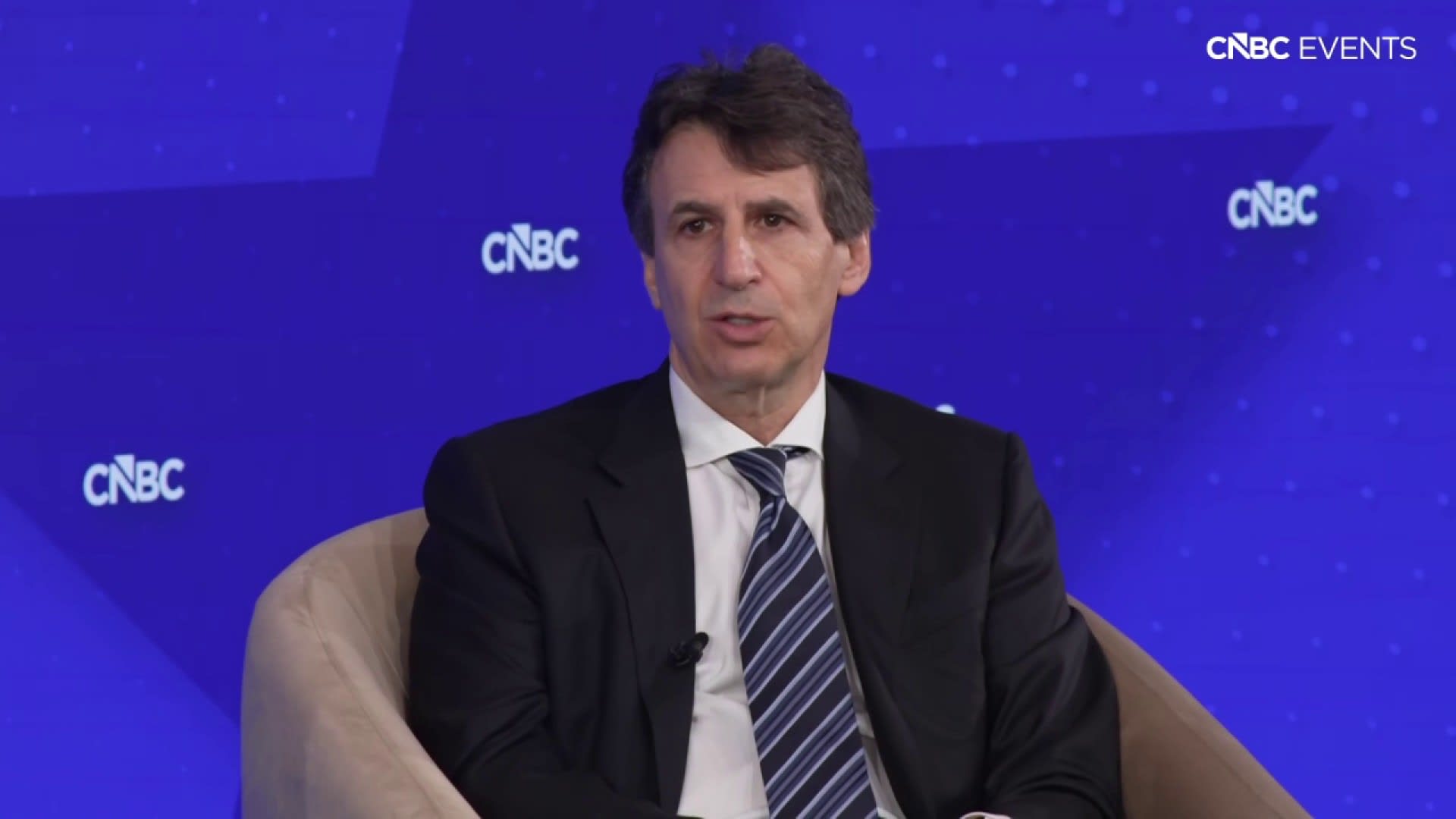
Apollo CEO Defends Private Credit Amid Market Scrutiny

- Redemption Policy: Apollo Global Management has set a 5% quarterly redemption limit in its private credit fund, despite other firms relaxing their limits, aiming to maintain liquidity and bolster investor confidence, even as it faces redemption requests representing 11% of its assets.
- Market Risk Assessment: CEO Marc Rowan stated that software sector valuations are generally overstated, particularly in the context of rapid AI advancements, emphasizing the need for investors to have a clear understanding of their holdings to avoid potential risks and losses.
- Investment Scale and Returns: Last year, Apollo originated $310 billion in new investments, with 80% being investment-grade financing, serving major clients like Intel, BP, and Shell, indicating a robust investment strategy in a high-risk market.
- Role of Tech Companies in Debt Market: Rowan noted that the influence of technology companies in the debt market will continue to grow, predicting that in the next five years, major issuers of investment-grade debt will be dominated by large tech firms and banks, reflecting significant structural changes in the market.
See More
Dutch Activist Group Sues Shell to Halt New Oil and Gas Projects
- Lawsuit Initiated: The Dutch activist group Friends of the Earth filed a new lawsuit against Shell (SHEL) on Tuesday, seeking to prohibit the company from developing any new oil and gas projects to protect the public from climate disruption.
- Shell's Rebuttal: Shell described the case as 'unreasonable,' arguing that halting operations would merely shift fossil fuel production to other companies, failing to address the global economy's reliance on fossil fuels.
- Historical Ruling Impact: In 2024, the Court of Appeal of The Hague ruled in favor of Shell in a landmark climate case, overturning a lower court's order for the company to significantly reduce its greenhouse gas emissions, indicating a supportive legal environment for Shell.
- Future Sales Targets: Shell informed investors last year of its goal to achieve a 4%-5% annual increase in liquefied natural gas sales over the next five years, despite scaling back its renewable energy operations, highlighting the company's ongoing reliance on traditional energy sources.
See More
European Stocks Decline Amid Renewed U.S.-Iran Tensions
- Market Reaction: European stocks, represented by the pan-European Stoxx 600 index, fell over 1.1% by 9:30 a.m. London time due to renewed tensions between the U.S. and Iran, indicating heightened market sensitivity to geopolitical risks.
- Airline Stocks Plummet: The travel and leisure sector dropped 2.6%, with German airline Lufthansa down more than 4.2%, while London-listed EasyJet and TUI fell 3.4% and 3.5%, respectively, reflecting investor concerns about the airline industry's outlook amid escalating tensions.
- Energy Stocks Rise: In contrast, energy stocks advanced nearly 1.8%, led by Norwegian companies Equinor and Vår Energi, which surged 4.5% and 4.3%, respectively, indicating market optimism in the oil and gas sector amidst rising oil prices.
- Oil Price Fluctuations: Brent crude prices rose 6.1% to $95.86 per barrel, while U.S. West Texas Intermediate futures climbed 7.1% to $89.83, reflecting the market's keen attention to Middle Eastern developments and their impact on global oil prices.
See More
Global Markets Optimistic on US-Iran Conflict Resolution
- Energy Flow Disruption: The ongoing US-Iran conflict, now in its 45th day, has stalled energy flows through the Strait of Hormuz, impacting approximately 15 million barrels per day, which constitutes about 15% of total global liquids demand, posing a significant threat to industrial output and energy inflation in the Asia-Pacific region.
- Market Reaction: Brent crude prices initially surged to $120 per barrel but have recently retreated below $100, indicating that market participants are viewing the current supply gap as a short-term anomaly rather than a structural crisis, reflecting optimism for a diplomatic resolution.
- Logistical Challenges: Currently, no oil tankers are transiting the Strait of Hormuz, with over 750 vessels, including 138 laden oil tankers, stranded in the Arabian Gulf, and restarting these vital shipping lanes will require complex, non-punitive shipping protocols and revised insurance arrangements.
- Monitoring Recommendations: Bernstein warns that the market is underestimating the time-intensive logistical hurdles necessary to restore global supply equilibrium, and investors should closely monitor developments regarding international shipping insurance and transit agreements, as these will be critical indicators for when global energy markets can normalize.
See More
Shell plc Announces Share Buyback Program Details
- Share Buyback Volume: On April 17, 2026, Shell plc repurchased 856,258 shares at a highest price of £33.8750 and a lowest price of £31.7150, reflecting the company's confidence in its stock and aiming to enhance shareholder value.
- Diverse Trading Venues: The buyback occurred across multiple trading venues, including LSE, Chi-X, and BATS, ensuring liquidity and competitive pricing, thereby optimizing the cost of the repurchase.
- Background of Buyback Program: This share repurchase is part of the program announced on February 5, 2026, indicating the company's proactive measures to protect shareholder interests amid market volatility.
- Compliance Assurance: Shell's buyback program adheres to Chapter 9 of the UK Listing Rules and Market Abuse Regulation, ensuring all transactions comply with regulatory requirements, which enhances investor trust in corporate governance.
See More
Israel and Lebanon Reach Historic Ceasefire Agreement
- Historic Ceasefire Agreement: Israel and Lebanon have reached a 10-day ceasefire agreement in Washington, marking the first meaningful talks between the two nations since 1983, potentially paving the way for a broader peace agreement in the Middle East.
- Positive Market Reaction: Israel's central bank governor noted that markets are responding positively to the latest peace developments, with major markets holding near record highs, reflecting investor optimism for stability in the region despite ongoing geopolitical uncertainties.
- U.S. Diplomatic Efforts: President Trump plans to invite Israeli Prime Minister Netanyahu and Lebanese President Aoun for talks, further advancing the improvement of relations between the two countries and highlighting the U.S.'s active role in the Middle East peace process.
- Impact of Iranian Situation: Trump mentioned that the war in Iran is progressing well and is expected to end soon, a statement that could influence regional security dynamics and market reactions, prompting investors to monitor future military and diplomatic developments.
See More
Apollo CEO Defends Private Credit Amid Market Scrutiny
- Redemption Policy: Apollo Global Management has set a 5% quarterly redemption limit in its private credit fund, despite other firms relaxing their limits, aiming to maintain liquidity and bolster investor confidence, even as it faces redemption requests representing 11% of its assets.
- Market Risk Assessment: CEO Marc Rowan stated that software sector valuations are generally overstated, particularly in the context of rapid AI advancements, emphasizing the need for investors to have a clear understanding of their holdings to avoid potential risks and losses.
- Investment Scale and Returns: Last year, Apollo originated $310 billion in new investments, with 80% being investment-grade financing, serving major clients like Intel, BP, and Shell, indicating a robust investment strategy in a high-risk market.
- Role of Tech Companies in Debt Market: Rowan noted that the influence of technology companies in the debt market will continue to grow, predicting that in the next five years, major issuers of investment-grade debt will be dominated by large tech firms and banks, reflecting significant structural changes in the market.
See More