Dow Reports Mixed Results for Q3
Earnings Performance: Dow reported a Q3 Non-GAAP EPS of -$0.19, beating expectations by $0.11, while revenue of $10 billion fell short by $230 million, marking an 8.1% year-over-year decline.
Volume Trends: Overall volume decreased by 1% year-over-year, with declines in EMEAI regions offset by gains in the U.S., Canada, and Asia Pacific; however, there was a sequential increase of 1% due to new assets in the U.S. Gulf Coast.
Price Changes: Local prices dropped 8% compared to the previous year and 3% sequentially, impacting revenue from Packaging & Specialty Plastics.
Market Outlook: Despite a significant 56% drop in stock value, analysts suggest Dow is positioned for a potential rebound, with ongoing discussions about the company's ability to navigate current market challenges.
Trade with 70% Backtested Accuracy
Analyst Views on DOW

About DOW
About the author

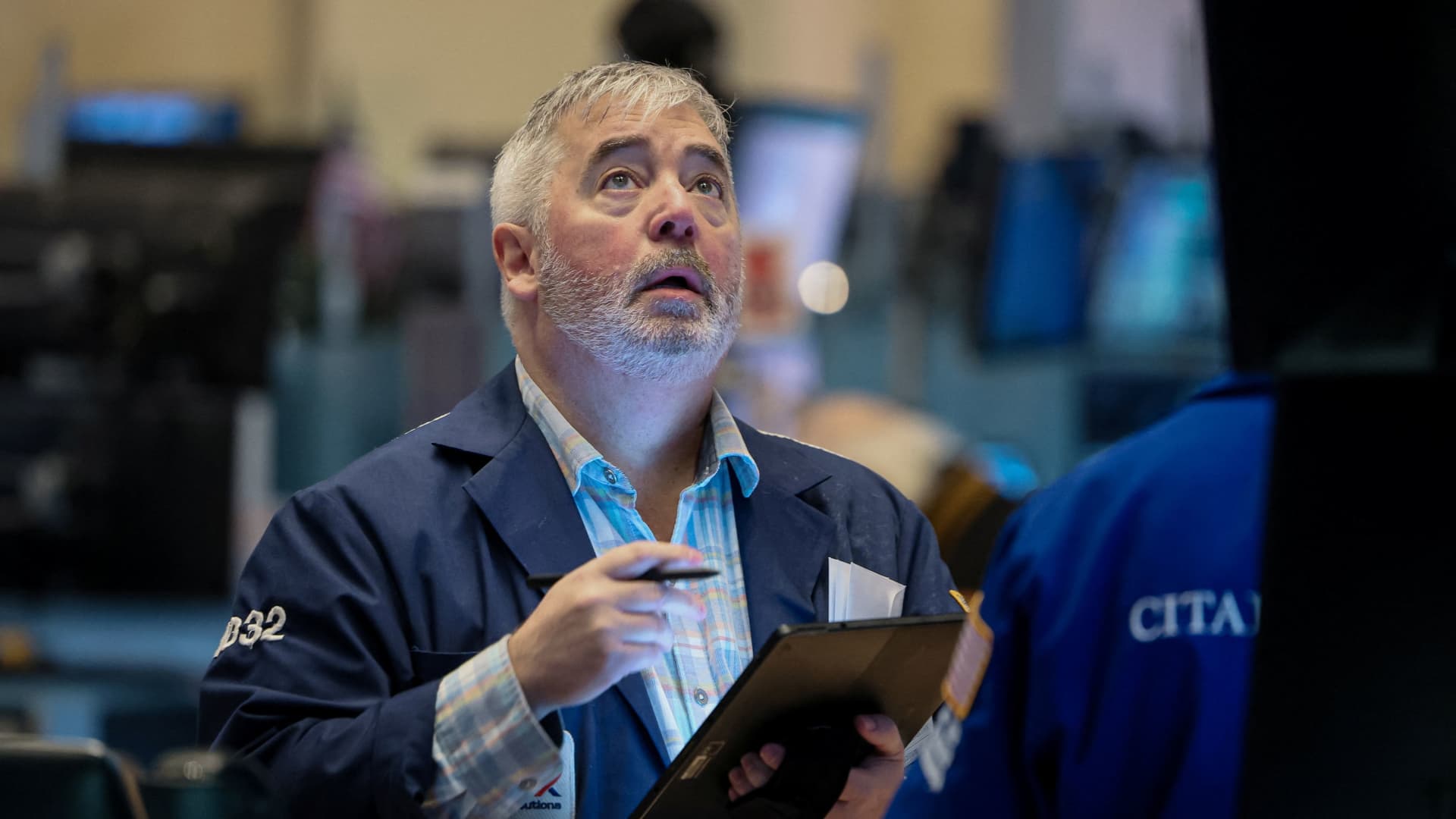
Market Reaction: Anticipation of U.S.-Iran War Ending


- Market Rally: The S&P 500 and Nasdaq Composite surged by 2.91% and 3.83%, respectively, amid hopes for an end to the U.S.-Iran conflict, indicating potential for future economic recovery as investors anticipate peace.
- Interest Rate Decline: With the war's conclusion, the yield on the 10-year Treasury is expected to drop significantly, which will lower borrowing costs and alleviate inflationary pressures stemming from rising fertilizer and energy prices due to the conflict.
- Growth Stock Resurgence: High-growth stocks like Nvidia and Marvell saw gains of 5.5% and nearly 13%, respectively, suggesting that investors will refocus on these companies' fundamentals without the distraction of geopolitical tensions.
- Big Bank Stocks Rally: The end of the war is likely to revive trading activity on Wall Street, with major financial stocks like Goldman Sachs and Morgan Stanley rising nearly 5% and 4%, respectively, reflecting optimism about future merger and acquisition activities.
Saudi Aramco and Dow's Joint Facility Halts Production Amid Tensions
- Production Halt Impact: The Sadara chemical facility, a joint venture between Saudi Aramco and Dow, has temporarily ceased operations due to escalating tensions in the Middle East, significantly affecting industrial activity and supply chains in the region without a clear timeline for resumption.
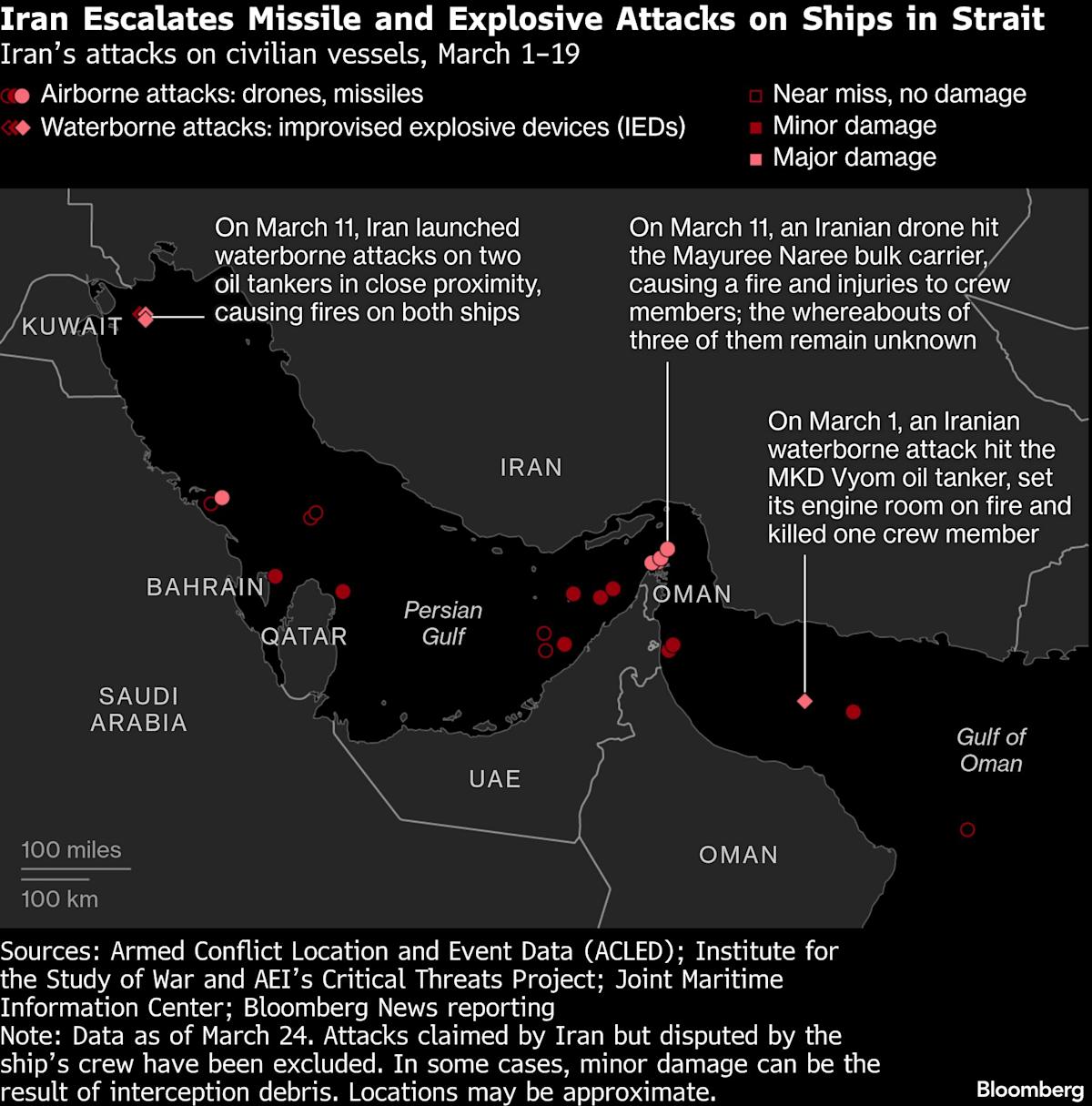
- Energy Infrastructure Risks: The conflict with Iran is increasingly impacting energy infrastructure, as the Strait of Hormuz, a critical artery for global energy trade carrying about 20% of the world's oil and LNG, remains largely obstructed, complicating export logistics.
- Capacity Strain: Saudi Arabia has already cut crude output, and the pipeline network connecting eastern production hubs to Red Sea ports is reportedly operating at maximum capacity, indicating a strained alternative logistics situation that affects overall supply chain efficiency.
- Investment Context: The Sadara facility represents a roughly $20 billion investment designed to produce about 3 million metric tons of plastics and specialty chemicals annually, with Saudi Aramco positioning it as a cornerstone of its strategy to diversify revenue by converting crude oil into higher-value products.

Ackman Claims Stock Markets Offer Great Deals, But Few Are Paying Attention: 4 Key Insights for Today.


Warren Buffett's Maxim: The phrase "Be greedy when others are fearful" reflects a key investment strategy attributed to Warren Buffett.
Bill Ackman's Ambition: Bill Ackman aims to position himself as a leading investment guru, suggesting that now is the time to act on Buffett's advice.
Political Climate Impact: Ackman may struggle to gain support for his investment strategies until there is a shift in the White House's stance on the Iran conflict.
Market Sentiment: The current market sentiment is influenced by geopolitical tensions, which could affect investment decisions and strategies.

Wells Fargo Increases Target Price for Dow Inc. to $48, Up from $45
- Wells Fargo Target Price Increase: Wells Fargo has raised its target price for a specific stock from $45 to $48.
- Market Implications: This adjustment reflects a positive outlook on the stock's performance and may influence investor decisions.
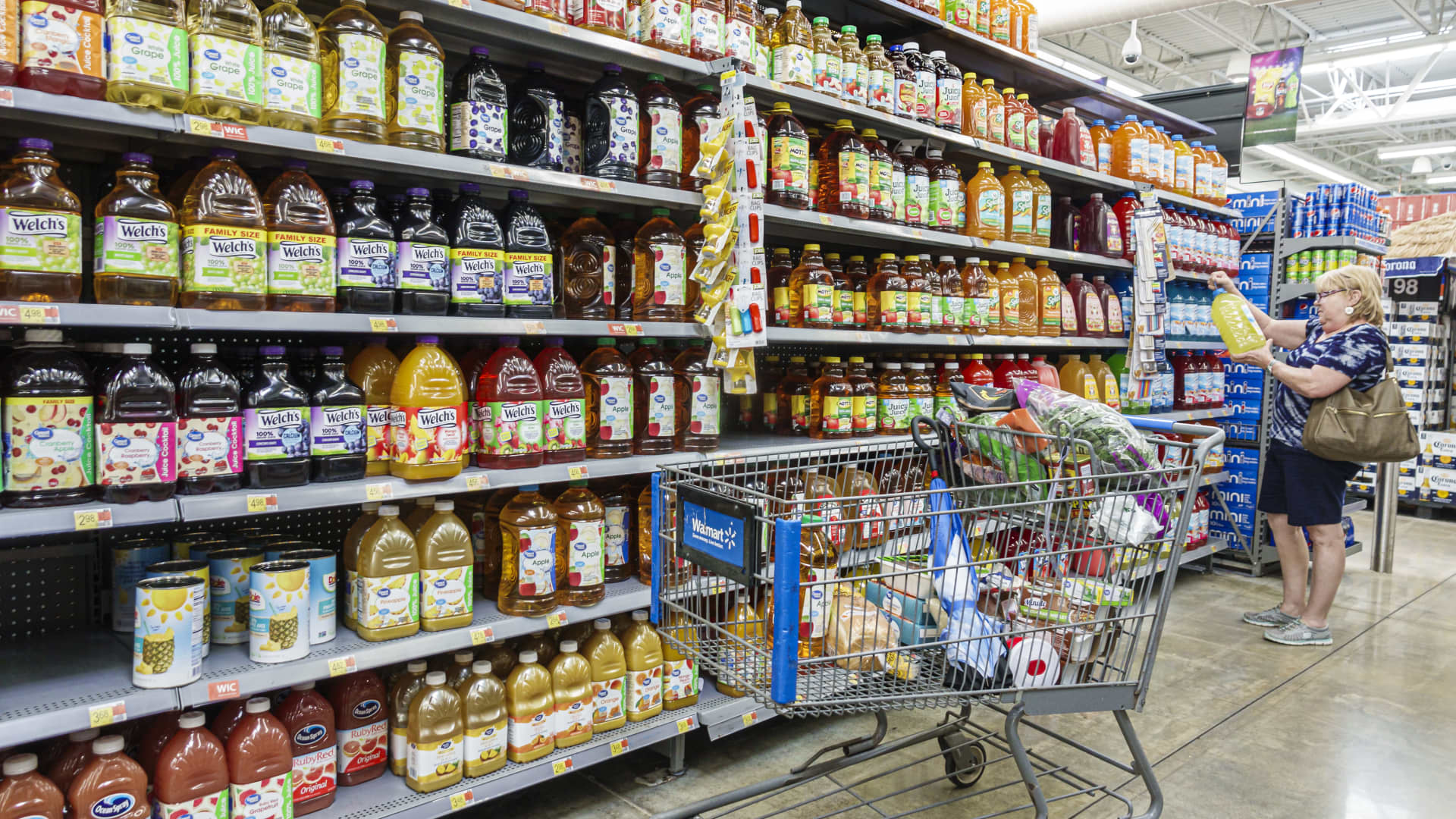
Rising Petrochemical Prices Have Widespread Impact
- Plastic Price Surge: Stanislav Krykun, CEO of DST-Pack, reports a 15% price increase from Chinese plastic suppliers due to rising raw material costs and market uncertainty, which is expected to lead to higher packaging costs that will ultimately affect consumer prices.
- Holiday Product Cost Reevaluation: Krykun notes that with increasing orders for the 2026 Christmas season, costs for packaging projects have been recalculated, particularly as the rising prices of molded plastic trays will directly impact clients' production budgets.
- Petrochemical Supply Shock: Atsi Sheth, chief credit officer at Moody's, highlights that the petrochemical industry is facing a supply shock, with oversupply and insufficient demand leading to downgrades for producers, which is expected to exacerbate consumer price inflation, particularly affecting lower-income groups.
- Long-Term Market Uncertainty: Peter Swartz, chief science officer at supply chain analytics firm Altana, states that the market is pricing in uncertainty, and long-term price increases are expected to become the norm, prompting businesses to invest in diversification to tackle future challenges.
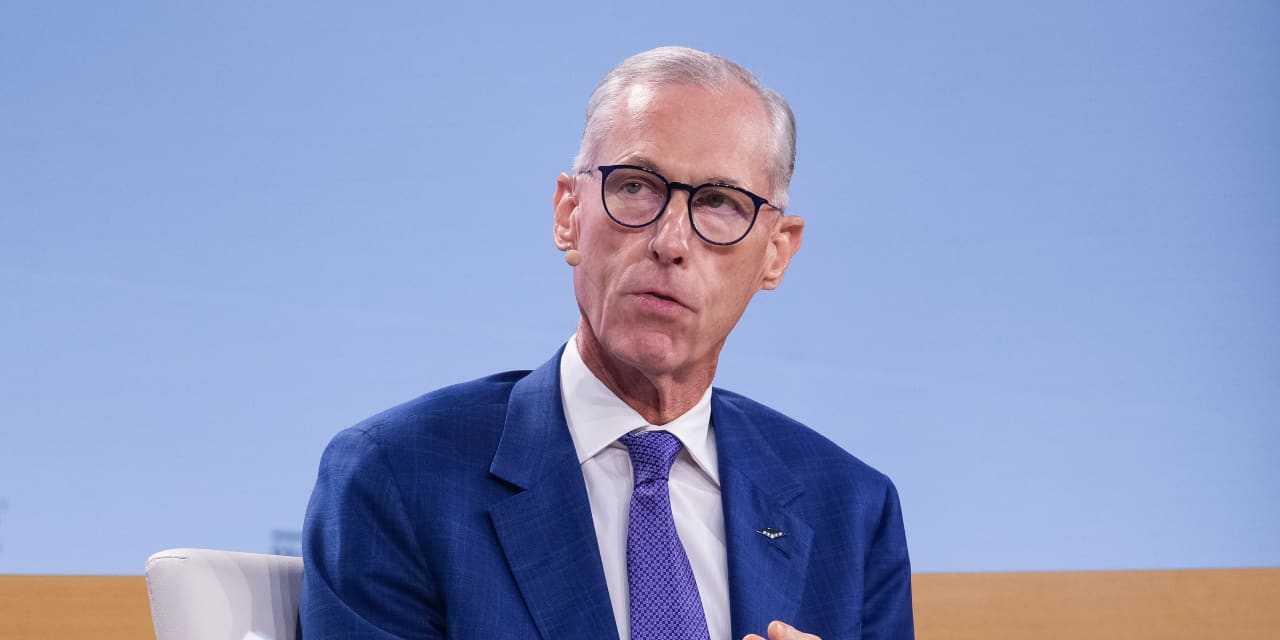
Oil Executives Anticipate Rising Prices and Increased Investment in Renewables

Impact of the Iran War: The ongoing conflict in Iran is causing significant disruptions to global energy supplies, with the full financial implications yet to be determined.
CERAWeek Insights: Executives from major oil companies shared their perspectives on the situation during the S&P Global annual energy conference held in Houston.
Timeline for Cost Assessment: It may take several months to accurately assess the total costs associated with the energy supply disruptions caused by the war.
Industry Concerns: The uncertainty surrounding energy supply and pricing is a major concern for the oil industry as they navigate the implications of the conflict.
Market Reaction: Anticipation of U.S.-Iran War Ending
- Market Rally: The S&P 500 and Nasdaq Composite surged by 2.91% and 3.83%, respectively, amid hopes for an end to the U.S.-Iran conflict, indicating potential for future economic recovery as investors anticipate peace.
- Interest Rate Decline: With the war's conclusion, the yield on the 10-year Treasury is expected to drop significantly, which will lower borrowing costs and alleviate inflationary pressures stemming from rising fertilizer and energy prices due to the conflict.
- Growth Stock Resurgence: High-growth stocks like Nvidia and Marvell saw gains of 5.5% and nearly 13%, respectively, suggesting that investors will refocus on these companies' fundamentals without the distraction of geopolitical tensions.
- Big Bank Stocks Rally: The end of the war is likely to revive trading activity on Wall Street, with major financial stocks like Goldman Sachs and Morgan Stanley rising nearly 5% and 4%, respectively, reflecting optimism about future merger and acquisition activities.
Saudi Aramco and Dow's Joint Facility Halts Production Amid Tensions
- Production Halt Impact: The Sadara chemical facility, a joint venture between Saudi Aramco and Dow, has temporarily ceased operations due to escalating tensions in the Middle East, significantly affecting industrial activity and supply chains in the region without a clear timeline for resumption.
- Energy Infrastructure Risks: The conflict with Iran is increasingly impacting energy infrastructure, as the Strait of Hormuz, a critical artery for global energy trade carrying about 20% of the world's oil and LNG, remains largely obstructed, complicating export logistics.
- Capacity Strain: Saudi Arabia has already cut crude output, and the pipeline network connecting eastern production hubs to Red Sea ports is reportedly operating at maximum capacity, indicating a strained alternative logistics situation that affects overall supply chain efficiency.
- Investment Context: The Sadara facility represents a roughly $20 billion investment designed to produce about 3 million metric tons of plastics and specialty chemicals annually, with Saudi Aramco positioning it as a cornerstone of its strategy to diversify revenue by converting crude oil into higher-value products.
Ackman Claims Stock Markets Offer Great Deals, But Few Are Paying Attention: 4 Key Insights for Today.
Warren Buffett's Maxim: The phrase "Be greedy when others are fearful" reflects a key investment strategy attributed to Warren Buffett.
Bill Ackman's Ambition: Bill Ackman aims to position himself as a leading investment guru, suggesting that now is the time to act on Buffett's advice.
Political Climate Impact: Ackman may struggle to gain support for his investment strategies until there is a shift in the White House's stance on the Iran conflict.
Market Sentiment: The current market sentiment is influenced by geopolitical tensions, which could affect investment decisions and strategies.
Wells Fargo Increases Target Price for Dow Inc. to $48, Up from $45
- Wells Fargo Target Price Increase: Wells Fargo has raised its target price for a specific stock from $45 to $48.
- Market Implications: This adjustment reflects a positive outlook on the stock's performance and may influence investor decisions.
Rising Petrochemical Prices Have Widespread Impact
- Plastic Price Surge: Stanislav Krykun, CEO of DST-Pack, reports a 15% price increase from Chinese plastic suppliers due to rising raw material costs and market uncertainty, which is expected to lead to higher packaging costs that will ultimately affect consumer prices.
- Holiday Product Cost Reevaluation: Krykun notes that with increasing orders for the 2026 Christmas season, costs for packaging projects have been recalculated, particularly as the rising prices of molded plastic trays will directly impact clients' production budgets.
- Petrochemical Supply Shock: Atsi Sheth, chief credit officer at Moody's, highlights that the petrochemical industry is facing a supply shock, with oversupply and insufficient demand leading to downgrades for producers, which is expected to exacerbate consumer price inflation, particularly affecting lower-income groups.
- Long-Term Market Uncertainty: Peter Swartz, chief science officer at supply chain analytics firm Altana, states that the market is pricing in uncertainty, and long-term price increases are expected to become the norm, prompting businesses to invest in diversification to tackle future challenges.
Oil Executives Anticipate Rising Prices and Increased Investment in Renewables
Impact of the Iran War: The ongoing conflict in Iran is causing significant disruptions to global energy supplies, with the full financial implications yet to be determined.
CERAWeek Insights: Executives from major oil companies shared their perspectives on the situation during the S&P Global annual energy conference held in Houston.
Timeline for Cost Assessment: It may take several months to accurately assess the total costs associated with the energy supply disruptions caused by the war.
Industry Concerns: The uncertainty surrounding energy supply and pricing is a major concern for the oil industry as they navigate the implications of the conflict.