Daily Dividend Update: MSFT, SAND, EPR, LFT, CPT


Sandstorm Gold Dividend Announcement: Sandstorm Gold's Board of Directors declared a quarterly cash dividend of C$0.02 per common share, payable on October 7, 2025, to shareholders of record as of September 26, 2025.
EPR Properties Dividend Declaration: EPR Properties announced a monthly cash dividend of $0.295 per common share, payable on October 15, 2025, to shareholders of record on September 30, 2025, representing an annualized dividend of $3.54.
Lument Finance Trust Dividend: Lument Finance Trust declared a cash dividend of $0.04 per share for the third quarter of 2025, payable on October 15, 2025, to common stockholders of record as of September 30, 2025.
Camden Property Trust Dividend: Camden Property Trust's Board of Trust Managers declared a cash dividend of $1.05 per share for the third quarter, to be paid on October 17, 2025, to holders of record as of September 30, 2025.
Trade with 70% Backtested Accuracy
Analyst Views on MSFT

About MSFT
About the author

Microsoft's Long-Term Potential in Quantum Computing

- Significant Cloud Growth: In Q2 of fiscal 2026, Microsoft reported a 16.7% year-over-year revenue increase to $81.3 billion, with cloud services contributing $51.5 billion, up 26%, indicating strong market demand and sustained growth potential.
- Increased Quantum Investment: Microsoft is heavily investing in its quantum computing ecosystem, introducing the Majorana 1 quantum processor aimed at enhancing computational stability and reducing errors, laying the groundwork for future commercialization.
- Data Center Expansion: The company added nearly 1 gigawatt of data center capacity in Q2 to address the challenge of Azure service demand exceeding supply, demonstrating its ongoing investment and strategic positioning in cloud infrastructure.
- Rapid AI Application Adoption: Microsoft’s Copilot user base surged over 160% year-over-year to 15 million paid users, showcasing its ability to successfully leverage AI in enterprise workflows, further driving revenue growth.

Amazon Data Centers Targeted by Iran's Military


- Data Center Damage: Amazon's data center in Bahrain was damaged due to a nearby drone strike, causing all facilities to go offline and impacting cloud computing services in the region, highlighting the direct threat of geopolitical risks to tech infrastructure.
- Attack Context: The strike was described by Iran's Islamic Revolutionary Guard Corps as retaliation for U.S. military support, reflecting escalating tensions in the Middle East that could have long-term implications for Amazon's operations.
- Service Disruption Impact: Structural damage and power outages led to elevated error rates and degraded availability for some AWS applications, prompting the company to advise customers to back up data and consider migrating workloads.
- Employee Safety Measures: Amazon has instructed all corporate employees in the Middle East to work remotely and follow local government guidelines to ensure safety, demonstrating the company's strong commitment to employee welfare.

Tech Executives Inform Trump They Are Willing to Cover Electricity Costs
AI and Electricity Costs: President Donald Trump and tech executives discussed strategies to prevent AI data centers from increasing consumer electricity bills.
White House Event: The meeting took place at the White House, highlighting the collaboration between government and tech leaders on energy concerns.
Tech Industry Voices Concerns Over Supply Chain Risk Label

- Industry Response: The Information Technology Industry Council (ITI) sent a letter to Defense Secretary Pete Hegseth expressing concerns over his designation of a U.S. company as a supply chain risk, indirectly referencing Anthropic, which could jeopardize its future government contracts.
- Contract Dispute: ITI emphasized that contract disputes should be resolved through ongoing negotiations or by selecting alternative suppliers via established procurement channels rather than through emergency measures like supply chain risk designations, which are typically reserved for entities identified as foreign adversaries, reflecting strong opposition to government actions.
- Procedural Protections: The letter referenced the Federal Acquisition Supply Chain Security Act of 2018 and the Federal Acquisition Security Council (FASCSA), highlighting the importance of due process for private companies, including notice and response opportunities before any risk designation is made, underscoring ITI's commitment to procedural fairness.
- Anthropic's Position: Anthropic expressed deep sadness over the decision in a statement, arguing that labeling it as a supply chain risk is unprecedented and historically reserved for U.S. adversaries, which could severely impact its relationship with the Defense Department and the broader tech industry.
Tech Industry Raises Alarm Over Supply Chain Risk Designation by Defense Secretary
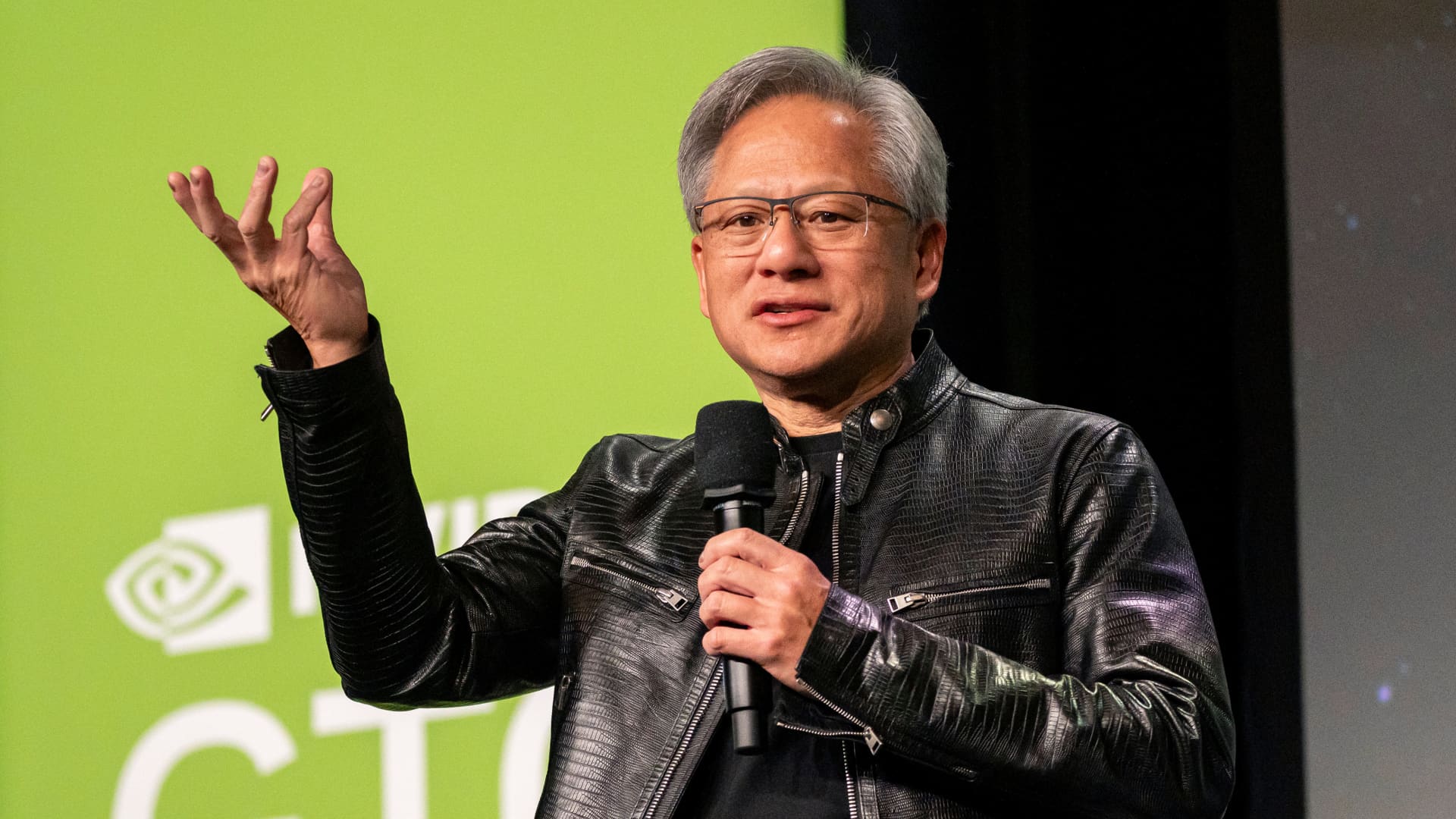
- Supply Chain Risk Warning: On March 2, Defense Secretary Pete Hegseth announced the designation of AI company Anthropic as a supply chain risk to national security, prompting strong opposition from the tech industry, particularly from ITI members including Nvidia and Google.
- Contract Dispute Resolution: The Information Technology Industry Council (ITI) stated in their letter that contract disputes should be resolved through negotiations or by the Department selecting alternative providers, rather than imposing supply chain risk designations, which could adversely affect U.S. companies.
- Historic Decision: Anthropic, awarded a $200 million DoD contract in July, had its request to ensure its technology wouldn't be used for autonomous weapons or mass surveillance rejected by the Pentagon, leading to this unprecedented risk designation, which ITI argues has never been applied to an American company before.
- Industry Reaction: OpenAI CEO Sam Altman remarked that enforcing the SCR designation on Anthropic would have detrimental effects on the industry and the country, highlighting the tech sector's significant concern and unease regarding government policies.

HubSpot and Other Software Stocks Are Recovering; Anticipate Upcoming Developments.


Software Stocks Recovery: Software stocks are showing signs of recovery after a period of decline due to concerns about AI impacting their business.
Investor Concerns: Investors may soon discover which companies are truly at risk from the rise of artificial intelligence.
Microsoft's Long-Term Potential in Quantum Computing
- Significant Cloud Growth: In Q2 of fiscal 2026, Microsoft reported a 16.7% year-over-year revenue increase to $81.3 billion, with cloud services contributing $51.5 billion, up 26%, indicating strong market demand and sustained growth potential.
- Increased Quantum Investment: Microsoft is heavily investing in its quantum computing ecosystem, introducing the Majorana 1 quantum processor aimed at enhancing computational stability and reducing errors, laying the groundwork for future commercialization.
- Data Center Expansion: The company added nearly 1 gigawatt of data center capacity in Q2 to address the challenge of Azure service demand exceeding supply, demonstrating its ongoing investment and strategic positioning in cloud infrastructure.
- Rapid AI Application Adoption: Microsoft’s Copilot user base surged over 160% year-over-year to 15 million paid users, showcasing its ability to successfully leverage AI in enterprise workflows, further driving revenue growth.
Amazon Data Centers Targeted by Iran's Military
- Data Center Damage: Amazon's data center in Bahrain was damaged due to a nearby drone strike, causing all facilities to go offline and impacting cloud computing services in the region, highlighting the direct threat of geopolitical risks to tech infrastructure.
- Attack Context: The strike was described by Iran's Islamic Revolutionary Guard Corps as retaliation for U.S. military support, reflecting escalating tensions in the Middle East that could have long-term implications for Amazon's operations.
- Service Disruption Impact: Structural damage and power outages led to elevated error rates and degraded availability for some AWS applications, prompting the company to advise customers to back up data and consider migrating workloads.
- Employee Safety Measures: Amazon has instructed all corporate employees in the Middle East to work remotely and follow local government guidelines to ensure safety, demonstrating the company's strong commitment to employee welfare.
Tech Executives Inform Trump They Are Willing to Cover Electricity Costs
AI and Electricity Costs: President Donald Trump and tech executives discussed strategies to prevent AI data centers from increasing consumer electricity bills.
White House Event: The meeting took place at the White House, highlighting the collaboration between government and tech leaders on energy concerns.
Tech Industry Voices Concerns Over Supply Chain Risk Label
- Industry Response: The Information Technology Industry Council (ITI) sent a letter to Defense Secretary Pete Hegseth expressing concerns over his designation of a U.S. company as a supply chain risk, indirectly referencing Anthropic, which could jeopardize its future government contracts.
- Contract Dispute: ITI emphasized that contract disputes should be resolved through ongoing negotiations or by selecting alternative suppliers via established procurement channels rather than through emergency measures like supply chain risk designations, which are typically reserved for entities identified as foreign adversaries, reflecting strong opposition to government actions.
- Procedural Protections: The letter referenced the Federal Acquisition Supply Chain Security Act of 2018 and the Federal Acquisition Security Council (FASCSA), highlighting the importance of due process for private companies, including notice and response opportunities before any risk designation is made, underscoring ITI's commitment to procedural fairness.
- Anthropic's Position: Anthropic expressed deep sadness over the decision in a statement, arguing that labeling it as a supply chain risk is unprecedented and historically reserved for U.S. adversaries, which could severely impact its relationship with the Defense Department and the broader tech industry.
Tech Industry Raises Alarm Over Supply Chain Risk Designation by Defense Secretary
- Supply Chain Risk Warning: On March 2, Defense Secretary Pete Hegseth announced the designation of AI company Anthropic as a supply chain risk to national security, prompting strong opposition from the tech industry, particularly from ITI members including Nvidia and Google.
- Contract Dispute Resolution: The Information Technology Industry Council (ITI) stated in their letter that contract disputes should be resolved through negotiations or by the Department selecting alternative providers, rather than imposing supply chain risk designations, which could adversely affect U.S. companies.
- Historic Decision: Anthropic, awarded a $200 million DoD contract in July, had its request to ensure its technology wouldn't be used for autonomous weapons or mass surveillance rejected by the Pentagon, leading to this unprecedented risk designation, which ITI argues has never been applied to an American company before.
- Industry Reaction: OpenAI CEO Sam Altman remarked that enforcing the SCR designation on Anthropic would have detrimental effects on the industry and the country, highlighting the tech sector's significant concern and unease regarding government policies.
HubSpot and Other Software Stocks Are Recovering; Anticipate Upcoming Developments.
Software Stocks Recovery: Software stocks are showing signs of recovery after a period of decline due to concerns about AI impacting their business.
Investor Concerns: Investors may soon discover which companies are truly at risk from the rise of artificial intelligence.