Crude Oil Prices Surge Amid U.S.-Iran Conflict
Written by Emily J. Thompson, Senior Investment Analyst
Updated: 4 hours ago
0mins
Source: Fool
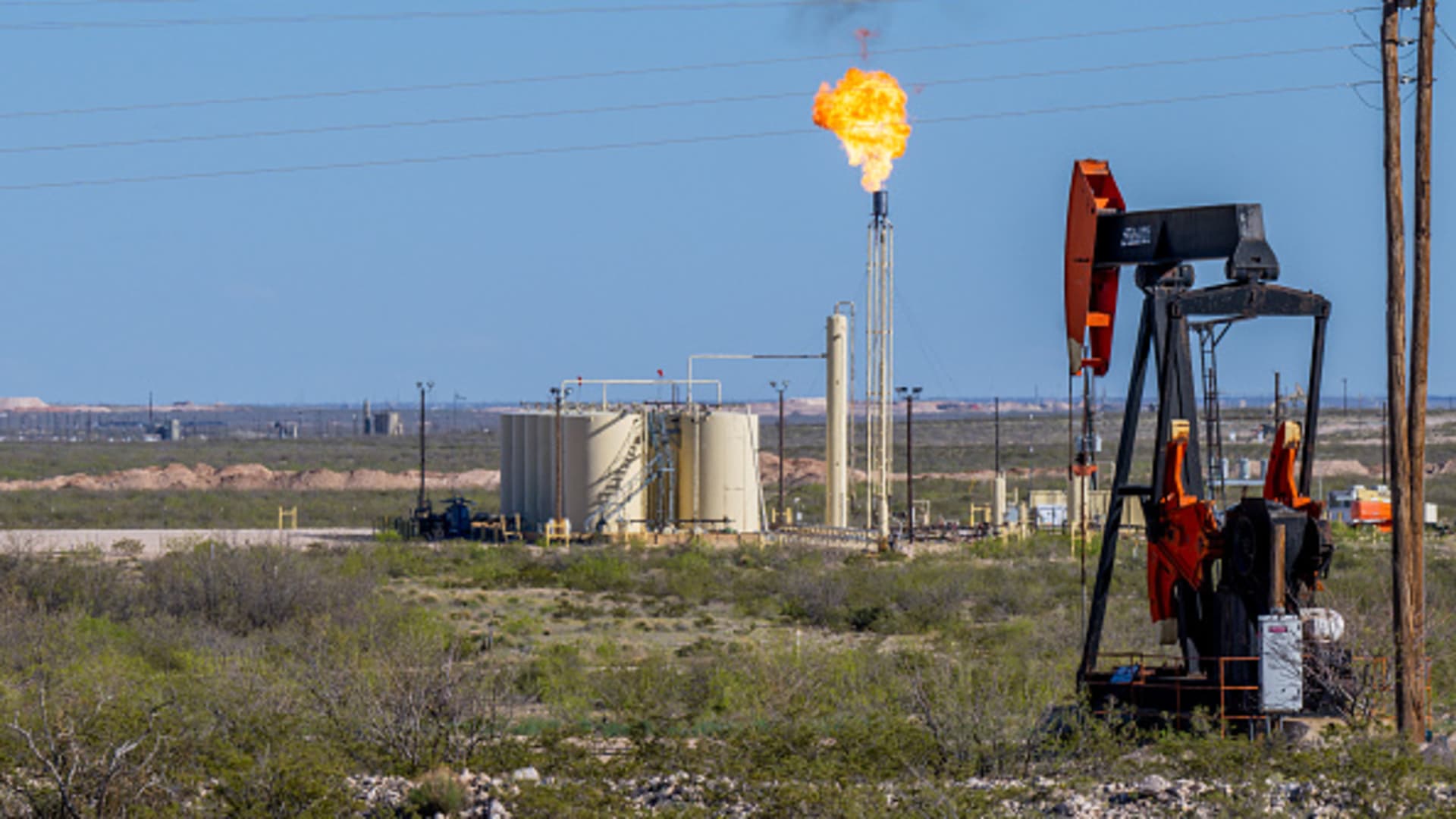
- Oil Price Surge: Following U.S. and Israeli military strikes on Iran, Brent crude prices have surged over 5% today and approximately 15% over the past few days, directly boosting oil company stock prices and attracting investor interest.
- Oil Stocks Performance: Amid rising oil prices, ConocoPhillips shares have jumped nearly 8% in recent days, while Chevron closed at a record high of nearly $190 per share on Monday, reflecting strong market confidence in oil companies.
- Strait of Hormuz Risk: Iran's threat to close the Strait of Hormuz jeopardizes approximately 20 million barrels of global oil supply daily, leading insurance companies to cancel war risk coverage and causing transportation costs to soar, which could further elevate oil prices.
- U.S. Production Capacity: Although U.S. oil producers have the capacity to ramp up production, the limitations of infrastructure and oilfield services mean that bringing new shale wells online can take months, making it difficult to alleviate upward pressure on oil prices in the short term.
Trade with 70% Backtested Accuracy
Stop guessing "Should I Buy COP?" and start using high-conviction signals backed by rigorous historical data.
Sign up today to access powerful investing tools and make smarter, data-driven decisions.
Analyst Views on COP
Wall Street analysts forecast COP stock price to fall
19 Analyst Rating
15 Buy
3 Hold
1 Sell
Moderate Buy
Current: 118.240

Low
98.00
Averages
115.67
High
133.00
Current: 118.240
Low
98.00
Averages
115.67
High
133.00
About COP
ConocoPhillips is an exploration and production company. Its Alaska segment primarily explores for, produces, transports and markets crude oil, natural gas and NGLs. The Lower 48 segment consists of operations located in the 48 contiguous states in the United States and the Gulf of Mexico. Canadian operations consist of the Surmont oil sands development in Alberta, the liquids-rich Montney unconventional play in British Columbia and commercial operations. The Europe, Middle East and North Africa segment consists of operations principally located in the Norwegian sector of the North Sea, the Norwegian Sea, Qatar, Libya, Equatorial Guinea and commercial and terminalling operations in the United Kingdom. Asia Pacific segment has exploration and production operations in China, Malaysia, Australia and commercial operations in China, Singapore and Japan. Other International segment includes interests in Colombia as well as contingencies associated with prior operations in other countries.
About the author

Emily J. Thompson
Emily J. Thompson, a Chartered Financial Analyst (CFA) with 12 years in investment research, graduated with honors from the Wharton School. Specializing in industrial and technology stocks, she provides in-depth analysis for Intellectia’s earnings and market brief reports.
ConocoPhillips Shares Surge Amid Oil Rally

- Stock Price Surge: ConocoPhillips shares have started 2026 strong, gaining over 20% to surpass $110, primarily driven by rising crude oil prices, indicating market optimism about its future performance.
- Cash Flow Surge: The company expects to generate an additional $1 billion in free cash flow this year, entirely from cost savings, alongside last year's $19.9 billion in operating cash flow, showcasing its strong profitability on a low-cost resource base.
- Repurchase Program: ConocoPhillips repurchased $5 billion of its shares last year and is expected to increase buybacks in 2026, having repurchased nearly 10% of its outstanding shares over the past five years, enhancing the growth potential of free cash flow per share.
- Future Outlook: With major expansion projects nearing completion, free cash flow is projected to nearly double in the coming years, and combined with rising oil prices and the repurchase program, the stock price could reach $200 by the end of the decade, reflecting strong market confidence in its long-term growth.
See More

Escalating Middle East Conflict Impacts Global Markets


- Market Turmoil Intensifies: South Korea's Kospi index fell 7.24% on Wednesday, extending its worst performance in 19 months, indicating severe investor sentiment impact due to escalating Middle East conflict.
- China's Policy Meeting in Focus: China's
See More
Crude Oil Prices Surge Amid U.S.-Iran Conflict
- Oil Price Surge: Following U.S. and Israeli military strikes on Iran, Brent crude prices have surged over 5% today and approximately 15% over the past few days, directly boosting oil company stock prices and attracting investor interest.
- Oil Stocks Performance: Amid rising oil prices, ConocoPhillips shares have jumped nearly 8% in recent days, while Chevron closed at a record high of nearly $190 per share on Monday, reflecting strong market confidence in oil companies.
- Strait of Hormuz Risk: Iran's threat to close the Strait of Hormuz jeopardizes approximately 20 million barrels of global oil supply daily, leading insurance companies to cancel war risk coverage and causing transportation costs to soar, which could further elevate oil prices.
- U.S. Production Capacity: Although U.S. oil producers have the capacity to ramp up production, the limitations of infrastructure and oilfield services mean that bringing new shale wells online can take months, making it difficult to alleviate upward pressure on oil prices in the short term.
See More
Oil Prices Surge Amid Iran Conflict, Impacting Stocks
- Surge in Oil Prices: The ongoing conflict with Iran has caused Brent crude prices to rise approximately 15% over the past few days, with a further increase of over 5% today, potentially pushing prices above $100 per barrel, which could have significant implications for global oil markets.
- U.S. Producers' Response: While U.S. producers have the capacity to ramp up production, the time required to bring newly drilled wells online due to infrastructure limitations means that they cannot quickly fill the supply gap in the short term, impacting market stability.
- Rising Transportation Costs: Attacks on several ships by Iran have led to record-high supertanker rates and the cancellation of war risk insurance by insurers, which increases the risks associated with transporting oil out of the region, further constraining oil flow from the Persian Gulf.
- Capital Expenditure Adjustments: In light of the unexpected surge in oil prices, ConocoPhillips has reduced its capital expenditure budget from $12.6 billion last year to $12 billion this year, while Chevron has increased its spending range to $18 billion-$19 billion, reflecting a cautious approach amid market uncertainties.
See More
Goldman Sachs Highlights Three Top Oil and Gas Stocks

- Cash Flow Growth Potential: Goldman Sachs analysts estimate that ConocoPhillips (COP) will achieve approximately $9 billion in free cash flow growth from 2025 to 2030, supported by four major projects and $1 billion in cost reductions, translating to a 24% compound annual growth rate in free cash flow per share, indicating strong capital return capabilities.
- Shareholder Return Strategy: ConocoPhillips (COP) is viewed as having an attractive free cash flow growth profile, enabling robust returns to shareholders through share repurchases and a competitive base dividend growth rate, particularly if major projects like Willow succeed during an oil upcycle, which could further enhance its valuation.
- Risk and Reward Balance: Goldman Sachs rates Diamondback Energy (FANG) as a Buy, believing its pure-play exposure in the Permian Basin provides downside protection against commodity price declines while maintaining upside potential during price increases, showcasing a favorable risk/reward profile.
- Natural Gas Production Advantage: EQT (EQT) is recommended by Goldman due to its integrated Appalachian asset base, with a long-term breakeven price of $2.00/MMBtu and strong uptime during the recent Winter Storm, indicating ongoing cost optimization and significant free cash flow generation capabilities.
See More

Oil Price Fluctuations Have Far-Reaching Economic Impacts
- Profit Pressure from Oil Prices: Recent oil price increases of over 10% in just two days are expected to exert direct pressure on profit margins, as companies struggle to pass costs onto consumers, potentially leading to declines in stock prices.
- Inflationary Risks Intensified: Rising oil prices are likely to drive overall inflation, particularly impacting costs in sectors like trucking and plastics, which may reduce consumer purchasing power and subsequently affect sales and corporate profits.
- Federal Reserve Policy Considerations: The increase in oil prices complicates the Federal Reserve's decision-making environment regarding interest rates, as inflationary pressures mount, even though the core PCE index excludes volatile food and energy costs, the indirect effects remain significant.
- Market Dynamics in Flux: The fluctuations in oil prices are closely tied to stock market performance, with WTI crude reaching $77.98 on Tuesday before retreating to around $74, indicating the market's sensitivity to oil price movements, necessitating a calm and discerning approach from investors amid uncertainty.
See More
ConocoPhillips Shares Surge Amid Oil Rally
- Stock Price Surge: ConocoPhillips shares have started 2026 strong, gaining over 20% to surpass $110, primarily driven by rising crude oil prices, indicating market optimism about its future performance.
- Cash Flow Surge: The company expects to generate an additional $1 billion in free cash flow this year, entirely from cost savings, alongside last year's $19.9 billion in operating cash flow, showcasing its strong profitability on a low-cost resource base.
- Repurchase Program: ConocoPhillips repurchased $5 billion of its shares last year and is expected to increase buybacks in 2026, having repurchased nearly 10% of its outstanding shares over the past five years, enhancing the growth potential of free cash flow per share.
- Future Outlook: With major expansion projects nearing completion, free cash flow is projected to nearly double in the coming years, and combined with rising oil prices and the repurchase program, the stock price could reach $200 by the end of the decade, reflecting strong market confidence in its long-term growth.
See More
Escalating Middle East Conflict Impacts Global Markets
- Market Turmoil Intensifies: South Korea's Kospi index fell 7.24% on Wednesday, extending its worst performance in 19 months, indicating severe investor sentiment impact due to escalating Middle East conflict.
- China's Policy Meeting in Focus: China's
See More
Crude Oil Prices Surge Amid U.S.-Iran Conflict
- Oil Price Surge: Following U.S. and Israeli military strikes on Iran, Brent crude prices have surged over 5% today and approximately 15% over the past few days, directly boosting oil company stock prices and attracting investor interest.
- Oil Stocks Performance: Amid rising oil prices, ConocoPhillips shares have jumped nearly 8% in recent days, while Chevron closed at a record high of nearly $190 per share on Monday, reflecting strong market confidence in oil companies.
- Strait of Hormuz Risk: Iran's threat to close the Strait of Hormuz jeopardizes approximately 20 million barrels of global oil supply daily, leading insurance companies to cancel war risk coverage and causing transportation costs to soar, which could further elevate oil prices.
- U.S. Production Capacity: Although U.S. oil producers have the capacity to ramp up production, the limitations of infrastructure and oilfield services mean that bringing new shale wells online can take months, making it difficult to alleviate upward pressure on oil prices in the short term.
See More
Oil Prices Surge Amid Iran Conflict, Impacting Stocks
- Surge in Oil Prices: The ongoing conflict with Iran has caused Brent crude prices to rise approximately 15% over the past few days, with a further increase of over 5% today, potentially pushing prices above $100 per barrel, which could have significant implications for global oil markets.
- U.S. Producers' Response: While U.S. producers have the capacity to ramp up production, the time required to bring newly drilled wells online due to infrastructure limitations means that they cannot quickly fill the supply gap in the short term, impacting market stability.
- Rising Transportation Costs: Attacks on several ships by Iran have led to record-high supertanker rates and the cancellation of war risk insurance by insurers, which increases the risks associated with transporting oil out of the region, further constraining oil flow from the Persian Gulf.
- Capital Expenditure Adjustments: In light of the unexpected surge in oil prices, ConocoPhillips has reduced its capital expenditure budget from $12.6 billion last year to $12 billion this year, while Chevron has increased its spending range to $18 billion-$19 billion, reflecting a cautious approach amid market uncertainties.
See More
Goldman Sachs Highlights Three Top Oil and Gas Stocks
- Cash Flow Growth Potential: Goldman Sachs analysts estimate that ConocoPhillips (COP) will achieve approximately $9 billion in free cash flow growth from 2025 to 2030, supported by four major projects and $1 billion in cost reductions, translating to a 24% compound annual growth rate in free cash flow per share, indicating strong capital return capabilities.
- Shareholder Return Strategy: ConocoPhillips (COP) is viewed as having an attractive free cash flow growth profile, enabling robust returns to shareholders through share repurchases and a competitive base dividend growth rate, particularly if major projects like Willow succeed during an oil upcycle, which could further enhance its valuation.
- Risk and Reward Balance: Goldman Sachs rates Diamondback Energy (FANG) as a Buy, believing its pure-play exposure in the Permian Basin provides downside protection against commodity price declines while maintaining upside potential during price increases, showcasing a favorable risk/reward profile.
- Natural Gas Production Advantage: EQT (EQT) is recommended by Goldman due to its integrated Appalachian asset base, with a long-term breakeven price of $2.00/MMBtu and strong uptime during the recent Winter Storm, indicating ongoing cost optimization and significant free cash flow generation capabilities.
See More
Oil Price Fluctuations Have Far-Reaching Economic Impacts
- Profit Pressure from Oil Prices: Recent oil price increases of over 10% in just two days are expected to exert direct pressure on profit margins, as companies struggle to pass costs onto consumers, potentially leading to declines in stock prices.
- Inflationary Risks Intensified: Rising oil prices are likely to drive overall inflation, particularly impacting costs in sectors like trucking and plastics, which may reduce consumer purchasing power and subsequently affect sales and corporate profits.
- Federal Reserve Policy Considerations: The increase in oil prices complicates the Federal Reserve's decision-making environment regarding interest rates, as inflationary pressures mount, even though the core PCE index excludes volatile food and energy costs, the indirect effects remain significant.
- Market Dynamics in Flux: The fluctuations in oil prices are closely tied to stock market performance, with WTI crude reaching $77.98 on Tuesday before retreating to around $74, indicating the market's sensitivity to oil price movements, necessitating a calm and discerning approach from investors amid uncertainty.
See More