Costco Raises Kirkland Signature Chocolate Almonds Price to $24.99 Amid Cocoa Shortage
Written by Emily J. Thompson, Senior Investment Analyst
Updated: Jan 03 2026
0mins
Source: Yahoo Finance
- Price Increase Impact: As of December 2025, the price of Costco's Kirkland Signature Chocolate Almonds has surged to $24.99, a 92% increase from $12.99 two years ago, highlighting the direct impact of global cocoa shortages on consumers.
- Consumer Pressure Intensifies: The U.S. Consumer Price Index rose by 2.7% in November 2025, with food prices increasing by 2.6%, indicating fragile household financial conditions, as 45% of Americans report worsening financial security, further increasing reliance on retailers like Costco.
- Market Trend Warning: Costco's price hikes serve as an economic red flag, particularly against a backdrop of high inflation and a struggling job market, suggesting that financial pressures on low- and middle-income families may persist.
- Future Outlook: Cocoa shortages are expected to ease in the coming year, potentially leading to a decrease in the price of Kirkland Signature Chocolate Almonds; however, until then, consumers should adopt strategic shopping practices to cope with rising living costs.
Trade with 70% Backtested Accuracy
Stop guessing "Should I Buy COST?" and start using high-conviction signals backed by rigorous historical data.
Sign up today to access powerful investing tools and make smarter, data-driven decisions.
Analyst Views on COST
Wall Street analysts forecast COST stock price to rise
24 Analyst Rating
19 Buy
4 Hold
1 Sell
Strong Buy
Current: 1028.240

Low
769.00
Averages
1061
High
1205
Current: 1028.240
Low
769.00
Averages
1061
High
1205
About COST
Costco Wholesale Corporation (Costco) operates membership warehouses and e-commerce sites that offer a selection of nationally branded and private-label products in a wide range of categories. The Company buys the majority of its merchandise directly from suppliers and route it to cross-docking consolidation points (depots) or directly to its warehouses. It operates 891 warehouses, including 614 in the United States and Puerto Rico, 108 in Canada, 40 in Mexico, 35 in Japan, 29 in the United Kingdom, 19 in Korea, 15 in Australia, 14 in Taiwan, seven in China, five in Spain, two in France, and one each in Iceland, New Zealand and Sweden. It also operates e-commerce sites in the United States, Canada, the United Kingdom, Mexico, Korea, Taiwan, Japan and Australia. The Company provides wide selection of merchandise, plus the convenience of specialty departments and exclusive member services.
About the author

Emily J. Thompson
Emily J. Thompson, a Chartered Financial Analyst (CFA) with 12 years in investment research, graduated with honors from the Wharton School. Specializing in industrial and technology stocks, she provides in-depth analysis for Intellectia’s earnings and market brief reports.

Costco Reports Solid Earnings Amid Economic Uncertainty
- Stable Earnings Growth: Costco achieved a same-store sales growth of 5.9% in fiscal 2025, which increased to 7.4% in Q2 2026, demonstrating strong performance in an uncertain economic environment and boosting investor confidence.
- Strong Membership Base: With a paid membership base of 82.1 million and a global renewal rate of 89.7%, Costco's business model remains attractive amid economic fluctuations, ensuring a steady revenue stream.
- High Market Valuation: Despite being a high-quality company, Costco's price-to-earnings ratio stands at 53.5, which is 62% higher than Nvidia, prompting investors to exercise caution regarding investment timing due to elevated valuation risks.
- Diversification Investment Advice: Analysts recommend that investors should not rely solely on a single stock for wealth growth but should build a diversified portfolio to navigate market volatility and achieve long-term returns.
See More
Costco's Investment Returns and Risk Analysis
- Remarkable Historical Returns: Over the past 30 years, Costco's stock has generated a total return of 15,000%, transforming an initial investment of $6,700 into $1 million, highlighting its strong investment appeal.
- Stable Sales Growth: In fiscal 2025, Costco reported same-store sales growth of 5.9%, which increased to 7.4% in the second quarter of fiscal 2026, indicating robust performance in uncertain economic conditions.
- Strong Membership Base: With 82.1 million paid members and a global renewal rate of 89.7%, Costco demonstrates sustained consumer demand for its quality merchandise at low prices, reinforcing its market position.
- High Valuation Risks: Although Costco is a high-quality company, its current price-to-earnings ratio of 53.5 is significantly above industry averages, suggesting that investors should approach with caution and consider placing its stock on a watch list.
See More
Strong Q1 2026 Earnings Reports from Major U.S. Companies


- Earnings Beat Expectations: As of now, 84% of S&P 500 companies have exceeded earnings per share estimates and 81% have surpassed revenue expectations, indicating a resilient U.S. economy, although market concerns about the future are intensifying.
- AI-Driven Growth: Companies like Nvidia and Palantir reported 85% revenue growth in Q1 2027 and anticipate 95% and 80% growth in the second quarter, respectively, highlighting rapid expansion in the AI sector and strong market confidence.
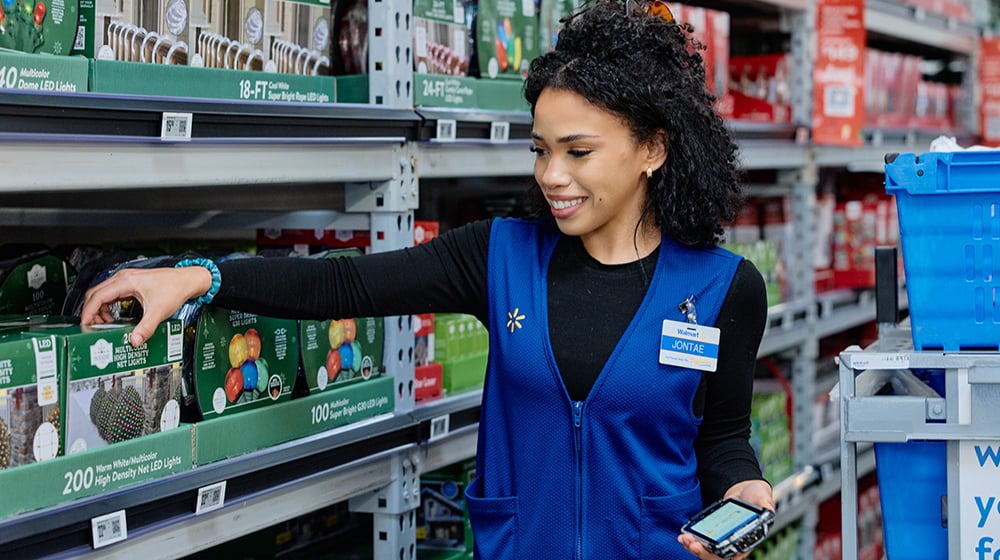
- Consumer Spending Trends: Walmart and Costco's earnings reports show that consumer spending remains robust despite inflationary pressures, but Walmart's management cautioned that budget-conscious consumers may be facing financial stress, reflecting a “K-shaped” recovery in the economy.
- Market Volatility Risks: Despite optimistic guidance from AI companies, rising inflation and interest rates may lead to stock price volatility, prompting investors to maintain diversified portfolios to mitigate potential risks.
See More

Market Dynamics and Investment Opportunities Analysis


- Optimistic Market Outlook: Stock futures are up significantly due to hopes for a peace deal between the U.S. and Iran, with crude oil prices rebounding from morning lows, indicating market sensitivity to geopolitical risks that could affect energy stocks.
- Tech Stock Focus: Analyst recommendations for Dell highlight its advantages in AI infrastructure integration, potentially driving its stock price higher, while Intel's shares have surpassed $120, with expectations of reaching $150, reflecting strong demand in the semiconductor sector.
- Data Storage Industry Prospects: Evercore ISI raised Western Digital's price target to $575, emphasizing the critical role of data storage in the AI ecosystem, and despite its stock rising over 180%, the market still appears to undervalue this sector.
- Software Industry Challenges: Goldman Sachs lowered Workday's price target to $151 due to concerns about its AI integration, reflecting intensified competition in the enterprise software market that could pressure related software stocks.
See More

Shifts in Holiday Consumer Spending Trends

- Changing Preferences: Young shoppers are opting for Surfside and Sun Cruiser cans over White Claw during the holiday, indicating Gen Z's fatigue with seltzers, which may impact beverage market strategies moving forward.
- Middle East Tensions: U.S. Central Command conducted self-defense strikes in Iran, resulting in a more than 2% rise in Brent crude oil futures, highlighting the direct impact of geopolitical tensions on energy markets and potential price volatility.
- New Fed Chair: Kevin Warsh was sworn in as the Federal Reserve chair at the White House, the first since 1987, with market watchers keen on his promise of independence and potential
See More
U.S. Strikes in Iran Trigger Oil Price Fluctuations

- U.S. Defensive Strikes: The U.S. Central Command reported conducting defensive strikes in Iran to protect American troops from threats posed by Iranian forces, following President Trump's remarks about positive negotiations, indicating a firm U.S. military stance in the Middle East.
- Oil Price Fluctuations: Brent crude oil futures rose over 2% after the strikes, while West Texas Intermediate futures fell by 4%, reflecting market sensitivity to geopolitical risks that could impact global energy supply chains.
- Huawei's New Chip Design: Huawei announced a new design approach for its smartphone chips called 'LogicFolding', intensifying competition with Nvidia and Apple, and potentially solidifying Huawei's market leadership in China amid U.S. export restrictions.
- Rising Travel Costs: Due to soaring oil prices and the troubles of Spirit Airlines, airfare has reached its highest level in four years, with AAA data showing gasoline prices at their highest since 2022 as consumers face economic pressures while traveling during the Memorial Day weekend.
See More
Costco Reports Solid Earnings Amid Economic Uncertainty
- Stable Earnings Growth: Costco achieved a same-store sales growth of 5.9% in fiscal 2025, which increased to 7.4% in Q2 2026, demonstrating strong performance in an uncertain economic environment and boosting investor confidence.
- Strong Membership Base: With a paid membership base of 82.1 million and a global renewal rate of 89.7%, Costco's business model remains attractive amid economic fluctuations, ensuring a steady revenue stream.
- High Market Valuation: Despite being a high-quality company, Costco's price-to-earnings ratio stands at 53.5, which is 62% higher than Nvidia, prompting investors to exercise caution regarding investment timing due to elevated valuation risks.
- Diversification Investment Advice: Analysts recommend that investors should not rely solely on a single stock for wealth growth but should build a diversified portfolio to navigate market volatility and achieve long-term returns.
See More
Costco's Investment Returns and Risk Analysis
- Remarkable Historical Returns: Over the past 30 years, Costco's stock has generated a total return of 15,000%, transforming an initial investment of $6,700 into $1 million, highlighting its strong investment appeal.
- Stable Sales Growth: In fiscal 2025, Costco reported same-store sales growth of 5.9%, which increased to 7.4% in the second quarter of fiscal 2026, indicating robust performance in uncertain economic conditions.
- Strong Membership Base: With 82.1 million paid members and a global renewal rate of 89.7%, Costco demonstrates sustained consumer demand for its quality merchandise at low prices, reinforcing its market position.
- High Valuation Risks: Although Costco is a high-quality company, its current price-to-earnings ratio of 53.5 is significantly above industry averages, suggesting that investors should approach with caution and consider placing its stock on a watch list.
See More
Strong Q1 2026 Earnings Reports from Major U.S. Companies
- Earnings Beat Expectations: As of now, 84% of S&P 500 companies have exceeded earnings per share estimates and 81% have surpassed revenue expectations, indicating a resilient U.S. economy, although market concerns about the future are intensifying.
- AI-Driven Growth: Companies like Nvidia and Palantir reported 85% revenue growth in Q1 2027 and anticipate 95% and 80% growth in the second quarter, respectively, highlighting rapid expansion in the AI sector and strong market confidence.
- Consumer Spending Trends: Walmart and Costco's earnings reports show that consumer spending remains robust despite inflationary pressures, but Walmart's management cautioned that budget-conscious consumers may be facing financial stress, reflecting a “K-shaped” recovery in the economy.
- Market Volatility Risks: Despite optimistic guidance from AI companies, rising inflation and interest rates may lead to stock price volatility, prompting investors to maintain diversified portfolios to mitigate potential risks.
See More
Market Dynamics and Investment Opportunities Analysis
- Optimistic Market Outlook: Stock futures are up significantly due to hopes for a peace deal between the U.S. and Iran, with crude oil prices rebounding from morning lows, indicating market sensitivity to geopolitical risks that could affect energy stocks.
- Tech Stock Focus: Analyst recommendations for Dell highlight its advantages in AI infrastructure integration, potentially driving its stock price higher, while Intel's shares have surpassed $120, with expectations of reaching $150, reflecting strong demand in the semiconductor sector.
- Data Storage Industry Prospects: Evercore ISI raised Western Digital's price target to $575, emphasizing the critical role of data storage in the AI ecosystem, and despite its stock rising over 180%, the market still appears to undervalue this sector.
- Software Industry Challenges: Goldman Sachs lowered Workday's price target to $151 due to concerns about its AI integration, reflecting intensified competition in the enterprise software market that could pressure related software stocks.
See More
Shifts in Holiday Consumer Spending Trends
- Changing Preferences: Young shoppers are opting for Surfside and Sun Cruiser cans over White Claw during the holiday, indicating Gen Z's fatigue with seltzers, which may impact beverage market strategies moving forward.
- Middle East Tensions: U.S. Central Command conducted self-defense strikes in Iran, resulting in a more than 2% rise in Brent crude oil futures, highlighting the direct impact of geopolitical tensions on energy markets and potential price volatility.
- New Fed Chair: Kevin Warsh was sworn in as the Federal Reserve chair at the White House, the first since 1987, with market watchers keen on his promise of independence and potential
See More
U.S. Strikes in Iran Trigger Oil Price Fluctuations
- U.S. Defensive Strikes: The U.S. Central Command reported conducting defensive strikes in Iran to protect American troops from threats posed by Iranian forces, following President Trump's remarks about positive negotiations, indicating a firm U.S. military stance in the Middle East.
- Oil Price Fluctuations: Brent crude oil futures rose over 2% after the strikes, while West Texas Intermediate futures fell by 4%, reflecting market sensitivity to geopolitical risks that could impact global energy supply chains.
- Huawei's New Chip Design: Huawei announced a new design approach for its smartphone chips called 'LogicFolding', intensifying competition with Nvidia and Apple, and potentially solidifying Huawei's market leadership in China amid U.S. export restrictions.
- Rising Travel Costs: Due to soaring oil prices and the troubles of Spirit Airlines, airfare has reached its highest level in four years, with AAA data showing gasoline prices at their highest since 2022 as consumers face economic pressures while traveling during the Memorial Day weekend.
See More