Costco Maintains Growth, Plans 28 New Store Openings in 2026
Written by Emily J. Thompson, Senior Investment Analyst
Updated: Jan 12 2026
0mins

Should l Buy COST?
Source: Fool
- Steady Growth: Between fiscal years 2020 and 2025, Costco achieved consistent same-store sales growth, with net sales increasing by 65% and net income rising by 103%, demonstrating its resilience amid economic uncertainties.
- Membership Model Advantage: Costco's successful membership model generated $1.3 billion in revenue in Q1, providing a stable income stream that enhances customer loyalty and solidifies its market position.
- International Market Expansion: Costco plans to open 28 new stores in fiscal 2026, with the CEO indicating a strategy for over 30 net openings annually in future years, focusing on penetrating European and Asian markets.
- Competitive Edge: Compared to Home Depot, Costco exhibits greater business stability during economic fluctuations, while Home Depot's sales are more sensitive to economic conditions, highlighting Costco's more resilient business model.
Trade with 70% Backtested Accuracy
Stop guessing "Should I Buy COST?" and start using high-conviction signals backed by rigorous historical data.
Sign up today to access powerful investing tools and make smarter, data-driven decisions.
Analyst Views on COST
Wall Street analysts forecast COST stock price to rise
24 Analyst Rating
19 Buy
4 Hold
1 Sell
Strong Buy
Current: 1012.060

Low
769.00
Averages
1061
High
1205
Current: 1012.060
Low
769.00
Averages
1061
High
1205
About COST
Costco Wholesale Corporation (Costco) operates membership warehouses and e-commerce sites that offer a selection of nationally branded and private-label products in a wide range of categories. The Company buys the majority of its merchandise directly from suppliers and route it to cross-docking consolidation points (depots) or directly to its warehouses. It operates 891 warehouses, including 614 in the United States and Puerto Rico, 108 in Canada, 40 in Mexico, 35 in Japan, 29 in the United Kingdom, 19 in Korea, 15 in Australia, 14 in Taiwan, seven in China, five in Spain, two in France, and one each in Iceland, New Zealand and Sweden. It also operates e-commerce sites in the United States, Canada, the United Kingdom, Mexico, Korea, Taiwan, Japan and Australia. The Company provides wide selection of merchandise, plus the convenience of specialty departments and exclusive member services.
About the author

Emily J. Thompson
Emily J. Thompson, a Chartered Financial Analyst (CFA) with 12 years in investment research, graduated with honors from the Wharton School. Specializing in industrial and technology stocks, she provides in-depth analysis for Intellectia’s earnings and market brief reports.

Costco Reports 13% Sales Growth in April
- Strong Sales Performance: Costco reported net sales of $23.92 billion in April, marking a 13% year-over-year increase, although actual growth was slightly lower due to the Easter calendar shift, demonstrating the company's robust ability to maintain steady sales.
- Comparable Sales Growth: Total comparable sales rose 11.6%, with digital comparable sales climbing 18.8%, indicating a sustained consumer demand for online shopping and further solidifying Costco's competitive position in the retail market.
- Membership Fee Income Growth: Membership fee income increased by 13.6%, with a 7.5% rise after excluding foreign exchange impacts, reflecting the company's confidence in future growth and its ability to continue attracting new members.
- Future Outlook: Despite facing tariff risks and a slight decline in membership renewal rates, the company plans to open 28 new warehouses in fiscal 2026, showcasing its long-term growth potential, and investors may consider starting a small position to capture future gains.
See More

Amazon Stock Poised to Outperform S&P 500


- Cloud Growth Acceleration: Amazon Web Services (AWS) reported a 28% revenue increase in Q1, reaching $37.6 billion, marking its fastest growth in nearly four years, indicating a strong recovery in the cloud market that is expected to drive overall performance.
- Chip Business Surge: Amazon's chip division is on a $20 billion annual run-rate, projected to reach $50 billion with internal usage, as data center spending rises, attracting investor attention and enhancing the company's competitive edge in AI infrastructure.
- Agentic AI Advantage: Amazon is well-positioned in both hardware and platform for agentic AI, particularly with its collaboration with OpenAI on the Amazon BedRock platform, which enables customers to build AI agents, likely boosting its e-commerce leadership in smart commerce.
- E-commerce Efficiency Gains: Amazon's e-commerce operations are benefiting from robotics and AI, leading to significant operating leverage where profit growth outpaces revenue growth, further solidifying its market position and potential for future expansion.
See More

Amazon's Cloud and Chip Business Opportunities
- Accelerating Cloud Growth: Amazon Web Services (AWS) reported a 28% revenue increase in Q1, reaching $37.6 billion, marking its fastest growth in nearly four years, indicating a robust recovery in the cloud market that is expected to drive overall company performance.
- Chip Business Gains Attention: Amazon's chip division has reached a $20 billion annual run-rate, with projections of $50 billion when including internal usage, which, while not counted in sales, significantly reduces inference costs and enhances capital expenditure efficiency, boosting investor confidence.
- E-commerce Efficiency Gains: Amazon is leveraging robotics and AI to drive operational efficiency in its e-commerce business, leading to profitability growth that outpaces revenue growth; should investors recognize its robotics capabilities, this could trigger a stock price surge.
- Attractive Valuation: With a forward P/E ratio of 32, Amazon is positioned favorably compared to Walmart and Costco, which trade above 40 times, suggesting significant room for stock price appreciation in the coming year.
See More

Nike Sued Over Failure to Refund Tariff Costs

- Tariff Refund Lawsuit: Consumers filed a lawsuit against Nike on Friday, accusing the company of failing to refund significant tariff-related costs passed on through higher prices, arguing that Nike should not retain expected refunds.
- Price Increase Impact: Nike raised prices on some footwear by $5 to $10 and apparel by $2 to $10 due to tariffs, imposing additional costs on consumers and potentially damaging the brand's market reputation.
- Legal Liability Dispute: The complaint claims that Nike has made no legally binding commitment to return tariff-related overcharges, raising concerns that the company could profit twice—once from consumers through higher prices and again from the government through tariff refunds.
- Industry Context: Nike's lawsuit parallels similar cases against companies like Costco and EssilorLuxottica, highlighting growing consumer scrutiny regarding corporate transparency and accountability in the wake of tariff policy changes.
See More

Trade Desk Faces Publicis Challenge Amid Earnings Miss


- Publicis Controversy Impact: Trade Desk's Q1 2026 earnings miss led to a 13.11% drop in pre-market trading, primarily due to Publicis's concerns over pricing and transparency, which could result in client losses and significantly impact Q2 and Q3 revenues.
- Margin Pressure: The company targets a full-year adjusted EBITDA margin of 40%, yet reported only 30% in Q1, necessitating substantial revenue growth or aggressive cost control in the second half, with management failing to provide a clear strategy, thus increasing market uncertainty.
- Long-Term Outlook Remains Positive: Despite short-term challenges, Trade Desk's long-term strategies, including open internet principles, retail media, and AI search, remain attractive, with Jeff Green's $150 million stock purchase reflecting confidence in the company's future.
- Cautious Market Reaction: Although Publicis's audit found no issues, the market's response to Trade Desk remains cautious, with heightened investor concerns about future profitability and market share, indicating a strong focus on the company's near-term performance.
See More
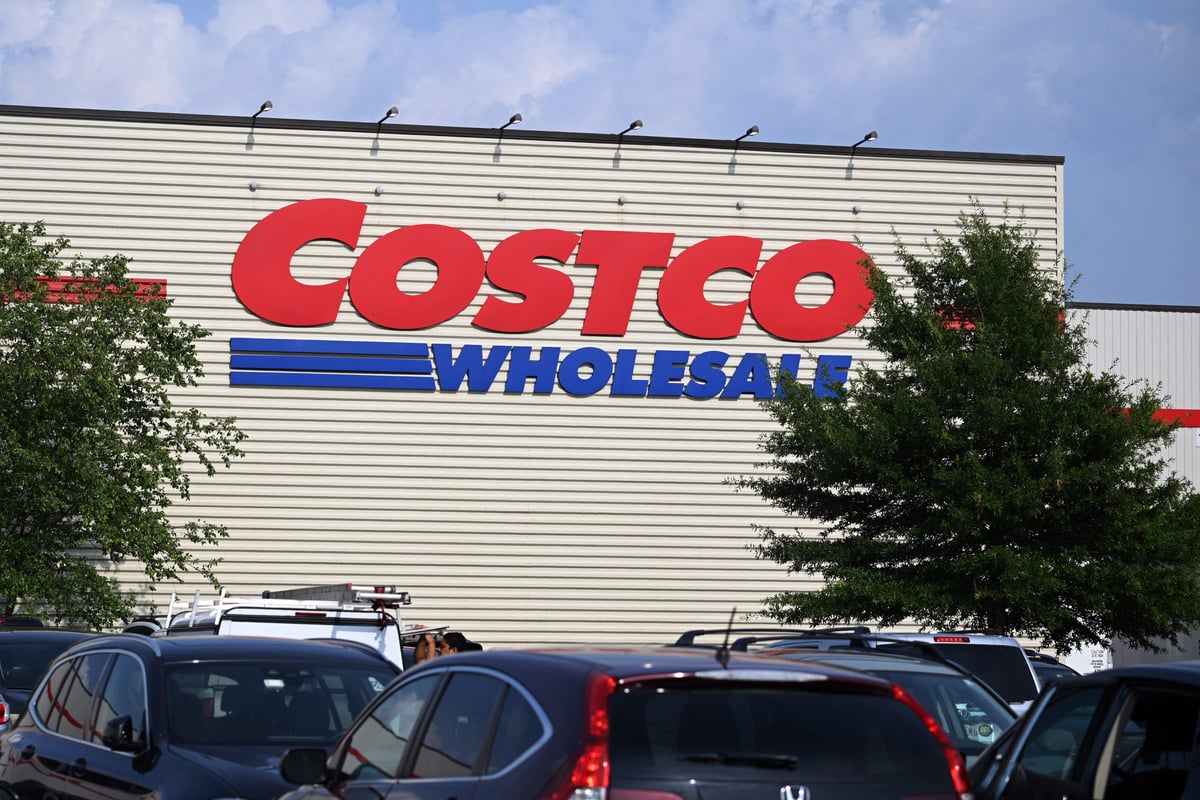
Costco vs. McDonald's: A Dividend Comparison

- Costco Sales Growth: Costco reported a 13% year-over-year increase in net sales for April, reaching approximately $24 billion, and even after excluding gasoline price changes, comparable sales rose 7.8%, indicating strong market demand and customer loyalty.
- Dividend Increase: The board approved a quarterly dividend increase from $1.30 to $1.47 per share in April, marking 22 consecutive years of dividend hikes, and while the yield is only 0.6%, the stable membership income provides robust support for this payout.
- McDonald's Revenue Analysis: McDonald's first-quarter revenue rose 9% to $6.52 billion, but only grew 4% in constant currencies, indicating a growth rate significantly lower than Costco's, despite a 6% increase in net income to $1.98 billion.
- Dividends and Buybacks: McDonald's pays a quarterly dividend of $1.86, annualized to $7.44, yielding 2.6%, and repurchased 1.3 million shares for $393 million in the quarter, demonstrating strong capital return capabilities, although it faces risks from weakening consumer demand.
See More
Costco Reports 13% Sales Growth in April
- Strong Sales Performance: Costco reported net sales of $23.92 billion in April, marking a 13% year-over-year increase, although actual growth was slightly lower due to the Easter calendar shift, demonstrating the company's robust ability to maintain steady sales.
- Comparable Sales Growth: Total comparable sales rose 11.6%, with digital comparable sales climbing 18.8%, indicating a sustained consumer demand for online shopping and further solidifying Costco's competitive position in the retail market.
- Membership Fee Income Growth: Membership fee income increased by 13.6%, with a 7.5% rise after excluding foreign exchange impacts, reflecting the company's confidence in future growth and its ability to continue attracting new members.
- Future Outlook: Despite facing tariff risks and a slight decline in membership renewal rates, the company plans to open 28 new warehouses in fiscal 2026, showcasing its long-term growth potential, and investors may consider starting a small position to capture future gains.
See More
Amazon Stock Poised to Outperform S&P 500
- Cloud Growth Acceleration: Amazon Web Services (AWS) reported a 28% revenue increase in Q1, reaching $37.6 billion, marking its fastest growth in nearly four years, indicating a strong recovery in the cloud market that is expected to drive overall performance.
- Chip Business Surge: Amazon's chip division is on a $20 billion annual run-rate, projected to reach $50 billion with internal usage, as data center spending rises, attracting investor attention and enhancing the company's competitive edge in AI infrastructure.
- Agentic AI Advantage: Amazon is well-positioned in both hardware and platform for agentic AI, particularly with its collaboration with OpenAI on the Amazon BedRock platform, which enables customers to build AI agents, likely boosting its e-commerce leadership in smart commerce.
- E-commerce Efficiency Gains: Amazon's e-commerce operations are benefiting from robotics and AI, leading to significant operating leverage where profit growth outpaces revenue growth, further solidifying its market position and potential for future expansion.
See More
Amazon's Cloud and Chip Business Opportunities
- Accelerating Cloud Growth: Amazon Web Services (AWS) reported a 28% revenue increase in Q1, reaching $37.6 billion, marking its fastest growth in nearly four years, indicating a robust recovery in the cloud market that is expected to drive overall company performance.
- Chip Business Gains Attention: Amazon's chip division has reached a $20 billion annual run-rate, with projections of $50 billion when including internal usage, which, while not counted in sales, significantly reduces inference costs and enhances capital expenditure efficiency, boosting investor confidence.
- E-commerce Efficiency Gains: Amazon is leveraging robotics and AI to drive operational efficiency in its e-commerce business, leading to profitability growth that outpaces revenue growth; should investors recognize its robotics capabilities, this could trigger a stock price surge.
- Attractive Valuation: With a forward P/E ratio of 32, Amazon is positioned favorably compared to Walmart and Costco, which trade above 40 times, suggesting significant room for stock price appreciation in the coming year.
See More
Nike Sued Over Failure to Refund Tariff Costs
- Tariff Refund Lawsuit: Consumers filed a lawsuit against Nike on Friday, accusing the company of failing to refund significant tariff-related costs passed on through higher prices, arguing that Nike should not retain expected refunds.
- Price Increase Impact: Nike raised prices on some footwear by $5 to $10 and apparel by $2 to $10 due to tariffs, imposing additional costs on consumers and potentially damaging the brand's market reputation.
- Legal Liability Dispute: The complaint claims that Nike has made no legally binding commitment to return tariff-related overcharges, raising concerns that the company could profit twice—once from consumers through higher prices and again from the government through tariff refunds.
- Industry Context: Nike's lawsuit parallels similar cases against companies like Costco and EssilorLuxottica, highlighting growing consumer scrutiny regarding corporate transparency and accountability in the wake of tariff policy changes.
See More
Trade Desk Faces Publicis Challenge Amid Earnings Miss
- Publicis Controversy Impact: Trade Desk's Q1 2026 earnings miss led to a 13.11% drop in pre-market trading, primarily due to Publicis's concerns over pricing and transparency, which could result in client losses and significantly impact Q2 and Q3 revenues.
- Margin Pressure: The company targets a full-year adjusted EBITDA margin of 40%, yet reported only 30% in Q1, necessitating substantial revenue growth or aggressive cost control in the second half, with management failing to provide a clear strategy, thus increasing market uncertainty.
- Long-Term Outlook Remains Positive: Despite short-term challenges, Trade Desk's long-term strategies, including open internet principles, retail media, and AI search, remain attractive, with Jeff Green's $150 million stock purchase reflecting confidence in the company's future.
- Cautious Market Reaction: Although Publicis's audit found no issues, the market's response to Trade Desk remains cautious, with heightened investor concerns about future profitability and market share, indicating a strong focus on the company's near-term performance.
See More
Costco vs. McDonald's: A Dividend Comparison
- Costco Sales Growth: Costco reported a 13% year-over-year increase in net sales for April, reaching approximately $24 billion, and even after excluding gasoline price changes, comparable sales rose 7.8%, indicating strong market demand and customer loyalty.
- Dividend Increase: The board approved a quarterly dividend increase from $1.30 to $1.47 per share in April, marking 22 consecutive years of dividend hikes, and while the yield is only 0.6%, the stable membership income provides robust support for this payout.
- McDonald's Revenue Analysis: McDonald's first-quarter revenue rose 9% to $6.52 billion, but only grew 4% in constant currencies, indicating a growth rate significantly lower than Costco's, despite a 6% increase in net income to $1.98 billion.
- Dividends and Buybacks: McDonald's pays a quarterly dividend of $1.86, annualized to $7.44, yielding 2.6%, and repurchased 1.3 million shares for $393 million in the quarter, demonstrating strong capital return capabilities, although it faces risks from weakening consumer demand.
See More