Consumer Stocks Defy Market Trends with Gains
Written by Emily J. Thompson, Senior Investment Analyst
Updated: Mar 09 2026
0mins

Source: Fool
- Coca-Cola Consolidated Performance: Coca-Cola Consolidated's stock surged 51% over the past year, reaching a market cap of $14 billion, and despite revenue growth not exceeding 12%, it has achieved 16 consecutive years of positive growth, indicating its stable market performance and long-term investment value.
- McDonald's Product Innovation: McDonald's launched the limited-time Big Arch, and despite controversy surrounding the CEO's tasting video, the company achieved a net margin of 27% in 2025, with expectations to increase dividends, solidifying its status as a 'Dividend King'.
- Restaurant Brands International Growth: Restaurant Brands International boasts a market cap of $26 billion, and while smaller than McDonald's, it achieved a 12% revenue growth rate in 2025 and offers a 3.5% dividend yield, showcasing its attractiveness in a competitive market.
- Defensive Consumer Trends: Amid economic uncertainty, oil, gas, and defense sectors performed strongly, while consumer companies like Coca-Cola, McDonald's, and Restaurant Brands International reached new stock highs, reflecting market confidence and demand for these brands.
Trade with 70% Backtested Accuracy
Stop guessing "Should I Buy COKE?" and start using high-conviction signals backed by rigorous historical data.
Sign up today to access powerful investing tools and make smarter, data-driven decisions.
Analyst Views on COKE
About COKE
Coca-Cola Consolidated, Inc. distributes, markets and manufactures nonalcoholic beverages, primarily products of The Coca-Cola Company. The Company also distributes products to several other beverage companies, including Keurig Dr Pepper Inc. and Monster Energy Company. The Company offers a range of nonalcoholic beverage products and flavors, including both sparkling and still beverages. Sparkling beverages are carbonated beverages, and the Company's principal sparkling beverage is Coca-Cola. Its still beverages include energy products and noncarbonated beverages such as bottled water, ready to drink tea, ready to drink coffee, enhanced water, juices and sports drinks. Its products are sold and distributed in the United States through various channels, which include selling directly to customers, including grocery stores, mass merchandise stores, club stores, convenience stores and drug stores, and selling to on-premise locations, where products are typically consumed immediately.
About the author

Emily J. Thompson
Emily J. Thompson, a Chartered Financial Analyst (CFA) with 12 years in investment research, graduated with honors from the Wharton School. Specializing in industrial and technology stocks, she provides in-depth analysis for Intellectia’s earnings and market brief reports.

Coca-Cola Consolidated Declares Q2 2026 Dividend

- Dividend Announcement: Coca-Cola Consolidated's Board of Directors has declared a second-quarter dividend of $0.25 per share for 2026, payable on May 8, 2026, reflecting the company's ongoing commitment to shareholder returns.
- Record Date for Shareholders: The record date for this dividend is set for April 24, 2026, ensuring that shareholders holding stock by this date will receive the dividend, which bolsters investor confidence.
- Company Background: Coca-Cola Consolidated is the largest Coca-Cola bottler in the U.S., operating across 14 states and the District of Columbia, serving approximately 60 million consumers, showcasing its significant market influence in the beverage sector.
- Long-term Commitment: With over 124 years of history, the company is dedicated to providing quality beverages to consumers and communities, reflecting its commitment to sustainable growth and profitability.
See More

TSMC Reports Record Q1 Revenue Driven by AI Demand


- Significant Revenue Growth: TSMC reported a record first-quarter revenue of $35.6 billion, reflecting a 35% year-on-year increase that surpassed analyst expectations, showcasing the company's robust performance in the global semiconductor market, particularly driven by AI demand.
- Margin Expectations Rise: Analysts project that TSMC's gross margins could reach an astonishing 64% when full earnings are released on April 16, further solidifying its leadership in high-end chip manufacturing and boosting investor confidence.
- Intensifying Market Competition: As tech giants like Alphabet and Arm pivot to designing custom internal silicon, TSMC's unique manufacturing capabilities position it as a critical partner for these companies, ensuring its competitive edge in an increasingly crowded market.
- Optimistic Future Outlook: Market attention now shifts to ASML's upcoming earnings report, as the Dutch lithography giant provides essential machinery for TSMC to maintain its lead over rivals, making its performance crucial for TSMC's future growth potential.
See More

U.S. Markets Increased on Monday; QXO Saw the Largest Gain


- U.S. Stock Market Performance: Stock indexes in the U.S. experienced gains on Monday, with the S&P 500 rising by 1.38%.
- Index Movements: The Dow Jones Industrial Average also increased by 1.38%, while the Nasdaq Composite saw a rise of 1.15%.
See More
Warren Buffett's Investment Legacy and Lessons

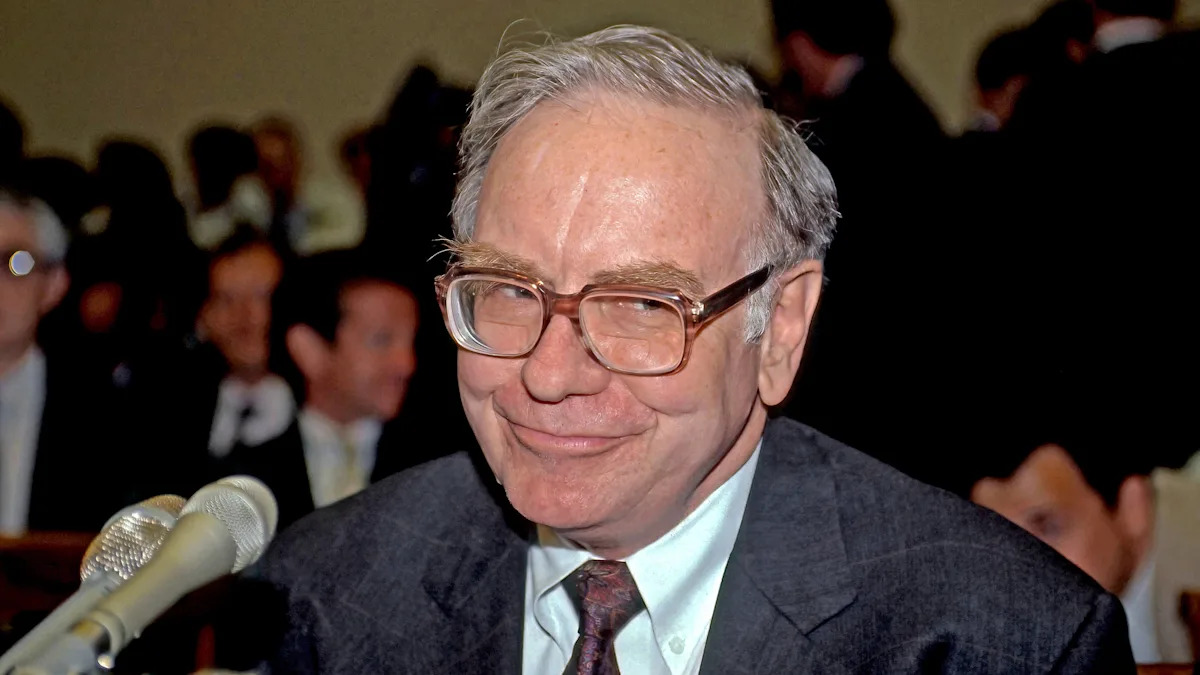
- Staggering Returns: Since Warren Buffett took control of Berkshire Hathaway in 1965, the company's stock has returned over 6 million%, vastly outperforming the S&P 500's 46,061% during the same period, showcasing his exceptional investment acumen and the success of a long-term holding strategy.
- Coca-Cola's Lasting Profits: Buffett invested $1.3 billion in Coca-Cola in 1988, and by 2025, its value had soared to $31 billion, with annual dividends increasing from $75 million to $816 million, illustrating the power of compounding and brand strength.
- Bank of America's Strategic Deal: In 2011, Buffett invested $5 billion in Bank of America, securing $300 million in annual income and realizing a $12 billion paper profit by 2017 through warrant exercise, demonstrating his ability to seize opportunities during crises.
- Apple's Strategic Investment: Buffett invested approximately $36 billion in Apple in 2016, and by 2023, its value exceeded $174 billion, indicating his deep understanding of consumer brands and a successful pivot into tech investments.
See More
Analysis of Consumer Staples Stock Appeal


- Sector Positioning: Consumer staples stocks represent only 5.3% of the S&P 500, ranking as the seventh-largest sector weight, yet their everyday product familiarity fosters brand loyalty, making them a focal point for investors despite lacking the glamour of tech stocks.
- Coca-Cola Europacific Partners: This company serves over 600 million consumers across 31 markets, boasting a market cap of $45 billion and a dividend yield of 2.30%, indicating strong shareholder return potential and solid dividend growth prospects.
- Keurig Dr Pepper Acquisition: The company is nearing the completion of its $18 billion acquisition of JDE Peet's, with expectations to generate $4.2 billion in annual free cash flow from 2027 to 2030, supported by $1 billion in cash liquidity, despite an increase in debt ratio.
- Clorox's Recovery Potential: Although Clorox's stock has declined 37.6% over the past five years, it maintains a market cap of $13 billion and a dividend yield of 4.54%, with its innovative R&D efforts positioning it to rebound and attract income-focused investors.
See More

Investment Opportunities in Consumer Staples Sector
- Strong Sector Performance: The consumer staples sector has outperformed the broader market in 2023, capturing investor interest due to its stable dividend yields and lower volatility, despite only representing 5.3% of the S&P 500, highlighting its investment appeal.
- Coca-Cola Europacific Partners: This company serves over 600 million consumers across 31 markets, operating independently while Coca-Cola retains a 19% stake, and is expected to benefit from rising demand for Coca-Cola products, showcasing potential for reliable dividend growth.
- Keurig Dr Pepper Acquisition: Keurig Dr Pepper is nearing the completion of its $18 billion acquisition of JDE Peet's, with expectations of generating $4.2 billion in annual free cash flow from 2027 to 2030, although dividend growth may slow in the short term, the long-term outlook remains positive.
- Clorox's Recovery Potential: Despite a 37.6% decline in stock price over the past five years, Clorox's nearly fifty-year streak of dividend increases and ongoing R&D efforts may support a rebound, making it attractive for income-seeking investors.
See More
Coca-Cola Consolidated Declares Q2 2026 Dividend
- Dividend Announcement: Coca-Cola Consolidated's Board of Directors has declared a second-quarter dividend of $0.25 per share for 2026, payable on May 8, 2026, reflecting the company's ongoing commitment to shareholder returns.
- Record Date for Shareholders: The record date for this dividend is set for April 24, 2026, ensuring that shareholders holding stock by this date will receive the dividend, which bolsters investor confidence.
- Company Background: Coca-Cola Consolidated is the largest Coca-Cola bottler in the U.S., operating across 14 states and the District of Columbia, serving approximately 60 million consumers, showcasing its significant market influence in the beverage sector.
- Long-term Commitment: With over 124 years of history, the company is dedicated to providing quality beverages to consumers and communities, reflecting its commitment to sustainable growth and profitability.
See More
TSMC Reports Record Q1 Revenue Driven by AI Demand
- Significant Revenue Growth: TSMC reported a record first-quarter revenue of $35.6 billion, reflecting a 35% year-on-year increase that surpassed analyst expectations, showcasing the company's robust performance in the global semiconductor market, particularly driven by AI demand.
- Margin Expectations Rise: Analysts project that TSMC's gross margins could reach an astonishing 64% when full earnings are released on April 16, further solidifying its leadership in high-end chip manufacturing and boosting investor confidence.
- Intensifying Market Competition: As tech giants like Alphabet and Arm pivot to designing custom internal silicon, TSMC's unique manufacturing capabilities position it as a critical partner for these companies, ensuring its competitive edge in an increasingly crowded market.
- Optimistic Future Outlook: Market attention now shifts to ASML's upcoming earnings report, as the Dutch lithography giant provides essential machinery for TSMC to maintain its lead over rivals, making its performance crucial for TSMC's future growth potential.
See More
U.S. Markets Increased on Monday; QXO Saw the Largest Gain
- U.S. Stock Market Performance: Stock indexes in the U.S. experienced gains on Monday, with the S&P 500 rising by 1.38%.
- Index Movements: The Dow Jones Industrial Average also increased by 1.38%, while the Nasdaq Composite saw a rise of 1.15%.
See More
Warren Buffett's Investment Legacy and Lessons
- Staggering Returns: Since Warren Buffett took control of Berkshire Hathaway in 1965, the company's stock has returned over 6 million%, vastly outperforming the S&P 500's 46,061% during the same period, showcasing his exceptional investment acumen and the success of a long-term holding strategy.
- Coca-Cola's Lasting Profits: Buffett invested $1.3 billion in Coca-Cola in 1988, and by 2025, its value had soared to $31 billion, with annual dividends increasing from $75 million to $816 million, illustrating the power of compounding and brand strength.
- Bank of America's Strategic Deal: In 2011, Buffett invested $5 billion in Bank of America, securing $300 million in annual income and realizing a $12 billion paper profit by 2017 through warrant exercise, demonstrating his ability to seize opportunities during crises.
- Apple's Strategic Investment: Buffett invested approximately $36 billion in Apple in 2016, and by 2023, its value exceeded $174 billion, indicating his deep understanding of consumer brands and a successful pivot into tech investments.
See More
Analysis of Consumer Staples Stock Appeal
- Sector Positioning: Consumer staples stocks represent only 5.3% of the S&P 500, ranking as the seventh-largest sector weight, yet their everyday product familiarity fosters brand loyalty, making them a focal point for investors despite lacking the glamour of tech stocks.
- Coca-Cola Europacific Partners: This company serves over 600 million consumers across 31 markets, boasting a market cap of $45 billion and a dividend yield of 2.30%, indicating strong shareholder return potential and solid dividend growth prospects.
- Keurig Dr Pepper Acquisition: The company is nearing the completion of its $18 billion acquisition of JDE Peet's, with expectations to generate $4.2 billion in annual free cash flow from 2027 to 2030, supported by $1 billion in cash liquidity, despite an increase in debt ratio.
- Clorox's Recovery Potential: Although Clorox's stock has declined 37.6% over the past five years, it maintains a market cap of $13 billion and a dividend yield of 4.54%, with its innovative R&D efforts positioning it to rebound and attract income-focused investors.
See More
Investment Opportunities in Consumer Staples Sector
- Strong Sector Performance: The consumer staples sector has outperformed the broader market in 2023, capturing investor interest due to its stable dividend yields and lower volatility, despite only representing 5.3% of the S&P 500, highlighting its investment appeal.
- Coca-Cola Europacific Partners: This company serves over 600 million consumers across 31 markets, operating independently while Coca-Cola retains a 19% stake, and is expected to benefit from rising demand for Coca-Cola products, showcasing potential for reliable dividend growth.
- Keurig Dr Pepper Acquisition: Keurig Dr Pepper is nearing the completion of its $18 billion acquisition of JDE Peet's, with expectations of generating $4.2 billion in annual free cash flow from 2027 to 2030, although dividend growth may slow in the short term, the long-term outlook remains positive.
- Clorox's Recovery Potential: Despite a 37.6% decline in stock price over the past five years, Clorox's nearly fifty-year streak of dividend increases and ongoing R&D efforts may support a rebound, making it attractive for income-seeking investors.
See More