Consumer Stocks Decline as Market Reacts Weakly
Written by Emily J. Thompson, Senior Investment Analyst
Updated: Dec 31 2025
0mins


Should l Buy NKE?
Source: Yahoo Finance
- Market Weakness: Consumer stocks broadly declined late Wednesday afternoon, reflecting investor concerns about the economic outlook, which could lead to short-term capital outflows from the consumer sector.
- Industry Impact: The decline in the Consumer Staples Select Sector may affect the earnings expectations of related companies, particularly as consumer spending could be restrained in the context of an economic slowdown.
- Investor Sentiment: The negative market reaction towards consumer stocks indicates uncertainty among investors regarding future economic growth, potentially prompting a shift towards defensive assets to mitigate risk.
- Strategic Adjustments: As consumer stocks fall, investors may need to reassess their portfolios and consider how to adjust their investment strategies in light of increasing economic uncertainty.
Trade with 70% Backtested Accuracy
Stop guessing "Should I Buy NKE?" and start using high-conviction signals backed by rigorous historical data.
Sign up today to access powerful investing tools and make smarter, data-driven decisions.
Analyst Views on NKE
Wall Street analysts forecast NKE stock price to rise
21 Analyst Rating
14 Buy
7 Hold
0 Sell
Moderate Buy
Current: 52.820

Low
62.00
Averages
76.11
High
110.00
Current: 52.820
Low
62.00
Averages
76.11
High
110.00
About NKE
NIKE, Inc. is engaged in the designing, marketing and distributing of athletic footwear, apparel, equipment and accessories and services for sports and fitness activities. The Company's operating segments include North America; Europe, Middle East & Africa (EMEA); Greater China; and Asia Pacific & Latin America (APLA). It sells a line of equipment and accessories under the NIKE Brand name, including bags, socks, sport balls, eyewear, timepieces, digital devices, bats, gloves, protective equipment and other equipment designed for sports activities. It also designs products specifically for the Jordan Brand and Converse. The Jordan Brand designs, distributes and licenses athletic and casual footwear, apparel and accessories predominantly focused on basketball performance and culture using the Jumpman trademark. The Company also designs, distributes and licenses casual sneakers, apparel and accessories under the Chuck Taylor, All Star, One Star, Star Chevron and Jack Purcell trademarks.
About the author

Emily J. Thompson
Emily J. Thompson, a Chartered Financial Analyst (CFA) with 12 years in investment research, graduated with honors from the Wharton School. Specializing in industrial and technology stocks, she provides in-depth analysis for Intellectia’s earnings and market brief reports.
Nike's Slow Recovery in the Chinese Market
- Early Recovery Strategy: Nike CEO Elliott Hill stated that the company's turnaround strategy in Greater China is still in its early stages, with results taking longer to materialize than expected, indicating the complexities of the market environment.
- Sales Forecast Downgrade: Nike expects Q4 revenue to decline by 2% to 4% year-on-year, translating to $10.66 billion to $10.88 billion, which is below Wall Street's expectation of $11.3 billion, reflecting significant challenges in the Chinese market.
- Analyst Rating Downgrades: JPMorgan downgraded Nike from 'Overweight' to 'Neutral', lowering the price target from $86 to $52, emphasizing the slow recovery process and projecting that growth may not resume for another four quarters.
- Negative Market Reaction: Nike's stock plummeted over 11% in pre-market trading on Wednesday, down 17% year-to-date, highlighting investor concerns about the company's future performance, especially when compared to the S&P 500 ETF and Vanguard Total Stock Market Index Fund, which have shown positive gains.
See More

Nike Faces Revenue Decline in Greater China Market
- Revenue Decline in Greater China: Nike's revenue in the Greater China market fell by 7% to $1.62 billion, reflecting ongoing challenges that could impact the company's overall performance and market share.
- Inventory Management Improvement: Nike ended the quarter with $8.49 billion in inventory, down 1% year-over-year, indicating progress in clearing excess inventory, although it still faces pressure from rising product costs.
- Gross Margin Decline: The company's gross profit margin slid 130 basis points to 40.2% in Q3, primarily due to increased tariffs in North America, which may affect future profitability and investor confidence.
- CEO Turnaround Strategy: CEO Elliott Hill is implementing a multi-year turnaround strategy aimed at repairing relationships with retailers and improving overall business health, although this process may take considerable time to yield results.
See More
Nike Reports Disappointing Earnings, Stock Plummets

- Weak Sales: Nike's fiscal Q3 2026 results showed flat year-over-year sales and a 35% decline in net income to $520 million, primarily due to rising tariffs in North America and sluggish performance in China, indicating significant challenges during the company's turnaround phase.
- Narrowing Gross Margin: The company's gross margin contracted by 130 basis points to 40.2%, which not only impacted profitability but also led to a 35% drop in earnings per share to $0.35, reflecting pressures on cost control and market competition.
- Bleak Outlook for China: Management's guidance for a 20% year-over-year decline in sales in China is startling, especially after a 10% drop in Q3, highlighting Nike's loss of market share to competitors in the region.
- Wholesale Channel Growth: Despite challenges, Nike's wholesale revenues increased by 5% year-over-year to $6.5 billion, demonstrating that the company's renewed focus on the wholesale channel is yielding revenue stability in North America and strengthening its financial foundation.
See More
US Stocks Rise on Optimism Over Middle East Conflict Resolution

- Market Rally: The S&P 500 Index rose by 0.97%, the Dow Jones Industrial Average by 0.86%, and the Nasdaq 100 by 1.45%, reflecting growing investor confidence amid optimism that the Middle East conflict may soon conclude, which could stabilize global markets.
- Strong Economic Data: The US ADP employment change for March increased by 62,000, surpassing expectations of 40,000, while February retail sales rose by 0.6% month-over-month, indicating robust economic recovery that may influence Federal Reserve policy decisions.
- Interest Rate Outlook: Despite a mere 1% chance of a 25 basis point rate hike at the upcoming FOMC meeting, hawkish comments from St. Louis Fed President raised concerns about inflation and employment risks, potentially affecting investor sentiment and market dynamics.
- Divergent Stock Performances: Target Hospitality surged by over 37% after securing a multi-year contract worth over $550 million, while Nike fell by more than 13% due to revenue forecasts indicating a decline, highlighting varied market reactions to company-specific news.
See More

Nike Reports 35% Decline in Q3 Net Income Amid Tariff Pressures
- Significant Net Income Drop: Nike's net income for fiscal Q3 2026 plummeted 35% year-over-year to $520 million, primarily due to a 130 basis point contraction in gross margin to 40.2% from increased North American tariffs, posing considerable pressure on the company's financial health.
- Wholesale Revenue Growth: Despite flat overall sales, Nike's wholesale revenue rose 5% year-over-year to $6.5 billion, indicating a resurgence in the wholesale channel that could support future revenue growth amid ongoing challenges.
- Challenges in China Market: Nike anticipates a startling 20% decline in Greater China sales, particularly concerning given that sales had already fallen 10% in Q3, reflecting the urgency of the company's efforts to clean up market inventory.
- Strong Financial Foundation: Ending the quarter with $8.1 billion in cash and short-term investments, Nike managed to return $609 million to shareholders via dividends in Q3, demonstrating its financial resilience even in the face of significant challenges.
See More
Eli Lilly Gains FDA Approval, Shares Rise


- FDA Drug Approval: Eli Lilly's once-daily GLP-1 pill Foundayo received FDA approval, leading to a 4% rise in shares, which will enhance the company's competitive edge in the obesity treatment market and drive future sales growth.
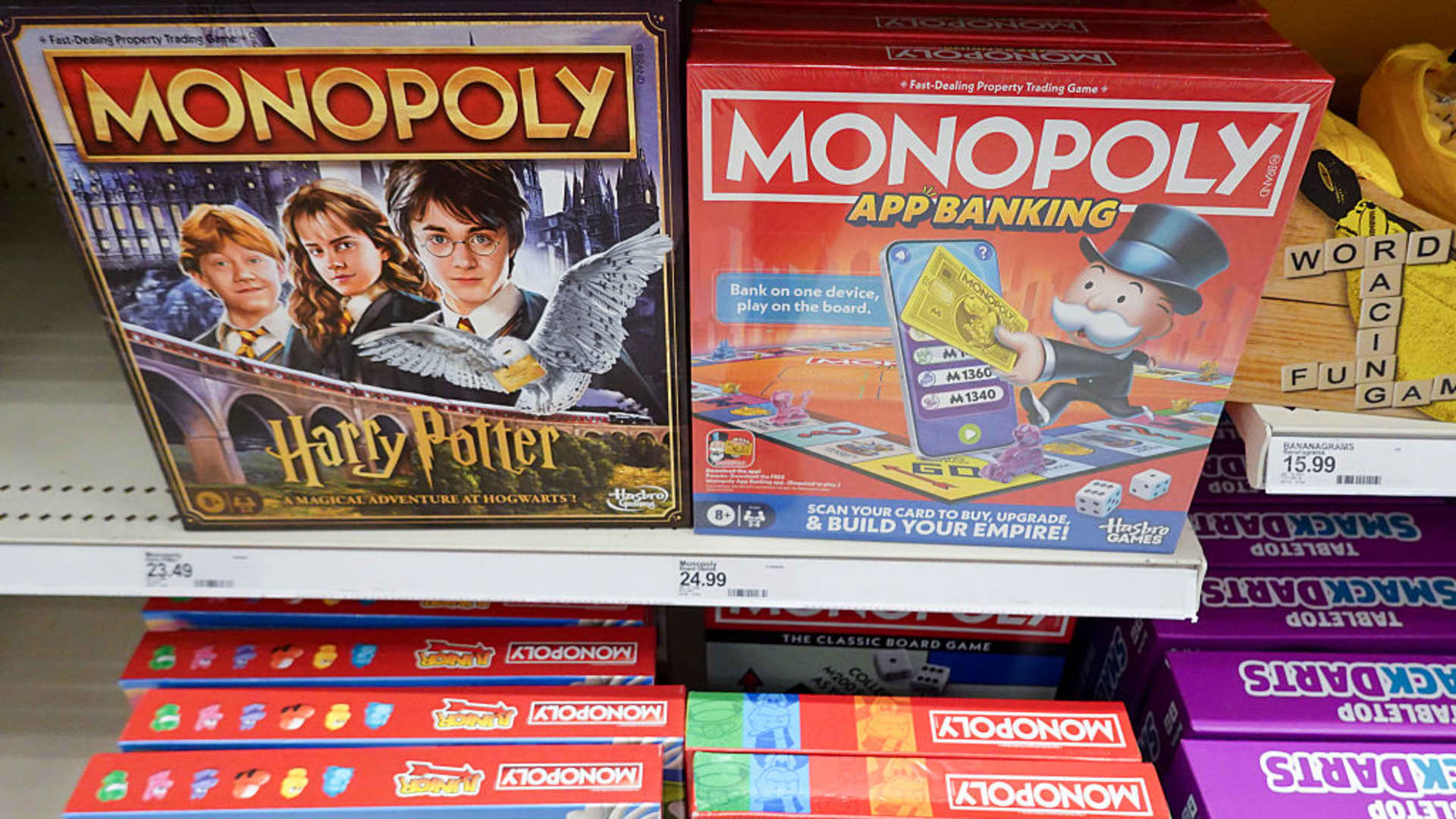
- Cybersecurity Incident Impact: Hasbro's shares fell over 4% due to a cybersecurity incident involving unauthorized network access, with the company investigating the full impact and implementing protective measures, potentially increasing operational costs in the short term.
- Tobacco Product Delay: Philip Morris International's shares dropped more than 5% after the FDA delayed authorization for nicotine pouch sales, which may hinder the company's future market expansion plans, particularly among new user demographics.
- Semiconductor Buyback Plan: Intel announced a $14.2 billion buyback of a 49% stake in its Ireland Fab 34 joint venture, resulting in a 9% increase in shares, with funding sourced from cash on hand and approximately $6.5 billion in new debt, expected to strengthen its position in the global semiconductor market.
See More
Nike's Slow Recovery in the Chinese Market
- Early Recovery Strategy: Nike CEO Elliott Hill stated that the company's turnaround strategy in Greater China is still in its early stages, with results taking longer to materialize than expected, indicating the complexities of the market environment.
- Sales Forecast Downgrade: Nike expects Q4 revenue to decline by 2% to 4% year-on-year, translating to $10.66 billion to $10.88 billion, which is below Wall Street's expectation of $11.3 billion, reflecting significant challenges in the Chinese market.
- Analyst Rating Downgrades: JPMorgan downgraded Nike from 'Overweight' to 'Neutral', lowering the price target from $86 to $52, emphasizing the slow recovery process and projecting that growth may not resume for another four quarters.
- Negative Market Reaction: Nike's stock plummeted over 11% in pre-market trading on Wednesday, down 17% year-to-date, highlighting investor concerns about the company's future performance, especially when compared to the S&P 500 ETF and Vanguard Total Stock Market Index Fund, which have shown positive gains.
See More
Nike Faces Revenue Decline in Greater China Market
- Revenue Decline in Greater China: Nike's revenue in the Greater China market fell by 7% to $1.62 billion, reflecting ongoing challenges that could impact the company's overall performance and market share.
- Inventory Management Improvement: Nike ended the quarter with $8.49 billion in inventory, down 1% year-over-year, indicating progress in clearing excess inventory, although it still faces pressure from rising product costs.
- Gross Margin Decline: The company's gross profit margin slid 130 basis points to 40.2% in Q3, primarily due to increased tariffs in North America, which may affect future profitability and investor confidence.
- CEO Turnaround Strategy: CEO Elliott Hill is implementing a multi-year turnaround strategy aimed at repairing relationships with retailers and improving overall business health, although this process may take considerable time to yield results.
See More
Nike Reports Disappointing Earnings, Stock Plummets
- Weak Sales: Nike's fiscal Q3 2026 results showed flat year-over-year sales and a 35% decline in net income to $520 million, primarily due to rising tariffs in North America and sluggish performance in China, indicating significant challenges during the company's turnaround phase.
- Narrowing Gross Margin: The company's gross margin contracted by 130 basis points to 40.2%, which not only impacted profitability but also led to a 35% drop in earnings per share to $0.35, reflecting pressures on cost control and market competition.
- Bleak Outlook for China: Management's guidance for a 20% year-over-year decline in sales in China is startling, especially after a 10% drop in Q3, highlighting Nike's loss of market share to competitors in the region.
- Wholesale Channel Growth: Despite challenges, Nike's wholesale revenues increased by 5% year-over-year to $6.5 billion, demonstrating that the company's renewed focus on the wholesale channel is yielding revenue stability in North America and strengthening its financial foundation.
See More
US Stocks Rise on Optimism Over Middle East Conflict Resolution
- Market Rally: The S&P 500 Index rose by 0.97%, the Dow Jones Industrial Average by 0.86%, and the Nasdaq 100 by 1.45%, reflecting growing investor confidence amid optimism that the Middle East conflict may soon conclude, which could stabilize global markets.
- Strong Economic Data: The US ADP employment change for March increased by 62,000, surpassing expectations of 40,000, while February retail sales rose by 0.6% month-over-month, indicating robust economic recovery that may influence Federal Reserve policy decisions.
- Interest Rate Outlook: Despite a mere 1% chance of a 25 basis point rate hike at the upcoming FOMC meeting, hawkish comments from St. Louis Fed President raised concerns about inflation and employment risks, potentially affecting investor sentiment and market dynamics.
- Divergent Stock Performances: Target Hospitality surged by over 37% after securing a multi-year contract worth over $550 million, while Nike fell by more than 13% due to revenue forecasts indicating a decline, highlighting varied market reactions to company-specific news.
See More
Nike Reports 35% Decline in Q3 Net Income Amid Tariff Pressures
- Significant Net Income Drop: Nike's net income for fiscal Q3 2026 plummeted 35% year-over-year to $520 million, primarily due to a 130 basis point contraction in gross margin to 40.2% from increased North American tariffs, posing considerable pressure on the company's financial health.
- Wholesale Revenue Growth: Despite flat overall sales, Nike's wholesale revenue rose 5% year-over-year to $6.5 billion, indicating a resurgence in the wholesale channel that could support future revenue growth amid ongoing challenges.
- Challenges in China Market: Nike anticipates a startling 20% decline in Greater China sales, particularly concerning given that sales had already fallen 10% in Q3, reflecting the urgency of the company's efforts to clean up market inventory.
- Strong Financial Foundation: Ending the quarter with $8.1 billion in cash and short-term investments, Nike managed to return $609 million to shareholders via dividends in Q3, demonstrating its financial resilience even in the face of significant challenges.
See More
Eli Lilly Gains FDA Approval, Shares Rise
- FDA Drug Approval: Eli Lilly's once-daily GLP-1 pill Foundayo received FDA approval, leading to a 4% rise in shares, which will enhance the company's competitive edge in the obesity treatment market and drive future sales growth.
- Cybersecurity Incident Impact: Hasbro's shares fell over 4% due to a cybersecurity incident involving unauthorized network access, with the company investigating the full impact and implementing protective measures, potentially increasing operational costs in the short term.
- Tobacco Product Delay: Philip Morris International's shares dropped more than 5% after the FDA delayed authorization for nicotine pouch sales, which may hinder the company's future market expansion plans, particularly among new user demographics.
- Semiconductor Buyback Plan: Intel announced a $14.2 billion buyback of a 49% stake in its Ireland Fab 34 joint venture, resulting in a 9% increase in shares, with funding sourced from cash on hand and approximately $6.5 billion in new debt, expected to strengthen its position in the global semiconductor market.
See More