Coca-Cola Excluded from Top Investment Picks
Written by Emily J. Thompson, Senior Investment Analyst
Updated: 1 day ago
0mins
Should l Buy KO?
Source: NASDAQ.COM
- Investment Exclusion: Analysts have highlighted that Coca-Cola has not made it onto the current list of top investment stocks, indicating concerns about its future growth potential, which could negatively impact investor confidence and stock performance.
- Historical Return Comparison: In contrast to previously recommended stocks like Netflix and Nvidia, which achieved returns of 550,348% and 1,127,467% respectively, Coca-Cola's lack of inclusion suggests a disadvantage in investment returns, potentially leading to capital outflows.
- Market Performance Discrepancy: With Stock Advisor's average return at 959%, significantly outperforming the S&P 500's 191%, Coca-Cola's lack of investment appeal may diminish its standing among investors.
- Analyst Position: Despite being a leader in the beverage industry, the negative evaluations from analysts could result in Coca-Cola being overlooked in future investment decisions, thereby affecting its market performance and shareholder value.
Trade with 70% Backtested Accuracy
Stop guessing "Should I Buy KO?" and start using high-conviction signals backed by rigorous historical data.
Sign up today to access powerful investing tools and make smarter, data-driven decisions.
Analyst Views on KO
Wall Street analysts forecast KO stock price to rise
14 Analyst Rating
13 Buy
1 Hold
0 Sell
Strong Buy
Current: 78.180

Low
71.00
Averages
79.33
High
85.00
Current: 78.180
Low
71.00
Averages
79.33
High
85.00
About KO
The Coca-Cola Company is a beverage company. The Company's segments include Europe, Middle East and Africa (EMEA); Latin America; North America; Asia Pacific, and Bottling Investments. It sells multiple brands across several beverage categories worldwide. Its portfolio of sparkling soft drink brands includes Coca-Cola, Sprite and Fanta. Its water, sports, coffee and tea brands include Dasani, smartwater, vitaminwater, Topo Chico, BODYARMOR, Powerade, Costa, Georgia, Fuze Tea, Gold Peak and Ayataka. Its juice, value-added dairy and plant-based beverage brands include Minute Maid, Simply, innocent, Del Valle, fairlife and Santa Clara. It operates in two lines of business: concentrate operations and finished product operations. Its concentrate operations sell beverage concentrates, syrups, including fountain syrups, and certain finished beverages to authorized bottling operations. Its finished product operations sell sparkling soft drinks and a variety of other finished beverages.
About the author

Emily J. Thompson
Emily J. Thompson, a Chartered Financial Analyst (CFA) with 12 years in investment research, graduated with honors from the Wharton School. Specializing in industrial and technology stocks, she provides in-depth analysis for Intellectia’s earnings and market brief reports.

Coca-Cola Set to Release Q1 Earnings Soon

- Upcoming Earnings Report: Coca-Cola is set to release its Q1 earnings on April 28 before U.S. markets open, with investors eagerly anticipating its performance, especially given the stock's 8.6% year-to-date increase, indicating strong market momentum.
- Long-Term Investment Appeal: Recognized as one of Berkshire Hathaway's four 'forever' stocks, Coca-Cola attracts numerous long-term investors, highlighting its resilience and growth potential in the consumer staples sector, making it a timely buy for those looking to enter.
- Low Volatility Characteristic: While concerns about post-earnings volatility exist, Coca-Cola's average post-earnings move has been just 0.7% over the past 12 quarters, making it a relatively safe investment choice, particularly with the recent leadership of new CEO Henrique Braun, which has sparked optimism about future developments.
- Cash Flow and Dividend Growth: With $16 billion in cash on hand by the end of 2025, Coca-Cola has the capacity to invest in its business and continue its dividend growth, having raised dividends for 64 consecutive years, reflecting its strong financial health and commitment to shareholders.
See More

Greg Abel Takes Over as CEO of Berkshire Hathaway, Signaling Strategic Shift

- New CEO Strategy: Greg Abel has taken over as CEO of Berkshire Hathaway from Warren Buffett, showcasing a strong track record in operational management and strategic deals, yet remains untested in portfolio management, which could influence future investment decisions.
- Core Positioning: In his first letter to shareholders, Abel outlined nine core positions that collectively account for approximately 60% of the $320 billion portfolio, indicating a focus on solidifying these key investments to maintain the company's market position.
- Apple Stake Dynamics: Berkshire's stake in Apple represents 18.5% of its marketable equities; despite Buffett's selling activity starting in late 2023, Abel's letter suggests a potential for re-adding to this position, reflecting confidence in Apple's long-term value.
- Investment in Japanese Trading Houses: Berkshire's stake in five Japanese trading houses has increased to 13.4%, with permission to further expand holdings, providing Abel with opportunities to collaborate with these firms on international deals, potentially creating new growth avenues for the company.
See More

Greg Abel's Investment Strategy as Berkshire Hathaway's New CEO
- Core Investment Portfolio: In his letter to shareholders, Abel outlined nine core positions that account for approximately 60% of Berkshire Hathaway's $320 billion portfolio, indicating a strategic focus on stable businesses to strengthen the investment foundation.
- Apple Dynamics: Despite Buffett starting to sell Apple shares at the end of 2023, Abel's commitment to maintaining this largest holding suggests potential for future re-investment, reflecting confidence in Apple's ongoing strong sales performance.
- American Express Transformation: Over the past three decades, American Express has shifted from issuing charge cards to expanding credit, with net interest income growing by 12% last year, showcasing its success in diversifying revenue streams.
- Coca-Cola's Market Advantage: With a robust portfolio of 32 billion-dollar brands, Coca-Cola anticipates organic revenue growth of 4% to 6% this year, maintaining pricing power and market share in a competitive landscape, demonstrating its stable profitability.
See More

Volume 11 of Mental Tips, Tricks & Lifehacks

- Snap Test: David Gardner introduces the 'snap test', which asks if a company would be missed if it disappeared, helping investors identify stocks with long-term value and emphasizing the importance of market impact.
- Household Hack: He shares a simple household trick of using a $10 magnet to distinguish between clean and dirty dishes in the dishwasher, enhancing convenience in daily life and reflecting the significant benefits of small investments.
- Mindset Shift: Gardner poses the question, 'What do you believe that most people don't?' to spark deeper conversations, highlighting the importance of initiating meaningful discussions in social settings.
- Small Bets Strategy: He references multiple books to stress the importance of breaking down large goals into smaller ones to reduce emotional overload and maintain project momentum, encouraging people to build confidence through small wins.
See More

Mental Tips and Lifehacks Volume 11: Investing Insights
- Investment Mental Test: David Gardner introduces the 'Snap Test', which asks if anyone would notice if an AI company disappeared overnight, helping investors identify companies with long-term value and optimize their investment decisions.
- Life Hack: He shares a $10 clean/dirty magnet for dishwashers to simplify household chores, enhancing the quality of life for family members and demonstrating how small investments can yield significant convenience.
- Mindset Shift: Gardner emphasizes the importance of asking 'What do you believe that most people don't?' to spark deeper conversations in social settings, enhancing the depth and breadth of interpersonal relationships.
- Small Goals Strategy: He discusses the importance of breaking down large goals into smaller, manageable tasks to reduce emotional overload, highlighting how small wins can boost personal confidence and sustained motivation.
See More
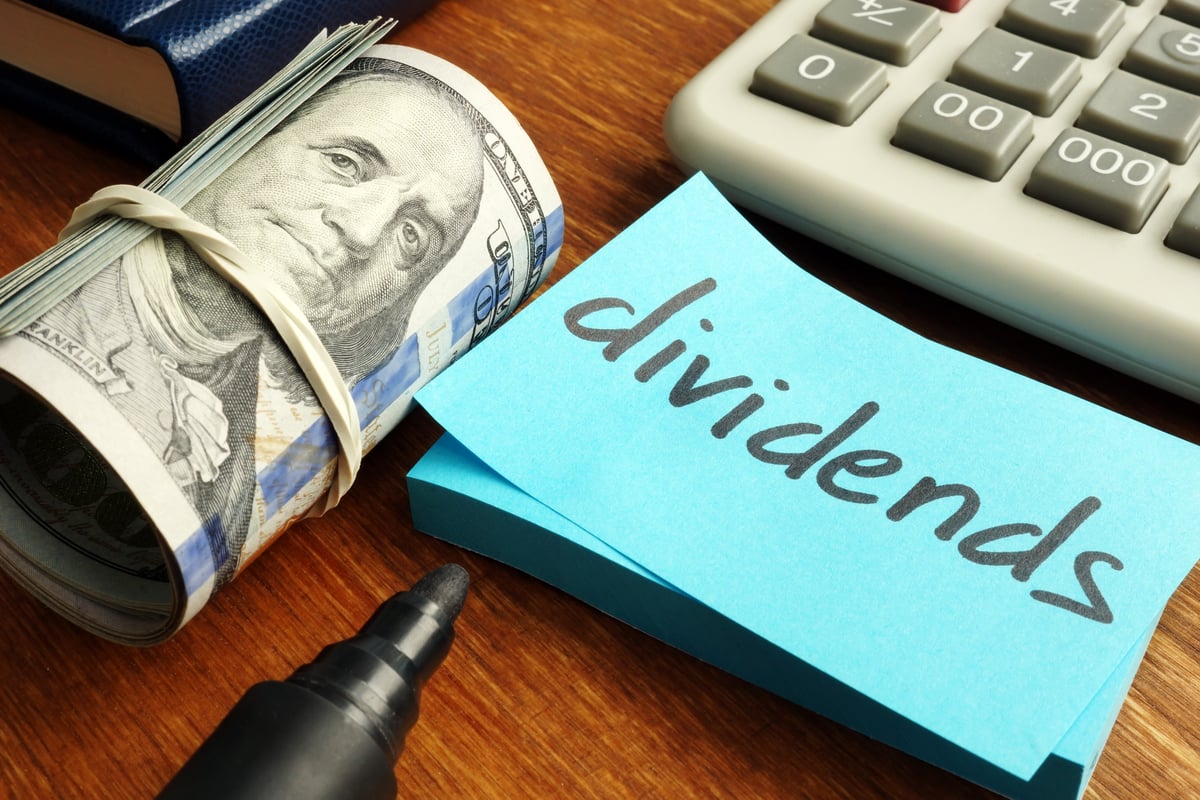
Coca-Cola: A Stable Dividend Investment Choice
- Stable Dividend Yield: At Coca-Cola's current stock price of $75.91, a $5,000 investment would purchase 66 shares, generating approximately $140 in annual passive income, highlighting its appeal as a dividend stock.
- Consistent Dividend Increases: Coca-Cola raised its quarterly dividend to $0.53 in February, marking the 64th consecutive year of dividend hikes approved by the board, demonstrating a strong commitment to shareholders over the long term.
- Strong Market Position: With a market cap of $333 billion, Coca-Cola's robust brand and pricing power help maintain profitability in the competitive beverage industry, reducing the risk of disruption from technological changes.
- Realistic Investment Expectations: Although Coca-Cola's 10-year total return falls short of the S&P 500 index, its stable dividends and long operational history make it an ideal choice for conservative investors seeking reliable income.
See More
Coca-Cola Set to Release Q1 Earnings Soon
- Upcoming Earnings Report: Coca-Cola is set to release its Q1 earnings on April 28 before U.S. markets open, with investors eagerly anticipating its performance, especially given the stock's 8.6% year-to-date increase, indicating strong market momentum.
- Long-Term Investment Appeal: Recognized as one of Berkshire Hathaway's four 'forever' stocks, Coca-Cola attracts numerous long-term investors, highlighting its resilience and growth potential in the consumer staples sector, making it a timely buy for those looking to enter.
- Low Volatility Characteristic: While concerns about post-earnings volatility exist, Coca-Cola's average post-earnings move has been just 0.7% over the past 12 quarters, making it a relatively safe investment choice, particularly with the recent leadership of new CEO Henrique Braun, which has sparked optimism about future developments.
- Cash Flow and Dividend Growth: With $16 billion in cash on hand by the end of 2025, Coca-Cola has the capacity to invest in its business and continue its dividend growth, having raised dividends for 64 consecutive years, reflecting its strong financial health and commitment to shareholders.
See More
Greg Abel Takes Over as CEO of Berkshire Hathaway, Signaling Strategic Shift
- New CEO Strategy: Greg Abel has taken over as CEO of Berkshire Hathaway from Warren Buffett, showcasing a strong track record in operational management and strategic deals, yet remains untested in portfolio management, which could influence future investment decisions.
- Core Positioning: In his first letter to shareholders, Abel outlined nine core positions that collectively account for approximately 60% of the $320 billion portfolio, indicating a focus on solidifying these key investments to maintain the company's market position.
- Apple Stake Dynamics: Berkshire's stake in Apple represents 18.5% of its marketable equities; despite Buffett's selling activity starting in late 2023, Abel's letter suggests a potential for re-adding to this position, reflecting confidence in Apple's long-term value.
- Investment in Japanese Trading Houses: Berkshire's stake in five Japanese trading houses has increased to 13.4%, with permission to further expand holdings, providing Abel with opportunities to collaborate with these firms on international deals, potentially creating new growth avenues for the company.
See More
Greg Abel's Investment Strategy as Berkshire Hathaway's New CEO
- Core Investment Portfolio: In his letter to shareholders, Abel outlined nine core positions that account for approximately 60% of Berkshire Hathaway's $320 billion portfolio, indicating a strategic focus on stable businesses to strengthen the investment foundation.
- Apple Dynamics: Despite Buffett starting to sell Apple shares at the end of 2023, Abel's commitment to maintaining this largest holding suggests potential for future re-investment, reflecting confidence in Apple's ongoing strong sales performance.
- American Express Transformation: Over the past three decades, American Express has shifted from issuing charge cards to expanding credit, with net interest income growing by 12% last year, showcasing its success in diversifying revenue streams.
- Coca-Cola's Market Advantage: With a robust portfolio of 32 billion-dollar brands, Coca-Cola anticipates organic revenue growth of 4% to 6% this year, maintaining pricing power and market share in a competitive landscape, demonstrating its stable profitability.
See More
Volume 11 of Mental Tips, Tricks & Lifehacks
- Snap Test: David Gardner introduces the 'snap test', which asks if a company would be missed if it disappeared, helping investors identify stocks with long-term value and emphasizing the importance of market impact.
- Household Hack: He shares a simple household trick of using a $10 magnet to distinguish between clean and dirty dishes in the dishwasher, enhancing convenience in daily life and reflecting the significant benefits of small investments.
- Mindset Shift: Gardner poses the question, 'What do you believe that most people don't?' to spark deeper conversations, highlighting the importance of initiating meaningful discussions in social settings.
- Small Bets Strategy: He references multiple books to stress the importance of breaking down large goals into smaller ones to reduce emotional overload and maintain project momentum, encouraging people to build confidence through small wins.
See More
Mental Tips and Lifehacks Volume 11: Investing Insights
- Investment Mental Test: David Gardner introduces the 'Snap Test', which asks if anyone would notice if an AI company disappeared overnight, helping investors identify companies with long-term value and optimize their investment decisions.
- Life Hack: He shares a $10 clean/dirty magnet for dishwashers to simplify household chores, enhancing the quality of life for family members and demonstrating how small investments can yield significant convenience.
- Mindset Shift: Gardner emphasizes the importance of asking 'What do you believe that most people don't?' to spark deeper conversations in social settings, enhancing the depth and breadth of interpersonal relationships.
- Small Goals Strategy: He discusses the importance of breaking down large goals into smaller, manageable tasks to reduce emotional overload, highlighting how small wins can boost personal confidence and sustained motivation.
See More
Coca-Cola: A Stable Dividend Investment Choice
- Stable Dividend Yield: At Coca-Cola's current stock price of $75.91, a $5,000 investment would purchase 66 shares, generating approximately $140 in annual passive income, highlighting its appeal as a dividend stock.
- Consistent Dividend Increases: Coca-Cola raised its quarterly dividend to $0.53 in February, marking the 64th consecutive year of dividend hikes approved by the board, demonstrating a strong commitment to shareholders over the long term.
- Strong Market Position: With a market cap of $333 billion, Coca-Cola's robust brand and pricing power help maintain profitability in the competitive beverage industry, reducing the risk of disruption from technological changes.
- Realistic Investment Expectations: Although Coca-Cola's 10-year total return falls short of the S&P 500 index, its stable dividends and long operational history make it an ideal choice for conservative investors seeking reliable income.
See More