CF Industries Options Analysis: $88 Put Contract Offers Significant Appeal
Written by Emily J. Thompson, Senior Investment Analyst
Updated: Jan 22 2026
0mins
Should l Buy CF?
Source: NASDAQ.COM
- Put Contract Appeal: The current bid for the $88.00 put contract is $1.85, and if an investor sells to open this contract, they commit to buying shares at $88.00, effectively lowering their cost basis to $86.15, which is about a 1% discount from the current price of $89.21, making it an attractive option.
- Yield Potential: Should the put contract expire worthless, it would yield a 2.10% return on cash commitment, translating to an annualized yield of 17.84%, highlighting the potential profitability of this strategy.
- Call Contract Returns: The $99.00 call contract has a current bid of $1.30; if an investor buys CF shares at $89.21 and sells this call, they could achieve a total return of 12.43% if the stock is called away at expiration, showcasing the profit potential of this approach.
- Risk Assessment: The $99.00 call contract has a 72% chance of expiring worthless, allowing investors to retain both their shares and the premium collected, which further mitigates investment risk and enhances investor confidence.
Trade with 70% Backtested Accuracy
Stop guessing "Should I Buy CF?" and start using high-conviction signals backed by rigorous historical data.
Sign up today to access powerful investing tools and make smarter, data-driven decisions.
Analyst Views on CF
Wall Street analysts forecast CF stock price to fall
11 Analyst Rating
2 Buy
7 Hold
2 Sell
Hold
Current: 110.050

Low
72.00
Averages
87.55
High
100.00
Current: 110.050
Low
72.00
Averages
87.55
High
100.00
About CF
CF Industries Holdings, Inc. is a global manufacturer of hydrogen and nitrogen products. The Company is focused on decarbonizing its ammonia production network to enable low-carbon hydrogen and nitrogen products for energy, fertilizer, emissions abatement and other industrial activities. The Company's segments include Ammonia, Granular Urea, UAN, AN and Other. Ammonia segment produces anhydrous ammonia (ammonia), which is the base product that it manufactures (containing 82% nitrogen and 18% hydrogen). Granular Urea segment produces granular urea, which contains 46% nitrogen. UAN segment produces urea ammonium nitrate solution (UAN). AN segment produces ammonium nitrate (AN). Other segment primarily includes products, such as diesel exhaust fluid (DEF), urea liquor and nitric acid. Its manufacturing complexes in the United States, Canada, and the United Kingdom, a storage, transportation and distribution network in North America, and logistics capabilities enable a global reach.
About the author

Emily J. Thompson
Emily J. Thompson, a Chartered Financial Analyst (CFA) with 12 years in investment research, graduated with honors from the Wharton School. Specializing in industrial and technology stocks, she provides in-depth analysis for Intellectia’s earnings and market brief reports.
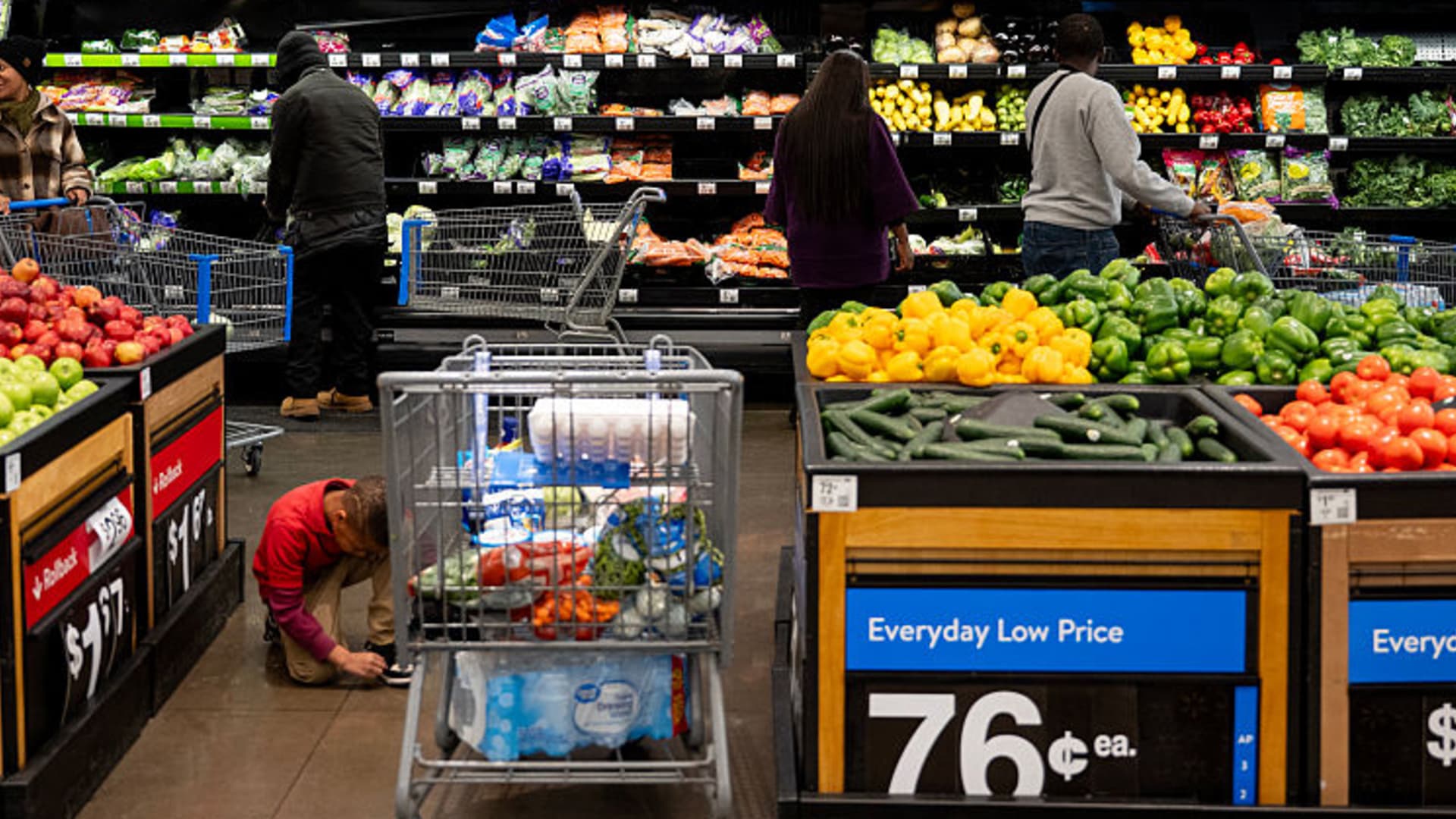
Hormuz Strait Conflict May Drive Up Food Prices


- Fertilizer Supply Risks: The conflict in the Hormuz Strait disrupts over one-third of global fertilizer trade, impacting supply chains and potentially affecting crop fertilization just before spring planting, which could reduce yields.
- Inflationary Pressures: Analysts estimate that fertilizer shortages could raise U.S. food-at-home inflation by approximately 2 percentage points, exacerbating the ongoing price pressures consumers face in food, housing, and energy.
- Surging Fertilizer Prices: In just a few weeks following the onset of the war, the price of urea fertilizer imports in the U.S. surged by 30%, directly increasing production costs for farmers and likely leading to higher food prices for consumers.
- Global Ripple Effects: Many countries, particularly India and several African economies, heavily rely on fertilizer imports from the Gulf region, meaning disruptions could have widespread economic impacts, affecting agricultural output and household expenses.
See More

Gold Bull Run May Be Ending as Funds Shift to Grains

- Gold Price Decline: Gold is trading around $5,185 per ounce, down about 1% from the previous day, indicating a weakening demand in the market that may signal the end of the bull run.
- Limited Geopolitical Impact: Despite the Iran war being considered one of the biggest geopolitical events in decades, gold has failed to rally, with analyst Wyckoff suggesting that the market's lack of response to bullish news indicates that the bulls may be exhausted.
- Funds Shifting to Grains: Wyckoff noted that speculative and hedge fund money appears to be rotating into grain markets, with corn, soybeans, and wheat prices trending higher since January, highlighting their relative attractiveness compared to gold.
- Fertilizer Prices Surge: The ongoing Iran conflict has caused urea prices in New Orleans to surge over 30%, which may lead farmers to reduce corn planting in favor of soybeans, potentially tightening grain supply and driving prices higher later this year.
See More

Iran Conflict Disrupts Global Fertilizer Supply Chains
- Supply Disruption: The Iran conflict is severely disrupting fertilizer shipments through the Strait of Hormuz, which accounts for over one-third of global fertilizer trade, coinciding with the spring planting season, potentially leading to reduced crop yields and increased global food prices.
- Price Surge: U.S. urea import prices have surged by 30% in just one week, posing challenges for farmers, retailers, and consumers as they enter the spring growing season, which could lead to higher agricultural costs and food prices.
- Inflation Impact: Analysts estimate that fertilizer supply tightness could raise 'food-at-home' inflation in the U.S. by approximately 2 percentage points, exacerbating the existing pressures on food, housing, and energy prices that consumers are currently facing.
- Global Ramifications: The disruption in fertilizer supply not only affects the U.S. but also significantly impacts regions like Asia and Africa, which heavily rely on Gulf fertilizer exports, potentially leading to increased agricultural costs and pressures on countries dependent on imported fertilizers.
See More

Oil Market Volatility Boosts Fertilizer Producers
- Fertilizer Price Surge: Rising natural gas and petrochemical costs due to geopolitical tensions are pushing fertilizer prices higher, which is expected to benefit major nitrogen producers like CF Industries, enhancing their market performance.
- Strong Stock Performance: CF Industries' shares have surged over 21% in the past month, approximately 47% year-to-date, and over 53% in the past year, reflecting investor confidence in its future profitability.
- Cost Structure and Market Dynamics: Nitrogen fertilizer production is highly energy-intensive, with natural gas as the primary feedstock for ammonia production; when energy markets tighten, fertilizer costs typically rise quickly, benefiting companies with large-scale production capacity.
- Profitability Outlook: The recent rise in fertilizer stocks suggests that investors may be positioning for stronger margins ahead, as sustained high energy costs could lead to increased fertilizer prices, allowing producers with established infrastructure to achieve higher profitability in the coming quarters.
See More

U.S. Stocks Extend Losses Amid Surging Oil Prices


- Oil Price Surge: Despite the International Energy Agency's unprecedented release of 400 million barrels from emergency reserves, crude prices surged, with WTI rising 6.1% to $88.56 per barrel and Brent up 6.0% to $93.06, indicating persistent market concerns over rising energy costs.
- Broad Market Decline: The Dow Jones Industrial Average fell 1.1% to 47,190 for the second consecutive day, while the S&P 500 dropped 0.5% to 6,750 and the Nasdaq 100 slipped 0.3% to 24,890, reflecting a waning investor confidence in risk assets amid rising oil prices.
- Inflation Concerns Intensify: The 10-year Treasury yield rose to 4.22% despite February's CPI meeting expectations, suggesting heightened market anxiety over potential inflationary pressures in the coming months, which could influence monetary policy decisions.
- Private Credit Market Turmoil: Reports of JPMorgan Chase tightening lending to private credit funds and marking down loan values triggered a sharp selloff in alternative asset managers, highlighting increasing concerns over credit risk in the financial sector.
See More

Strait of Hormuz Situation Disrupts Global Supply Chains


- Oil Price Volatility: The International Energy Agency's unprecedented release of 400 million barrels from reserves comes as oil shipments through the Strait of Hormuz halt, creating upward pressure on oil prices that could slow economic growth in the U.S. and globally.
- Aluminum Supply Tightening: With the Middle East accounting for 21% of U.S. unwrought aluminum imports in 2025, escalating conflict could drive aluminum prices higher, impacting production costs in automotive, aerospace, and construction sectors, thereby increasing manufacturing pressures.
- Fertilizer Price Surge: Urea prices at the New Orleans fertilizer hub have risen from $475 to $680 per metric ton, and potential disruptions during the spring planting season could exacerbate food inflation, affecting soybean and corn cultivation.
- Retail Cost Increases: Rerouting shipping lanes may extend consumer delivery times by 1 to 10 days while raising logistics costs by 5% to 20%, leading retailers to face higher inbound logistics costs and inventory delays, ultimately pushing up product prices.
See More
Hormuz Strait Conflict May Drive Up Food Prices
- Fertilizer Supply Risks: The conflict in the Hormuz Strait disrupts over one-third of global fertilizer trade, impacting supply chains and potentially affecting crop fertilization just before spring planting, which could reduce yields.
- Inflationary Pressures: Analysts estimate that fertilizer shortages could raise U.S. food-at-home inflation by approximately 2 percentage points, exacerbating the ongoing price pressures consumers face in food, housing, and energy.
- Surging Fertilizer Prices: In just a few weeks following the onset of the war, the price of urea fertilizer imports in the U.S. surged by 30%, directly increasing production costs for farmers and likely leading to higher food prices for consumers.
- Global Ripple Effects: Many countries, particularly India and several African economies, heavily rely on fertilizer imports from the Gulf region, meaning disruptions could have widespread economic impacts, affecting agricultural output and household expenses.
See More
Gold Bull Run May Be Ending as Funds Shift to Grains
- Gold Price Decline: Gold is trading around $5,185 per ounce, down about 1% from the previous day, indicating a weakening demand in the market that may signal the end of the bull run.
- Limited Geopolitical Impact: Despite the Iran war being considered one of the biggest geopolitical events in decades, gold has failed to rally, with analyst Wyckoff suggesting that the market's lack of response to bullish news indicates that the bulls may be exhausted.
- Funds Shifting to Grains: Wyckoff noted that speculative and hedge fund money appears to be rotating into grain markets, with corn, soybeans, and wheat prices trending higher since January, highlighting their relative attractiveness compared to gold.
- Fertilizer Prices Surge: The ongoing Iran conflict has caused urea prices in New Orleans to surge over 30%, which may lead farmers to reduce corn planting in favor of soybeans, potentially tightening grain supply and driving prices higher later this year.
See More
Iran Conflict Disrupts Global Fertilizer Supply Chains
- Supply Disruption: The Iran conflict is severely disrupting fertilizer shipments through the Strait of Hormuz, which accounts for over one-third of global fertilizer trade, coinciding with the spring planting season, potentially leading to reduced crop yields and increased global food prices.
- Price Surge: U.S. urea import prices have surged by 30% in just one week, posing challenges for farmers, retailers, and consumers as they enter the spring growing season, which could lead to higher agricultural costs and food prices.
- Inflation Impact: Analysts estimate that fertilizer supply tightness could raise 'food-at-home' inflation in the U.S. by approximately 2 percentage points, exacerbating the existing pressures on food, housing, and energy prices that consumers are currently facing.
- Global Ramifications: The disruption in fertilizer supply not only affects the U.S. but also significantly impacts regions like Asia and Africa, which heavily rely on Gulf fertilizer exports, potentially leading to increased agricultural costs and pressures on countries dependent on imported fertilizers.
See More
Oil Market Volatility Boosts Fertilizer Producers
- Fertilizer Price Surge: Rising natural gas and petrochemical costs due to geopolitical tensions are pushing fertilizer prices higher, which is expected to benefit major nitrogen producers like CF Industries, enhancing their market performance.
- Strong Stock Performance: CF Industries' shares have surged over 21% in the past month, approximately 47% year-to-date, and over 53% in the past year, reflecting investor confidence in its future profitability.
- Cost Structure and Market Dynamics: Nitrogen fertilizer production is highly energy-intensive, with natural gas as the primary feedstock for ammonia production; when energy markets tighten, fertilizer costs typically rise quickly, benefiting companies with large-scale production capacity.
- Profitability Outlook: The recent rise in fertilizer stocks suggests that investors may be positioning for stronger margins ahead, as sustained high energy costs could lead to increased fertilizer prices, allowing producers with established infrastructure to achieve higher profitability in the coming quarters.
See More
U.S. Stocks Extend Losses Amid Surging Oil Prices
- Oil Price Surge: Despite the International Energy Agency's unprecedented release of 400 million barrels from emergency reserves, crude prices surged, with WTI rising 6.1% to $88.56 per barrel and Brent up 6.0% to $93.06, indicating persistent market concerns over rising energy costs.
- Broad Market Decline: The Dow Jones Industrial Average fell 1.1% to 47,190 for the second consecutive day, while the S&P 500 dropped 0.5% to 6,750 and the Nasdaq 100 slipped 0.3% to 24,890, reflecting a waning investor confidence in risk assets amid rising oil prices.
- Inflation Concerns Intensify: The 10-year Treasury yield rose to 4.22% despite February's CPI meeting expectations, suggesting heightened market anxiety over potential inflationary pressures in the coming months, which could influence monetary policy decisions.
- Private Credit Market Turmoil: Reports of JPMorgan Chase tightening lending to private credit funds and marking down loan values triggered a sharp selloff in alternative asset managers, highlighting increasing concerns over credit risk in the financial sector.
See More
Strait of Hormuz Situation Disrupts Global Supply Chains
- Oil Price Volatility: The International Energy Agency's unprecedented release of 400 million barrels from reserves comes as oil shipments through the Strait of Hormuz halt, creating upward pressure on oil prices that could slow economic growth in the U.S. and globally.
- Aluminum Supply Tightening: With the Middle East accounting for 21% of U.S. unwrought aluminum imports in 2025, escalating conflict could drive aluminum prices higher, impacting production costs in automotive, aerospace, and construction sectors, thereby increasing manufacturing pressures.
- Fertilizer Price Surge: Urea prices at the New Orleans fertilizer hub have risen from $475 to $680 per metric ton, and potential disruptions during the spring planting season could exacerbate food inflation, affecting soybean and corn cultivation.
- Retail Cost Increases: Rerouting shipping lanes may extend consumer delivery times by 1 to 10 days while raising logistics costs by 5% to 20%, leading retailers to face higher inbound logistics costs and inventory delays, ultimately pushing up product prices.
See More