UPS Stock Pullback Amid Positive Profitability Outlook
Written by Emily J. Thompson, Senior Investment Analyst
Updated: Mar 11 2026
0mins
Should l Buy UPS?
Source: Fool
- Profitability Improvement: Despite UPS shares being down 55% from 2022 highs, the company reported an 8.3% increase in revenue per piece in Q4 2025, indicating that its strategic adjustments are beginning to yield positive results.
- Customer Relationship Adjustments: UPS is actively reshaping its customer base by focusing on high-margin sectors like healthcare while reducing business with low-margin high-volume customers, particularly cutting back on package handling for Amazon, which enhances overall profit margins.
- Cost and Revenue Challenges: Although the company faces rising costs and a 3.2% decline in U.S. segment revenue, management anticipates a turning point in business growth by the second half of 2026, suggesting that now could be an opportune time to buy the stock.
- Dividend Safety: With a 6.4% dividend yield, UPS asserts that its dividend is safe for 2026; however, the payout ratio is nearing 100%, which may pose risks for dividend investors and warrants caution.
Trade with 70% Backtested Accuracy
Stop guessing "Should I Buy UPS?" and start using high-conviction signals backed by rigorous historical data.
Sign up today to access powerful investing tools and make smarter, data-driven decisions.
Analyst Views on UPS
Wall Street analysts forecast UPS stock price to rise
19 Analyst Rating
9 Buy
9 Hold
1 Sell
Moderate Buy
Current: 97.910

Low
80.00
Averages
107.06
High
126.00
Current: 97.910
Low
80.00
Averages
107.06
High
126.00
About UPS
United Parcel Service, Inc. provides a range of integrated logistics solutions for customers in more than 200 countries and territories. Its U.S. Domestic Package segment offers a range of United States domestic air and ground package transportation services. Its air portfolio offers time-definite, same-day, next-day, two-day and three-day delivery alternatives as well as air cargo services. Its ground network enables customers to ship using its day-definite ground service. UPS SurePost provides residential ground service for customers with non-urgent, lightweight residential shipments. Its International Package segment consists of small package operations in Europe, Indian sub-continent, Middle East and Africa, Canada and Latin America and Asia. It offers a selection of guaranteed day- and time-definite international shipping services. Its supply chain solutions consist of forwarding, logistics, customized third-party logistics and specialized cold chain transportation solutions.
About the author

Emily J. Thompson
Emily J. Thompson, a Chartered Financial Analyst (CFA) with 12 years in investment research, graduated with honors from the Wharton School. Specializing in industrial and technology stocks, she provides in-depth analysis for Intellectia’s earnings and market brief reports.

U.S. Adds 178K Jobs in March, Unemployment Rate Dips to 4.3%

- Labor Market Recovery: The U.S. added 178,000 nonfarm jobs in March, significantly surpassing the Dow Jones estimate of 59,000, indicating signs of economic recovery despite the persistent slow-growth trend.
- Sector Growth Highlights: The healthcare sector was the largest contributor, adding 76,000 jobs, with 54,000 coming from returning workers post-strike, suggesting a rebound in this sector after facing short-term challenges.
- Unemployment Rate Changes: Although the unemployment rate dipped slightly to 4.3%, the labor force participation rate fell to 61.9% due to a decline of 396,000 individuals, reflecting underlying pressures in the job market.
- Wage Growth Slowdown: Average hourly earnings rose by only 0.2% in March, with a year-over-year increase of 3.5%, both below expectations, indicating that sluggish wage growth may impact consumer spending and overall economic growth.
See More
Amazon to Impose 3.5% Surcharge on Third-Party Sellers

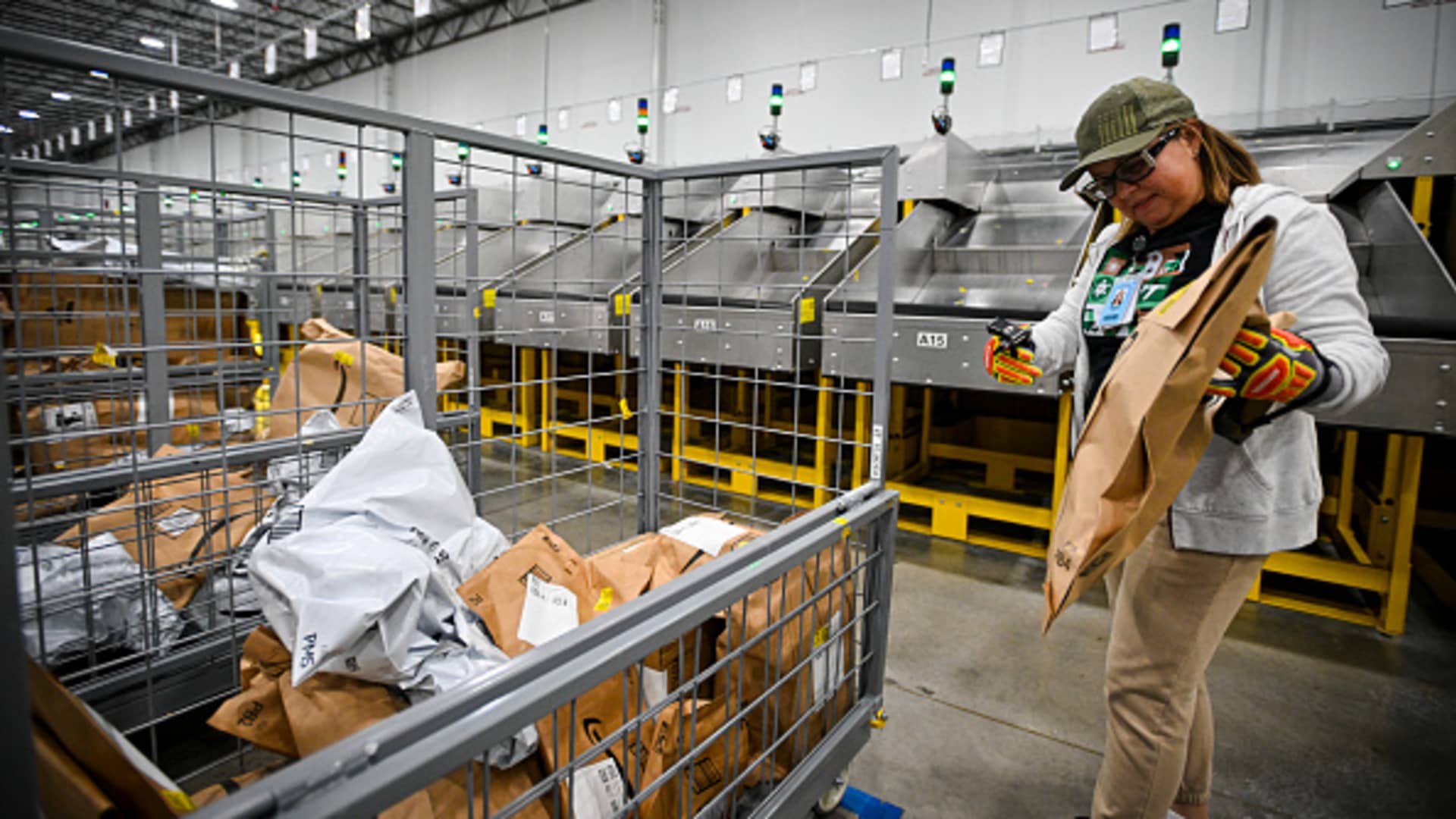
- Surcharge Implementation: Amazon will impose a 3.5% 'fuel and logistics surcharge' on third-party sellers using its fulfillment services starting April 17, driven by rising oil prices due to the ongoing conflict in Iran, which is expected to increase sellers' operational costs.
- Industry Impact: The surcharge reflects the rising costs in fulfillment and logistics, with Amazon stating that while it has absorbed these costs, it must implement temporary surcharges to recover part of the actual cost increases, highlighting the pressure faced across the industry.
- Relative Competitiveness: An Amazon spokesperson noted that the surcharge is 'meaningfully lower' than those imposed by other major carriers, aiming to maintain support for sellers while ensuring customers benefit from a broad selection and low prices.
- Market Reaction: With international oil prices surging, the surcharge is expected to impact approximately two million sellers, particularly those using Amazon's Fulfillment by Amazon (FBA) service, with an average increase of about 17 cents per unit, potentially affecting their pricing strategies and market competitiveness.
See More

UPS Faces Profit Pressure Amid Market Challenges

- Significant Stock Decline: UPS shares fell by 15.2% in March according to S&P Global Market Intelligence, significantly underperforming the overall market, which raises investor concerns regarding its full-year guidance.
- Fuel Cost Impact: While UPS benefited from a net gain of $471 million from fuel surcharges over the past two years, the rising fuel costs due to the Gulf conflict are expected to increase transportation costs, potentially impacting profitability.
- Trade Route Adjustments: The conflict in the Gulf is forcing UPS to reassess its trade routes, particularly with China, which could further compress margins since trade with China represents its most profitable business segment.
- Uncertain Future Outlook: UPS is set to release its Q1 earnings on April 28, with analysts already lowering their earnings estimates; if management is compelled to revise its full-year guidance downward, it would mark the fourth consecutive year of missing initial targets, raising questions about its ability to maintain a $6.56 per share dividend payout.
See More
Trump's Address Triggers Market Volatility


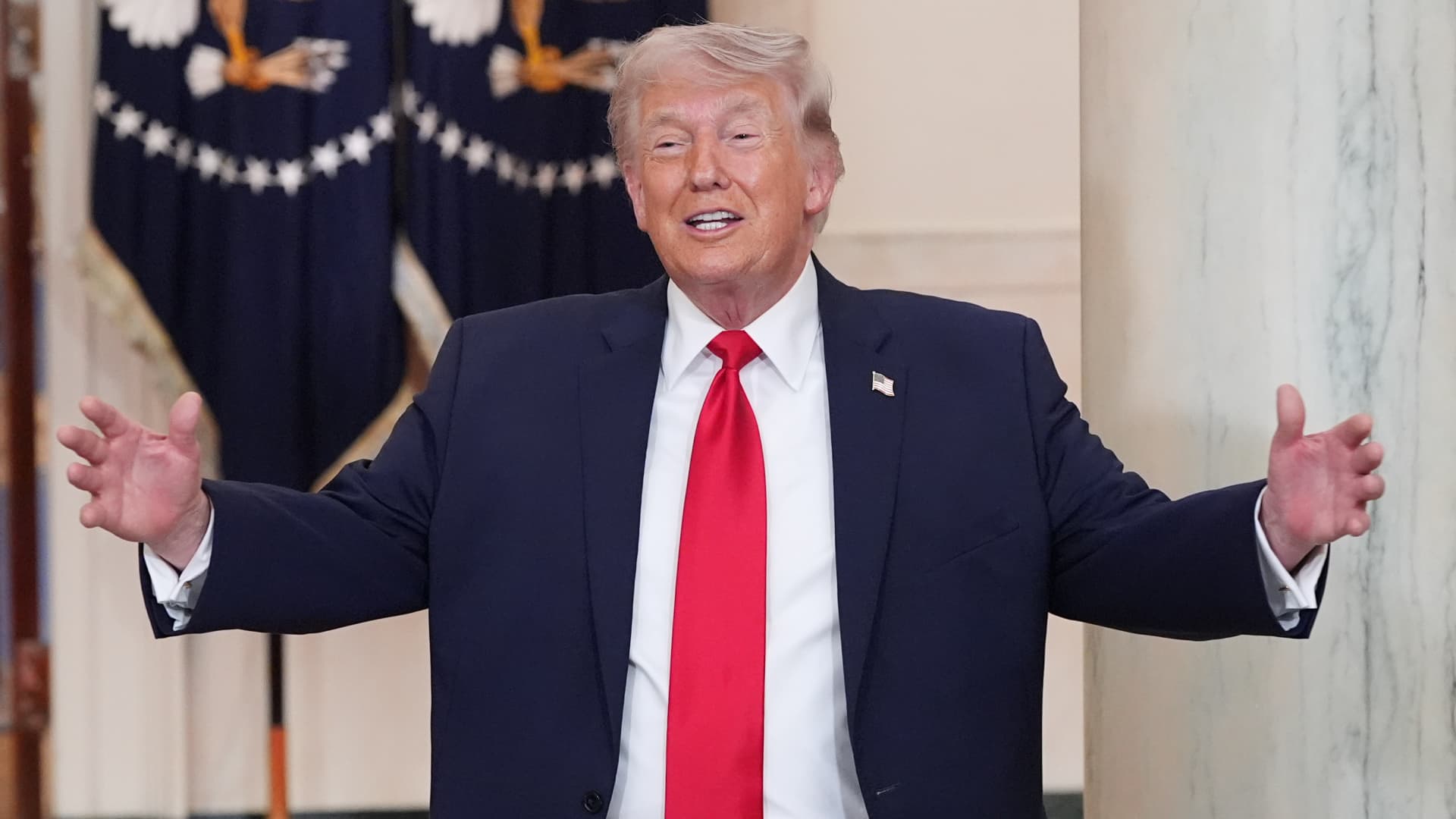
- War Progress Update: In his national address, Trump claimed unprecedented victories in the U.S. campaign dubbed 'Operation Epic Fury,' while forecasting the conflict to last another two to three weeks, heightening market concerns about future developments.
- Oil Price Surge: Following the speech, international benchmark Brent crude futures rose nearly 6%, with Trump attributing the price increase to Iranian attacks on commercial oil tankers, illustrating the direct impact of geopolitical tensions on energy markets.
- Negative Market Reaction: Asia-Pacific markets broadly declined after Trump's address, with major indices such as Hong Kong's Hang Seng, Japan's Nikkei 225, South Korea's Kospi, and Australia's S&P/ASX 200 all retreating, reflecting investor unease about the future situation.
- Escalating Tensions with Iran: Trump threatened that the U.S. would continue to strike Iran hard unless the Strait of Hormuz is 'open, free, and clear,' indicating a worsening relationship between the U.S. and Iran that could affect global energy supplies.
See More
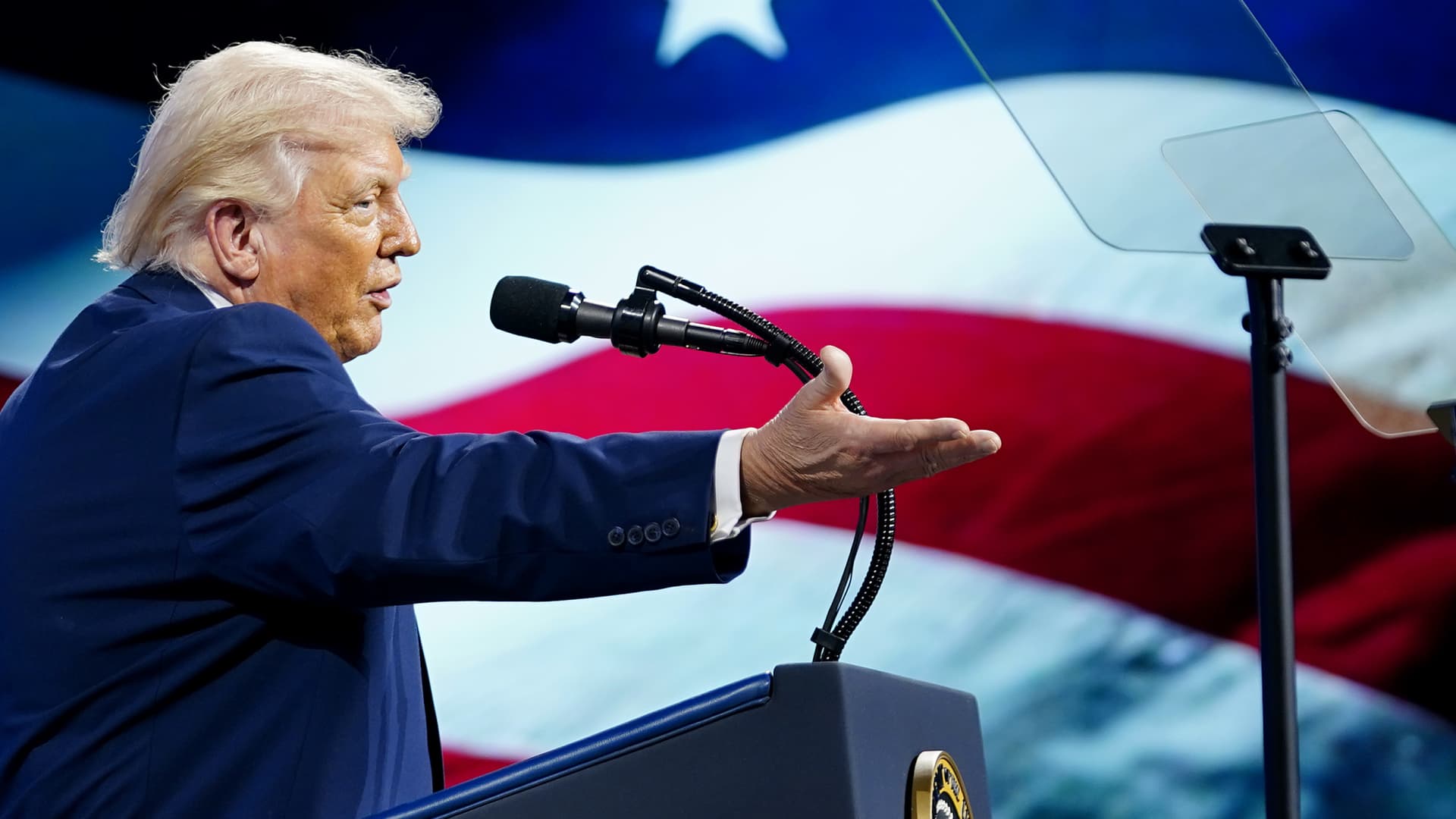
U.S. Markets Rise on Optimism Over Middle East Situation
- Market Optimism: All three major U.S. indexes rose on Wednesday, with the S&P 500 and Nasdaq Composite gaining 0.72% and 1.16%, respectively, while the Dow Jones Industrial Average increased by 224.23 points or 0.48%, reflecting heightened investor optimism regarding a potential end to the U.S.-Iran war.
- Trump's Address Anticipation: President Trump is expected to address the nation at 9 p.m. ET tonight to provide updates on the Iran ceasefire talks, with market participants closely monitoring the speech for potential impacts on stock prices.
- Iran's Response: Despite Trump's claim that Iran's new regime requested a ceasefire, Iranian officials denied this request, stating that there are currently no negotiations, which adds complexity and uncertainty to the situation and could affect market sentiment.
- Tech Company Developments: SpaceX has confidentially filed for an IPO, setting the stage for a record offering, following a significant funding round for OpenAI, indicating strong activity and investor confidence in the tech sector, which may drive related stock prices higher.
See More

Turnaround Opportunities for UPS and Hormel Foods
- UPS Transformation Progress: In 2025, UPS closed 93 buildings and deployed automation at 57 locations, successfully saving $3.5 billion, with 2026 expected to be an inflection point as the second half is projected to outperform the first, indicating positive results from its turnaround efforts.
- Revenue Growth Potential: Despite a year-over-year decline in revenue and earnings in 2025, UPS saw a 7.1% increase in revenue per piece in the U.S. market, suggesting that its turnaround initiatives are yielding expected outcomes, likely attracting more investor interest in the future.
- Hormel's Strong Sales: Hormel achieved organic sales growth for five consecutive quarters in 2025, with adjusted earnings expected to rise between 4% and 10% in 2026, demonstrating the company's successful transformation towards value-added products.
- High Dividend Appeal: Hormel offers a dividend yield of 5%, significantly higher than the 1.1% from the S&P 500 index, and with over 50 years of annual dividend increases, it stands out as a strong option for income investors.
See More
U.S. Adds 178K Jobs in March, Unemployment Rate Dips to 4.3%
- Labor Market Recovery: The U.S. added 178,000 nonfarm jobs in March, significantly surpassing the Dow Jones estimate of 59,000, indicating signs of economic recovery despite the persistent slow-growth trend.
- Sector Growth Highlights: The healthcare sector was the largest contributor, adding 76,000 jobs, with 54,000 coming from returning workers post-strike, suggesting a rebound in this sector after facing short-term challenges.
- Unemployment Rate Changes: Although the unemployment rate dipped slightly to 4.3%, the labor force participation rate fell to 61.9% due to a decline of 396,000 individuals, reflecting underlying pressures in the job market.
- Wage Growth Slowdown: Average hourly earnings rose by only 0.2% in March, with a year-over-year increase of 3.5%, both below expectations, indicating that sluggish wage growth may impact consumer spending and overall economic growth.
See More
Amazon to Impose 3.5% Surcharge on Third-Party Sellers
- Surcharge Implementation: Amazon will impose a 3.5% 'fuel and logistics surcharge' on third-party sellers using its fulfillment services starting April 17, driven by rising oil prices due to the ongoing conflict in Iran, which is expected to increase sellers' operational costs.
- Industry Impact: The surcharge reflects the rising costs in fulfillment and logistics, with Amazon stating that while it has absorbed these costs, it must implement temporary surcharges to recover part of the actual cost increases, highlighting the pressure faced across the industry.
- Relative Competitiveness: An Amazon spokesperson noted that the surcharge is 'meaningfully lower' than those imposed by other major carriers, aiming to maintain support for sellers while ensuring customers benefit from a broad selection and low prices.
- Market Reaction: With international oil prices surging, the surcharge is expected to impact approximately two million sellers, particularly those using Amazon's Fulfillment by Amazon (FBA) service, with an average increase of about 17 cents per unit, potentially affecting their pricing strategies and market competitiveness.
See More
UPS Faces Profit Pressure Amid Market Challenges
- Significant Stock Decline: UPS shares fell by 15.2% in March according to S&P Global Market Intelligence, significantly underperforming the overall market, which raises investor concerns regarding its full-year guidance.
- Fuel Cost Impact: While UPS benefited from a net gain of $471 million from fuel surcharges over the past two years, the rising fuel costs due to the Gulf conflict are expected to increase transportation costs, potentially impacting profitability.
- Trade Route Adjustments: The conflict in the Gulf is forcing UPS to reassess its trade routes, particularly with China, which could further compress margins since trade with China represents its most profitable business segment.
- Uncertain Future Outlook: UPS is set to release its Q1 earnings on April 28, with analysts already lowering their earnings estimates; if management is compelled to revise its full-year guidance downward, it would mark the fourth consecutive year of missing initial targets, raising questions about its ability to maintain a $6.56 per share dividend payout.
See More
Trump's Address Triggers Market Volatility
- War Progress Update: In his national address, Trump claimed unprecedented victories in the U.S. campaign dubbed 'Operation Epic Fury,' while forecasting the conflict to last another two to three weeks, heightening market concerns about future developments.
- Oil Price Surge: Following the speech, international benchmark Brent crude futures rose nearly 6%, with Trump attributing the price increase to Iranian attacks on commercial oil tankers, illustrating the direct impact of geopolitical tensions on energy markets.
- Negative Market Reaction: Asia-Pacific markets broadly declined after Trump's address, with major indices such as Hong Kong's Hang Seng, Japan's Nikkei 225, South Korea's Kospi, and Australia's S&P/ASX 200 all retreating, reflecting investor unease about the future situation.
- Escalating Tensions with Iran: Trump threatened that the U.S. would continue to strike Iran hard unless the Strait of Hormuz is 'open, free, and clear,' indicating a worsening relationship between the U.S. and Iran that could affect global energy supplies.
See More
U.S. Markets Rise on Optimism Over Middle East Situation
- Market Optimism: All three major U.S. indexes rose on Wednesday, with the S&P 500 and Nasdaq Composite gaining 0.72% and 1.16%, respectively, while the Dow Jones Industrial Average increased by 224.23 points or 0.48%, reflecting heightened investor optimism regarding a potential end to the U.S.-Iran war.
- Trump's Address Anticipation: President Trump is expected to address the nation at 9 p.m. ET tonight to provide updates on the Iran ceasefire talks, with market participants closely monitoring the speech for potential impacts on stock prices.
- Iran's Response: Despite Trump's claim that Iran's new regime requested a ceasefire, Iranian officials denied this request, stating that there are currently no negotiations, which adds complexity and uncertainty to the situation and could affect market sentiment.
- Tech Company Developments: SpaceX has confidentially filed for an IPO, setting the stage for a record offering, following a significant funding round for OpenAI, indicating strong activity and investor confidence in the tech sector, which may drive related stock prices higher.
See More
Turnaround Opportunities for UPS and Hormel Foods
- UPS Transformation Progress: In 2025, UPS closed 93 buildings and deployed automation at 57 locations, successfully saving $3.5 billion, with 2026 expected to be an inflection point as the second half is projected to outperform the first, indicating positive results from its turnaround efforts.
- Revenue Growth Potential: Despite a year-over-year decline in revenue and earnings in 2025, UPS saw a 7.1% increase in revenue per piece in the U.S. market, suggesting that its turnaround initiatives are yielding expected outcomes, likely attracting more investor interest in the future.
- Hormel's Strong Sales: Hormel achieved organic sales growth for five consecutive quarters in 2025, with adjusted earnings expected to rise between 4% and 10% in 2026, demonstrating the company's successful transformation towards value-added products.
- High Dividend Appeal: Hormel offers a dividend yield of 5%, significantly higher than the 1.1% from the S&P 500 index, and with over 50 years of annual dividend increases, it stands out as a strong option for income investors.
See More