Carnival Reports Q4 Earnings Exceeding Expectations, Year-over-Year Revenue Growth


Fourth-Quarter Performance: Carnival Corporation reported adjusted earnings per share of 34 cents for Q4 fiscal 2025, exceeding estimates, while revenues of $6.33 billion fell slightly short of expectations but increased 6.6% year-over-year.
Strong Year-End Results: The company achieved record results in fiscal 2025, with adjusted net income rising over 60% and total revenues reaching $26.62 billion, reflecting solid demand and effective cost control.
Positive Outlook for Fiscal 2026: Carnival anticipates continued growth with projected adjusted EBITDA of approximately $7.63 billion and adjusted EPS of $2.48, supported by strong booking momentum and high occupancy rates.
Financial Stability: As of November 30, 2025, Carnival's liquidity stood at $6.4 billion, with total debt reduced to $26.64 billion, indicating a strengthened financial position and improved balance sheet metrics.
Trade with 70% Backtested Accuracy
Analyst Views on CCL

About CCL
About the author


Mixed Close for US Stocks Amid Iran War Impact

- Mixed Market Performance: On Monday, the S&P 500 closed up 0.04%, while the Dow Jones Industrial Average fell 0.15%, and the Nasdaq 100 rose 0.13%, reflecting a divergence in market sentiment influenced by the ongoing war in Iran, with increased demand for defense and energy stocks.
- Surge in Oil Prices: WTI crude oil prices soared over 6% to an 8.25-month high following Iran's attack on oil tankers, which is expected to elevate inflation expectations and impact the overall economic environment and investor confidence.
- Strong Manufacturing Index: The US February ISM manufacturing index unexpectedly rose to 52.4, surpassing the market expectation of 51.5, indicating economic resilience that could influence the Federal Reserve's monetary policy direction, leading to shifts in future rate hike expectations.
- Optimistic Earnings Outlook: More than 90% of S&P 500 companies have reported earnings, with 73% exceeding expectations, and Q4 earnings growth is projected at 8.4%, providing market support despite geopolitical risks.
Carnival Corp Shares Decline Amid Geopolitical Risks


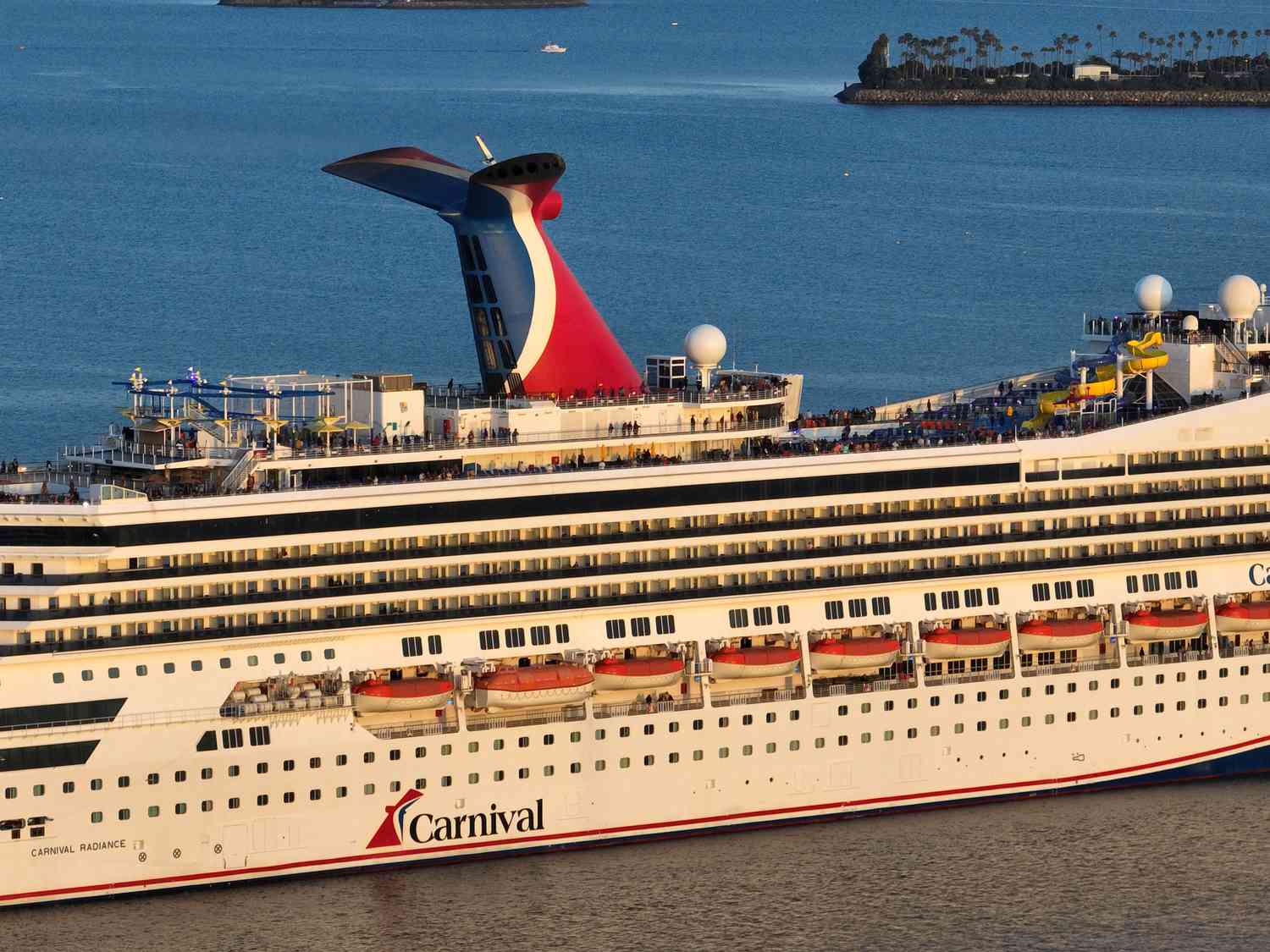
- Stock Price Decline: Carnival Corp (NYSE: CCL) shares fell 7.13% on Monday afternoon due to coordinated U.S. and Israeli strikes on Iranian targets, reflecting market concerns over geopolitical and fuel risks impacting cruise operators.
- Market Performance Contrast: While the Nasdaq-100 and S&P 500 indices rose, alongside gains in defense and energy stocks, Carnival's stock faced pressure, highlighting its vulnerability and high leverage in the global market context.
- Increased Operational Risks: Carnival continues to generate revenue from itineraries in the Mediterranean and Gulf regions, where port disruptions and rising insurance and security costs have raised investor concerns about operational risks.
- Earnings Report Preview: Carnival is set to release its earnings report on March 20, with an estimated EPS of 18 cents and revenue of $6.12 billion, indicating potential recovery post-COVID, yet the market remains cautious about its ability to navigate geopolitical volatility.

Wall Street Rebounds at Midday, Driven by Strong Tech Stocks

- Market Rebound: Wall Street traded higher at midday on Monday, with the Nasdaq 100 gaining 0.3% to 25,025, indicating a recovery in investor sentiment as concerns over Middle East tensions eased.
- Tech Stocks Lead Gains: Palantir Technologies surged 6.5%, becoming the top performer in the S&P 500, suggesting a renewed confidence in tech stocks that could attract more investment into the sector.
- Energy Market Volatility: Oil prices rallied 5.1% to $70 per barrel, although they cooled after briefly hitting $75, with the energy sector rising 1.3% and Marathon Petroleum Corp. leading the group with a 4.5% gain.
- Rising Treasury Yields: The 10-year Treasury yield jumped 11 basis points to 4.07%, marking the largest one-day increase since April, reflecting heightened concerns about future economic prospects that may influence investor risk appetite.

Iran War Drives Market Volatility and Sector Performance
- Market Reaction: Stocks initially retreated following the US and Israel's joint military actions against Iran, but rebounded after the February ISM manufacturing index exceeded expectations, indicating investor focus on economic data.
- Surge in Energy Prices: The halt of tanker traffic through the Strait of Hormuz due to Iran's attacks on three oil tankers led to WTI crude oil prices soaring over 65% to an 8.25-month high, potentially exacerbating global inflationary pressures.
- Defense Stocks Rise: The ongoing conflict in Iran has bolstered earnings prospects for defense companies, with Aerovironment's stock rising over 12%, while Northrop Grumman and RTX Corp also saw increases of over 4%, reflecting market optimism about defense spending.
- Economic Data Focus: Investors are keenly awaiting upcoming economic data releases, including ADP employment changes and the ISM services index, which are expected to influence future monetary policy directions amid rising inflation concerns.
Analysis of Significant Stock Movements


- AeroVironment Stock Decline: AeroVironment shares fell approximately 20% after Raymond James downgraded its rating from strong buy to underperform, losing exclusivity on a $1.4 billion contract with the U.S. Space Force, which could negatively impact future revenues.
- Palantir Sales Surge: Palantir's stock rose 6%, making it the biggest gainer in the S&P 500, with U.S. government revenue accounting for 41% of its sales in Q4, reflecting a 66% year-over-year increase, indicating potential growth from increased defense spending.
- Norwegian Cruise Line Earnings Guidance Cut: Norwegian Cruise Line shares dropped 10% due to weaker-than-expected earnings guidance for 2026, projecting earnings per share at $2.38, below the FactSet estimate of $2.57, raising concerns about its future profitability.
- AES Acquisition Announcement: AES shares plunged 17% after a consortium led by BlackRock announced plans to acquire the company for nearly $11 billion, offering shareholders $15 per share in cash, with the deal expected to close in late 2026 or early 2027.

Carnival Corporation Stock Plummets Amid Gulf War Escalation

- Stock Price Plunge: Carnival Corporation's stock dropped 10.7% in early trading on Monday due to panic in the market following the outbreak of war in the Gulf, with investors increasingly worried about short-term revenue losses leading to a sharp decline in share price.
- Strait of Hormuz Closure Risk: Iran's announcement to 'close' the Strait of Hormuz, through which one-fifth of global oil supplies are transported, has raised insurance rates by 50%, causing a spike in fuel costs that directly impacts Carnival's operational expenses.
- Travel Disruptions: Increased danger in the Middle East has led to flight cancellations, stranding tens of thousands of passengers, which affects not only Carnival's port calls but also the flights that connect passengers to their cruise ships, exacerbating concerns in the cruise industry.
- Overreaction in the Market: Analysts suggest that while Carnival may face revenue losses in the short term, the 10% sell-off appears excessive, and the company is expected to return to normal operations in the future, indicating that market sentiment may gradually improve.
Mixed Close for US Stocks Amid Iran War Impact
- Mixed Market Performance: On Monday, the S&P 500 closed up 0.04%, while the Dow Jones Industrial Average fell 0.15%, and the Nasdaq 100 rose 0.13%, reflecting a divergence in market sentiment influenced by the ongoing war in Iran, with increased demand for defense and energy stocks.
- Surge in Oil Prices: WTI crude oil prices soared over 6% to an 8.25-month high following Iran's attack on oil tankers, which is expected to elevate inflation expectations and impact the overall economic environment and investor confidence.
- Strong Manufacturing Index: The US February ISM manufacturing index unexpectedly rose to 52.4, surpassing the market expectation of 51.5, indicating economic resilience that could influence the Federal Reserve's monetary policy direction, leading to shifts in future rate hike expectations.
- Optimistic Earnings Outlook: More than 90% of S&P 500 companies have reported earnings, with 73% exceeding expectations, and Q4 earnings growth is projected at 8.4%, providing market support despite geopolitical risks.
Carnival Corp Shares Decline Amid Geopolitical Risks
- Stock Price Decline: Carnival Corp (NYSE: CCL) shares fell 7.13% on Monday afternoon due to coordinated U.S. and Israeli strikes on Iranian targets, reflecting market concerns over geopolitical and fuel risks impacting cruise operators.
- Market Performance Contrast: While the Nasdaq-100 and S&P 500 indices rose, alongside gains in defense and energy stocks, Carnival's stock faced pressure, highlighting its vulnerability and high leverage in the global market context.
- Increased Operational Risks: Carnival continues to generate revenue from itineraries in the Mediterranean and Gulf regions, where port disruptions and rising insurance and security costs have raised investor concerns about operational risks.
- Earnings Report Preview: Carnival is set to release its earnings report on March 20, with an estimated EPS of 18 cents and revenue of $6.12 billion, indicating potential recovery post-COVID, yet the market remains cautious about its ability to navigate geopolitical volatility.
Wall Street Rebounds at Midday, Driven by Strong Tech Stocks
- Market Rebound: Wall Street traded higher at midday on Monday, with the Nasdaq 100 gaining 0.3% to 25,025, indicating a recovery in investor sentiment as concerns over Middle East tensions eased.
- Tech Stocks Lead Gains: Palantir Technologies surged 6.5%, becoming the top performer in the S&P 500, suggesting a renewed confidence in tech stocks that could attract more investment into the sector.
- Energy Market Volatility: Oil prices rallied 5.1% to $70 per barrel, although they cooled after briefly hitting $75, with the energy sector rising 1.3% and Marathon Petroleum Corp. leading the group with a 4.5% gain.
- Rising Treasury Yields: The 10-year Treasury yield jumped 11 basis points to 4.07%, marking the largest one-day increase since April, reflecting heightened concerns about future economic prospects that may influence investor risk appetite.
Iran War Drives Market Volatility and Sector Performance
- Market Reaction: Stocks initially retreated following the US and Israel's joint military actions against Iran, but rebounded after the February ISM manufacturing index exceeded expectations, indicating investor focus on economic data.
- Surge in Energy Prices: The halt of tanker traffic through the Strait of Hormuz due to Iran's attacks on three oil tankers led to WTI crude oil prices soaring over 65% to an 8.25-month high, potentially exacerbating global inflationary pressures.
- Defense Stocks Rise: The ongoing conflict in Iran has bolstered earnings prospects for defense companies, with Aerovironment's stock rising over 12%, while Northrop Grumman and RTX Corp also saw increases of over 4%, reflecting market optimism about defense spending.
- Economic Data Focus: Investors are keenly awaiting upcoming economic data releases, including ADP employment changes and the ISM services index, which are expected to influence future monetary policy directions amid rising inflation concerns.
Analysis of Significant Stock Movements
- AeroVironment Stock Decline: AeroVironment shares fell approximately 20% after Raymond James downgraded its rating from strong buy to underperform, losing exclusivity on a $1.4 billion contract with the U.S. Space Force, which could negatively impact future revenues.
- Palantir Sales Surge: Palantir's stock rose 6%, making it the biggest gainer in the S&P 500, with U.S. government revenue accounting for 41% of its sales in Q4, reflecting a 66% year-over-year increase, indicating potential growth from increased defense spending.
- Norwegian Cruise Line Earnings Guidance Cut: Norwegian Cruise Line shares dropped 10% due to weaker-than-expected earnings guidance for 2026, projecting earnings per share at $2.38, below the FactSet estimate of $2.57, raising concerns about its future profitability.
- AES Acquisition Announcement: AES shares plunged 17% after a consortium led by BlackRock announced plans to acquire the company for nearly $11 billion, offering shareholders $15 per share in cash, with the deal expected to close in late 2026 or early 2027.
Carnival Corporation Stock Plummets Amid Gulf War Escalation
- Stock Price Plunge: Carnival Corporation's stock dropped 10.7% in early trading on Monday due to panic in the market following the outbreak of war in the Gulf, with investors increasingly worried about short-term revenue losses leading to a sharp decline in share price.
- Strait of Hormuz Closure Risk: Iran's announcement to 'close' the Strait of Hormuz, through which one-fifth of global oil supplies are transported, has raised insurance rates by 50%, causing a spike in fuel costs that directly impacts Carnival's operational expenses.
- Travel Disruptions: Increased danger in the Middle East has led to flight cancellations, stranding tens of thousands of passengers, which affects not only Carnival's port calls but also the flights that connect passengers to their cruise ships, exacerbating concerns in the cruise industry.
- Overreaction in the Market: Analysts suggest that while Carnival may face revenue losses in the short term, the 10% sell-off appears excessive, and the company is expected to return to normal operations in the future, indicating that market sentiment may gradually improve.