CACC Reports Q3 Earnings Exceeding Expectations Due to Increased Revenues and Reduced Provisions

Credit Acceptance Corporation Performance: CACC reported Q3 2025 adjusted earnings of $10.28 per share, exceeding estimates and showing an 11.1% year-over-year increase, despite rising operating expenses and a revenue miss.
Navient Corporation Results: NAVI's Q3 2025 adjusted earnings of 29 cents per share surpassed expectations, driven by improved net interest income and lower expenses, although higher provisions for loan losses negatively impacted results.
Capital One Financial Highlights: COF achieved Q3 2025 adjusted earnings of $5.95 per share, significantly above estimates, supported by increased net interest income and stable loan growth, despite rising expenses.
Market Outlook: Credit Acceptance faces challenges from increasing expenses and weak asset quality, but is positioned for revenue growth due to rising consumer loan demand, while other companies like Navient and Capital One show mixed results amid varying financial pressures.
Trade with 70% Backtested Accuracy
Analyst Views on COF

About COF
About the author


JPMorgan CEO Responds to Trump's Lawsuit Over Account Closures


- Lawsuit Context: Trump accuses JPMorgan of closing his accounts for political reasons and seeks $5 billion in damages; although CEO Jamie Dimon claims the lawsuit lacks merit, he empathizes with Trump's anger, highlighting the legal and regulatory risks banks face in such situations.
- Compliance Pressure: Dimon emphasizes that banks are compelled to debank clients to comply with regulatory demands, which discourages them from taking on high-risk customers, thereby affecting Trump's banking relationships and those of his companies.
- Regulatory Landscape: While no specific law mandates banks to close accounts due to reputational risk, the existing regulatory framework creates significant risks for banks when dealing with certain clients, as evidenced by JPMorgan's closure of multiple accounts linked to Trump following the January 6 Capitol attack in 2021.
- Market Impact and Future Outlook: Dimon noted in an interview that the financial industry is beginning to benefit from a deregulatory push initiated by Trump appointees, which could enhance banks' profitability and reduce capital loss requirements, potentially leading to changes in the current legal and regulatory environment.
JPMorgan CEO Responds to Trump's Lawsuit Over Account Closures
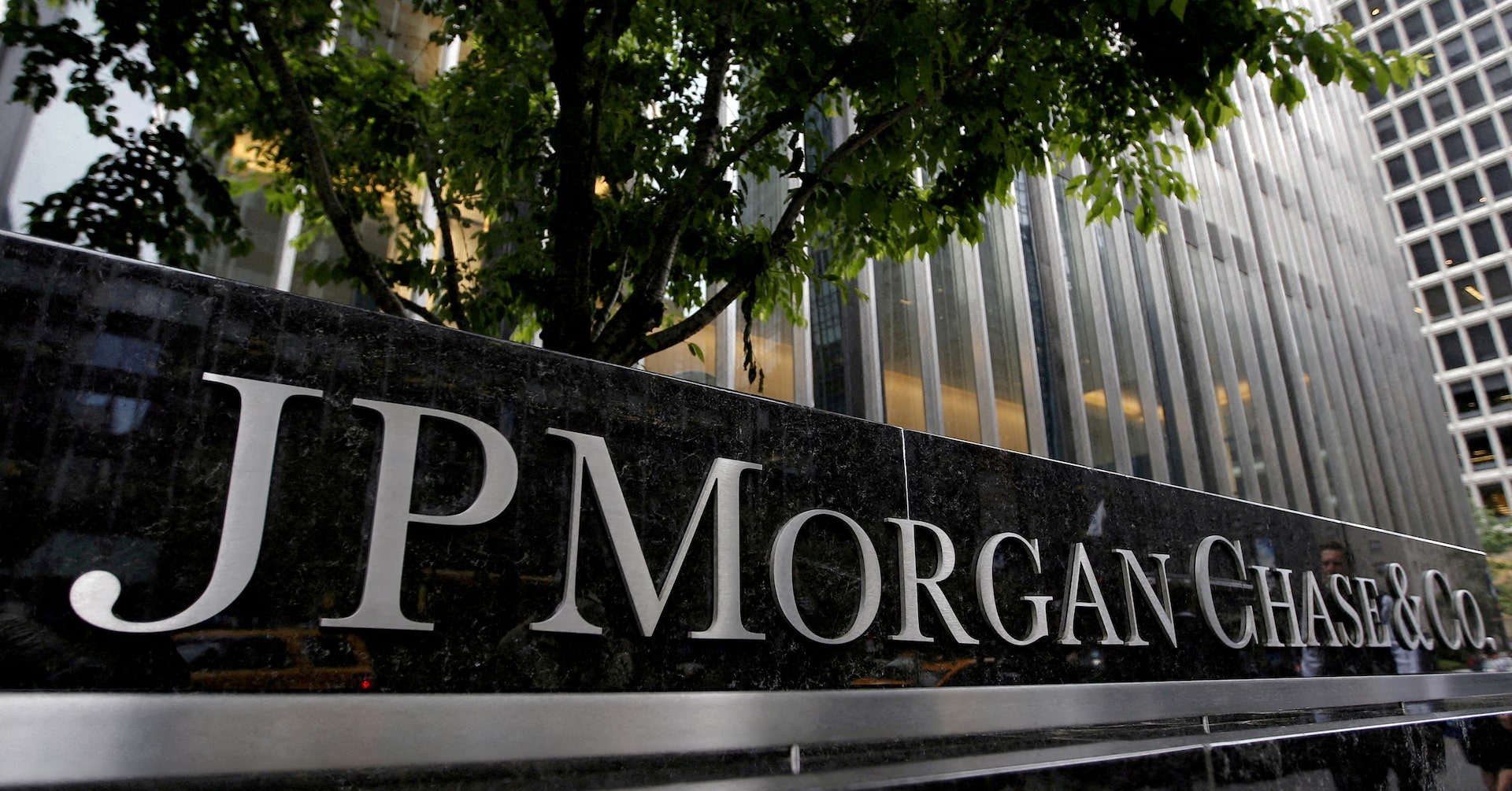
- Lawsuit Merits Declared: JPMorgan CEO Jamie Dimon stated that Trump's $5 billion lawsuit over account closures is without merit, although he empathizes with Trump's anger, highlighting the political sensitivities involved in the case.
- Account Closure Context: JPMorgan closed dozens of accounts associated with Trump following the January 6, 2021 Capitol attack, reflecting the bank's stringent policies on reputational risk management, which could impact its relationships with clients.
- Compliance Pressures: Dimon emphasized that banks face regulatory pressures to avoid legal and reputational risks, leading them to prefer rejecting high-risk clients, which affects Trump's financial options and those of his supporters.
- Regulatory Changes in Industry: Dimon noted that the financial industry is beginning to benefit from deregulation under Trump appointees, potentially increasing bank profitability while raising further discussions on how to manage high-risk clients.

Middle East Turmoil Triggers Market Panic


- Oil Price Surge Impact: The closure of the Strait of Hormuz due to U.S. and Israeli attacks on Iran has led to skyrocketing oil prices, which are expected to exacerbate inflation and hinder the Federal Reserve's ability to cut interest rates, posing significant obstacles to economic recovery.
- Private Equity Crisis: Private equity and private credit firms are facing a trust crisis as they are perceived as high-risk debt bearers, leading to a sharp decline in market confidence regarding their future, which could result in a wave of bankruptcies and further heighten recession risks.
- Nvidia Under Customer Pressure: Despite Nvidia reporting strong quarterly results last week, concerns over future demand have intensified as competitors Amazon and Alphabet launched cheaper chips, causing its stock price to drop from $196 to $176, reflecting investor panic in the tech sector.
- Layoff Wave Triggers Market Turmoil: Block's announcement of a 40% workforce reduction has sparked concerns about the future of the tech industry; while this move may boost stock prices in the short term, it risks losing top talent and undermining operational stability and market confidence in the long run.

Market Volatility Amid AI Impact and Geopolitical Tensions

- Geopolitical Shock: The U.S. and Israel's military strikes on Iran have triggered significant market volatility, with investors uneasy about future developments, leading to a spike in oil prices on Friday and heightened concerns over potential crude supply disruptions from the Middle East.
- AI Impact Intensifies: As financial firms like Block laid off nearly half their workforce, fears of AI-induced white-collar job losses escalated, resulting in the S&P 500 and Nasdaq dropping nearly 1% and 3.4%, respectively, marking their worst monthly performance since March 2025.
- Chip Stocks Decline: Despite Nvidia reporting better-than-expected quarterly results, its shares fell nearly 6.7%, reflecting a broader market rotation away from hardware stocks, with Broadcom also declining nearly 4%, indicating waning investor confidence in the chip sector.
- Financial Stocks Under Pressure: A report from Citrini Research warned that rapid AI adoption could lead to double-digit unemployment by 2028, causing financial stocks like Capital One and Wells Fargo to suffer significant losses of 6% and over 8%, respectively, amplifying concerns about consumer health.

US Stocks Decline on Friday, Bank Stocks Plummet


- Market Decline: The S&P 500 index closed down 0.43% on Friday, with the Dow Jones Industrial Average falling 1.05% and the Nasdaq 100 down 0.30%, reflecting heightened investor concerns over the disruptive potential of AI, which has negatively impacted market confidence.
- Bank Stocks Plummet: The collapse of UK private lender Market Financial Solutions Ltd raised fears of rising defaults, leading to significant declines in bank stocks, with Morgan Stanley and Goldman Sachs both down over 7%, indicating instability within the financial sector.
- Economic Data Impact: The US January PPI rose 0.5% month-over-month, exceeding expectations of 0.3%, while the Chicago PMI unexpectedly increased to 57.7, demonstrating economic resilience, although market speculation regarding Fed rate cuts was dampened.
- Rising Oil Prices Pressure: WTI crude oil prices surged over 2% to a 7-month high due to President Trump's pessimistic remarks on Iranian nuclear negotiations, exacerbating geopolitical risks that could further impact airline profits, leading to declines in related stocks.

Analysis of Capital One Preferred Stock Performance
- Stock Performance: Capital One Financial Corp's 4.80% preferred shares (COF.PRJ) are down about 0.7% on Friday, while common shares (COF) are down approximately 6%, indicating the preferred stock's relative resilience, which may attract investors seeking stable income.
- Dividend History: The dividend history of COF.PRJ demonstrates its ability to maintain payouts; despite current price fluctuations, its 4.80% fixed yield remains appealing to investors, especially amid increasing market uncertainty.
- Market Reaction: The preferred stock's decline is significantly less than that of the common stock, suggesting stable demand for preferred shares, which may reflect investors' preference for capital protection during economic volatility.
- Investment Strategy: Given the relative stability and fixed income characteristics of preferred shares, investors may reassess their portfolios to increase allocations to COF.PRJ in response to market uncertainties and seek higher yields.
JPMorgan CEO Responds to Trump's Lawsuit Over Account Closures
- Lawsuit Context: Trump accuses JPMorgan of closing his accounts for political reasons and seeks $5 billion in damages; although CEO Jamie Dimon claims the lawsuit lacks merit, he empathizes with Trump's anger, highlighting the legal and regulatory risks banks face in such situations.
- Compliance Pressure: Dimon emphasizes that banks are compelled to debank clients to comply with regulatory demands, which discourages them from taking on high-risk customers, thereby affecting Trump's banking relationships and those of his companies.
- Regulatory Landscape: While no specific law mandates banks to close accounts due to reputational risk, the existing regulatory framework creates significant risks for banks when dealing with certain clients, as evidenced by JPMorgan's closure of multiple accounts linked to Trump following the January 6 Capitol attack in 2021.
- Market Impact and Future Outlook: Dimon noted in an interview that the financial industry is beginning to benefit from a deregulatory push initiated by Trump appointees, which could enhance banks' profitability and reduce capital loss requirements, potentially leading to changes in the current legal and regulatory environment.
JPMorgan CEO Responds to Trump's Lawsuit Over Account Closures
- Lawsuit Merits Declared: JPMorgan CEO Jamie Dimon stated that Trump's $5 billion lawsuit over account closures is without merit, although he empathizes with Trump's anger, highlighting the political sensitivities involved in the case.
- Account Closure Context: JPMorgan closed dozens of accounts associated with Trump following the January 6, 2021 Capitol attack, reflecting the bank's stringent policies on reputational risk management, which could impact its relationships with clients.
- Compliance Pressures: Dimon emphasized that banks face regulatory pressures to avoid legal and reputational risks, leading them to prefer rejecting high-risk clients, which affects Trump's financial options and those of his supporters.
- Regulatory Changes in Industry: Dimon noted that the financial industry is beginning to benefit from deregulation under Trump appointees, potentially increasing bank profitability while raising further discussions on how to manage high-risk clients.
Middle East Turmoil Triggers Market Panic
- Oil Price Surge Impact: The closure of the Strait of Hormuz due to U.S. and Israeli attacks on Iran has led to skyrocketing oil prices, which are expected to exacerbate inflation and hinder the Federal Reserve's ability to cut interest rates, posing significant obstacles to economic recovery.
- Private Equity Crisis: Private equity and private credit firms are facing a trust crisis as they are perceived as high-risk debt bearers, leading to a sharp decline in market confidence regarding their future, which could result in a wave of bankruptcies and further heighten recession risks.
- Nvidia Under Customer Pressure: Despite Nvidia reporting strong quarterly results last week, concerns over future demand have intensified as competitors Amazon and Alphabet launched cheaper chips, causing its stock price to drop from $196 to $176, reflecting investor panic in the tech sector.
- Layoff Wave Triggers Market Turmoil: Block's announcement of a 40% workforce reduction has sparked concerns about the future of the tech industry; while this move may boost stock prices in the short term, it risks losing top talent and undermining operational stability and market confidence in the long run.
Market Volatility Amid AI Impact and Geopolitical Tensions
- Geopolitical Shock: The U.S. and Israel's military strikes on Iran have triggered significant market volatility, with investors uneasy about future developments, leading to a spike in oil prices on Friday and heightened concerns over potential crude supply disruptions from the Middle East.
- AI Impact Intensifies: As financial firms like Block laid off nearly half their workforce, fears of AI-induced white-collar job losses escalated, resulting in the S&P 500 and Nasdaq dropping nearly 1% and 3.4%, respectively, marking their worst monthly performance since March 2025.
- Chip Stocks Decline: Despite Nvidia reporting better-than-expected quarterly results, its shares fell nearly 6.7%, reflecting a broader market rotation away from hardware stocks, with Broadcom also declining nearly 4%, indicating waning investor confidence in the chip sector.
- Financial Stocks Under Pressure: A report from Citrini Research warned that rapid AI adoption could lead to double-digit unemployment by 2028, causing financial stocks like Capital One and Wells Fargo to suffer significant losses of 6% and over 8%, respectively, amplifying concerns about consumer health.
US Stocks Decline on Friday, Bank Stocks Plummet
- Market Decline: The S&P 500 index closed down 0.43% on Friday, with the Dow Jones Industrial Average falling 1.05% and the Nasdaq 100 down 0.30%, reflecting heightened investor concerns over the disruptive potential of AI, which has negatively impacted market confidence.
- Bank Stocks Plummet: The collapse of UK private lender Market Financial Solutions Ltd raised fears of rising defaults, leading to significant declines in bank stocks, with Morgan Stanley and Goldman Sachs both down over 7%, indicating instability within the financial sector.
- Economic Data Impact: The US January PPI rose 0.5% month-over-month, exceeding expectations of 0.3%, while the Chicago PMI unexpectedly increased to 57.7, demonstrating economic resilience, although market speculation regarding Fed rate cuts was dampened.
- Rising Oil Prices Pressure: WTI crude oil prices surged over 2% to a 7-month high due to President Trump's pessimistic remarks on Iranian nuclear negotiations, exacerbating geopolitical risks that could further impact airline profits, leading to declines in related stocks.
Analysis of Capital One Preferred Stock Performance
- Stock Performance: Capital One Financial Corp's 4.80% preferred shares (COF.PRJ) are down about 0.7% on Friday, while common shares (COF) are down approximately 6%, indicating the preferred stock's relative resilience, which may attract investors seeking stable income.
- Dividend History: The dividend history of COF.PRJ demonstrates its ability to maintain payouts; despite current price fluctuations, its 4.80% fixed yield remains appealing to investors, especially amid increasing market uncertainty.
- Market Reaction: The preferred stock's decline is significantly less than that of the common stock, suggesting stable demand for preferred shares, which may reflect investors' preference for capital protection during economic volatility.
- Investment Strategy: Given the relative stability and fixed income characteristics of preferred shares, investors may reassess their portfolios to increase allocations to COF.PRJ in response to market uncertainties and seek higher yields.