Burger King Enhances Whopper for First Time in a Decade
Written by Emily J. Thompson, Senior Investment Analyst
Updated: Feb 27 2026
0mins

Should l Buy QSR?
Source: Benzinga
- Whopper Improvement: Burger King is enhancing the Whopper for the first time in a decade by introducing a premium bun and better-tasting mayo, aiming to boost customer satisfaction and strengthen brand competitiveness.
- AI Tool Implementation: Parent company Restaurant Brands International is deploying the AI tool “Patty” to facilitate real-time communication through employee headsets, enhancing customer service quality and operational efficiency, which is expected to positively impact sales.
- Employee Training Innovation: The AI system tracks the frequency of polite language used by employees, assisting management in providing feedback and training, with the goal of reinforcing human-centric service to improve customer relations and enhance brand loyalty.
- Stock Performance: Restaurant Brands International's stock rose 2.6% to $71.71, with a year-to-date increase of 5.3%, reflecting positive market sentiment towards its new strategies, which may further drive future sales growth.
Trade with 70% Backtested Accuracy
Stop guessing "Should I Buy QSR?" and start using high-conviction signals backed by rigorous historical data.
Sign up today to access powerful investing tools and make smarter, data-driven decisions.
Analyst Views on QSR
Wall Street analysts forecast QSR stock price to fall
15 Analyst Rating
10 Buy
4 Hold
1 Sell
Moderate Buy
Current: 81.230

Low
64.00
Averages
78.53
High
86.00
Current: 81.230
Low
64.00
Averages
78.53
High
86.00
About QSR
Restaurant Brands International Inc. is a quick-service restaurant company. It franchises and operates quick-service restaurants serving coffee and other beverage and food products. Its segments include Tim Hortons (TH), Burger King (BK), Popeyes Louisiana Kitchen (PLK), Firehouse Subs (FHS), International (INTL) and Restaurant Holdings. Tim Hortons is a coffee and baked goods restaurant chain in North America. Tim Hortons restaurants also serve a variety of hot and cold specialty beverages alongside breakfast, lunch and dinner offerings, including sandwiches, wraps, flatbread pizzas, and more. Burger King is a quick-service hamburger restaurant chain and is Home of the Whopper. Burger King restaurants feature flame-grilled hamburgers, chicken and other specialty sandwiches. Popeyes is a quick-service chicken concept, and delivers guests a Louisiana-style menu featuring fried bone-in chicken, chicken sandwiches, chicken tenders, wings, fried shrimp and regional items.
About the author

Emily J. Thompson
Emily J. Thompson, a Chartered Financial Analyst (CFA) with 12 years in investment research, graduated with honors from the Wharton School. Specializing in industrial and technology stocks, she provides in-depth analysis for Intellectia’s earnings and market brief reports.

Jersey Mike's Plans Initial Public Offering

- IPO Filing: Sandwich chain Jersey Mike's disclosed this week that it has confidentially filed for an initial public offering, marking the first step toward going public and likely attracting investor interest.
- Market Position: With over 3,000 locations, Jersey Mike's is the second-largest submarine sandwich chain in the U.S., following Subway, highlighting its significance in a competitive market.
- Financial Performance: In 2025, Jersey Mike's reported revenue of $309.8 million, a 10.6% increase year-over-year, but net income fell to $183.6 million, down 23.1%, indicating challenges in profitability.
- CEO Background: New CEO Charlie Morrison, who previously led Wingstop and successfully took it public in 2015, is expected to replicate that success for Jersey Mike's IPO, raising investor expectations.
See More

RBC Increases Target Price for Restaurant Brands International Inc. to $90, Up from $83

- Price Increase Announcement: RBC raises the target price for Restaurant Brands International from $83 to $90.
- Market Implications: This adjustment reflects RBC's positive outlook on the company's performance and potential growth in the restaurant sector.
See More
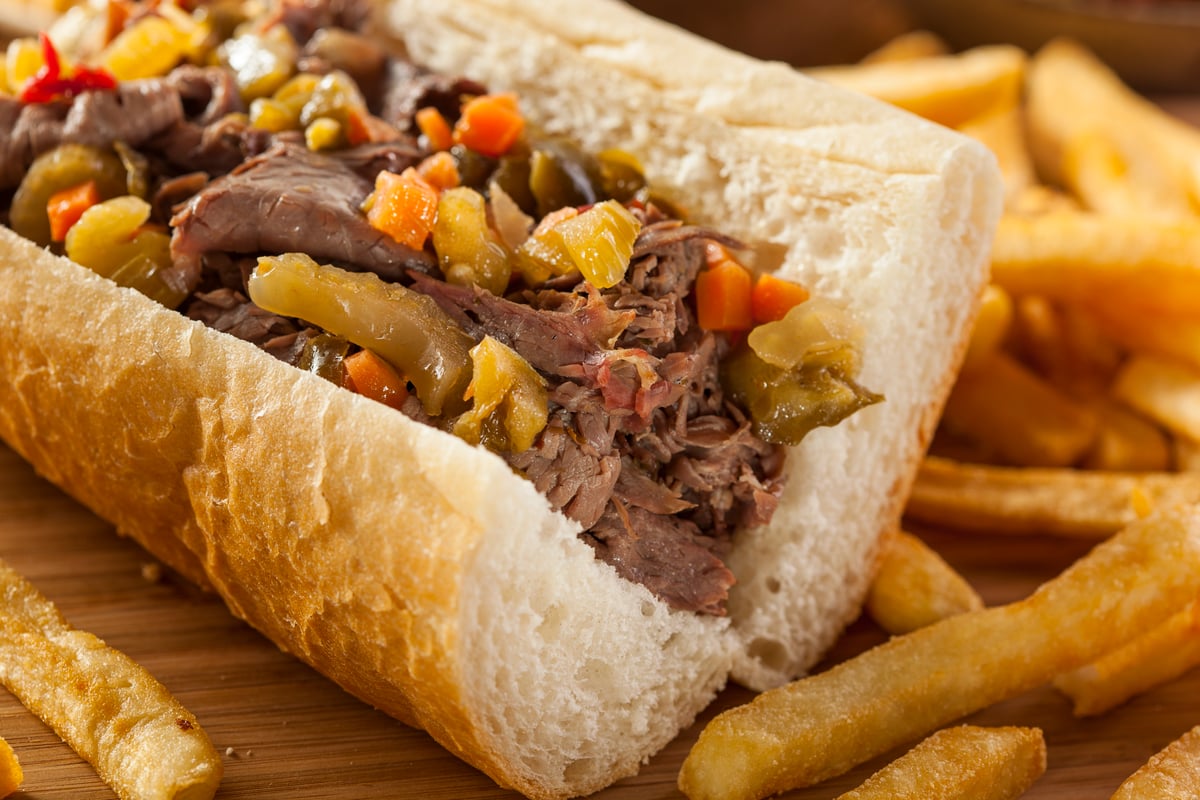
Jersey Mike's Confidentially Files for IPO Amid Growth Prospects

- IPO Announcement: Jersey Mike's disclosed in a press release today that it has confidentially filed for an initial public offering (IPO), aiming to raise $1 billion at a $12 billion valuation, indicating strong market potential.
- Acquisition Context: In November 2024, Blackstone acquired Jersey Mike's for an enterprise value of $8 billion, which included an earn-out provision that requires full payment after the company opens its 4,000th location, reflecting its ambitious expansion plans.
- Financial Performance: Despite reporting nearly $310 million in revenue for 2025, a 10.6% increase year-over-year, net income fell from nearly $239 million in 2024 to approximately $184 million, highlighting pressures in a high-inflation and labor-shortage environment.
- Expansion Outlook: Jersey Mike's grew its locations by 8% in 2025, with CEO Charlie Morrison stating that the brand could potentially double its U.S. locations and expand internationally, further boosting investor confidence in its future growth prospects.
See More

TH International Reports 4% Year-over-Year Growth in System Sales for 2025
- System Sales Growth: In 2025, TH International achieved a 4.0% year-over-year increase in system sales, reaching RMB 359.4 million, despite a 5.4% decline in total revenues, demonstrating the company's resilience and growth potential in a competitive market.
- New Store Openings: The company opened 17 new stores in the fourth quarter and a total of 25 for the year, despite closing 23 underperforming locations, indicating ongoing efforts to expand market share.
- Significant Membership Growth: As of December 31, 2025, registered loyalty club members reached 31 million, representing a 29.0% increase, which not only enhances customer loyalty but also lays a foundation for future sales growth.
- Operational Efficiency Improvement: Amidst macroeconomic volatility, TH International improved its full-year adjusted corporate EBITDA margin by 1.0 percentage point through supply chain optimizations and rigorous cost controls, showcasing success in enhancing operational efficiency.
See More
Restaurant Brands International to Release Q1 2026 Financial Results
- Earnings Release Schedule: Restaurant Brands International is set to announce its Q1 2026 financial results on May 6, 2026, and will host an investor conference call at 8:30 a.m. Eastern Time, which is expected to attract significant investor interest.
- Conference Call Access: Investors can join the call by dialing 1 (833) 470-1428 for U.S. participants, 1 (833) 950-0062 for Canadian participants, or 1 (929) 526-1599 for international callers, using access code 297863 to ensure smooth communication.
- Company Overview: As one of the largest quick-service restaurant companies globally, Restaurant Brands International boasts nearly $47 billion in annual system-wide sales and operates over 33,000 restaurants across more than 120 countries and territories, highlighting its substantial market presence.
- Brand Portfolio Strength: The company owns four of the world's most iconic quick-service restaurant brands, including TIM HORTONS®, BURGER KING®, POPEYES®, and FIREHOUSE SUBS®, each with a strong customer base and brand loyalty in their respective markets.
See More

Mid-Cap Stocks Investment Risk Analysis

- Twilio's Weak Performance: With a market cap of $20.08 billion, Twilio's platform allows developers to quickly create communication apps, yet its average billings growth of 13.4% over the past year indicates a need for adjustments in product and market strategy, which could hinder future revenue growth.
- Williams-Sonoma's Market Positioning Issues: Williams-Sonoma, valued at $21.41 billion, has seen a 3.5% decline in annual revenue over the last three years, and ongoing store closures coupled with sluggish same-store sales suggest insufficient demand, necessitating a reevaluation of pricing and marketing strategies to stimulate sales.
- Restaurant Brands' Declining Profitability: With a market cap of $26.51 billion, Restaurant Brands is projected to experience only 4.3% sales growth over the next 12 months, while its operating margin has fallen by 5.4 percentage points, indicating rising day-to-day expenses relative to revenue, which may impact profitability.
- Intense Competition for Mid-Caps: Mid-cap stocks face fierce competition from industry giants and agile small players, and while they possess established business models and large addressable markets, this competitive landscape could affect their long-term growth potential.
See More
Jersey Mike's Plans Initial Public Offering
- IPO Filing: Sandwich chain Jersey Mike's disclosed this week that it has confidentially filed for an initial public offering, marking the first step toward going public and likely attracting investor interest.
- Market Position: With over 3,000 locations, Jersey Mike's is the second-largest submarine sandwich chain in the U.S., following Subway, highlighting its significance in a competitive market.
- Financial Performance: In 2025, Jersey Mike's reported revenue of $309.8 million, a 10.6% increase year-over-year, but net income fell to $183.6 million, down 23.1%, indicating challenges in profitability.
- CEO Background: New CEO Charlie Morrison, who previously led Wingstop and successfully took it public in 2015, is expected to replicate that success for Jersey Mike's IPO, raising investor expectations.
See More
RBC Increases Target Price for Restaurant Brands International Inc. to $90, Up from $83
- Price Increase Announcement: RBC raises the target price for Restaurant Brands International from $83 to $90.
- Market Implications: This adjustment reflects RBC's positive outlook on the company's performance and potential growth in the restaurant sector.
See More
Jersey Mike's Confidentially Files for IPO Amid Growth Prospects
- IPO Announcement: Jersey Mike's disclosed in a press release today that it has confidentially filed for an initial public offering (IPO), aiming to raise $1 billion at a $12 billion valuation, indicating strong market potential.
- Acquisition Context: In November 2024, Blackstone acquired Jersey Mike's for an enterprise value of $8 billion, which included an earn-out provision that requires full payment after the company opens its 4,000th location, reflecting its ambitious expansion plans.
- Financial Performance: Despite reporting nearly $310 million in revenue for 2025, a 10.6% increase year-over-year, net income fell from nearly $239 million in 2024 to approximately $184 million, highlighting pressures in a high-inflation and labor-shortage environment.
- Expansion Outlook: Jersey Mike's grew its locations by 8% in 2025, with CEO Charlie Morrison stating that the brand could potentially double its U.S. locations and expand internationally, further boosting investor confidence in its future growth prospects.
See More
TH International Reports 4% Year-over-Year Growth in System Sales for 2025
- System Sales Growth: In 2025, TH International achieved a 4.0% year-over-year increase in system sales, reaching RMB 359.4 million, despite a 5.4% decline in total revenues, demonstrating the company's resilience and growth potential in a competitive market.
- New Store Openings: The company opened 17 new stores in the fourth quarter and a total of 25 for the year, despite closing 23 underperforming locations, indicating ongoing efforts to expand market share.
- Significant Membership Growth: As of December 31, 2025, registered loyalty club members reached 31 million, representing a 29.0% increase, which not only enhances customer loyalty but also lays a foundation for future sales growth.
- Operational Efficiency Improvement: Amidst macroeconomic volatility, TH International improved its full-year adjusted corporate EBITDA margin by 1.0 percentage point through supply chain optimizations and rigorous cost controls, showcasing success in enhancing operational efficiency.
See More
Restaurant Brands International to Release Q1 2026 Financial Results
- Earnings Release Schedule: Restaurant Brands International is set to announce its Q1 2026 financial results on May 6, 2026, and will host an investor conference call at 8:30 a.m. Eastern Time, which is expected to attract significant investor interest.
- Conference Call Access: Investors can join the call by dialing 1 (833) 470-1428 for U.S. participants, 1 (833) 950-0062 for Canadian participants, or 1 (929) 526-1599 for international callers, using access code 297863 to ensure smooth communication.
- Company Overview: As one of the largest quick-service restaurant companies globally, Restaurant Brands International boasts nearly $47 billion in annual system-wide sales and operates over 33,000 restaurants across more than 120 countries and territories, highlighting its substantial market presence.
- Brand Portfolio Strength: The company owns four of the world's most iconic quick-service restaurant brands, including TIM HORTONS®, BURGER KING®, POPEYES®, and FIREHOUSE SUBS®, each with a strong customer base and brand loyalty in their respective markets.
See More
Mid-Cap Stocks Investment Risk Analysis
- Twilio's Weak Performance: With a market cap of $20.08 billion, Twilio's platform allows developers to quickly create communication apps, yet its average billings growth of 13.4% over the past year indicates a need for adjustments in product and market strategy, which could hinder future revenue growth.
- Williams-Sonoma's Market Positioning Issues: Williams-Sonoma, valued at $21.41 billion, has seen a 3.5% decline in annual revenue over the last three years, and ongoing store closures coupled with sluggish same-store sales suggest insufficient demand, necessitating a reevaluation of pricing and marketing strategies to stimulate sales.
- Restaurant Brands' Declining Profitability: With a market cap of $26.51 billion, Restaurant Brands is projected to experience only 4.3% sales growth over the next 12 months, while its operating margin has fallen by 5.4 percentage points, indicating rising day-to-day expenses relative to revenue, which may impact profitability.
- Intense Competition for Mid-Caps: Mid-cap stocks face fierce competition from industry giants and agile small players, and while they possess established business models and large addressable markets, this competitive landscape could affect their long-term growth potential.
See More