Guggenheim Affirms Buy Rating for Target, Keeps $115 Price Target Intact
Written by Emily J. Thompson, Senior Investment Analyst
Updated: Aug 21 2025
0mins
Should l Buy TGT?
Source: Benzinga
Real-time Intelligence: Benzinga Pro offers the fastest news alerts for traders to stay updated on market movements.
Exclusive Content: The platform provides exclusive stories and insights generated by Benzinga reporters.
Community Engagement: Over 10,000 serious traders are part of the Benzinga Pro community, sharing strategies and intelligence.
Market Winning Tool: Traders utilize Benzinga Pro's resources to enhance their trading success in the stock market.
Trade with 70% Backtested Accuracy
Stop guessing "Should I Buy TGT?" and start using high-conviction signals backed by rigorous historical data.
Sign up today to access powerful investing tools and make smarter, data-driven decisions.
Analyst Views on TGT
Wall Street analysts forecast TGT stock price to fall
26 Analyst Rating
8 Buy
14 Hold
4 Sell
Hold
Current: 120.450

Low
80.00
Averages
98.83
High
126.00
Current: 120.450
Low
80.00
Averages
98.83
High
126.00
About TGT
Target Corporation is a general merchandise retailer selling products to its guests through its stores and digital channels. The Company offers customers, referred to as guests, everyday essentials and fashionable, differentiated merchandise at discounted prices. The majority of its stores offer a wide assortment of general merchandise and food. Its merchandise categories include apparel and accessories, beauty and household essentials, food and beverage, hardlines, and home furnishings and decor. Most of its stores are larger than 170,000 square feet, offer a variety of general merchandise and a full line of food items comparable to traditional supermarkets. Its digital channels include a wide merchandise and food assortment, including many items found in its stores, along with a complementary assortment sold by the Company and third parties. Its brands include A New Day, Ava & Viv, Cloud Island, Favorite Day, and others. It serves guests at nearly 2,000 stores and at Target.com.
About the author

Emily J. Thompson
Emily J. Thompson, a Chartered Financial Analyst (CFA) with 12 years in investment research, graduated with honors from the Wharton School. Specializing in industrial and technology stocks, she provides in-depth analysis for Intellectia’s earnings and market brief reports.
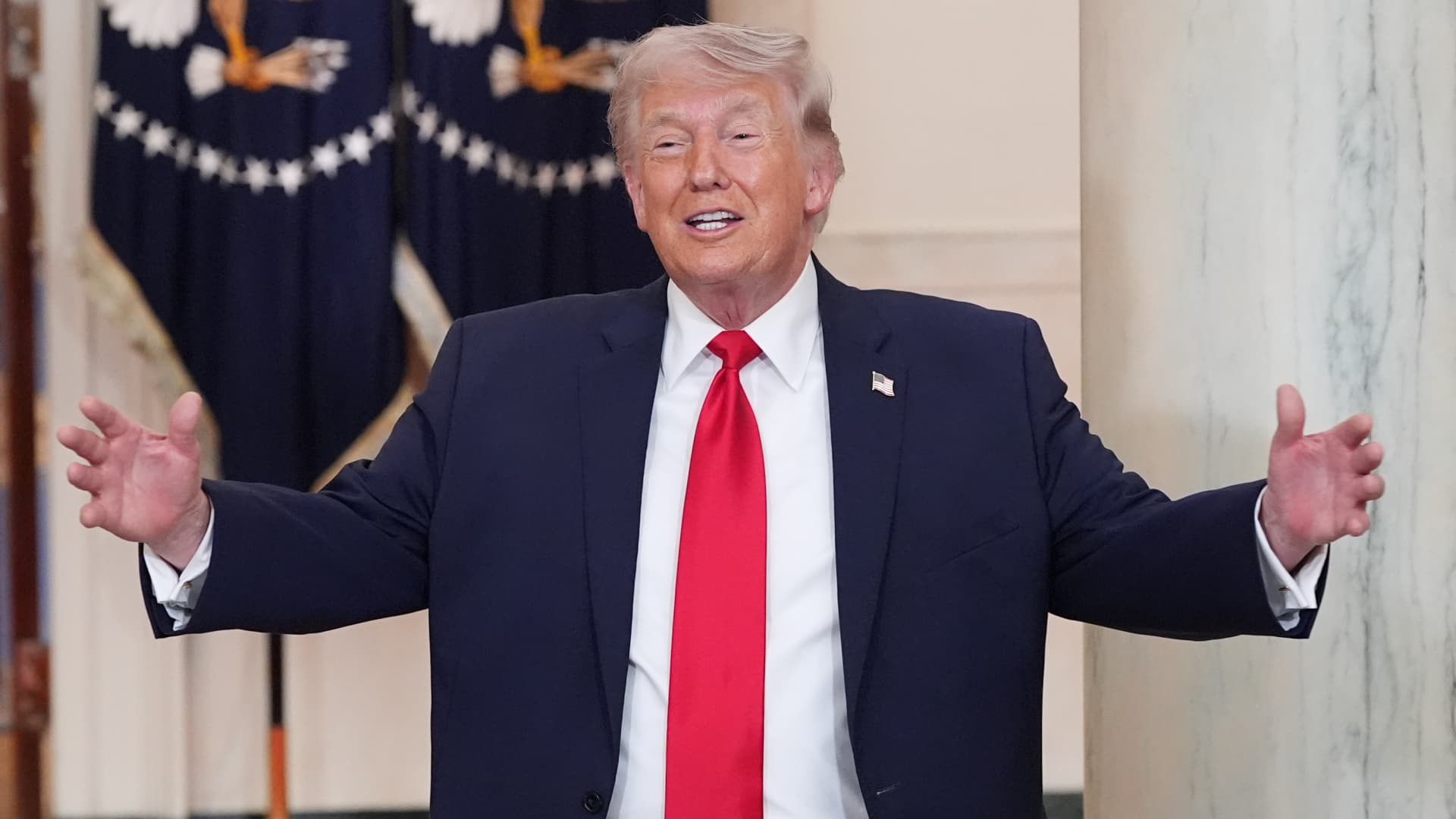
Trump's Address Triggers Market Volatility


- Oil Price Surge: Trump's address indicated that the U.S. would strike Iran
See More

Thorne Brand Experiences Rapid Growth Driven by Gen Z


- Revenue Expectations: Thorne is projected to reach $650 million in annual revenue for 2023, driven by the health-conscious focus of Gen Z and millennial consumers, indicating strong appeal in the younger market segment.
- Consumer Growth: The number of direct consumers has surged from 4 million at the end of 2023 to 7 million, fueling a 63% increase in direct sales, demonstrating the brand's expanding influence among younger shoppers.
- Market Trends: The U.S. vitamins and supplements market is expected to reach $125 billion by 2025, with an 11% growth projected by 2027, reflecting a shift towards proactive health management and demand for personalized products among younger consumers.
- Subscription Model: Thorne attracts consumers to subscribe by offering free shipping and a 10% discount on each refill, with about 50% of shoppers under 40 opting for subscriptions despite some hesitation, showcasing the brand's competitive edge in pricing and service.
See More

Impact of War on Metal Markets


- Aluminum Surge: Since the onset of the war, aluminum futures have surged nearly 12%, indicating strong market demand that may reflect supply chain tensions and investor optimism about future needs.
- Precious Metals Decline: In stark contrast to aluminum, gold futures have fallen about 9%, while silver, palladium, and platinum futures have dropped between 17% and 19%, suggesting a waning interest in safe-haven assets and potential for increased market volatility.
- Tariff Impact: One year after Trump's tariff announcement, Walmart's stock has risen nearly 40%, and Tesla's shares have soared about 35%, indicating that some companies have successfully adapted to policy changes, while Best Buy's 15% decline highlights the varied impacts across different firms.
- Jobless Claims Expectations: Initial jobless claims are expected to reach 212,000, with a trade deficit forecast of $62 billion, up from last month's $54.46 billion, reflecting the complexities of economic recovery and market focus on upcoming economic data.
See More

Dividend Kings in the Retail Sector
- Dividend King Criteria: To be considered a Dividend King, a company must increase its dividend for 50 consecutive years, a standard met by Target, Lowe's, and Federal Realty, showcasing their robust business models and long-term viability.
- Target's Transformation Challenges: With a historically high dividend yield of 3.8%, Target's stock is down over 50% from its 2021 peak, as the company undergoes a business overhaul to attract customers and enhance market competitiveness.
- Lowe's Competitive Edge: Lowe's boasts a price-to-earnings ratio of 19x and a price-to-sales ratio of 1.5x, making it more attractively valued compared to Home Depot's 22x and 1.9x, despite potential recession risks looming over the home improvement sector.
- Federal Realty's Unique Position: As the only Dividend King REIT, Federal Realty manages around 100 high-quality retail properties, maintaining portfolio attractiveness through active asset management and redevelopment strategies, offering a 4.3% dividend yield.
See More

Nebius Signs $27 Billion AI Deal with Meta Platforms


- Major Partnership Agreement: Nebius has signed a $27 billion AI infrastructure deal with Meta Platforms, ensuring that Meta secures sufficient computing power over the next five years to support its AI model development, showcasing Nebius's strong competitive position in the AI cloud computing sector.
- Market Validation: The deal's value exceeds Nebius's previous company valuation, marking a significant recognition of its status as an emerging cloud provider and proving the viability of its business model, which attracts increased investor interest.
- Technological Investment: Nebius will provide Meta with $12 billion worth of computing capacity using Nvidia's latest Vera Rubin chips, a technological choice that will significantly enhance Meta's competitiveness in the AI space, ensuring it stays ahead in technological advancements.
- Strategic Expansion: This agreement not only deepens the collaboration between Nebius and Meta but also complements other significant investments from Nvidia and Microsoft, further solidifying Nebius's critical role in the global AI infrastructure market.
See More

Nebius Signs Major AI Deal with Meta Platforms
- AI Infrastructure Partnership: Dutch company Nebius has signed a significant AI infrastructure deal worth up to $27 billion with Meta Platforms, ensuring Meta has sufficient computing power for its AI model development over the next five years, highlighting Meta's ambitions in the AI space.
- Market Validation: The contract's value exceeds Nebius's valuation from the previous day, solidifying its position as an emerging cloud service provider and demonstrating the viability of its business model, attracting more investor interest.
- Technological Investment: Meta will utilize Nvidia's latest Vera Rubin chips, expected to provide $12 billion worth of computing capacity starting in 2027, which not only enhances Meta's technological capabilities but also presents significant revenue growth potential for Nebius.
- Retail Performance Highlights: Dollar Tree reported $5.5 billion in revenue for Q4 2025, a 9% year-over-year increase, successfully attracting more consumers by introducing higher-priced items (such as $3, $5, and $7), demonstrating its resilience during economic uncertainty.
See More
Trump's Address Triggers Market Volatility
- Oil Price Surge: Trump's address indicated that the U.S. would strike Iran
See More
Thorne Brand Experiences Rapid Growth Driven by Gen Z
- Revenue Expectations: Thorne is projected to reach $650 million in annual revenue for 2023, driven by the health-conscious focus of Gen Z and millennial consumers, indicating strong appeal in the younger market segment.
- Consumer Growth: The number of direct consumers has surged from 4 million at the end of 2023 to 7 million, fueling a 63% increase in direct sales, demonstrating the brand's expanding influence among younger shoppers.
- Market Trends: The U.S. vitamins and supplements market is expected to reach $125 billion by 2025, with an 11% growth projected by 2027, reflecting a shift towards proactive health management and demand for personalized products among younger consumers.
- Subscription Model: Thorne attracts consumers to subscribe by offering free shipping and a 10% discount on each refill, with about 50% of shoppers under 40 opting for subscriptions despite some hesitation, showcasing the brand's competitive edge in pricing and service.
See More
Impact of War on Metal Markets
- Aluminum Surge: Since the onset of the war, aluminum futures have surged nearly 12%, indicating strong market demand that may reflect supply chain tensions and investor optimism about future needs.
- Precious Metals Decline: In stark contrast to aluminum, gold futures have fallen about 9%, while silver, palladium, and platinum futures have dropped between 17% and 19%, suggesting a waning interest in safe-haven assets and potential for increased market volatility.
- Tariff Impact: One year after Trump's tariff announcement, Walmart's stock has risen nearly 40%, and Tesla's shares have soared about 35%, indicating that some companies have successfully adapted to policy changes, while Best Buy's 15% decline highlights the varied impacts across different firms.
- Jobless Claims Expectations: Initial jobless claims are expected to reach 212,000, with a trade deficit forecast of $62 billion, up from last month's $54.46 billion, reflecting the complexities of economic recovery and market focus on upcoming economic data.
See More
Dividend Kings in the Retail Sector
- Dividend King Criteria: To be considered a Dividend King, a company must increase its dividend for 50 consecutive years, a standard met by Target, Lowe's, and Federal Realty, showcasing their robust business models and long-term viability.
- Target's Transformation Challenges: With a historically high dividend yield of 3.8%, Target's stock is down over 50% from its 2021 peak, as the company undergoes a business overhaul to attract customers and enhance market competitiveness.
- Lowe's Competitive Edge: Lowe's boasts a price-to-earnings ratio of 19x and a price-to-sales ratio of 1.5x, making it more attractively valued compared to Home Depot's 22x and 1.9x, despite potential recession risks looming over the home improvement sector.
- Federal Realty's Unique Position: As the only Dividend King REIT, Federal Realty manages around 100 high-quality retail properties, maintaining portfolio attractiveness through active asset management and redevelopment strategies, offering a 4.3% dividend yield.
See More
Nebius Signs $27 Billion AI Deal with Meta Platforms
- Major Partnership Agreement: Nebius has signed a $27 billion AI infrastructure deal with Meta Platforms, ensuring that Meta secures sufficient computing power over the next five years to support its AI model development, showcasing Nebius's strong competitive position in the AI cloud computing sector.
- Market Validation: The deal's value exceeds Nebius's previous company valuation, marking a significant recognition of its status as an emerging cloud provider and proving the viability of its business model, which attracts increased investor interest.
- Technological Investment: Nebius will provide Meta with $12 billion worth of computing capacity using Nvidia's latest Vera Rubin chips, a technological choice that will significantly enhance Meta's competitiveness in the AI space, ensuring it stays ahead in technological advancements.
- Strategic Expansion: This agreement not only deepens the collaboration between Nebius and Meta but also complements other significant investments from Nvidia and Microsoft, further solidifying Nebius's critical role in the global AI infrastructure market.
See More
Nebius Signs Major AI Deal with Meta Platforms
- AI Infrastructure Partnership: Dutch company Nebius has signed a significant AI infrastructure deal worth up to $27 billion with Meta Platforms, ensuring Meta has sufficient computing power for its AI model development over the next five years, highlighting Meta's ambitions in the AI space.
- Market Validation: The contract's value exceeds Nebius's valuation from the previous day, solidifying its position as an emerging cloud service provider and demonstrating the viability of its business model, attracting more investor interest.
- Technological Investment: Meta will utilize Nvidia's latest Vera Rubin chips, expected to provide $12 billion worth of computing capacity starting in 2027, which not only enhances Meta's technological capabilities but also presents significant revenue growth potential for Nebius.
- Retail Performance Highlights: Dollar Tree reported $5.5 billion in revenue for Q4 2025, a 9% year-over-year increase, successfully attracting more consumers by introducing higher-priced items (such as $3, $5, and $7), demonstrating its resilience during economic uncertainty.
See More