U.S. Stocks Recover Midday as Oil Prices Surge 10%
Written by Emily J. Thompson, Senior Investment Analyst
Updated: 1 hour ago
0mins


Should l Buy TSLA?
Source: NASDAQ.COM
- Oil Price Surge: On Thursday, U.S. oil prices jumped approximately 10%, primarily due to President Trump's speech failing to provide a clear exit strategy from the Iran conflict, which left investors anxious about the trajectory of oil prices and significantly impacted overall market sentiment.
- Increased Market Volatility: Although all three major indexes recovered to near breakeven after sharp morning losses, Tesla's first-quarter delivery of 358,023 vehicles fell short of the expected 366,000, indicating pressure in the electric vehicle market and further exacerbating investor uncertainty.
- Iran-Oman Protocol Progress: Reports surfaced that Iran and Oman are drafting a protocol to restore some traffic through the Strait of Hormuz, which helped stocks rebound from early lows, although the lack of a clear resolution path for the conflict limited the overall rebound strength.
- Caution for Long-term Investors: The current market faces dual pressures from elevated oil prices and rising mortgage rates for five consecutive weeks, with analysts revisiting the uncomfortable term
Trade with 70% Backtested Accuracy
Stop guessing "Should I Buy TSLA?" and start using high-conviction signals backed by rigorous historical data.
Sign up today to access powerful investing tools and make smarter, data-driven decisions.
Analyst Views on TSLA
Wall Street analysts forecast TSLA stock price to rise
30 Analyst Rating
12 Buy
11 Hold
7 Sell
Hold
Current: 381.260

Low
25.28
Averages
401.93
High
600.00
Current: 381.260
Low
25.28
Averages
401.93
High
600.00
About TSLA
Tesla, Inc. designs, develops, manufactures, sells and leases high-performance fully electric vehicles and energy generation and storage systems, and offers services related to its products. Its segments include automotive, and energy generation and storage. The automotive segment includes the design, development, manufacturing, sales and leasing of high-performance fully electric vehicles, and sales of automotive regulatory credits. It also includes sales of used vehicles, non-warranty maintenance services and collisions, part sales, paid supercharging, insurance services revenue and retail merchandise sales. The energy generation and storage segment include the design, manufacture, installation, sales and leasing of solar energy generation and energy storage products and related services and sales of solar energy systems incentives. Its consumer vehicles include the Model 3, Y, S, X and Cybertruck. Its lithium-ion battery energy storage products include Powerwall and Megapack.
About the author

Emily J. Thompson
Emily J. Thompson, a Chartered Financial Analyst (CFA) with 12 years in investment research, graduated with honors from the Wharton School. Specializing in industrial and technology stocks, she provides in-depth analysis for Intellectia’s earnings and market brief reports.
Tesla Q1 Deliveries Fall Short of Expectations

- Delivery Analysis: Tesla delivered 358,023 vehicles in Q1, falling short of the consensus estimate of 365,000, although this represents a 6.2% increase from 336,881 vehicles delivered in Q1 2025, indicating some growth potential amid market challenges.
- Production and Deliveries: During the same quarter, Tesla produced 408,386 vehicles, with Model 3/Y deliveries at 341,893 and other models at 16,130, highlighting sustained demand for core models, but the overall shortfall may impact investor confidence.
- Future Outlook: Analysts project Tesla's deliveries to reach 1.69 million in 2026, 1.88 million in 2027, and 2.13 million in 2028, with expectations of surpassing 3 million vehicles by 2030, which could attract investor interest given the long-term growth outlook.
- Market Reaction: Tesla's shares fell 3.3% in premarket trading and are down over 15% in 2026, reflecting market disappointment with the delivery figures, while its market cap stands at $1.39 trillion, indicating cautious sentiment regarding its future performance.
See More
Tesla Faces Continued Weakness in U.S. Demand as Q1 Approaches
- Declining U.S. Registrations: In Q1 2023, Tesla's U.S. vehicle registrations totaled 119,900, reflecting a 12.5% year-over-year decline, indicating persistent weakness in domestic demand that could adversely affect future delivery performance.
- Weak Delivery Expectations: Wall Street anticipates Tesla will report approximately 365,645 global deliveries in Q1, while independent researcher Troy Teslike projects around 375,000 vehicles, both figures falling short of last year's 336,681 deliveries, highlighting diminishing market confidence in Tesla.
- Sales Continue to Drop: Tesla sold 41,300 vehicles in March, down 7.9% year-over-year, although slightly above February's 38,500 units, marking the sixth consecutive month of year-over-year declines, which underscores ongoing demand challenges in the market.
- Bearish Market Sentiment: According to Stocktwits, retail sentiment for Tesla has remained in the 'bearish' territory over the past week, with investors expressing low expectations for Q1 deliveries, contributing to a 15% decline in TSLA stock year-to-date.
See More
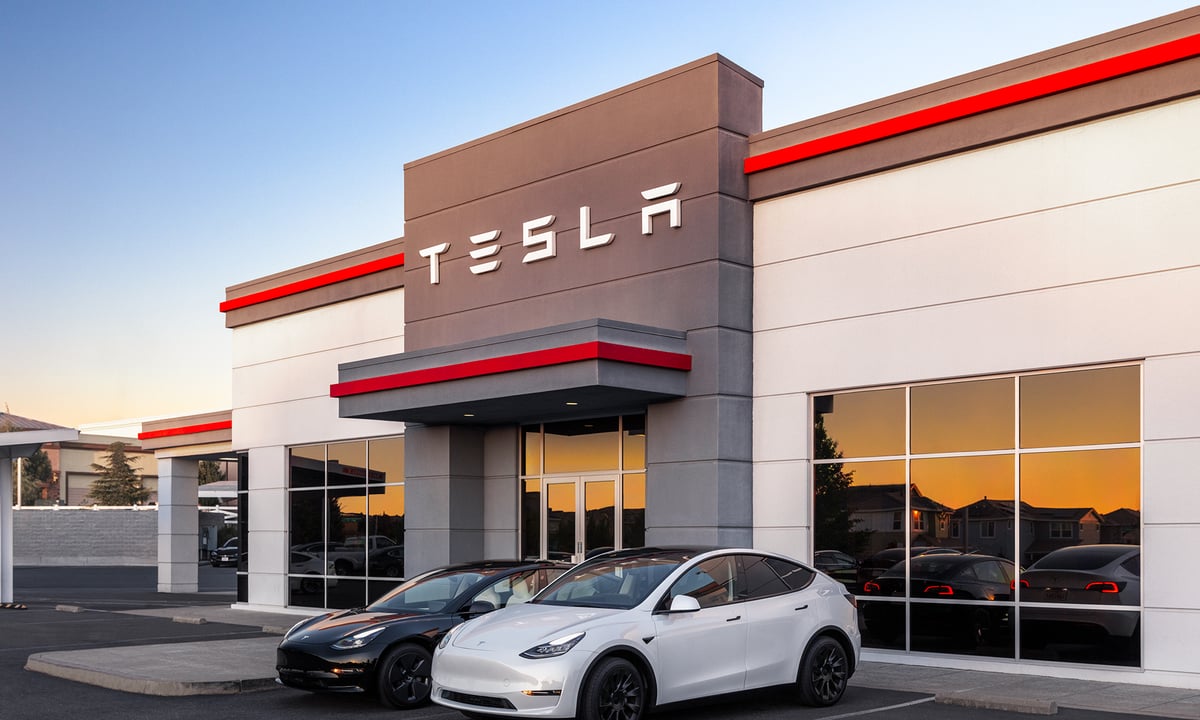
Tesla's Deliveries Fall Short of Expectations

- Delivery Decline: Tesla delivered 358,023 vehicles in Q1, falling short of the 370,000 expected by analysts, indicating ongoing demand pressures despite a 6% year-over-year increase.
- Intensifying Competition: Chinese EV maker BYD delivered over 321,000 vehicles in Q1, nearly 90% of Tesla's total global deliveries, highlighting challenges to Tesla's market share.
- Market Share Shift: BYD's March deliveries reached 300,222 vehicles, accounting for about 84% of Tesla's total Q1 deliveries, although its annual deliveries fell by 20.5%, reflecting macroeconomic and competitive pressures.
- Uncertain Future Outlook: Tesla's stock performance is increasingly divorced from its core EV operations, prompting investors to consider the potential success of growth bets like robotaxi services and the Optimus humanoid robots.
See More
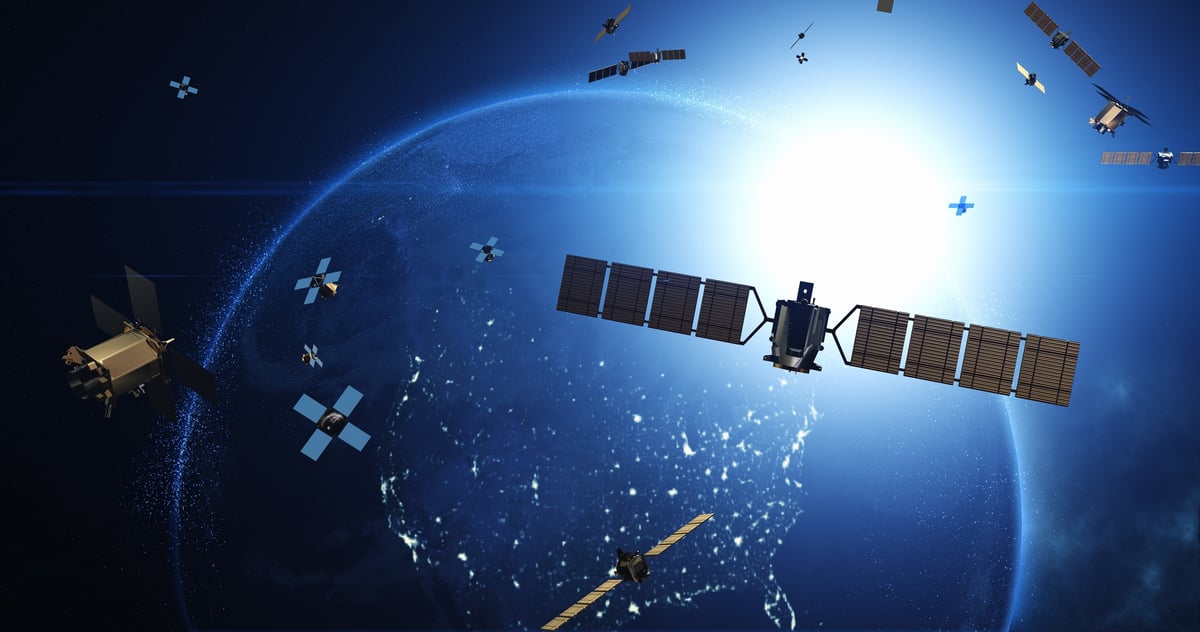
Amazon May Acquire Globalstar Satellite Company


- Space Race Intensifies: Following the launch of Artemis II, Amazon is reportedly considering a $9 billion acquisition of Globalstar, which could significantly impact companies like Apple and Tesla in the satellite telecommunications sector.
- Amazon's Satellite Ambitions: Amazon aims to launch 7,700 low Earth orbit satellites by late 2026 to provide reliable broadband coverage, having already deployed around 200 satellites despite facing challenges like rocket shortages and manufacturing disruptions.
- Globalstar's Market Position: Currently operating 24 satellites with plans to expand to 32, an acquisition by Amazon would greatly enhance Globalstar's satellite operations, strengthening its competitive position in the market.
- Apple's Investment Influence: With a $1.5 billion investment in Globalstar in 2024, Apple holds a 20% stake and has secured 85% of the network capacity for its services, making it a key player in any acquisition discussions between Amazon and Globalstar.
See More

Amazon Pursues Acquisition of Globalstar Satellite Company
- Acquisition Negotiations: Amazon is reportedly in talks to acquire Globalstar, a satellite telecom company valued at $9 billion, which would significantly enhance Amazon's competitive edge in the satellite business amid increasing space competition.
- Satellite Launch Challenges: Amazon aims to launch 7,700 low Earth orbit satellites by late 2026, but has faced delays due to rocket shortages and manufacturing disruptions, prompting a request for an extension from the FCC for its July deadline, highlighting the challenges in its space endeavors.
- Globalstar's Market Position: Currently operating 24 low Earth orbit satellites with plans to expand to 32 this year, an acquisition by Amazon would immediately bolster its satellite operations and increase market share in the telecommunications sector.
- Apple's Potential Influence: With a $1.5 billion investment in Globalstar in 2024, Apple holds a 20% stake and has secured 85% of the network capacity for its services, making it a key player in the acquisition discussions, which could complicate the deal for Amazon.
See More

Tesla Q1 Delivery Analysis Amidst Competitive Pressure
- Year-over-Year Growth: Tesla's Q1 deliveries reached 358,023 vehicles, marking a 6% increase from 336,681 vehicles in the same quarter last year, yet falling short of the 370,000 vehicle target set by analysts, indicating ongoing pressures in the EV market.
- Quarterly Decline: Deliveries dropped 14% sequentially from the previous quarter, suggesting that despite seasonal sales factors, the company is facing significant demand challenges that could impact its future market share.
- Intensifying Competition: Chinese EV manufacturers BYD and Nio are outperforming Tesla in market share and growth, with BYD delivering 300,222 vehicles in Q1, nearly 84% of Tesla's total global deliveries, highlighting Tesla's competitive disadvantages.
- Investor Focus Shift: Given BYD and Nio's robust growth, investors may reassess their positions in Tesla, especially in the context of prioritizing market share and growth, as Tesla's stock performance increasingly diverges from its core EV operations.
See More
Tesla Q1 Deliveries Fall Short of Expectations
- Delivery Analysis: Tesla delivered 358,023 vehicles in Q1, falling short of the consensus estimate of 365,000, although this represents a 6.2% increase from 336,881 vehicles delivered in Q1 2025, indicating some growth potential amid market challenges.
- Production and Deliveries: During the same quarter, Tesla produced 408,386 vehicles, with Model 3/Y deliveries at 341,893 and other models at 16,130, highlighting sustained demand for core models, but the overall shortfall may impact investor confidence.
- Future Outlook: Analysts project Tesla's deliveries to reach 1.69 million in 2026, 1.88 million in 2027, and 2.13 million in 2028, with expectations of surpassing 3 million vehicles by 2030, which could attract investor interest given the long-term growth outlook.
- Market Reaction: Tesla's shares fell 3.3% in premarket trading and are down over 15% in 2026, reflecting market disappointment with the delivery figures, while its market cap stands at $1.39 trillion, indicating cautious sentiment regarding its future performance.
See More
Tesla Faces Continued Weakness in U.S. Demand as Q1 Approaches
- Declining U.S. Registrations: In Q1 2023, Tesla's U.S. vehicle registrations totaled 119,900, reflecting a 12.5% year-over-year decline, indicating persistent weakness in domestic demand that could adversely affect future delivery performance.
- Weak Delivery Expectations: Wall Street anticipates Tesla will report approximately 365,645 global deliveries in Q1, while independent researcher Troy Teslike projects around 375,000 vehicles, both figures falling short of last year's 336,681 deliveries, highlighting diminishing market confidence in Tesla.
- Sales Continue to Drop: Tesla sold 41,300 vehicles in March, down 7.9% year-over-year, although slightly above February's 38,500 units, marking the sixth consecutive month of year-over-year declines, which underscores ongoing demand challenges in the market.
- Bearish Market Sentiment: According to Stocktwits, retail sentiment for Tesla has remained in the 'bearish' territory over the past week, with investors expressing low expectations for Q1 deliveries, contributing to a 15% decline in TSLA stock year-to-date.
See More
Tesla's Deliveries Fall Short of Expectations
- Delivery Decline: Tesla delivered 358,023 vehicles in Q1, falling short of the 370,000 expected by analysts, indicating ongoing demand pressures despite a 6% year-over-year increase.
- Intensifying Competition: Chinese EV maker BYD delivered over 321,000 vehicles in Q1, nearly 90% of Tesla's total global deliveries, highlighting challenges to Tesla's market share.
- Market Share Shift: BYD's March deliveries reached 300,222 vehicles, accounting for about 84% of Tesla's total Q1 deliveries, although its annual deliveries fell by 20.5%, reflecting macroeconomic and competitive pressures.
- Uncertain Future Outlook: Tesla's stock performance is increasingly divorced from its core EV operations, prompting investors to consider the potential success of growth bets like robotaxi services and the Optimus humanoid robots.
See More
Amazon May Acquire Globalstar Satellite Company
- Space Race Intensifies: Following the launch of Artemis II, Amazon is reportedly considering a $9 billion acquisition of Globalstar, which could significantly impact companies like Apple and Tesla in the satellite telecommunications sector.
- Amazon's Satellite Ambitions: Amazon aims to launch 7,700 low Earth orbit satellites by late 2026 to provide reliable broadband coverage, having already deployed around 200 satellites despite facing challenges like rocket shortages and manufacturing disruptions.
- Globalstar's Market Position: Currently operating 24 satellites with plans to expand to 32, an acquisition by Amazon would greatly enhance Globalstar's satellite operations, strengthening its competitive position in the market.
- Apple's Investment Influence: With a $1.5 billion investment in Globalstar in 2024, Apple holds a 20% stake and has secured 85% of the network capacity for its services, making it a key player in any acquisition discussions between Amazon and Globalstar.
See More
Amazon Pursues Acquisition of Globalstar Satellite Company
- Acquisition Negotiations: Amazon is reportedly in talks to acquire Globalstar, a satellite telecom company valued at $9 billion, which would significantly enhance Amazon's competitive edge in the satellite business amid increasing space competition.
- Satellite Launch Challenges: Amazon aims to launch 7,700 low Earth orbit satellites by late 2026, but has faced delays due to rocket shortages and manufacturing disruptions, prompting a request for an extension from the FCC for its July deadline, highlighting the challenges in its space endeavors.
- Globalstar's Market Position: Currently operating 24 low Earth orbit satellites with plans to expand to 32 this year, an acquisition by Amazon would immediately bolster its satellite operations and increase market share in the telecommunications sector.
- Apple's Potential Influence: With a $1.5 billion investment in Globalstar in 2024, Apple holds a 20% stake and has secured 85% of the network capacity for its services, making it a key player in the acquisition discussions, which could complicate the deal for Amazon.
See More
Tesla Q1 Delivery Analysis Amidst Competitive Pressure
- Year-over-Year Growth: Tesla's Q1 deliveries reached 358,023 vehicles, marking a 6% increase from 336,681 vehicles in the same quarter last year, yet falling short of the 370,000 vehicle target set by analysts, indicating ongoing pressures in the EV market.
- Quarterly Decline: Deliveries dropped 14% sequentially from the previous quarter, suggesting that despite seasonal sales factors, the company is facing significant demand challenges that could impact its future market share.
- Intensifying Competition: Chinese EV manufacturers BYD and Nio are outperforming Tesla in market share and growth, with BYD delivering 300,222 vehicles in Q1, nearly 84% of Tesla's total global deliveries, highlighting Tesla's competitive disadvantages.
- Investor Focus Shift: Given BYD and Nio's robust growth, investors may reassess their positions in Tesla, especially in the context of prioritizing market share and growth, as Tesla's stock performance increasingly diverges from its core EV operations.
See More