BlackRock Upgrades U.S. Stock Outlook Amid Earnings Optimism
Written by Emily J. Thompson, Senior Investment Analyst
Updated: 2 days ago
0mins
Should l Buy BLK?
Source: CNBC
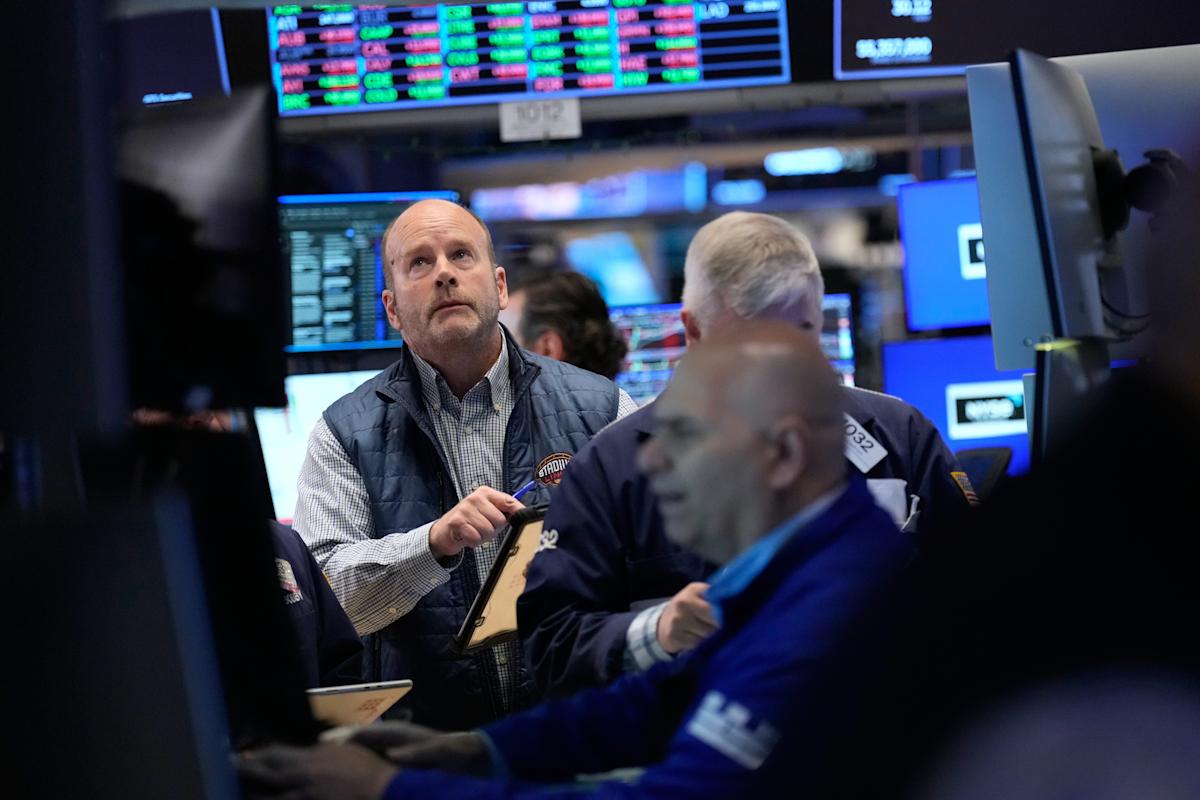
- Optimistic Market Outlook: BlackRock upgraded its rating on U.S. stocks from neutral to overweight, anticipating that the limited impact from the Iran war, combined with strong corporate earnings, will create a favorable environment for domestic equities.
- Rising Earnings Expectations: S&P 500 companies are expected to see a collective profit increase of 12.6% in Q1, with potential to rise to 19% if historical beat rates hold, indicating robust corporate earnings momentum.
- Tech Sector Potential: Despite only marginal gains this year, technology profits are projected to grow by 45%, positioning information technology valuations at their lowest relative to other sectors since mid-2020, highlighting investment opportunities.
- Risk Reassessment: BlackRock reaffirms its risk preference for U.S. and emerging markets, emphasizing strong corporate earnings expectations and limited damage to global growth, with a particular focus on profit margins and defensive thematic investment opportunities in Q1.
Trade with 70% Backtested Accuracy
Stop guessing "Should I Buy BLK?" and start using high-conviction signals backed by rigorous historical data.
Sign up today to access powerful investing tools and make smarter, data-driven decisions.
Analyst Views on BLK
Wall Street analysts forecast BLK stock price to rise
10 Analyst Rating
8 Buy
2 Hold
0 Sell
Strong Buy
Current: 1054.560

Low
1209
Averages
1354
High
1550
Current: 1054.560
Low
1209
Averages
1354
High
1550
About BLK
BlackRock, Inc. is an investment management company. The Company provides a range of investment management and technology services to institutional and retail clients. Its diverse platform of alpha-seeking active, private markets, index and cash management investment strategies across asset classes enables the Company to tailor investment outcomes and asset allocation solutions for clients. Its product offerings include single- and multi-asset portfolios investing in equities, fixed income, alternatives, and money market instruments. Its products are offered directly and through intermediaries in a range of vehicles, including open-end and closed-end mutual funds, iShares exchange-traded funds, separate accounts, collective investment funds and other pooled investment vehicles. It also offers technology services, including the investment and risk management technology platform, Aladdin, Aladdin Wealth, eFront, and Cachematrix, as well as advisory services and solutions.
About the author

Emily J. Thompson
Emily J. Thompson, a Chartered Financial Analyst (CFA) with 12 years in investment research, graduated with honors from the Wharton School. Specializing in industrial and technology stocks, she provides in-depth analysis for Intellectia’s earnings and market brief reports.

Inflation and Private Credit Risks Intensify

- Strong Market Performance: Despite recession fears and consumer pessimism, the S&P 500 has risen nearly 30% over the past year, demonstrating market resilience and investor confidence; however, this optimism may be threatened by emerging risks.
- Rising Private Credit Risks: With increasing default rates in private credit, firms like Morgan Stanley and Blackstone have restricted investor withdrawals from their private credit funds, which could lead to liquidity crises and impact shareholder interests, highlighting vulnerabilities in the financial markets.
- Escalating Inflation Pressure: U.S. inflation surged from 2.4% to 3.3%, driven by rising oil and gas prices, which may not have been factored into private lending models, increasing the risk of borrower defaults and destabilizing related industries.
- Caution for Investors: Given the potential spread of inflation and private credit issues into the financial sector, investors should exercise caution when purchasing financial stocks or stocks of businesses vulnerable to inflation to avoid potential investment losses.
See More

US-Iran Tensions Impact Market Dynamics
- Market Recovery: The S&P 500 has erased all declines since the onset of the Iran war and is nearing an all-time high, reflecting investor optimism about potential progress in US-Iran negotiations, which could drive further stock market gains.
- Economic Blockade Impact: The full implementation of the US blockade on Iranian ports has cut off international sea trade that powers about 90% of Iran's economy, potentially leading to further economic deterioration in Iran while also creating ripple effects in the global energy market.
- International Relations Strain: The US's maximum pressure campaign not only affects Iran but also strains relationships with China and India, particularly as nearly all Iranian oil exports are directed to China, complicating regional dynamics.
- Corporate Developments: European chip manufacturing giant ASML has exceeded first-quarter revenue expectations with sales topping 8.8 billion euros, indicating that the tech sector continues to show robust growth amid global economic uncertainties, likely attracting more investor interest.
See More
BlackRock Faces Securities Fraud Investigation
- Investigation Launched: Pomerantz LLP is investigating claims on behalf of BlackRock investors regarding potential securities fraud or unlawful business practices by the company and its executives, highlighting serious concerns about corporate governance.
- Liquidity Restrictions: On March 6, 2026, BlackRock announced for the first time that it would limit redemptions from its HPS Corporate Lending Fund, committing to only a 5% liquidity threshold each quarter, which triggered strong reactions from investors.
- Stock Price Decline: Following the liquidity restriction announcement, BlackRock's stock price fell by $79.55, or 7.69%, closing at $955.45 on March 6, 2026, reflecting market concerns over the company's financial health.
- Legal Implications: Pomerantz LLP, a prominent securities class action firm, may lead to significant legal liabilities for BlackRock, potentially impacting investor confidence and market performance moving forward.
See More

US Stocks Rally as Oil Prices Plunge

- Strong Market Performance: The S&P 500 rose by 0.77%, the Dow Jones by 0.59%, and the Nasdaq 100 by 0.98%, reflecting optimism about economic recovery, particularly with the potential extension of the US-Iran ceasefire.
- Significant Oil Price Drop: WTI crude oil prices fell over 5% due to optimistic expectations surrounding US-Iran negotiations, which not only alleviates inflationary pressures but may also support the stock market, indicating confidence in future economic growth.
- Inflation Data Impact: The US March PPI rose 4.0% year-over-year, below the expected 4.6%, suggesting that rising fuel prices are slowly filtering into inflation statistics, potentially prompting the Fed to adopt a more dovish stance in upcoming policy meetings.
- Earnings Season Approaches: Q1 earnings for the S&P 500 are projected to increase by 12% year-over-year, although the growth is only 3% when excluding the tech sector, indicating a mix of expectations and caution among investors that could influence decision-making.
See More
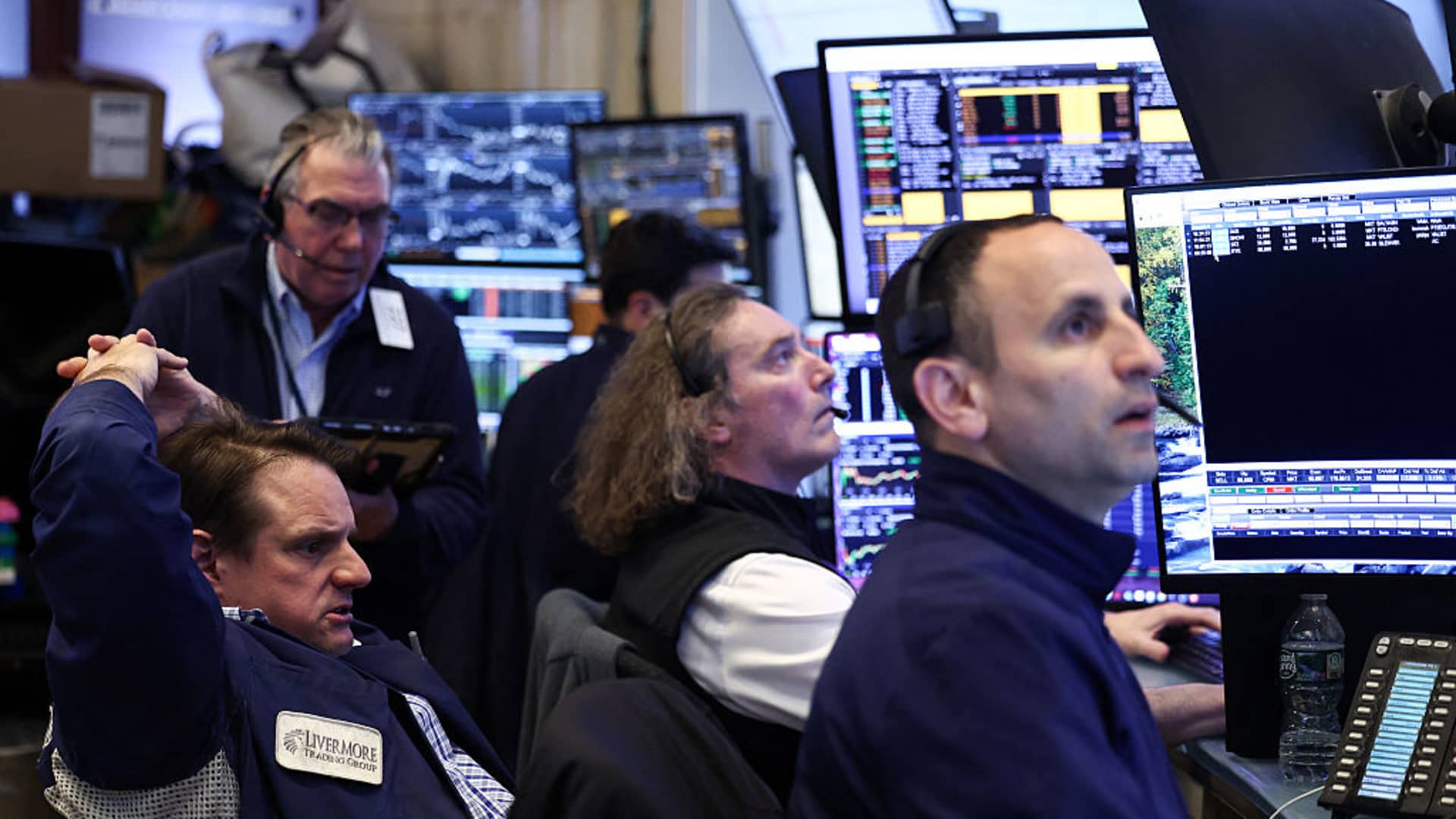
Key Takeaways from CNBC Investing Club Morning Meeting
- Market Trend Analysis: The stock market continued its strong performance from Monday, driven by investor optimism for an end to the Iran war despite a breakdown in peace talks, with West Texas Intermediate crude falling 5% to $93 per barrel, indicating a cautious outlook for the future.
- Amazon Position Trimming: Jim Cramer indicated a willingness to trim the Amazon position due to its over 20% rise since March 27 and exceeding a 5% portfolio weight, aiming to protect profits and manage risk, although the fundamentals remain solid.
- Alphabet Stock Outlook: Citi analysts named Alphabet an 'upside 90-day catalyst watch' and raised its price target from $390 to $405, anticipating that upcoming events like the Google Cloud Next will drive stock price increases, with Cramer expressing optimism about the company's direction.
- Rapid Trade Review: At the end of the video, Jim Cramer highlighted stocks such as JP Morgan, BlackRock, Dow Inc., Ford, General Motors, and United Airlines, showcasing the diversity of the investment portfolio and the broad market focus.
See More
US Stocks Rise on Hopes of Iran Ceasefire Negotiations
- Market Rebound: The S&P 500 index rose by 0.39%, the Dow Jones Industrial Average increased by 0.13%, and the Nasdaq 100 index climbed by 0.76%, reflecting investor optimism regarding potential extensions of the ceasefire between the US and Iran, thereby boosting market confidence.
- Oil Price Decline: WTI crude oil prices fell by over 3% on hopes of US-Iran negotiations, which could alleviate global oil and gas shortages, impacting the earnings outlook for related energy companies.
- Inflation Data Impact: The US March PPI rose by 4.0% year-on-year, below the market expectation of 4.6%, indicating that the impact of high fuel prices on inflation is slowing, which may influence the Federal Reserve's monetary policy decisions.
- Earnings Season Approaches: Q1 earnings for the S&P 500 are projected to increase by 12% year-on-year, but excluding the technology sector, growth is only expected to be around 3%, indicating signs of economic slowdown that could affect investor confidence in the market.
See More
Inflation and Private Credit Risks Intensify
- Strong Market Performance: Despite recession fears and consumer pessimism, the S&P 500 has risen nearly 30% over the past year, demonstrating market resilience and investor confidence; however, this optimism may be threatened by emerging risks.
- Rising Private Credit Risks: With increasing default rates in private credit, firms like Morgan Stanley and Blackstone have restricted investor withdrawals from their private credit funds, which could lead to liquidity crises and impact shareholder interests, highlighting vulnerabilities in the financial markets.
- Escalating Inflation Pressure: U.S. inflation surged from 2.4% to 3.3%, driven by rising oil and gas prices, which may not have been factored into private lending models, increasing the risk of borrower defaults and destabilizing related industries.
- Caution for Investors: Given the potential spread of inflation and private credit issues into the financial sector, investors should exercise caution when purchasing financial stocks or stocks of businesses vulnerable to inflation to avoid potential investment losses.
See More
US-Iran Tensions Impact Market Dynamics
- Market Recovery: The S&P 500 has erased all declines since the onset of the Iran war and is nearing an all-time high, reflecting investor optimism about potential progress in US-Iran negotiations, which could drive further stock market gains.
- Economic Blockade Impact: The full implementation of the US blockade on Iranian ports has cut off international sea trade that powers about 90% of Iran's economy, potentially leading to further economic deterioration in Iran while also creating ripple effects in the global energy market.
- International Relations Strain: The US's maximum pressure campaign not only affects Iran but also strains relationships with China and India, particularly as nearly all Iranian oil exports are directed to China, complicating regional dynamics.
- Corporate Developments: European chip manufacturing giant ASML has exceeded first-quarter revenue expectations with sales topping 8.8 billion euros, indicating that the tech sector continues to show robust growth amid global economic uncertainties, likely attracting more investor interest.
See More
BlackRock Faces Securities Fraud Investigation
- Investigation Launched: Pomerantz LLP is investigating claims on behalf of BlackRock investors regarding potential securities fraud or unlawful business practices by the company and its executives, highlighting serious concerns about corporate governance.
- Liquidity Restrictions: On March 6, 2026, BlackRock announced for the first time that it would limit redemptions from its HPS Corporate Lending Fund, committing to only a 5% liquidity threshold each quarter, which triggered strong reactions from investors.
- Stock Price Decline: Following the liquidity restriction announcement, BlackRock's stock price fell by $79.55, or 7.69%, closing at $955.45 on March 6, 2026, reflecting market concerns over the company's financial health.
- Legal Implications: Pomerantz LLP, a prominent securities class action firm, may lead to significant legal liabilities for BlackRock, potentially impacting investor confidence and market performance moving forward.
See More
US Stocks Rally as Oil Prices Plunge
- Strong Market Performance: The S&P 500 rose by 0.77%, the Dow Jones by 0.59%, and the Nasdaq 100 by 0.98%, reflecting optimism about economic recovery, particularly with the potential extension of the US-Iran ceasefire.
- Significant Oil Price Drop: WTI crude oil prices fell over 5% due to optimistic expectations surrounding US-Iran negotiations, which not only alleviates inflationary pressures but may also support the stock market, indicating confidence in future economic growth.
- Inflation Data Impact: The US March PPI rose 4.0% year-over-year, below the expected 4.6%, suggesting that rising fuel prices are slowly filtering into inflation statistics, potentially prompting the Fed to adopt a more dovish stance in upcoming policy meetings.
- Earnings Season Approaches: Q1 earnings for the S&P 500 are projected to increase by 12% year-over-year, although the growth is only 3% when excluding the tech sector, indicating a mix of expectations and caution among investors that could influence decision-making.
See More
Key Takeaways from CNBC Investing Club Morning Meeting
- Market Trend Analysis: The stock market continued its strong performance from Monday, driven by investor optimism for an end to the Iran war despite a breakdown in peace talks, with West Texas Intermediate crude falling 5% to $93 per barrel, indicating a cautious outlook for the future.
- Amazon Position Trimming: Jim Cramer indicated a willingness to trim the Amazon position due to its over 20% rise since March 27 and exceeding a 5% portfolio weight, aiming to protect profits and manage risk, although the fundamentals remain solid.
- Alphabet Stock Outlook: Citi analysts named Alphabet an 'upside 90-day catalyst watch' and raised its price target from $390 to $405, anticipating that upcoming events like the Google Cloud Next will drive stock price increases, with Cramer expressing optimism about the company's direction.
- Rapid Trade Review: At the end of the video, Jim Cramer highlighted stocks such as JP Morgan, BlackRock, Dow Inc., Ford, General Motors, and United Airlines, showcasing the diversity of the investment portfolio and the broad market focus.
See More
US Stocks Rise on Hopes of Iran Ceasefire Negotiations
- Market Rebound: The S&P 500 index rose by 0.39%, the Dow Jones Industrial Average increased by 0.13%, and the Nasdaq 100 index climbed by 0.76%, reflecting investor optimism regarding potential extensions of the ceasefire between the US and Iran, thereby boosting market confidence.
- Oil Price Decline: WTI crude oil prices fell by over 3% on hopes of US-Iran negotiations, which could alleviate global oil and gas shortages, impacting the earnings outlook for related energy companies.
- Inflation Data Impact: The US March PPI rose by 4.0% year-on-year, below the market expectation of 4.6%, indicating that the impact of high fuel prices on inflation is slowing, which may influence the Federal Reserve's monetary policy decisions.
- Earnings Season Approaches: Q1 earnings for the S&P 500 are projected to increase by 12% year-on-year, but excluding the technology sector, growth is only expected to be around 3%, indicating signs of economic slowdown that could affect investor confidence in the market.
See More