BJ's Wholesale Club Set to Launch in Warner Robins, Georgia on September 12
New BJ's Wholesale Club Opening: BJ's Wholesale Club will open a new location in Warner Robins, Georgia on September 12, featuring an on-site gas station that opens earlier on August 27.
Member Benefits: Members can save up to 25% off grocery store prices and enjoy various shopping options including curbside pick-up, same-day delivery, and the ability to use the BJ's mobile app for ExpressPay.
Community Support Initiatives: BJ's has partnered with Middle Georgia Community Food Bank to donate food and support local families, continuing its commitment to community nourishment.
Membership Offers: New members can join with limited-time offers, receiving welcome rewards of $40 or $80 depending on the membership type, along with additional savings at BJ's Gas locations.
Trade with 70% Backtested Accuracy
Analyst Views on BJ

About BJ
About the author


Trump's Address Triggers Market Volatility


- Oil Price Surge: Trump's address indicated that the U.S. would strike Iran
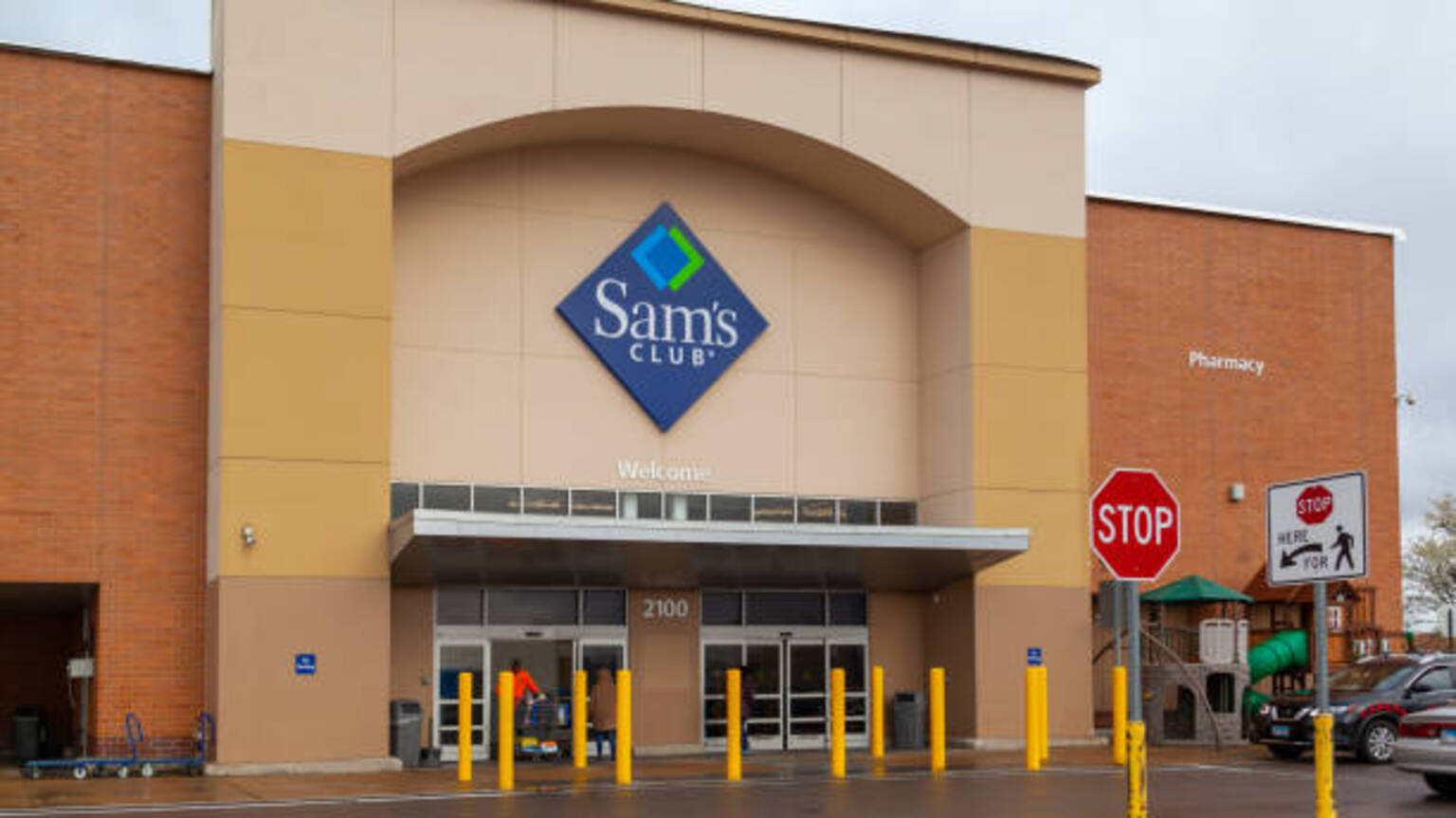
Sam's Club Raises Annual Membership Fee to $60

- Membership Fee Increase: Sam's Club announced a $10 increase in its basic membership fee to $60 and $120 for the higher-tier option, marking the first price hike since October 2022, effective May 1, aimed at enhancing member services.
- Market Competition Insight: The new fee structure remains below current rates charged by Costco (COST) but matches BJ's Wholesale Club (BJ), indicating Sam's strategic pricing approach in a competitive membership retail landscape.
- Membership Growth Momentum: Although specific figures were not disclosed, Sam's Club recorded its highest-ever membership count at the end of its last reporting period, reflecting success in attracting new members, which could further drive sales growth.
- Sales Performance Review: In Q4, Sam's Club achieved a 4.0% increase in comparable sales, with a 5.3% rise in transactions offsetting a 1.3% decline in average ticket size, while adjusted operating income rose by 3.8%, although it did not match the growth rates of Walmart's U.S. and International segments.
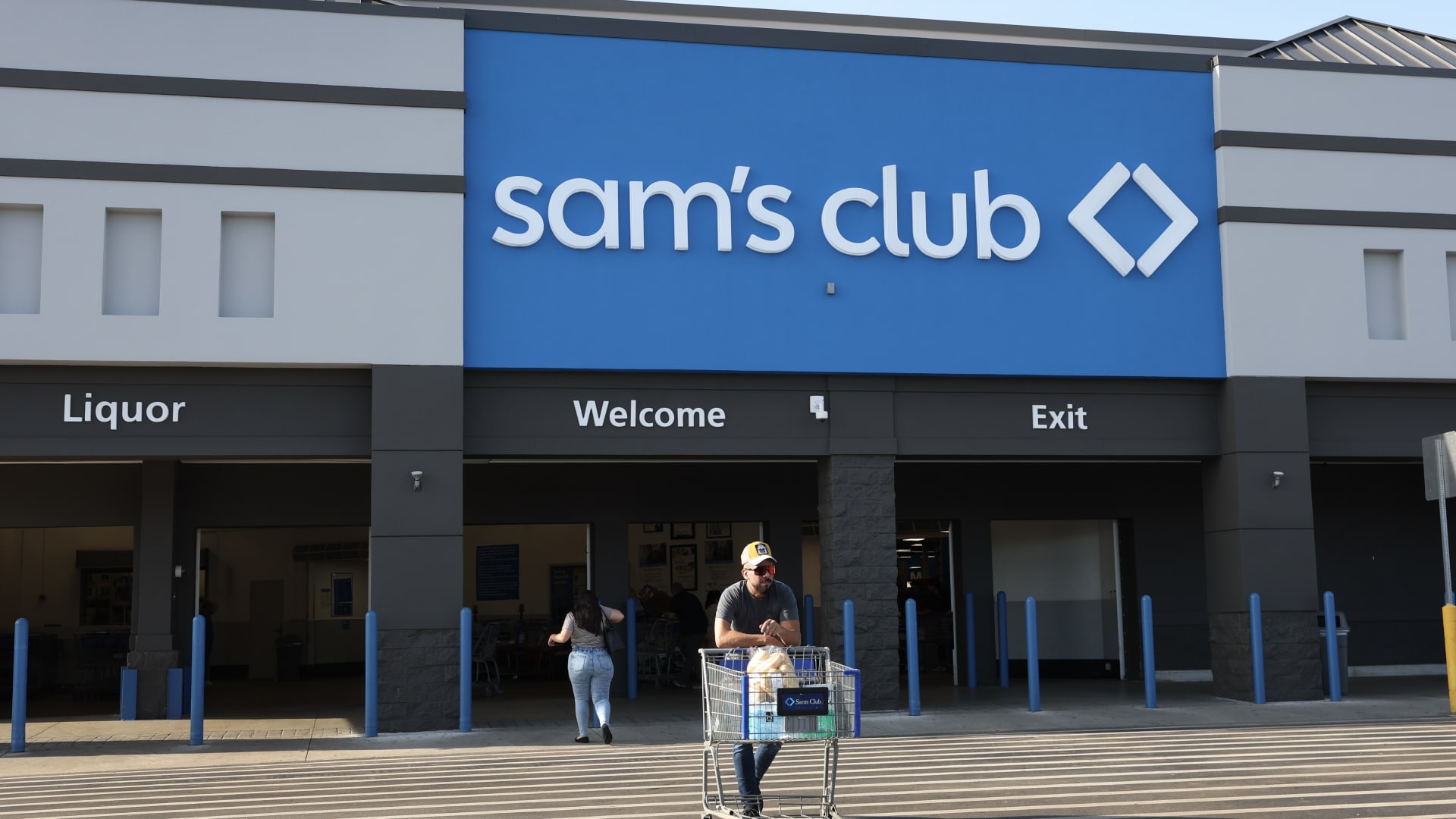
Sam's Club Raises Annual Membership Fee by $10
- Membership Fee Adjustment: Sam's Club announced an increase in its basic membership fee from $50 to $60 and the Plus membership fee from $110 to $120, effective May 1, aimed at supporting services that members love, although still below competitor Costco's pricing.
- Sales Growth: The U.S. net sales for Sam's Club grew by approximately 3.1% to $93 billion, partly driven by a 23% year-over-year increase in e-commerce sales during the holiday quarter, indicating strong performance in its digital business.
- Estimated Membership Count: While Sam's Club does not disclose specific membership numbers, it is estimated to exceed 30 million, with a similar proportion of high-tier members as Costco, and the fee increase is expected to boost annual income for parent company Walmart by over $200 million.
- Enhanced Rewards Program: Under the new fee structure, Plus members will be able to earn up to $750 per year in Sam's Cash rewards on eligible purchases, up from $500 previously, further enhancing the appeal of membership.
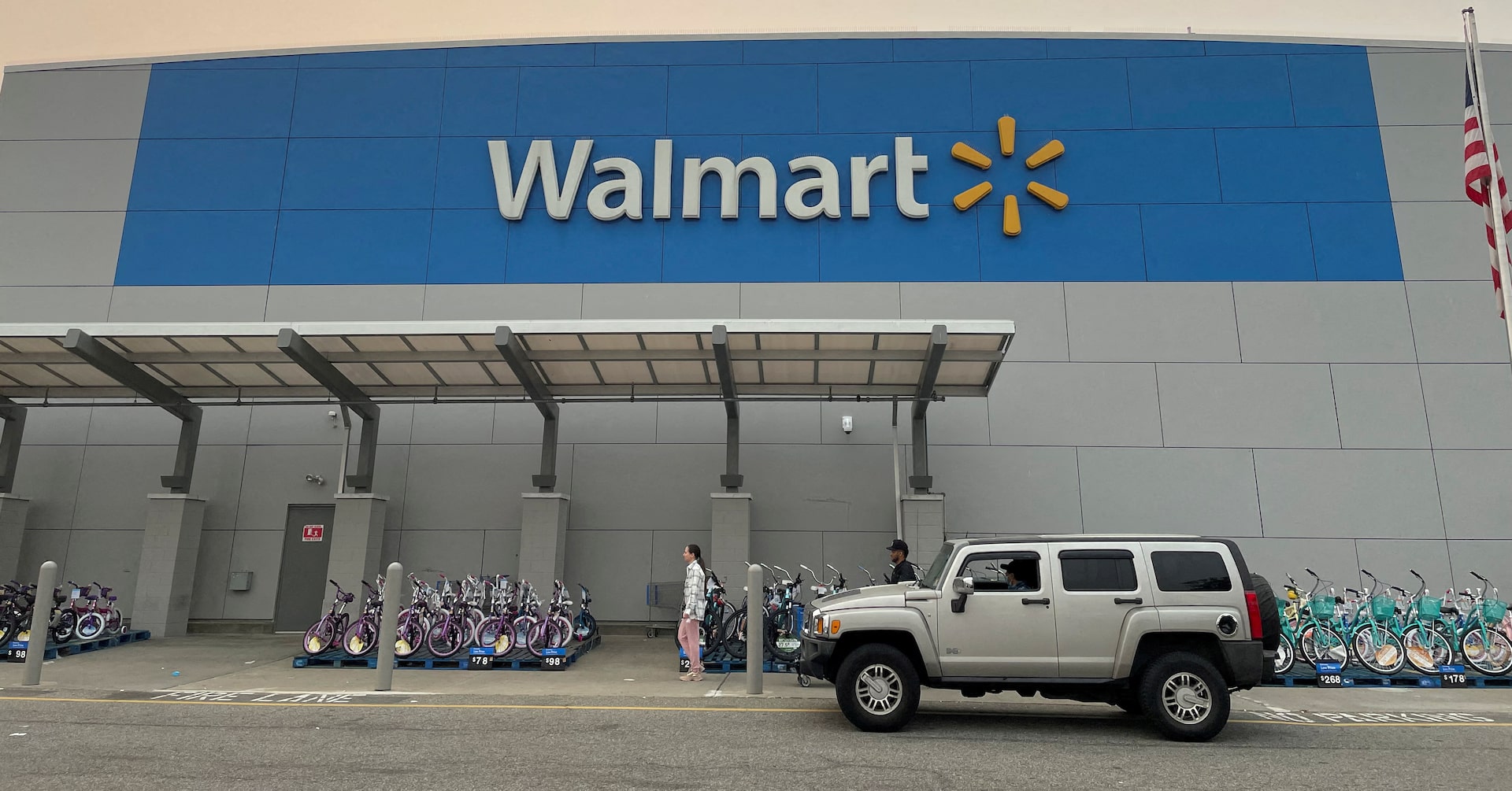
Sam's Club Raises Membership Fee by $10
- Membership Fee Adjustment: Sam's Club is increasing its basic membership fee from $50 to $60 and its Plus membership from $110 to $120, although these rates remain lower than Costco's, indicating its awareness of competitive pricing.
- Sales Growth: The warehouse club reported a 3.1% increase in net sales to $93 billion last fiscal year, partly driven by a 23% year-over-year rise in e-commerce sales, highlighting the effectiveness of its digital expansion strategy.
- Gas Price Impact: With the national average gas price hitting $4.018 due to the Iran war, more consumers are drawn to Sam's Club's fuel discounts, enhancing its value proposition for members amid rising fuel costs.
- Increased Member Rewards: The new fee structure allows Plus members to earn up to $750 in cash rewards annually, up from $500, aimed at boosting member loyalty and encouraging higher spending within the club.

Analysts Upgrade Rocket Lab and Sandisk Amid Market Changes

- Rocket Lab Upgrade: Analyst David B. McMillan upgraded Rocket Lab from Sell to Hold, noting that a 40% stock decline has created a more favorable risk-reward profile, supported by a backlog exceeding $2 billion and high-margin HASTE contracts, although long-term valuation remains contingent on the success of the Neutron rocket.
- Sandisk Strong Performance: Analyst Gary Alexander upgraded Sandisk from Sell to Neutral, reporting a 61% year-over-year revenue increase to $3.03 billion in 2026, significantly surpassing Wall Street's expectations of $2.69 billion, reflecting robust demand for storage chips that has elevated gross margins to over 60%.
- Qualcomm Downgrade: Analyst JR Research downgraded Qualcomm, citing weak smartphone demand and memory constraints leading to a sharp stock decline, with recovery unlikely before FY2027 as smartphone chipset revenue constitutes over 62% of the company's base.
- BJ’s Wholesale Club Cautious Outlook: Redfox Capital downgraded BJ from Buy to Hold, indicating a shift in FY2026 focus towards SG&A investments over earnings growth, which will slow adjusted EPS growth to low-to-mid-single digits despite strong membership quality, reflecting market caution in BJ's near-term valuation adjustments.
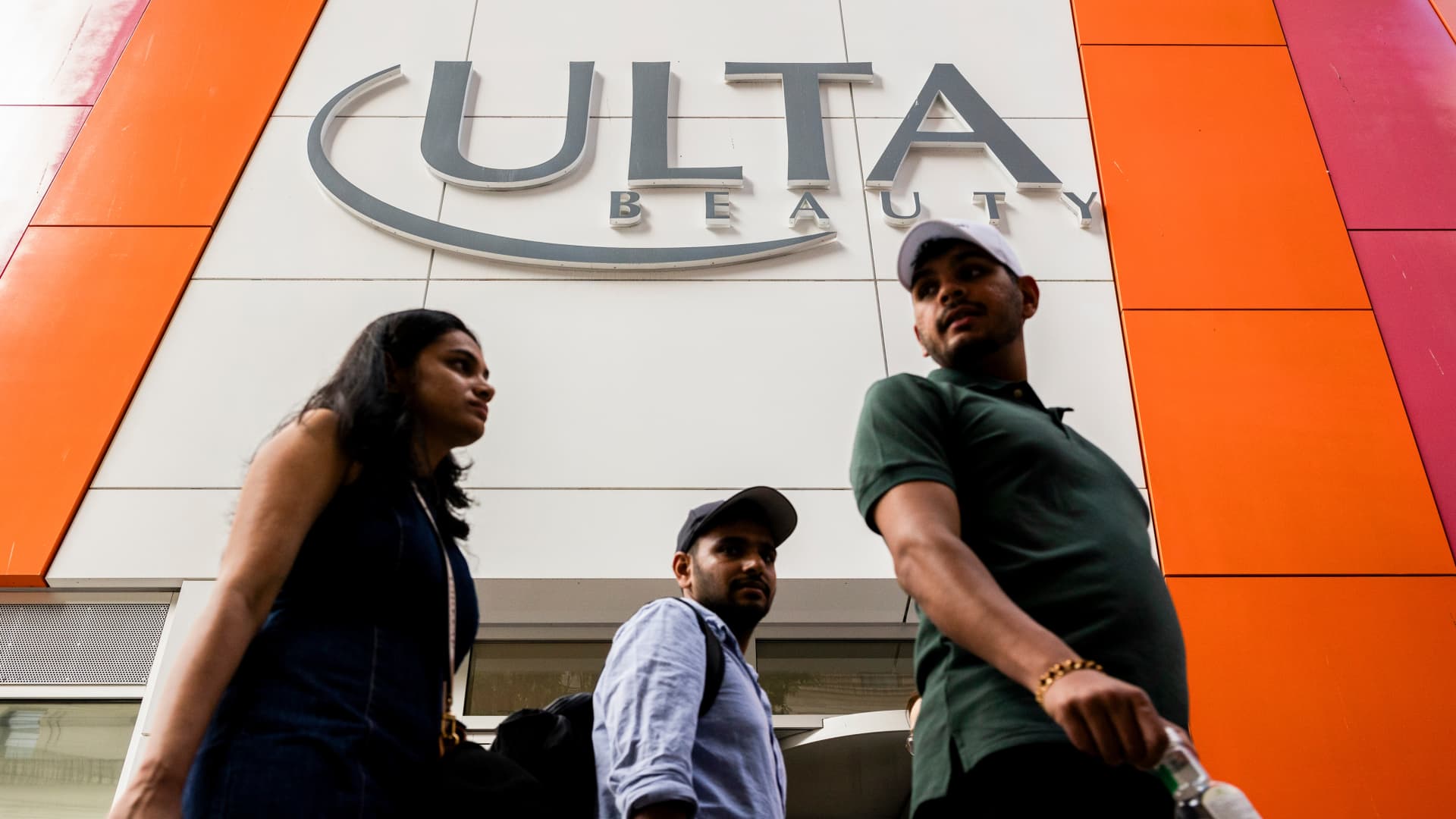
Analysis of Retail Sector Impact from Rising Oil Prices


- Impact of Rising Oil Prices: Brent crude futures have surged above $110 per barrel due to the ongoing Middle East conflict, with diesel prices exceeding $5 per gallon for the first time since 2022, potentially imposing secondary effects on the U.S. retail sector and increasing household budget pressures.
- Advantage of Higher-Income Customers: Deutsche Bank analysts noted that retailers like Ulta Beauty and Costco, which cater to higher-income demographics, have historically shown a positive correlation between sales and rising oil prices, indicating better sales performance in such environments.
- Pressure on Lower-Income Customers: Conversely, retailers like BJ's Wholesale Club and Burlington Stores, which primarily serve lower-income customers, exhibit negative sales correlations with rising gas prices, highlighting a trend where lower-income consumers reduce spending as fuel costs increase.
- Inventory Management Strategy: Despite the risks associated with rising input costs, many global brands, including Amer Sports and Birkenstock, maintain over 200 days of finished goods inventory, which helps mitigate near-term margin pressures and ensures market stability amid supply chain disruptions.
Trump's Address Triggers Market Volatility
- Oil Price Surge: Trump's address indicated that the U.S. would strike Iran
Sam's Club Raises Annual Membership Fee to $60
- Membership Fee Increase: Sam's Club announced a $10 increase in its basic membership fee to $60 and $120 for the higher-tier option, marking the first price hike since October 2022, effective May 1, aimed at enhancing member services.
- Market Competition Insight: The new fee structure remains below current rates charged by Costco (COST) but matches BJ's Wholesale Club (BJ), indicating Sam's strategic pricing approach in a competitive membership retail landscape.
- Membership Growth Momentum: Although specific figures were not disclosed, Sam's Club recorded its highest-ever membership count at the end of its last reporting period, reflecting success in attracting new members, which could further drive sales growth.
- Sales Performance Review: In Q4, Sam's Club achieved a 4.0% increase in comparable sales, with a 5.3% rise in transactions offsetting a 1.3% decline in average ticket size, while adjusted operating income rose by 3.8%, although it did not match the growth rates of Walmart's U.S. and International segments.
Sam's Club Raises Annual Membership Fee by $10
- Membership Fee Adjustment: Sam's Club announced an increase in its basic membership fee from $50 to $60 and the Plus membership fee from $110 to $120, effective May 1, aimed at supporting services that members love, although still below competitor Costco's pricing.
- Sales Growth: The U.S. net sales for Sam's Club grew by approximately 3.1% to $93 billion, partly driven by a 23% year-over-year increase in e-commerce sales during the holiday quarter, indicating strong performance in its digital business.
- Estimated Membership Count: While Sam's Club does not disclose specific membership numbers, it is estimated to exceed 30 million, with a similar proportion of high-tier members as Costco, and the fee increase is expected to boost annual income for parent company Walmart by over $200 million.
- Enhanced Rewards Program: Under the new fee structure, Plus members will be able to earn up to $750 per year in Sam's Cash rewards on eligible purchases, up from $500 previously, further enhancing the appeal of membership.
Sam's Club Raises Membership Fee by $10
- Membership Fee Adjustment: Sam's Club is increasing its basic membership fee from $50 to $60 and its Plus membership from $110 to $120, although these rates remain lower than Costco's, indicating its awareness of competitive pricing.
- Sales Growth: The warehouse club reported a 3.1% increase in net sales to $93 billion last fiscal year, partly driven by a 23% year-over-year rise in e-commerce sales, highlighting the effectiveness of its digital expansion strategy.
- Gas Price Impact: With the national average gas price hitting $4.018 due to the Iran war, more consumers are drawn to Sam's Club's fuel discounts, enhancing its value proposition for members amid rising fuel costs.
- Increased Member Rewards: The new fee structure allows Plus members to earn up to $750 in cash rewards annually, up from $500, aimed at boosting member loyalty and encouraging higher spending within the club.
Analysts Upgrade Rocket Lab and Sandisk Amid Market Changes
- Rocket Lab Upgrade: Analyst David B. McMillan upgraded Rocket Lab from Sell to Hold, noting that a 40% stock decline has created a more favorable risk-reward profile, supported by a backlog exceeding $2 billion and high-margin HASTE contracts, although long-term valuation remains contingent on the success of the Neutron rocket.
- Sandisk Strong Performance: Analyst Gary Alexander upgraded Sandisk from Sell to Neutral, reporting a 61% year-over-year revenue increase to $3.03 billion in 2026, significantly surpassing Wall Street's expectations of $2.69 billion, reflecting robust demand for storage chips that has elevated gross margins to over 60%.
- Qualcomm Downgrade: Analyst JR Research downgraded Qualcomm, citing weak smartphone demand and memory constraints leading to a sharp stock decline, with recovery unlikely before FY2027 as smartphone chipset revenue constitutes over 62% of the company's base.
- BJ’s Wholesale Club Cautious Outlook: Redfox Capital downgraded BJ from Buy to Hold, indicating a shift in FY2026 focus towards SG&A investments over earnings growth, which will slow adjusted EPS growth to low-to-mid-single digits despite strong membership quality, reflecting market caution in BJ's near-term valuation adjustments.
Analysis of Retail Sector Impact from Rising Oil Prices
- Impact of Rising Oil Prices: Brent crude futures have surged above $110 per barrel due to the ongoing Middle East conflict, with diesel prices exceeding $5 per gallon for the first time since 2022, potentially imposing secondary effects on the U.S. retail sector and increasing household budget pressures.
- Advantage of Higher-Income Customers: Deutsche Bank analysts noted that retailers like Ulta Beauty and Costco, which cater to higher-income demographics, have historically shown a positive correlation between sales and rising oil prices, indicating better sales performance in such environments.
- Pressure on Lower-Income Customers: Conversely, retailers like BJ's Wholesale Club and Burlington Stores, which primarily serve lower-income customers, exhibit negative sales correlations with rising gas prices, highlighting a trend where lower-income consumers reduce spending as fuel costs increase.
- Inventory Management Strategy: Despite the risks associated with rising input costs, many global brands, including Amer Sports and Birkenstock, maintain over 200 days of finished goods inventory, which helps mitigate near-term margin pressures and ensures market stability amid supply chain disruptions.