JPMorgan ETFs Attract Significant Net Inflows
Written by Emily J. Thompson, Senior Investment Analyst
Updated: Apr 04 2026
0mins


Source: Fool
- Net Inflow Trend: Over the past year, derivative income ETFs have seen significant net inflows, particularly in single-stock ETFs, with the JPMorgan Equity Premium Income ETF and JPMorgan Nasdaq Equity Premium Income ETF collectively managing $78 billion in assets, indicating strong investor demand for high-yield covered call products.
- Investment Strategy Analysis: The JPMorgan Equity Premium Income ETF targets low-volatility stocks and writes out-of-the-money S&P 500 call options to generate monthly income, aiming to reduce downside risk and provide stable cash flow despite challenges like economic slowdown and negative non-farm payroll growth.
- Market Environment Impact: With the U.S. GDP growth rate slowing to just 0.7% in Q4 2025 and the OECD forecasting a 4% inflation rate, these economic conditions are not supportive of rising stock prices, prompting investors to shift towards more defensive investment strategies to mitigate market volatility.
- ETF Comparison: Given the current macroeconomic conditions, the JPMorgan Equity Premium Income ETF is viewed as the better choice due to its low-volatility stocks providing a layer of protection, while the JPMorgan Nasdaq Equity Premium Income ETF, despite an attractive 11.4% yield, carries higher risks due to the volatility of tech stocks.
Trade with 70% Backtested Accuracy
Stop guessing "Should I Buy WMT?" and start using high-conviction signals backed by rigorous historical data.
Sign up today to access powerful investing tools and make smarter, data-driven decisions.
Analyst Views on WMT
Wall Street analysts forecast WMT stock price to rise
26 Analyst Rating
25 Buy
1 Hold
0 Sell
Strong Buy
Current: 120.500

Low
119.00
Averages
125.75
High
136.00
Current: 120.500
Low
119.00
Averages
125.75
High
136.00
About WMT
Walmart Inc. is a technology-powered omnichannel retailer. The Company is engaged in the operation of retail and wholesale stores and clubs, as well as eCommerce Websites and mobile applications, located throughout the United States (U.S.), Africa, Canada, Central America, Chile, China, India and Mexico. It operates in three reportable segments: Walmart U.S., Walmart International and Sam's Club U.S. The Walmart U.S. segment includes the Company's mass merchandising concept in the U.S., as well as eCommerce, which includes omni-channel initiatives and certain other business offerings such as advertising services. The Walmart International segment consists of the Company's operations outside of the U.S. through its subsidiaries, as well as eCommerce and omni-channel initiatives. The Sam's Club U.S. segment includes the warehouse membership clubs in the U.S., as well as samsclub.com and omni-channel initiatives.
About the author

Emily J. Thompson
Emily J. Thompson, a Chartered Financial Analyst (CFA) with 12 years in investment research, graduated with honors from the Wharton School. Specializing in industrial and technology stocks, she provides in-depth analysis for Intellectia’s earnings and market brief reports.

SpaceX IPO Creates Market Ripples


- IPO Performance: SpaceX's official launch price was set at $135 per share, but it opened at $168, marking a 22% increase and reaching a market cap of $2.2 trillion, making it the largest public offering in history, indicating strong investor interest despite the high valuation.
- Market Impact: While SpaceX's successful debut attracted significant capital, it also resulted in market cap reductions of $55 billion for Amazon and $21 billion for Microsoft, suggesting that funds may have shifted from these tech giants to the emerging SpaceX.
- Investor Confidence: The successful debut of SpaceX sends a positive signal to upcoming IPOs like OpenAI and Anthropic, indicating that investors are willing to pay a premium for cutting-edge technology, which could enhance the market performance of these companies.
- Geopolitical Influence: Amid SpaceX's IPO, oil prices fluctuated due to news surrounding the Iranian conflict; although major market indexes showed little movement, investor hopes for a peace agreement led to a downward trend in oil prices, reflecting the market's sensitivity to geopolitical developments.
See More

SpaceX Shares Surge 22% on IPO Day, Market Cap Exceeds $2.2 Trillion

- IPO Performance: SpaceX's shares opened at $168 on its IPO day, marking a 22% increase from the $135 offering price, pushing its market cap above $2.2 trillion, making it the largest public offering in history and reflecting strong investor interest in space exploration and AI ventures.
- Market Impact: The IPO led to slight declines in tech giants Amazon and Microsoft, which saw market cap reductions of $55 billion and $21 billion respectively, indicating that investors may be reallocating funds from these established firms to SpaceX, reshaping investment portfolios.
- Industry Outlook: SpaceX's successful debut sets a precedent for companies like OpenAI and Anthropic, which are expected to go public later this year, suggesting that investor enthusiasm for space and AI sectors could drive significant valuations for these firms.
- Geopolitical Influence: While SpaceX's launch captured market attention, oil prices fell over 2% due to hopes surrounding U.S.-Iran peace talks, highlighting the market's sensitivity to geopolitical dynamics that could influence future investment decisions.
See More

SpaceX Launches Historic IPO, Musk Poised to Become First Trillionaire

- Historic IPO: SpaceX launched on Nasdaq with over 555 million shares priced at $135 each, expected to raise over $75 billion, marking the largest IPO in history with a valuation nearing $1.8 trillion, surpassing Tesla and Meta.
- Investor Enthusiasm: The IPO saw demand soar, being oversubscribed more than four times, with 20% of shares reserved for retail investors, reflecting strong market confidence in Musk and his ventures, likely creating thousands of new millionaires and several billionaires.
- Future Outlook: Despite projected revenues of $18.7 billion in 2025, SpaceX faces a net loss of $4.9 billion primarily due to heavy investments in AI, with future success hinging on the performance of its Starlink satellite internet service and xAI.
- Societal Impact: Musk's wealth stands at $782 billion, and if the IPO succeeds, he could become the first trillionaire in history; however, economists warn that such concentrated wealth could negatively impact both the economy and democracy.
See More

Stocks Surge After Trump Cancels Iran Strikes

- Market Rebound: Stocks surged on Thursday, with the S&P 500 index achieving its first positive session after President Trump announced the cancellation of strikes against Iran, indicating a market sensitivity to political stability that may attract more investors.
- Honeywell Investor Day: Honeywell showcased its growth potential during its Technologies business investor day, with expectations that the upcoming spin-off of its Aerospace business on June 29 will significantly enhance the company's valuation, reflecting the success of its strategic restructuring.
- Clear Financial Targets: Honeywell's management outlined three-year financial targets of 4% to 6% organic sales growth and steady annual margin expansion, aiming for $6 in earnings per share, which underscores the company's focus on profitability and growth.
- Freight Sector Recovery: Following concerns about Amazon's expansion into less-than-truckload services, trucking and freight stocks rebounded strongly, with analysts noting that Amazon's retail competitors are unlikely to utilize these services, providing a protective buffer for traditional carriers and boosting market confidence.
See More
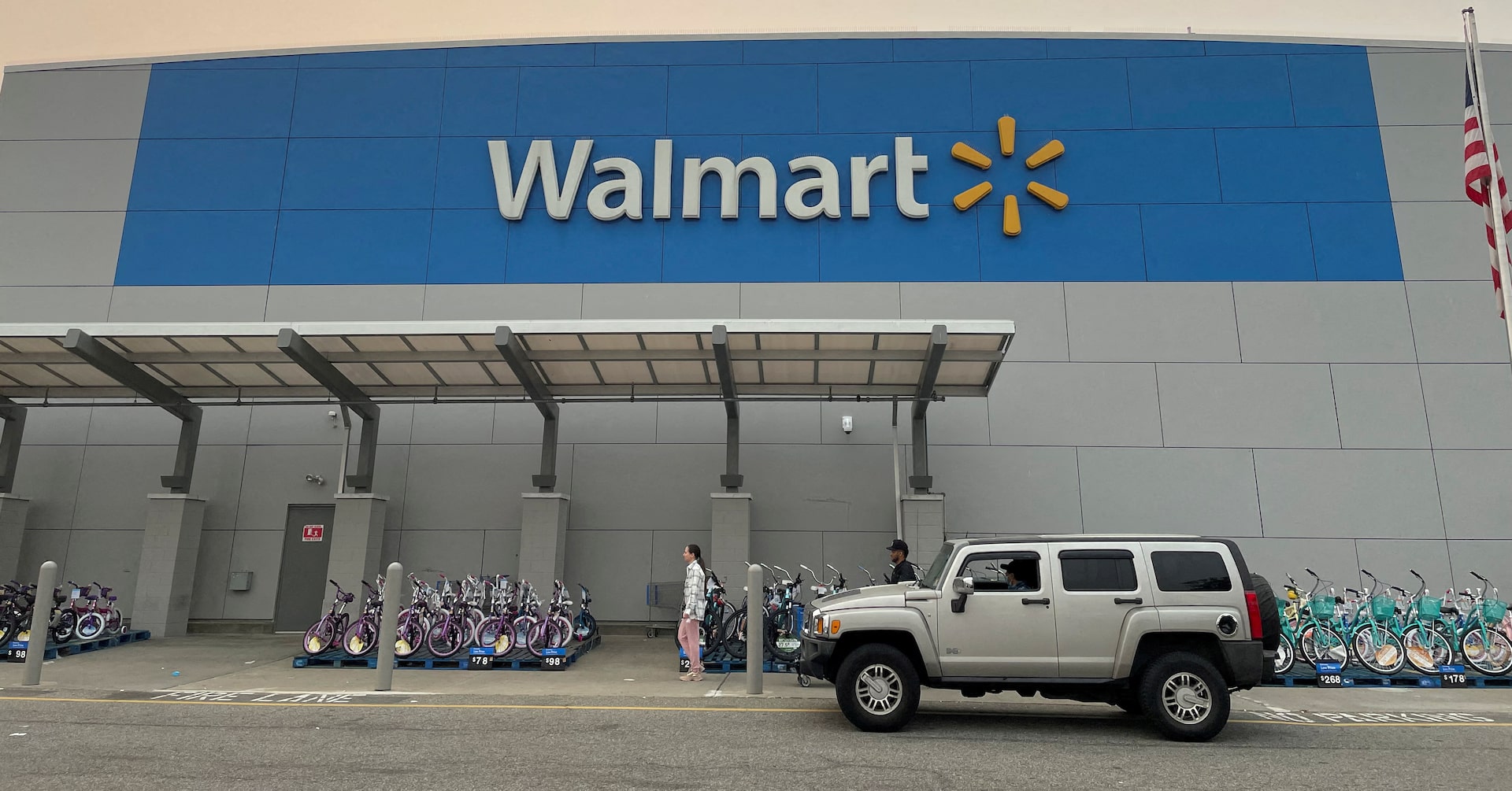
Trump Administration to Appeal Ruling on H-1B Visa Fee

- Appeal Decision: The Trump administration has decided to appeal a ruling by U.S. District Judge Leo Sorokin that struck down the $100,000 fee on H-1B visa applications, indicating a firm stance on restricting the visa program through increased costs.
- Judge's Ruling: Judge Sorokin ruled that Trump exceeded his authority by imposing what he deemed a tax without Congressional approval, highlighting limitations on executive power regarding immigration policy.
- Corporate Response: Several companies, including Walmart, have announced they will pause their participation in the H-1B program, reflecting the immediate impact of Trump's policies on corporate hiring strategies and potentially leading to a shortage of skilled labor in the tech sector.
- Fee History: Prior to Trump's proclamation, H-1B visa fees ranged from $2,000 to $5,000, and the significant increase proposed has drawn widespread attention, raising concerns about its effects on the recruitment capabilities of U.S. technology firms.
See More

Analysis of REIT and Consumer Stock Performance


- REIT Performance: Realty Income owns approximately 15,500 properties, achieving $31 billion in sourced volume in Q1 with a 9% selectivity rate, maintaining a 98.9% occupancy rate even under economic pressure, showcasing its strong resilience in the market.
- Home Depot Sales Growth: Despite high mortgage rates affecting home sales, Home Depot reported a 4.8% year-over-year sales increase in Q1 2026 and plans to open 15 new stores in the coming year, enhancing its competitive position in the market.
- American Express Revenue Growth: American Express saw an 11% year-over-year revenue increase to $18.9 billion in Q1 2026, with EPS rising 18% to $4.28, demonstrating its resilience and profitability in a high-inflation environment.
- Dividend Attractiveness: Realty Income offers a 5.3% dividend yield and has paid monthly dividends for over 55 years, while American Express provides a 1.1% yield, both serving as stable sources of passive income for investors.
See More
SpaceX IPO Creates Market Ripples
- IPO Performance: SpaceX's official launch price was set at $135 per share, but it opened at $168, marking a 22% increase and reaching a market cap of $2.2 trillion, making it the largest public offering in history, indicating strong investor interest despite the high valuation.
- Market Impact: While SpaceX's successful debut attracted significant capital, it also resulted in market cap reductions of $55 billion for Amazon and $21 billion for Microsoft, suggesting that funds may have shifted from these tech giants to the emerging SpaceX.
- Investor Confidence: The successful debut of SpaceX sends a positive signal to upcoming IPOs like OpenAI and Anthropic, indicating that investors are willing to pay a premium for cutting-edge technology, which could enhance the market performance of these companies.
- Geopolitical Influence: Amid SpaceX's IPO, oil prices fluctuated due to news surrounding the Iranian conflict; although major market indexes showed little movement, investor hopes for a peace agreement led to a downward trend in oil prices, reflecting the market's sensitivity to geopolitical developments.
See More
SpaceX Shares Surge 22% on IPO Day, Market Cap Exceeds $2.2 Trillion
- IPO Performance: SpaceX's shares opened at $168 on its IPO day, marking a 22% increase from the $135 offering price, pushing its market cap above $2.2 trillion, making it the largest public offering in history and reflecting strong investor interest in space exploration and AI ventures.
- Market Impact: The IPO led to slight declines in tech giants Amazon and Microsoft, which saw market cap reductions of $55 billion and $21 billion respectively, indicating that investors may be reallocating funds from these established firms to SpaceX, reshaping investment portfolios.
- Industry Outlook: SpaceX's successful debut sets a precedent for companies like OpenAI and Anthropic, which are expected to go public later this year, suggesting that investor enthusiasm for space and AI sectors could drive significant valuations for these firms.
- Geopolitical Influence: While SpaceX's launch captured market attention, oil prices fell over 2% due to hopes surrounding U.S.-Iran peace talks, highlighting the market's sensitivity to geopolitical dynamics that could influence future investment decisions.
See More
SpaceX Launches Historic IPO, Musk Poised to Become First Trillionaire
- Historic IPO: SpaceX launched on Nasdaq with over 555 million shares priced at $135 each, expected to raise over $75 billion, marking the largest IPO in history with a valuation nearing $1.8 trillion, surpassing Tesla and Meta.
- Investor Enthusiasm: The IPO saw demand soar, being oversubscribed more than four times, with 20% of shares reserved for retail investors, reflecting strong market confidence in Musk and his ventures, likely creating thousands of new millionaires and several billionaires.
- Future Outlook: Despite projected revenues of $18.7 billion in 2025, SpaceX faces a net loss of $4.9 billion primarily due to heavy investments in AI, with future success hinging on the performance of its Starlink satellite internet service and xAI.
- Societal Impact: Musk's wealth stands at $782 billion, and if the IPO succeeds, he could become the first trillionaire in history; however, economists warn that such concentrated wealth could negatively impact both the economy and democracy.
See More
Stocks Surge After Trump Cancels Iran Strikes
- Market Rebound: Stocks surged on Thursday, with the S&P 500 index achieving its first positive session after President Trump announced the cancellation of strikes against Iran, indicating a market sensitivity to political stability that may attract more investors.
- Honeywell Investor Day: Honeywell showcased its growth potential during its Technologies business investor day, with expectations that the upcoming spin-off of its Aerospace business on June 29 will significantly enhance the company's valuation, reflecting the success of its strategic restructuring.
- Clear Financial Targets: Honeywell's management outlined three-year financial targets of 4% to 6% organic sales growth and steady annual margin expansion, aiming for $6 in earnings per share, which underscores the company's focus on profitability and growth.
- Freight Sector Recovery: Following concerns about Amazon's expansion into less-than-truckload services, trucking and freight stocks rebounded strongly, with analysts noting that Amazon's retail competitors are unlikely to utilize these services, providing a protective buffer for traditional carriers and boosting market confidence.
See More
Trump Administration to Appeal Ruling on H-1B Visa Fee
- Appeal Decision: The Trump administration has decided to appeal a ruling by U.S. District Judge Leo Sorokin that struck down the $100,000 fee on H-1B visa applications, indicating a firm stance on restricting the visa program through increased costs.
- Judge's Ruling: Judge Sorokin ruled that Trump exceeded his authority by imposing what he deemed a tax without Congressional approval, highlighting limitations on executive power regarding immigration policy.
- Corporate Response: Several companies, including Walmart, have announced they will pause their participation in the H-1B program, reflecting the immediate impact of Trump's policies on corporate hiring strategies and potentially leading to a shortage of skilled labor in the tech sector.
- Fee History: Prior to Trump's proclamation, H-1B visa fees ranged from $2,000 to $5,000, and the significant increase proposed has drawn widespread attention, raising concerns about its effects on the recruitment capabilities of U.S. technology firms.
See More
Analysis of REIT and Consumer Stock Performance
- REIT Performance: Realty Income owns approximately 15,500 properties, achieving $31 billion in sourced volume in Q1 with a 9% selectivity rate, maintaining a 98.9% occupancy rate even under economic pressure, showcasing its strong resilience in the market.
- Home Depot Sales Growth: Despite high mortgage rates affecting home sales, Home Depot reported a 4.8% year-over-year sales increase in Q1 2026 and plans to open 15 new stores in the coming year, enhancing its competitive position in the market.
- American Express Revenue Growth: American Express saw an 11% year-over-year revenue increase to $18.9 billion in Q1 2026, with EPS rising 18% to $4.28, demonstrating its resilience and profitability in a high-inflation environment.
- Dividend Attractiveness: Realty Income offers a 5.3% dividend yield and has paid monthly dividends for over 55 years, while American Express provides a 1.1% yield, both serving as stable sources of passive income for investors.
See More